Archive | Interviews RSS feed for this section

Talon Biomarkers’ Role in Precision Drug Development

19 Sep

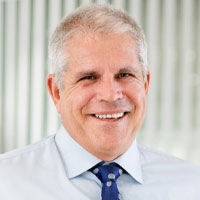
Interview with Pratip Chattopadhyay, Founder and CEO of Talon Biomarkers By Caitlin Dolegowski, Marketing Manager, LSN
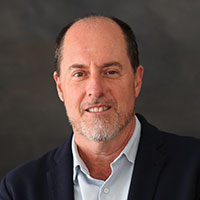
Pratip-Chattopadhyay
Pratip Chattopadhyay
CaitiCaitlin Dolegowski

In this interview, Pratip Chattopadhyay, Founder and CEO of Talon Biomarkers, shares the journey behind the company’s founding and its mission to improve cancer recurrence predictions through advanced immune cell characterization. As a sponsor at the upcoming RESI Boston, Pratip delves into Talon’s cutting-edge technologies, strategic collaborations, and what excites them about connecting with early-stage companies in the biotech space.

Caitlin Dolegowski (CD): Can you tell us about Talon Biomarkers’ founding story and mission?

Pratip Chattopadhyay (PC): Talon Biomarkers was born from my personal frustration with understanding cancer recurrence risks and a broader need in drug development for precise cell-type markers that predict therapeutic outcomes. My career has been dedicated to developing the technologies that accurately characterize immune cells, and Talon is where we connect these technical capabilities to drug discovery and informed patient treatment decision-making.

CD: What sets Talon Biomarkers apart from other biomarker discovery companies?

PC: At Talon, we believe that every patient sample and clinical trial holds valuable insights—there’s always something to learn, even when outcomes aren’t as expected. We leverage cutting-edge, high-parameter immune monitoring technologies to identify predictors of therapeutic efficacy and disease progression. While we operate as a CRO, what truly sets us apart is our deep scientific commitment. We collaborate closely with our clients’ translational teams, not just delivering data but helping to analyze and interpret it, ensuring every experiment reveals actionable insights.

CD: How do you collaborate with clients on experimental design and data interpretation?

PC: We’ve developed unique, automated approaches to accelerate experimental design and execution, ensuring that our work is robust and impactful. Our process starts with understanding the client’s needs through one-on-one consultations and tailoring our strategies to fit their budget and goals, delivering actionable insights.

CD: Can you discuss your strategic partnership with LASE Innovation and how it enhances your services?

PC: Our partnership with LASE Innovation showcases Talon’s tech development expertise. We help companies validate, demonstrate, and introduce new technologies to the scientific community. LASE, for instance, has an exciting technology that transforms static flow cytometry results into dynamic time-lapse insights on immune responses, pushing the boundaries of traditional immune monitoring.

CD: What types of early-stage companies are you most excited to connect with at RESI Boston?

PC: We’re eager to connect with companies developing drugs that affect the immune system or involve immune responses in disease settings. The immune system often serves as a sentinel for many diseases and drug reactions, and we’re excited to demonstrate how our tools can accelerate discoveries.

CD: What emerging trends do you see in immune monitoring and biomarker research?

PC: One major trend is the simultaneous measurement of multiple immune cell parameters, maximizing insights from valuable patient samples. Another is the advancement in complex data analysis. As thought leaders, we guide our clients toward the best biomarker discovery approaches that yield actionable insights.

CD: How can interested companies best engage with Talon Biomarkers during and after RESI Boston?

PC: We’d love to meet you at Table 20, and don’t miss our Wednesday afternoon workshop at 2PM on the third floor of the Westin, St George Room D! If you can’t attend RESI, you can schedule a one-on-one meeting through our website. We look forward to connecting!

RESI-Boston-2024-September-1100pxw

RESI-London-2024-1100px

RESI-SF-2025-Banner-1100px

Innovating for a Cure: Insights from MDA’s Leaders on the Future of DMD Research 

29 Aug

Interview with Scott Kozak, Vice President of Research & Development, with contributions from Dr. Angela Lek, Vice President of Research at Muscular Dystrophy Association (MDA) By Caitlin Dolegowski, Marketing Manager, LSN

scott-kozakScott Kozak dr.-angela-lekDr. Angela Lek CaitiCaitlin Dolegowski

I had the opportunity to interview Scott Kozak, Vice President of Research & Development, with contributions from Dr. Angela Lek, Vice President of Research, both at the Muscular Dystrophy Association (MDA), a title sponsor at upcoming RESI Boston. As leading figures in MDA’s mission to advance treatments and find cures for neuromuscular diseases, Scott and Angela bring a wealth of experience and a shared dedication to improving patient outcomes. In this interview, they discuss their professional backgrounds, the latest advancements in research, and offer valuable advice for early-stage companies in the field of Duchenne muscular dystrophy (DMD) research.

Caitlin Dolegowski (CD): Scott, can you share a bit about your background and what led you to your current role as Vice President of Research & Development at the Muscular Dystrophy Association?

MDA: Sure. I have been in the pharmaceutical industry for 35 years. Most of that time has been concentrated on licensing & business/corporate development. I have held senior positions in Big Pharma & Specialty Pharma before concentrating on the entrepreneurial route, co-founding 3 companies along with my own consulting company. As an Entrepreneur In Residence for Yale Ventures, The University of Connecticut Center for Entrepreneurial Innovation, and Connecticut Innovations, I have helped many start-ups with business plans and fundraising as well as helping university faculty & students start companies. My role at MDA was a perfect fit for the experience I have gained throughout my years in the industry. I support the Research areas from a business perspective, which covers strategy, negotiation and other partnering activities for MDA Grants, Venture Philanthropy, MOVR, our patient registry of Real-World Data (RWE), and KickStart, a program encompassing MDA in-licensing IP and partnering for the development of therapeutics for the first time.

CD: What advice would you give to early-stage companies looking to access grants for DMD research, and what resources or programs does MDA offer to support them in this process?

MDA: Advice: It is never too early to reach out to MDA’s research team to initiate conversations about your drug or device development plans. We can provide disease-specific insights, patient perspectives, guidance on trial design as well as help connect you with the right experts in the field. We also highly recommend engaging with TREAT-NMD’s Advisory Committee for Therapeutics (TACT) to receive a comprehensive review on your drug development plans by a multidisciplinary team of experts in the neuromuscular disease space: https://www.treat-nmd.org/what-we-do/tact/

Resources/programs: MDA Venture Philanthropy (MVP) awards early-stage companies with promising therapies in development to treat neuromuscular conditions: https://www.mda.org/science/mda-venture-philanthropy

CD: As we explore innovative approaches in DMD treatment, can you explain the significance of Myosana’s non-viral delivery platform and how it differs from current viral delivery methods?

MDA: Myosana’s non-viral platform differs from AAV-based delivery methods because the therapeutic transgene is not packaged in an existing biological delivery vehicle. Instead, the platform includes proprietary components to deliver DNA that is stable in circulation and can assist in movement from blood vessels to muscle by targeting the GLUT4 transporter that is enriched in skeletal and cardiac muscles. The GLUT4 transporter naturally undergoes trafficking from internal stores to the muscle surface and then back again. The Myosana platform is designed to hitch a ride on GLUT4, leading to internalization of the cargo. Once inside the cell, the DNA cargo is optimized for nuclear targeting and expression.

Myosana’s non-viral delivery platform to deliver full-length dystrophin is mutation agnostic and is anticipated to benefit the entire DMD patient population. In addition, the technology overcomes known hurdles associated with current viral delivery methods utilized in gene therapy such as adeno-associated viruses (AAV) by: 1) not limiting gene size; 2) potential for repeat dosing due to lack of immune response; 3) enriched cardiac and skeletal muscle targeting via the GLUT4 receptor; 4) a predicted decreased cost of goods and better scalability.

CD: What are the potential advantages of delivering the full-length dystrophin gene compared to current microdystrophin approaches?

MDA: Full-length gene delivery of dystrophin at sufficient doses is anticipated to restore full functionality of the dystrophin protein at the sarcolemma, thus achieving a better result than current microdystrophin gene replacement therapy developed for DMD. Microdystrophin gene constructs currently in clinical development are approximately a third the size of full-length dystrophin and can at best achieve a milder Becker Muscular Dystrophy phenotype.

CD: How might Myosana’s technology address some of the limitations of existing gene therapies for DMD, such as gene size restrictions and the inability to repeat doses?

MDA: Currently, patients who test positive for pre-existing AAV antibodies are currently not eligible to receive AAV-based therapies due to immune-related safety concerns. This also precludes patients from being able to receive AAV-based therapies more than once. Myosana’s non-immunogenic platform is not anticipated to exclude any patients based on pre-existing immune concerns. Importantly, current gene therapy technologies are not optimized for durability, hence the ability to re-dose presents a very attractive option for Myosana’s platform.

Myosana’s non-viral delivery platform can be adapted to deliver gene cargoes without the size limitation of AAV. This opens doors for gene replacement therapy across a range of NMDs with genes that exceed the size limit for AAV packaging (e.g. Titin, Nebulin, LAMA2, Dysferlin, RYR1). The lack of size limitation also makes fine-tuning regulation of the transgene expression theoretically feasible by allowing for the use of native promoters and or additional regulatory elements.

CD: Could you elaborate on the mutation-agnostic nature of this approach and its potential to benefit the entire DMD patient population?

MDA: Despite FDA approval for exon skipping drugs for Duchenne (eteplirsen, golodiresen, casimersen, vitolorsen), there is still significant unmet need for the DMD patient population. These specific drugs target only a subset of patients with mutations in hotspot exons of the DMD gene, excluding those with pathogenic mutations that do not fall in exons 45, 51, 53. The recently approved Elevidys gene replacement therapy delivers a truncated version of the dystrophin gene that aims to achieve a milder Becker-like phenotype in patients. The ability to deliver sufficient quantities of full-length dystrophin may be necessary for the maximum achievable benefit and should be helpful to all DMD/BMD patients regardless of their disease-causing mutation.

CD: How does MDA’s support for Myosana’s research align with the organization’s history of funding DMD research, dating back to the identification of the dystrophin gene in 1986?

MDA: MDA has a strong track record in funding DMD research, dating back to the 1980s when we funded Dr. Louis Kunkel who discovered the dystrophin gene as the disease-causing gene responsible for DMD. Over the years, MDA has funded a range of DMD projects ranging from basic science research to clinical trials. Importantly, MDA supported Dr. Jeffrey Chamberlain and his research into understanding the function of dystrophin and whose pivotal findings have enabled the identification of the most functionally important regions of dystrophin. This vital knowledge has enabled the generation of miniaturized dystrophin gene therapies pursued by several companies. MDA also funded Dr. Jerry Mendell who conducted early AAV-based gene therapy trials and pioneered systemic delivery for muscular dystrophies. We continue to support cutting edge therapy development, identifying new technologies that can fill an unmet need in DMD. Myosana was selected for investment via our MVP program committee because their platform represents an alternative option to viral-based gene therapies and potentially holds tremendous therapeutic benefit through the restoration of the full-length dystrophin gene.

CD: What are your expectations for the development of genetic treatment options for DMD patients in the coming years?

MDA: Our expectation for genetic treatment options is to ensure that every patient is eligible for treatment that can restore dystrophin to therapeutic levels that is sustained over many years, thus allowing patients to life longer and more independent lives.

RESI-Boston-2024-September-1100pxw

RESI-London-2024-1100px

RESI-SF-2025-Banner-1100px

Innovations in Neuromuscular Disease

8 Aug

Interview with Dr. Sharon Hesterlee, Executive Vice President and Chief Research Officer at Muscular Dystrophy Association (MDA) By Caitlin Dolegowski, Marketing Manager, LSN

Sharon-HesterleeDr. Sharon Hesterlee
CaitiCaitlin Dolegowski

Today, we are excited to feature Dr. Sharon Hesterlee, Executive Vice President and Chief Research Officer at the Muscular Dystrophy Association (MDA), a title sponsor at our upcoming RESI Boston conference. Dr. Hesterlee plays a vital role in advancing research and treatment for neuromuscular diseases. In this interview, she discusses MDA’s investment programs, including the MOVR Data Hub and Venture Philanthropy, and shares insights on supporting biotech startups, key criteria for funding ultra-rare disease therapies, and emerging trends in research. Join us as Dr. Hesterlee offers valuable advice for entrepreneurs seeking to make an impact in the neuromuscular disease landscape.

RESI-Boston-2024-September-1100pxw

RESI-London-2024-1100px

RESI-SF-2025-Banner-1100px

Breaking Barriers in Science: The Journey of Meritxell Teixidó and Gate2Brain

31 Jul

Interview with Meritxell Teixidó, PhD, CEO & CSO, Gate2Brain By Caitlin Dolegowski, Marketing Manager, LSN

Meritxell-TeixidóMeritxell Teixidó CaitiCaitlin Dolegowski

Meritxell Teixidó holds a PhD in Organic Chemistry from the University of Barcelona (UB) and an eMBA in Entrepreneurship, Innovation and International Business from UOC. At a scientific level, her field is the synthesis of peptides and the discovery of peptides capable of crossing biological barriers and she was responsible for this research line at the IRB Barcelona during more than 15 years, where she co-directed 10 doctoral theses, published more than 50 articles and participated in 9 patents.

After dedicating more than 15 years to biomedical research at IRB Barcelona, trying to improve the arrival of drugs to the brain by crossing the blood-brain barrier that protects it. She decided to jump more barriers and be the CEO/CSO of Gate2Brain SL. in order to bring technology closer to patients, a challenge and an honor. Jumping barriers is perhaps the common thread that describes her, combining science and innovation with a new vision on leadership, for which she received the Spanish Woman Startup Award 2022 – Inspiration.

Caitlin Dolegowski (CD): Please introduce Gate2Brain and the company’s technology.

Meritxell Teixidó (MT): Gate2Brain is a biotech company focused on the development of therapeutics that efficiently cross biological barriers such as the blood-brain barrier using a radically innovative peptide-based patented technology platform.

G2B-002, the first therapeutic proof of concept of our technology platform, is aimed mainly at the treatment of rare pediatric solid tumors.

CD: Meritxell, you were joined by your colleague, Carles Taulé, Gate2Brain’s Business Development Manager, at RESI Europe and Gate2Brain boasts three women founders. Tell us more about your team.

MT: Gate2Brain has a multidisciplinary team that ranges from peptide scientists to oncologist, from business development to operations. A team that is based in Barcelona and Madrid in Spain but also has key members in Tel Aviv and Mumbai.

CD: What were your experiences at the conference? What worked well for both you and Carles at RESI Europe?

MT: The conference was a great opportunity to share the journey of Gate2Brain and interact with novel potential investors that could help us advance to the clinics.

CD: What stage of fundraising is Gate2Brain in and what are your goals for the rest of 2024 and looking into 2025?

MT: We are fundraising 5M€ to perform the preclinical regulatory studies of G2B-002 (IND enabling studies) and prepare the Clinical Batch of G2B-002.

CD: Congratulations on your first-place finish at RESI Europe’s Innovator’s Pitch Challenge (IPC)! There were over 40 companies in the IPC. What do you think was the key to your success and standing out at RESI Europe?

MT: On one hand, the impact that our technology could have on the first indication that will benefit from it, pediatric brain tumors that have no cure to date. On the other hand, the potential to use our delivery platform to improve the transport of many other drug candidates for brain diseases that are not able to cross the BBB unaided. Our Intelectual property portafolio and the team behind the scenes are to hallmarks that positionates Gate2Brain.

CD: What advice would you like to give to fellow entrepreneurs about RESI conferences?

MT: RESI is the perfect arena to establish connections and network with investors that are aligned with early drug development.

RESI-Boston-2024-September-1100pxw

RESI-London-2024-1100px

RESI-SF-2025-Banner-1100px

From Biotech Chemist to Family Office to Biotech Pioneer

24 Jul

Interview with Sunil Shah, CEO of o2h Ventures | Co-founder @ o2h Group By Claire Jeong, Chief Conference Officer, VP of Investor Research, Asia BD, LSN

Sunil_ShahSunil Shah Claire-newClaire Jeong

Sunil Shah is a dedicated entrepreneur with over two decades of experience in fostering early-stage biotech innovation. He has focused on building the biotech ecosystem to support fledgling biotech innovations through investment, mentoring, and network building. As Co-founder of the o2h Group and CEO of o2h Ventures, he has led initiatives like the Kickstarter competition and ChaiTime webinars, supporting global biotech startups with integrated drug discovery services and virtual networking. Sunil’s efforts have impacted over ten early-stage companies across five countries and facilitated successful fundraising for o2h Ventures portfolio companies through ChaiTime Portfolio Pitch Day to leverage o2h’s syndicate investor network.

Outside of work, he enjoys biking, running, and competing in Ironman events.

Claire Jeong (CJ): Can you please describe your history in the life science arena?

Sunil Shah (SS): I am a biochemist by training, and I have subsequently spent most of my life in the life sciences arena. Started my career in the life sciences team at PA Consulting gaining early experience working with large Pharma and eventually co-founding a discovery services business that was later sold for a significant multiple. Building on this success we started o2h Discovery to continue to support biotech companies with chemistry and biology, o2h CoWork Labs to provide the biotech companies with the space that they need to start up and o2h Ventures to provide seed capital to biotech companies helping them accelerate their growth journey. I started all these businesses along with my brother Prashant Shah.

I love working with such exciting start-ups and struggle to say ‘no’ when they need support, hence I get involved in every working aspect of a biotech company from finance, business, and strategy and when we are really desperate for science! I am currently either Chair or Non-Executive Director in over ten biotechnology companies at various stages from Preclinical to Phase II and am serving second terms on the Board of Cambridge Angels and the British Biotech Industry Association (BIA).

I am proud to have been recognized by the OBN with a ‘Special Recognition Award’; CEO of the year by the Cambridge Independent Science and Technology Awards and UKBAA Angel of the Year, all in the last five years.

CJ: Can you tell me about how you started your family office, o2h Incubator, o2h CRO, and your o2h venture fund?

SS: Well, I was quite poor after my first start-up (I had a .com and saw the boom-and-bust cycle), I was working as a part-time business development director for a biotech start-up in Cambridge, UK. This was in 2003 and the chemists at CBT were complaining about outsourcing chemistry and we thought there is a market that exists, we just need to do it better. So, we started Oxygen Healthcare in India, with 2 FTEs from Amicus Therapeutics… It was a long slog after that but that was the beginning of the journey. We had already started angel investing in the biotech sector in 2005 with Acacia being one of our first. Through the ‘lens’ of a discovery service provider we were able to speak to big pharma and find out what technologies they were interested in investing in and at the same time connect this to many of the fledgling biotech companies that we were supporting.

The angel investment turned into a Pre-Seed fund ‘o2h Ventures’ and we built our own ‘flywheel’ where we could incubate and mentor start-ups from our own incubator that we bought and developed in Cambridge, UK ‘o2h CoWork Labs’ and we had discovery support on tap as ‘o2h Discovery’ in India/UK continued to flourish. We have made pre-seed investments into 35 biotech companies, mostly over the last 5 years.

CJ: What is your venture funds investment thesis? How many startup investments have you made?  How many exits?  

SS: The UK has an amazing science base, having worked with biotech companies in the UK and USA I would say the industrial and academic talent base is equivalent, and in fact, the UK punches well above its weight bringing in over 40% of all biotech investments across Europe as geography.  Despite these facts, there is a significant and well-understood valuation gap between the UK and the USA. This is largely due to the quanta of seed capital available.

o2h Ventures has built this ‘flywheel’ to incubate and support early-stage companies, despite being a small $10M fund, we have amazing access to new science through our CRO business, o2h Discovery or many of the other organisations (Milner, Start Codon, Wellcome Trust, Cambridge Angels etc..) or Tech Transfer Offices (Cambridge, Nottingham, Oxford, Dundee, Sussex, Manchester, etc..) that we have already spun companies out from.

o2h Ventures invests from two funds, these are not normal fund structures, as they have been set up as tax efficient for UK taxpayers, under what is known as the ‘Enterprise Investment Scheme’. We have now invested in over 35 companies and already, over $400M of capital has been invested into our portfolio that we have developed. Already some of the earlier angel investments have exited such as Acacia and Privitar and now Small Pharma is the first company from our portfolio to be acquired by NYSE-listed company Cybin.

We now seek to raise a more traditional growth fund under a typical GP/LP structure to co-invest in 10-15 of our best companies.

CJ: Are you mostly UK-centric in your investments?

SS:  We think the UK represents huge value for investors given both the science and technology base that we have here. We know the UK landscape very well having grown up in the biotech sector in the UK and hence we think it makes a lot of sense to focus on UK biotech investments for our next phase.

CJ: Do you have LPs in your fund from other regions or just the UK?

SS: Our Pre-Seed funds have investors which are all HNWIs from the UK.

CJ: What is your international strategy, and how do the North American and APAC markets play in your worldview?

SS: We see the USA market as being ‘the bridge’ at a certain stage in the company’s growth; we always seek to bring in US directors onto the boards of our companies which can open the door to US growth capital and potential public market exits. The APAC region represents a massive, fast-growing market with immense potential. While we prioritize the US for now, APAC remains on our radar.

CJ: You have attended and participated in many RESI events over the years. What do you see as valuable to you?

SS: I have been attending the RESI Conference since the very early days, I can’t even remember how many but I go back several years. I always thought that it was amazing that I could meet early-stage companies and other investors who were ALL interested in early-stage biotech companies. No one at a RESI Conference is going to tell you that we don’t work with or do early stage! That’s what really appealed to me. The streams, panels and therapeutic focus areas are so tailor-made for people like me, which is why I love going to the conference and am always willing to support Dennis and his team in expanding his presence or appearing on a panel where possible.

RESI-Boston-2024-September-1100pxw

RESI-SF-2025-Banner-1100px

Revolutionizing Rehabilitation: DyCare’s Silvia Raga on ReHub’s Impact and Future Ambitions 

24 Jul

Interview with Silvia Raga Founder and CEO of DyCare By Caitlin Dolegowski, Marketing Manager, LSN

This interview features Silvia Raga of DyCare discussing ReHub, their innovative telerehabilitation platform. Raga explains how ReHub uses advanced technology to enable remote physical therapy, making rehabilitation more accessible and efficient. She highlights DyCare’s recent success at RESI Europe’s Innovator’s Pitch Challenge, attributing it to ReHub’s potential to address key issues in digital health. Raga also discusses the unique networking opportunities at RESI Europe, DyCare’s future expansion plans, and offers advice for entrepreneurs attending similar events. The conversation underscores DyCare’s mission to improve lives through technology and their strategic approach to growth and innovation in the digital health sector.

Silvia-RagaSilvia Raga CaitiCaitlin Dolegowski

Caitlin Dolegowski (CD): DyCare’s mission is to improve lives through science-based technologies. Can you introduce us to ReHub and explain how it’s revolutionizing digital rehabilitation?

Silvia Raga (SR): ReHub is our flagship product, designed as a comprehensive telerehabilitation platform. It leverages advanced camera detection technology to digitize the rehabilitation process, enabling remote therapies. This innovation provides professionals with a powerful tool to monitor patient progress remotely. At the same time, it offers patients the convenience of executing their highly personalized physical therapy from the comfort of their homes. By bridging the gap between clinicians and patients, ReHub is revolutionizing the way rehabilitation is delivered, making it more accessible, efficient, and effective for everyone involved.

CD: Congratulations on your third-place finish at RESI Europe’s Innovator’s Pitch Challenge! What do you think was the key to your success among over 40 competing companies?

SR: We believe the key to our success lies in addressing critical issues within the rapidly growing digital health market. Improving people’s lives is a priority for many, and the rehabilitation market is enormous. We have identified significant pain points such as the burnout of physical therapists and long waiting lists for patients. Our solution, ReHub, directly addresses these challenges by offering an efficient, accessible, and effective way to deliver personalized rehabilitation remotely.

This innovative approach and the high level of adoption to date resonated with the judges, highlighting the impactful potential of our technology.

CD: How did your experience at RESI Europe differ from other conferences you’ve attended? What aspects of the event did you find most valuable?

SR: Our experience at RESI Europe was unique compared to other conferences we’ve attended. The primary difference lies in the event’s focus on investing. Startups attend with the goal of fundraising, and investors are there specifically to scout for promising startups. This clear alignment of objectives made our interactions more targeted and productive. We found the networking opportunities to be incredibly valuable, as they facilitated meaningful connections with potential investors who were genuinely interested in our technology and vision. Additionally, the structured environment of the Innovator’s Pitch Challenge provided us with a platform to showcase our solution directly to a receptive and relevant audience.

CD: Your team is described as multidisciplinary. How did this diverse expertise contribute to your pitch and overall performance at RESI Europe?

SR: Our team’s diverse expertise was crucial to our success at RESI Europe. Our team includes developers, QA and regulatory affairs specialists, product specialists, physical therapists, and sales and marketing experts. This broad range of knowledge and dedication has enabled us to deliver top-notch medical software. As CEO, having such a well-rounded team behind me instills confidence when pitching in front of anyone. Each team member’s unique perspective and skills have contributed to creating a robust and innovative product, which undoubtedly resonated with the judges and investors at the event.

CD: Following your success at RESI Europe, what are DyCare’s goals for the rest of 2024 and looking into 2025, particularly in terms of market expansion and fundraising?

SR: RESI has been a spectacular platform for showcasing our product to new investors. Moving forward, our primary goals for the rest of 2024 and into 2025 are focused on market expansion and fundraising. We are particularly excited about entering new markets such as LATAM and Italy. In these regions, ReHub has already demonstrated its potential to improve processes for hospitals and insurance companies, delivering better care to patients. We aim to build on this success by establishing a stronger presence in these markets and continuing to refine our product based on user feedback. We are seeking further investment to support our expansion and enhance our technology to meet the evolving needs of the rehabilitation sector.

CD: ReHub is already trusted by prestigious hospitals and insurance companies. How did your participation in RESI Europe help in furthering these partnerships or opening new opportunities?

SR: Participating in RESI Europe significantly boosted our efforts to further existing partnerships and explore new opportunities. The event provided us with a valuable platform to present ReHub to a wide audience of investors and industry leaders in Europe, and it also gave us exposure in a new market such as the US. This exposure has not only enhanced our credibility but also opened doors to new potential partnerships with hospitals and insurance companies that were previously out of reach. Additionally, the feedback and interest we received at RESI have helped us to better understand the market needs and refine our approach to meet the demands of prestigious institutions more effectively.

CD: Based on your experience, what advice would you give to fellow entrepreneurs about making the most of events like RESI Europe?

SR: When attending events like RESI Europe, it’s crucial to be proactive and strategic. Set clear goals and pursue them with determination.

Start by doing your homework: research the key people attending the event and reach out to them beforehand to schedule meetings. This preparation can significantly increase your chances of making valuable connections.

Leverage social media to inform your network that you will be attending. Posting about your presence not only boosts your visibility but also lets potential partners and investors know that you are open to discussions.

Seek an active role at the event, whether as a speaker, a participant in a pitch competition, or in another capacity. Active involvement not only enhances your visibility and credibility but also helps maximize your return on investment.

Don’t underestimate the importance of practicing your pitch. Take the time to refine and rehearse it thoroughly. Show how your product solves a problem and demonstrate its value in action.

Lastly, embrace networking opportunities fully. Events like these are prime opportunities to connect with industry peers and decision-makers. Don’t be shy—engage actively to make the most of your time there.

RESI-Boston-2024-September-1100pxw

RESI-SF-2025-Banner-1100px

RESI JPM 2025 Moves to San Francisco Marriott Marquis

18 Jul

Interview with Dennis Ford, Founder and CEO of Life Science Nation (LSN) By Caitlin Dolegowski, Marketing Manager, LSN

Dennis Ford
CaitiCaitlin Dolegowski

Life Science Nation (LSN) is elevating RESI JPM 2025 by moving to the San Francisco Marriott Marquis on January 14, 2025. This super-central venue, just minutes from Union Square, offers a spacious area with all activities on one floor. The new location allows for significantly expanded capacity, enhancing networking opportunities for attendees.

As the 50th RESI conference, this milestone event during JP Morgan Healthcare Week promises enhanced networking opportunities, great food, and the unique RESI format of equal representation between early-stage companies and investors/partners. RESI JPM continues its tradition of fostering crucial connections in the life science industry, building on its legacy of helping companies secure substantial funding and partnerships.

In an interview with Dennis Ford, CEO of Life Science Nation, he shared insights about this exciting location update for RESI JPM and its implications for the event’s future.

Caitlin Dolegowski (CD): What motivated the decision to move RESI JPM 2025 to the San Francisco Marriott Marquis?

Dennis Ford (DF): Forgive me, but let’s dial in the time machine and go back a decade to the third RESI event LSN had in 2014 at the iconic Baseball venue of Fenway Park, Kenmore Square, Boston. We had just launched Life Science Nation (LSN) and the Redefining Early Stage Investments (RESI) conference series and were two years in. My son Patrick worked at Fenway as a chef and introduced LSN to the catering folks who agreed to let RESI take over two of their big restaurant venues and stage an investor event complete with beer, hot dogs, and Boston clam chowder. At the RESI Fenway Park event, I met Ray Briscuso of AdvaMed, and we immediately hit it off. Ray is a well-known change agent in the life science arena and has created one of the world’s most dynamic MedTech partnering events. Ray loved what we were doing, connecting investors with startups, and he suggested bringing RESI to the JP Morgan event in San Francisco in January 2015.

With Ray’s encouragement, off I went to San Franciso, and I found one venue, the Marine Memorial Hotel, a few blocks away from Union Square. This is a small hotel, but it did have enough space to scatter a RESI event around the different floors with all the various nooks and crannies that this venerable older hotel offered us. RESI took over two floors connected by a stairway and launched the first RESI JPM, which we promptly sold out. At the inaugural RESI JPM event in that crowded hotel, the “collision factor” at RESI was born.

Our first RESI JPM was a packed house. The tight quarters had an exciting effect in that half the attendees were startups, and the other half were investors, and licensing partners kept literally bumping into each other as they traversed the hallways and staircases from scheduled meetings to panels and workshops. As the day went on, this collision prompted on-the-spot ad hoc meetings, which many reported were the best meetings of the day.

Typically, a partnering event has scheduled one-on-one meetings throughout the day. Still, at this event, the ad hoc meetings were equal to the number of scheduled meetings, which created a very different vibe because of the crowded facility. People were more open, friendly, and willing to chat and, if not a direct fit, make some referrals, and that aspect has carried over to every RESI event to this day.

Anyway, to make a long story short, we continued at the Marine Memorial for ten years, unable to find anything with more capacity, and stuck with our friends at the Marine Memorial, eventually taking over the entire hotel for the RESI event year after year. RESI JPM was limited in capacity to 1200 attendees, and most years, we were sold out because of a lack of capacity. RESI JPM developed a reputation as the place to find a capital investor and licensing partners; investors bump into other investors and find syndicate partners, and the relaxed community atmosphere came to define the community that supports our RESI events to this day. Fast forward a few weeks ago, and the Marriott Marquis had an opening this year with a 20,000 sq ft venue, and LSN felt we had to make a move and expand the RESI JPM partnering event. As it turns out, this RESI JPM will mark our 50th RESI event, and I still vividly recall an animated conversation with Ray overlooking the Fenway Park ball field telling me to get my ass to SF, CA, and find a hotel!

CD: How do you think the new Marriott Marquis location will enhance networking opportunities for attendees?

DF: JP Morgan Healthcare week has morphed into the most significant global partnering event in the world. The main reason many people travel to San Francisco in January is to participate in the numerous meetings and parallel events across the city’s downtown. These meetings start before the main JPM events and run throughout the week, offering diverse discussions and presentations from various organizations. LSN’s RESI JPM is one of the parallel events and is considered one of the go-to events of the week. The JPM gathering is still one of the premier global industry events and still fosters collaboration and innovation.

CD: Can you discuss the advantages of hosting the conference during JP Morgan Healthcare Week?

DF: Everyone who is anyone is at the JP Morgan week, and if you want to play in the life science arena, it is an opportunity to meet and network with the -players you need to be connected with.

CD: How do you anticipate the new venue will impact attendance numbers, particularly in terms of early-stage investors?

DF: LSN is about helping early-stage seed, 250k-2M, series A, 2M to 10M, and Series B 10-50M. RESI events cater to the buyers and sellers in this part of the life science landscape and is the place to be if you are an early-stage company seeking capital or licensing opportunities. At RESI JPM, attendees are equally divided between buyers and sellers. So we expect around 1500-2000 participants, equally divided between early-stage companies and investors and licensing partners seeking technology assets for their portfolios and product lines.

RESI conferences are unique because they are equally divided between early-stage life science companies across drugs, devices, diagnostics, and digital health and the investors and licensing partner entities.

CD: As RESI JPM 2025 marks the 50th RESI conference, how do you see this milestone event reflecting the growth and evolution of RESI over the years?

DF: RESI has helped over 400 companies raise over 5 billion dollars over the years. If any of these company’s technologies make it to a patient’s bedside and improve a patient’s outcome, then we will have done what we set out to do—make a difference.

RESI-SF-2025-Banner-1100px