Tag Archives: entrepreneur

Don’t Miss Out: Discover Cutting-Edge Japanese Innovations at RESI San Diego 2026

9 Jun

By Claire Jeong, Chief Conference Officer, Vice President of Investor Research, Asia BD, LSN

With RESI San Diego 2026 just two weeks away, taking place on Monday, June 22, at JULEP Venue San Diego, we are excited to showcase a strong cohort of innovative life science companies and technologies from Japan.

As Title Sponsor of RESI San Diego 2026, Kobe Biomedical Innovation Cluster (KBIC) is organizing 2 incredible afternoon sessions featuring promising innovations that are being developed in Japan. We welcome you all to join and learn more about what Japan’s life science ecosystem has to offer.

Space is limited, so we ask that you RSVP to confirm your attendance.

RSVP to Confirm Attendance

1:00 – 3:00pm | KBIC Session –– Japan Life Science Showcase ––

KBIC is Japan’s largest leading biomedical cluster, bringing together approximately 350 companies, medical institutions, and research organizations.

Within this ecosystem, many startups are actively advancing R&D activities and working diligently toward commercialization on a daily basis.

As part of this exciting network, KBIC will host pitches from eight startups that are particularly eager to engage with overseas investors and licensing partners, and that are well prepared for such international collaboration.

In addition, leading venture capital firms in Japan and the representative of Ministry of Economy, Trade and Industry will speak about the current investment landscape as well as their perspectives on the future of the Japanese startup ecosystem.

ANT5 CellFold
FELIQS HIUCHI-Pharma
Juntendo-University Radio-Nano
United-Immunity VCCT

3:00 – 4:00pm | Kyoto-iCAP Session –– Translating Kyoto Science into Global Ventures ––

Kyoto University Innovation Capital Co., Ltd. (Kyoto-iCAP) and Kyoto University will introduce Kyoto’s growing biotech innovation ecosystem and showcase emerging life science ventures developing transformative technologies in regenerative medicine, cell therapy, nephrology, pain treatment and radiopharmaceuticals. The session is designed to foster connections between global investors, strategic partners, and leading Kyoto University-originated startups.

BTB Therapeutics CiRA
Orizuru-therapeutics Rege-Nephro
Shinobi_Therapeutics

Featured Interview: Dr. Narumiya, President of FBRI, shares his insights about Kobe and KBIC’s strengths and their role in strengthening the life science ecosystem in Japan.

Dr. Shuh Narumiya, President of Foundation for Biomedical Research and Innovation at Kobe (FBRI)

What is Kobe? What is KBIC?

Kobe is a port city and is now emerging as a key hub for startup creation and accumulation in Japan, particularly in bioscience and medicine. At the center of this ecosystem is the Kobe Biomedical Innovation Cluster (KBIC). In KBIC, you can meet institutes with Japan’s cutting-edge research, distinguished hospitals, research institutes of international Pharmas and start-ups, thus KBIC serving you as a “gateway to Japanese science and innovation”.

What science and innovation were and are being created in KBIC?

Science and innovation covered in KBIC span from drug discovery, regenerative medicine, digital health, and medical instruments and devices to bio-manufacturing. KBIC holds a distinctive position in regenerative medicine and cell therapy. It has, for example, nurtured and developed application of iPS cell research, leading to transplantation of iPSC-derived retinal cells in 2014, the world’s first clinical application, and the world’s first regulatory approval of iPSC-derived cells for a Parkinson’s disease treatment in 2026.

What are other advantages of KBIC?

Kobe is a part of Kansai region, an area of most distinguished life science research in Japan. Collaboration within the Kansai region is another strength of KBIC. Particularly, through partnerships with Kyoto University Innovation Capital (iCAP), KBIC supports the creation and growth of university spin-outs, combining Kyoto University’s research excellence with Kobe’s commercialization capabilities and vice versa.

What are the current state and issues of start-ups in Japan?

Today, Japan’s startup ecosystem—especially in the bio and life sciences sectors—is more vibrant than ever, producing a wealth of internationally competitive research and innovation seeds. However, these achievements are not yet fully recognized overseas, and many promising discoveries are still struggling for support to translate into commercial success. Bridging this gap is one of KBIC’s core roles.

Japan’s startups are now shifting from a domestically focused model to global expansion. In this transition, building international connections is critical. KBIC serves as a practical gateway for this purpose, offering integrated support from R&D to commercialization, fundraising, and global market entry.

Discover the Innovators: 14 Pitch Sessions Showcasing Emerging Life Science Companies 

9 Jun

By Max Braht, VP of Business Development, LSN

Max-Braht-Headshot

The Innovator’s Pitch Challenge (IPC) returns to RESI San Diego with an exciting lineup of 14 pitch sessions showcasing emerging companies from across the life science ecosystem. Finalists represent a broad range of innovation spanning Therapeutics, Medical Devices, Diagnostics, and Digital Health, highlighting the technologies shaping the future of healthcare.

These sessions provide RESI attendees with a unique opportunity to discover breakthrough technologies and engage directly with the entrepreneurs driving them forward. Each company will present in front of a panel of active investors and strategic partners, participate in live Q&A discussions, and receive valuable feedback from industry experts.

In addition to presenting during their assigned pitch session, all IPC finalists will showcase their companies in the RESI exhibition area through dedicated pitch posters. This format allows attendees to explore innovative technologies at their own pace, connect directly with company leadership, and schedule follow-up discussions with promising startups throughout the conference.

The Innovator’s Pitch Challenge culminates with the presentation of RESI Cash awards, recognizing standout companies from across the competition. Award recipients will also be featured in Life Science Nation’s Next Phase newsletter, providing additional visibility among the global RESI community.

More than a competition, the Innovator’s Pitch Challenge serves as a platform for fundraising companies to gain visibility, validate their value proposition, and build meaningful relationships with investors, strategic partners, and industry leaders from around the world.

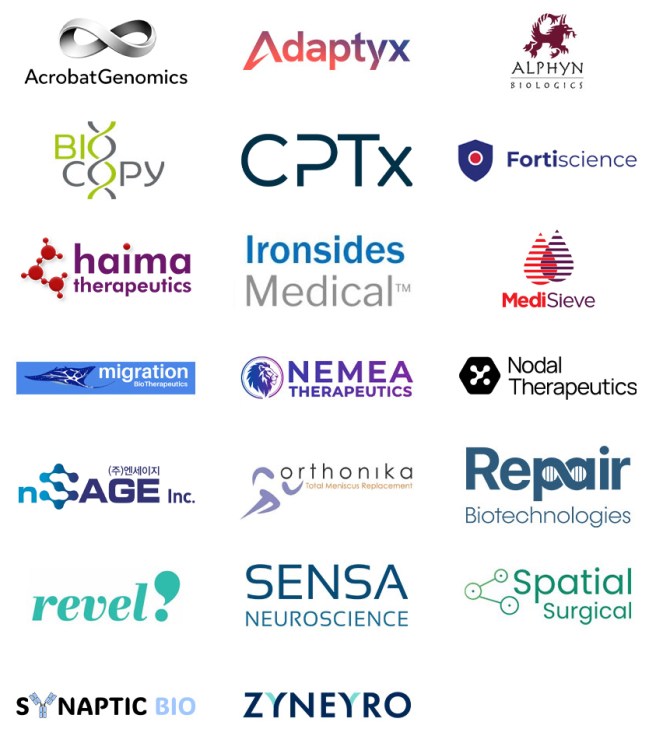
See the full list of pitching companies below:

Apply to Pitch at RESI Boston

Innovator’s Pitch Challenge: Where Deals Start

19 May

By Max Braht, VP of Business Development, LSN

Max-Braht-Headshot

At most conferences, startup pitch competitions are treated as side programming. Founders present a deck, judges select winners, applause follows, and the event moves on.

At RESI San Diego, the Innovator’s Pitch Challenge (IPC) is designed differently.

The IPC is not simply about winning a competition. It is designed to help early-stage life science companies generate investor attention, create business development momentum, and accelerate conversations that continue long after the presentation ends.
For many companies, that interaction becomes the most valuable part of the experience.

“The discussions also felt far more relationship-driven than transactional,” said Sian Farrell, CEO of StimOxyGen. “Conversations extended beyond the pitch itself and focused on clinical strategy, regulatory pathways, commercialization, and long-term value creation.”

Unlike standalone pitch competitions, the IPC is integrated directly into the larger RESI partnering ecosystem. Participating companies also receive partnering access, poster presentation visibility, and exposure throughout the conference environment, creating multiple opportunities for follow-up interaction.

“The combination of the presentation and the partnering platform made a significant difference,” said Bram de Moor, CEO of You2Yourself. “RESI brought us into direct contact with European and transatlantic life science investors who specifically seek early-stage diagnostic and biomarker companies — an audience difficult to reach through cold outreach.”

The IPC also introduces an interactive audience component through “RESI cash,” distributed to attendees during registration. Participants allocate their RESI cash to the companies they believe demonstrate the strongest potential, creating additional visibility and engagement throughout the event.

For founders navigating today’s capital environment, opportunities that combine exposure with concentrated investor access are increasingly valuable.

As fundraising conditions continue to demand stronger differentiation and clearer commercialization pathways, platforms that help companies sharpen messaging and generate high-quality investor interaction have become increasingly important.

At RESI, the IPC is intended to serve exactly that purpose.

Selected companies receive:

  • Two 5-day RESI registrations
  • A six-minute company presentation followed by seven minutes of investor Q&A
  • Poster presentation space
  • Full partnering access
  • Exposure to investors, strategic partners, and pharma business development teams throughout Convention Week

For many founders, the IPC becomes more than a presentation opportunity. It becomes the place where investor conversations begin, strategic relationships form, and fundraising momentum accelerates.

Applications for the Innovator’s Pitch Challenge at RESI San Diego are currently open, with limited presentation slots remaining.

Apply to Pitch at RESI San Diego

Oncovita: A Novel Measles-Based Approach to Unlock Immunotherapy in Solid Tumors 

5 May

By Rahul Shetty, Project Management & BD Associate, LSN

Max-Braht-HeadshotIn oncology, one of the most persistent challenges is not a lack of therapeutic innovation, but a fundamental biological limitation: many tumors remain invisible to the immune system. While immunotherapies such as checkpoint inhibitors have transformed treatment paradigms, a significant proportion of cancers, often referred to as “cold” tumors, fail to respond because they simply are not recognized as threats.

Oncovita, a France-based biotechnology company, is addressing this challenge with a novel approach rooted in engineered measles virotherapy. By leveraging the natural biology of the measles vaccine virus, the company aims to expose tumors to immune attack, effectively converting immunologically silent cancers into targets the body can detect and destroy.

This approach is particularly relevant in pleural mesothelioma, one of the deadliest solid tumors, where survival is often measured in months and treatment options remain extremely limited. Its immunologically silent nature makes it largely invisible to immune surveillance and resistant to existing immunotherapies, leaving patients with few effective options.

At the core of Oncovita’s platform is MVdeltaC, an engineered measles vaccine virus designed for intratumoral administration. Many tumors, including mesothelioma, overexpress CD46 – the receptor used by the measles virus to enter cells, providing a natural mechanism for selective targeting. Once inside the tumor, MVdeltaC triggers immunogenic tumor cell death and immune activation by releasing danger signals and tumor antigens, ultimately priming T cells to recognize and attack cancer. In doing so, it converts “cold” tumors into “hot” ones, enabling both local and systemic immune responses.

The use of measles vaccine as a therapeutic backbone offers several advantages. The live attenuated vaccine has been administered to more than four billion people worldwide, establishing a strong safety profile. It replicates in the cytoplasm without integrating into host DNA and is known to stimulate both innate and adaptive immunity, making it well suited for cancer immunotherapy.

Evidence supporting this approach includes a documented remission in a patient with triple-negative breast cancer treated with a measles-based therapy, along with preclinical data showing complete tumor regressions, long-term survival, and systemic immune activation across multiple aggressive tumor models. MVdeltaC has also demonstrated strong potential in combination with checkpoint inhibitors, further expanding its therapeutic relevance.

Oncovita is advancing MVdeltaC with an initial focus on pleural mesothelioma, supported by FDA & EMA Orphan Drug Designation and a clear regulatory pathway. From there, the company plans to expand into triple-negative breast cancer and additional solid tumors, using a stepwise strategy that builds early clinical validation before scaling into larger markets. This stepwise approach allows the company to generate early clinical proof-of-concept in a high-need population before expanding into broader oncology indications. With approximately 9,000 eligible patients annually across the U.S., Europe, and Japan in its initial indications and a significantly larger addressable market across solid tumors, the long-term opportunity is substantial.

Oncovita’s progress is supported by a multidisciplinary team with expertise spanning virology, immunotherapy, and clinical oncology. The company collaborates with leading institutions and key opinion leaders, including experts from Institut Gustave Roussy and MD Anderson Cancer Center, reinforcing the scientific and clinical foundation of its program.

As immunotherapy continues to evolve, enabling the immune system to recognize cancer may be just as important as enhancing its response. Oncovita’s measles-based virotherapy represents a compelling approach to solving this challenge, offering the potential to expand immunotherapy to patients who currently have limited treatment options.

Learn More & Connect

To learn more about Oncovita, visit: https://www.oncovita.fr/

To connect directly with CEO Stephane Altaba, reach out here: stephane.altaba@oncovita.fr

Allosteric Bioscience: Advancing a First-in-Class Approach to Combat Muscle Degeneration 

28 Apr

By Max Braht, VP of Business Development, LSN

Max-Braht-Headshot

As the global population ages, sarcopenia and age-related muscle loss are emerging as major unmet medical challenges, impacting quality of life, independence, and long-term health outcomes for millions worldwide. With approximately 20% of the global population of 8.2 billion people over age 60, demand for therapies that preserve muscle mass and function is expected to rise significantly.

At the same time, the broader anti-aging market is projected to grow from $73 billion in 2024 to $140 billion by 2034, while the anti-obesity therapeutics market is expected to expand from $16 billion in 2024 to $105 billion by 2030, underscoring the growing commercial relevance of solutions targeting muscle preservation.

Allosteric Bioscience is positioning itself at the forefront of this space with a novel therapeutic strategy designed to preserve muscle mass and function.

Originating from groundbreaking research licensed from Johns Hopkins University, Allosteric Bioscience is developing a small molecule inhibitor of glutamate carboxypeptidase II (GCPII), an enzyme increasingly recognized as a key metabolic regulator in muscle degeneration. By targeting GCPII, the company aims to create a disease-modifying therapy capable of addressing sarcopenia at its biological source rather than simply managing symptoms.

Preclinical studies have demonstrated promising results, including preservation of muscle function, inhibition of muscle wasting, and approximately 20% improvement in survival in relevant disease models. These findings suggest potential applications not only for age-related sarcopenia but also for broader muscle-wasting conditions associated with obesity therapies, chronic disease, and other degenerative disorders.

Allosteric Bioscience’s lead candidates are currently progressing toward IND-enabling studies and advancement into first-in-human clinical development. The company’s broader platform also reflects an ambitious strategy focused on optimizing both lifespan and health-span through innovative aging-related therapeutics.

With leadership from Executive Chairman & Co-Founder, Bruce Meyers, and President & Co-Founder, Dr. Arthur Bollon, Allosteric Bioscience represents a compelling opportunity for investors, strategic partners, and stakeholders interested in next-generation therapeutics targeting one of healthcare’s most pressing aging-related challenges.

As longevity science and preventative therapeutics continue to attract growing investor attention, Allosteric Bioscience is working to redefine how the life sciences industry approaches muscle degeneration and healthy aging.

Learn More & Connect

To learn more about Allosteric Bioscience, visit: allostericbioscience.com

To connect directly with Executive Chairman & Co-Founder Bruce Meyers and President & Co-Founder Dr. Arthur Bollon, schedule a meeting here:

Schedule a Meeting with Allosteric Bioscience

Partnering Opens April 27 for RESI San Diego 

21 Apr

By Max Braht, VP of Business Development, LSN

Max-Braht-Headshot

Life Science Nation (LSN) is pleased to announce that partnering for RESI San Diego will officially launch on Monday, April 27.

For attendees, partnering is the most important part of the RESI experience. It is where outreach begins, meetings take shape, and the conference starts to turn into real business development activity.

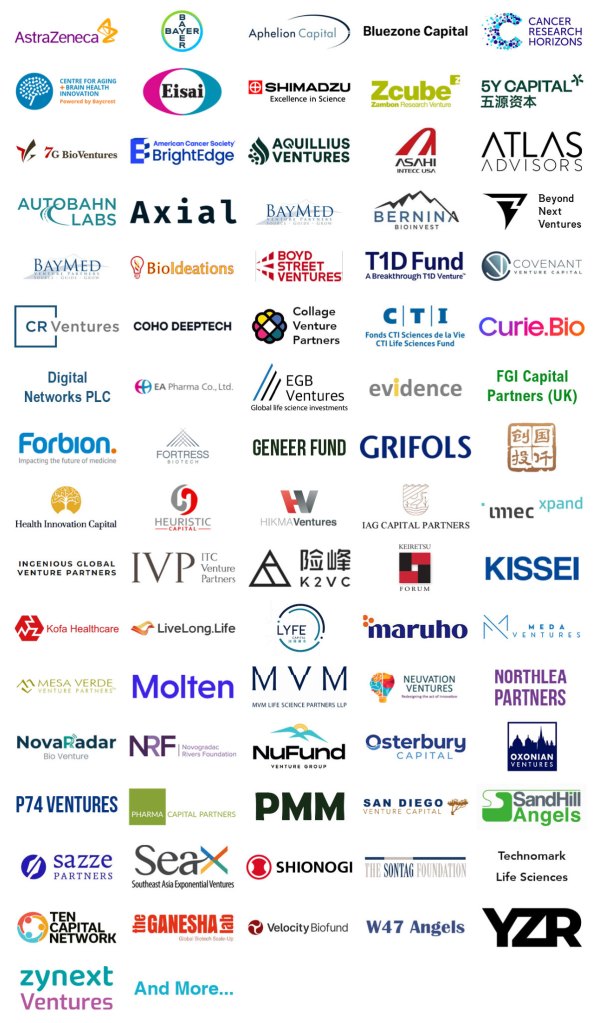
With an expanding group of investors already registered and more joining every day, partnering launch gives attendees the opportunity to begin reviewing profiles, identifying targets, and requesting meetings before schedules begin to fill. The accompanying investor logo splash highlights the breadth of investor participation already confirmed for RESI San Diego and reinforces the value of acting early.

At RESI San Diego, partnering takes place across a five-day hybrid format. Attendees can begin conversations in person on June 22 at the Julep Event Venue in San Diego and continue those discussions during the virtual partnering days on June 23–24 and June 29–30. This structure gives companies more opportunities to connect, follow up, and keep momentum moving after the initial introduction.

For startups, emerging companies, service providers, and investors alike, early access to the partnering platform creates a significant advantage. Companies can strengthen profiles, build targeted outreach lists, and secure meetings with investors, strategic partners, CROs, service providers, and ecosystem organizations before the busiest weeks leading up to the conference.

Beyond partnering, RESI San Diego offers additional opportunities to build visibility and reinforce conversations started through the platform. Attendees can participate in investor panels, workshops, networking receptions, the exhibition hall, and the Innovator’s Pitch Challenge, where companies present directly to investors and receive live feedback.

To help attendees make the most of the platform, LSN will host a partnering tutorial webinar on Tuesday, April 28. The session will provide an overview of the RESI partnering system, share best practices for creating an effective profile, and offer tips for maximizing meeting opportunities before and during RESI San Diego.

Register for the partnering tutorial here: https://us02web.zoom.us/webinar/register/WN_BgTWGwKKS4mATlTZVhyoHA

Register for RESI San Diego

RESI 2026: Sponsorship That Delivers Visibility, Connection, and Real Engagement 

21 Jan

By Max Braht, Director of Business Development, LSN

Max-Braht-Headshot

The RESI (Redefining Every Stage of Investment) Conference Series, produced by Life Science Nation (LSN), has become a cornerstone event series for the early-stage life science ecosystem. Designed to bring together innovators, investors, and strategic partners, RESI offers a highly curated environment where capital formation, partnership development, and brand visibility intersect.

In 2026, the RESI Series continues its global reach through a combination of in-person conferences and structured virtual partnering, offering sponsors year-round exposure and repeated touchpoints with a highly targeted audience.

A Global Series Built for Impact

The 2026 RESI Series includes multiple events across major life science hubs:

  • RESI Europe 2026 – Lisbon, March 23 (with virtual partnering March 24–25)
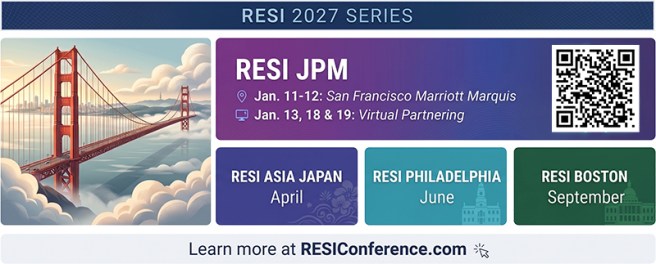
  • RESI June at San Diego 2026 – June 22 (with virtual partnering June 23–24, 29)
  • RESI Boston 2026 – September 22–23 (with follow-up virtual partnering September 25, 28)

Across these events, RESI convenes companies spanning therapeutics, diagnostics, medical devices, digital health, and enabling technologies, alongside venture capital firms, family offices, strategic investors, and corporate partners. Sponsors benefit from consistent brand presence across the series while engaging with a community focused on early-stage innovation and investment readiness.

Why Organizations Sponsor RESI

RESI sponsorship is structured to go beyond logo placement. Sponsors are integrated into the fabric of the conference experience, with benefits that can include:

  • High-visibility branding across pre-event marketing, onsite signage, and digital platforms
  • Exhibit opportunities in high-traffic networking areas during in-person events
  • Thought-leadership placement, including workshops, moderated sessions, and published articles distributed to LSN’s global audience
  • Targeted networking and partnering, supported by RESI’s proprietary matchmaking platform
  • Post-event attendee access, enabling meaningful follow-up with investors, founders, and decision-makers

Tiered sponsorship options allow organizations to align their level of involvement with specific business development, visibility, or ecosystem-building goals, while optional add-ons provide further customization.

Who Benefits from Sponsoring RESI

RESI sponsorship is designed to support a wide range of organizations across the life science ecosystem. Sponsors consistently report value not only in exposure, but in the relevance and quality of connections made.

Service Providers
CROs, CDMOs, legal, IP, regulatory, manufacturing, data, and commercialization services (e.g., McDermot Will & Emery, Biometas)

  • Direct access to early-stage companies actively building pipelines and seeking partners
  • Visibility among founders, executives, and investors at key decision-making stages
  • Opportunities to demonstrate expertise through workshops, articles, and curated sessions

Organizations such as Medmarc exemplify the value of sustained participation. Their consistent presence across multiple RESI conferences has helped establish familiarity and trust with early-stage companies, positioning them as a known and credible partner as those companies progress from formation through later stages of growth.

Regional Organizations and Innovation Hubs
Economic development groups, accelerators, incubators, trade organizations, and government-backed initiatives (past sponsors include Brisbane Economic Development Agency (BEDA), Kobe Biomedical Innovation Cluster, (KBIC) and Israel Export Institute (IEI))

  • A global platform to showcase regional ecosystems and portfolio companies
  • The ability to host demo days, pitch sessions, or dedicated tracks aligned with regional priorities
  • Increased international exposure to investors and strategic partners

Investors and Strategic and Corporate Partners
Venture capital, corporate venture, family offices, and strategic partners (past sponsors include, Muscular Dystrophy Association (MDA), Johnson & Johnson Innovation JLABS, and Eli Lilly)

  • Targeted visibility among investment- or partnering-ready startups across multiple modalities
  • Access to curated partnering and company intelligence through the RESI platform
  • Opportunities to participate in panels, pitch sessions, and thought-leadership programming
  • Structured environments for scouting, relationship-building, and ecosystem engagement
  • Brand alignment with a trusted, innovation-focused conference series

Sponsor Spotlight: How Organizations Activated Their Presence at RESI JPM 2026

While RESI JPM 2026 has already taken place, it provides a strong example of how sponsors can actively engage with the RESI platform — not just through visibility, but through programming and participation that creates tangible value.

One notable example is Kobe Biomedical Innovation Cluster (KBIC), a Gold Sponsor of RESI JPM 2026. KBIC leveraged its sponsorship to host the Kansai Life Sciences Accelerator Program (KLSAP) Demo Day, a dedicated session that highlighted emerging life science companies from its accelerator cohort.

Through this activation, KBIC provided startups with direct access to international investors and strategic partners, while reinforcing its role as a global connector within the life science innovation ecosystem. Rather than serving as a passive sponsor, KBIC used the RESI platform to advance its mission, support portfolio companies, and foster cross-border collaboration.

Similarly, Trillium BIO capitalized on both the high foot traffic generated by its exhibit booth and RESI’s partnering platform to schedule a large number of targeted meetings for its team. By combining in-person visibility with structured partnering, Trillium BIO maximized engagement efficiency and ensured meaningful conversations with potential clients and partners throughout the event.

What Successful Sponsors Do Differently

Examples from RESI JPM illustrate several effective sponsorship strategies that carry forward across the 2026 Series:

They integrate into the program.
Sponsors that host workshops, demo days, or curated sessions create natural engagement opportunities and attract aligned audiences.

They align sponsorship with strategy.
Whether the goal is pipeline development, geographic expansion, or investor visibility, effective sponsors use RESI to support broader organizational objectives.

They prioritize connection over exposure alone.
By leveraging partnering tools, curated meetings, and live engagement opportunities, sponsors maximize the quality of interactions — not just the quantity.

Looking Ahead

As the RESI 2026 Series continues across Europe and the United States, sponsors can build sustained visibility while actively shaping conversations at the forefront of life science innovation. The success of sponsor activations at past events demonstrates that RESI is not simply a conference series but a platform for meaningful engagement, partnership building, and long-term impact within the global life science community.

For more information about sponsorship opportunities across the RESI 2026 Series, contact us at sales@lifesciencenation.com. We look forward to discussing your needs and exploring how RESI can support your goals.