Myonerv: RESI London Innovator’s Pitch Challenge Winner Advancing Stroke Rehabilitation

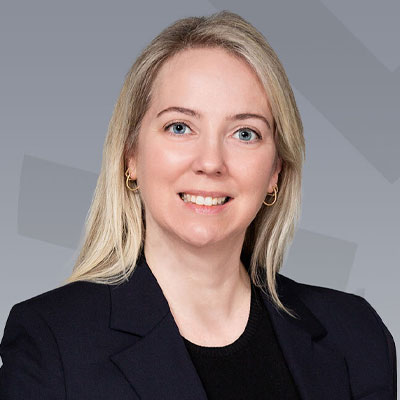
Interview with Sam Kamali, CEO of Myonerv

Myonerv is developing a new approach to stroke rehabilitation that aims to expand access to intensive, effective therapy beyond the clinic. Following their recent win at the Innovator’s Pitch Challenge at RESI London, the team is advancing a wearable neurotechnology designed to help patients regain upper-limb movement through intention-driven stimulation and remote clinical support. We spoke with Myonerv to learn more about the problem they are addressing, their technology, and what comes next as they move toward clinical trials and global partnerships. 

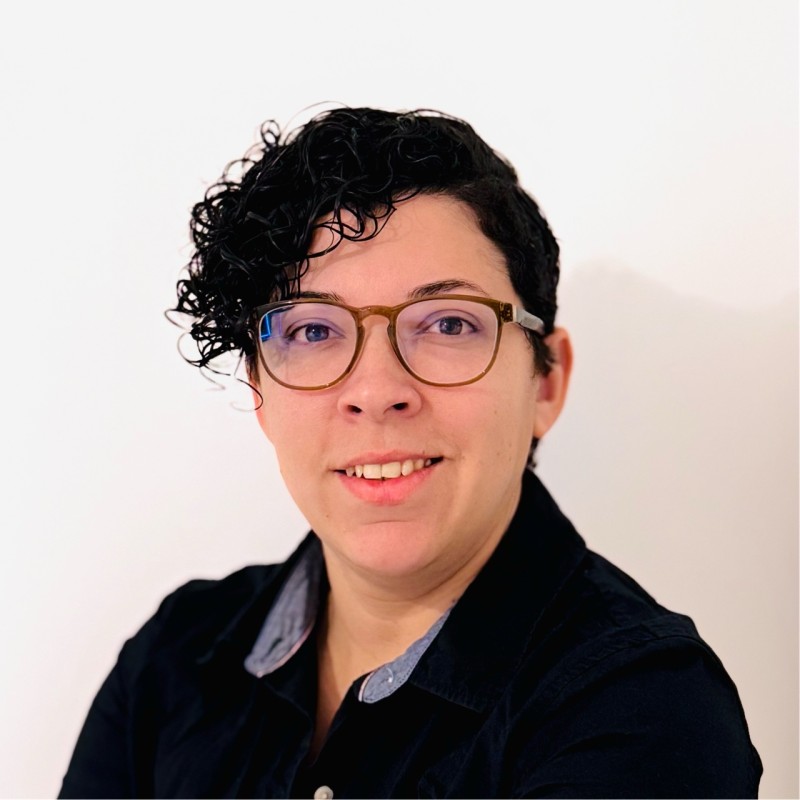
Sam Kamali
CaitiCaitlin Dolegowski

Caitlin Dolegowski (CD): For readers who may be new to Myonerv, how do you describe the company’s mission and core technology?

Sam Kamali (SK): Myonerv is a breakthrough British neurotechnology solution designed to transform stroke rehabilitation through an active, remote-operated wearable medical device that restores movement in patients with post-stroke upper-limb paralysis (paresis). A wearable, non-invasive neurostimulator that helps retrain movement after stroke by detecting a patient’s intention to move and delivering targeted electrical stimulation to augment that movement. This “closed-loop” approach is supported by scientific evidence showing that synchronising stimulation with a person’s voluntary effort can enhance neuroplasticity – the brain’s ability to rewire and relearn lost movements.

Unlike traditional electrical stimulators, Myonerv uses flexible bioelectronic materials to create soft, reusable electrodes that conform comfortably to the arm. The system is designed to be lightweight, easy to apply, and suitable for both clinical and home environments. It will also allow therapists to monitor progress and support patients remotely, helping expand rehabilitation capacity without increasing staff burden.

CD: What problem are you addressing, and why is now the right time for your approach?

SK: Partial paralysis after a Stroke affects 70% of all survivors, approximately 900,000 new patients annually in the UK, DACH and USA. Despite clear evidence that intensive, early, and consistent rehabilitation improves outcomes, most patients in the UK receive only 45 minutes of therapy per day in hospital and as little as 1 hour per week after discharge – far below nationally recommended 3 hours per day. We believe the resulting “plateau” in stroke recovery is not biological, but due to the lack of therapy access and intensity.

Myonerv directly addresses this challenge by developing a first-in-class wearable, closed-loop neurostimulator that enables continuous, intention-driven rehabilitation both in-clinic and at home. It combines bioelectronic sensing, software-assisted control loops, reusable polymer electrodes and remote therapist connectivity (capabilities not currently available in NHS or international markets). The innovation advances beyond the state of the art in its miniaturisation, accuracy, sustainability, and ability to extend clinical rehabilitation into the community setting.

CD: What stood out most to you about competing in—and winning—the Innovator’s Pitch Challenge at RESI London?

SK: “It’s so refreshing to hear such a good pitch, after such a long time”. These were the words that stuck with us from our judge, Soyoung Park, General Partner at 1004 Ventures.

This echoed the depth of excitement from investors throughout the event. The judges and audience deeply understood both the clinical problem and the commercial challenge of scaling medical technologies within healthcare systems. People were enthusiastic about the prospect of a remote-controlled rehabilitation device that can exponentially increase the amount of therapy received by patients. Winning wasn’t just validation of the technology - it was validation of the need and our ability to change the state of healthcare worldwide.

CD: How has the exposure from RESI London impacted conversations with investors or strategic partners so far?

SK: RESI London has materially accelerated conversations. Since the event, we’ve seen increased inbound interest from international investors and strategic partners across Europe and the US, particularly those focused on neurotechnology, digital health, and rehabilitation.

The win has acted as a strong credibility signal – shortening diligence cycles and shifting discussions toward clinical milestones, regulatory strategy, and partnership structures rather than basic validation. It has also opened doors to potential manufacturing and healthcare delivery partners who see Myonerv as an international platform, not just a single product.

CD: Where is Myonerv currently in terms of fundraising or partnership strategy?

SK: We have officially opened a £2 million pre-seed priced round. Our strategy is to combine the £215k in non-dilutive funding with targeted private investment to de-risk the technology before scaling. What is promising is that we are receiving non-dilutive funding faster than we can announce it, with a recent admission into the Founders Factory x Innovate UK (Hospital to Home) Biomedical Catalyst Accelerator, which enables a£100k grant for us to perform our first in-patient trials.

This touches on our recent partnership arrangements, as we are working closely with several patient networks and the Cambridgeshire & Peterborough Foundation Trust (CPFT), an NHS Trust overseeing hospital networks across the East of England. CPFT has agreed to sponsor our clinical trials, which fast-tracks the process for trial approvals, recruitment and secure documentation of data. CPFT has shown great enthusiasm in being our first pilot sites for Myonerv. This is only a small part of our partnership arrangements, as we have several more with other hospitals across the UK who have given us Letters of Interest to give Myonerv to 1,200 patients per year once the device is available in the market.

We are now looking to build on the network we have built in Cambridge thanks to the £120k grant won from ARIA as part of Cambridge NeuroWorks, tasked with developing a first-in-class scalable neural interface for the world. Our next step is to visit RESI JPM in San Francisco on January 12th 2026 to create more partnerships with the US network as we look to expand our reach globally.

CD: What milestones are you most focused on over the next 12–18 months?

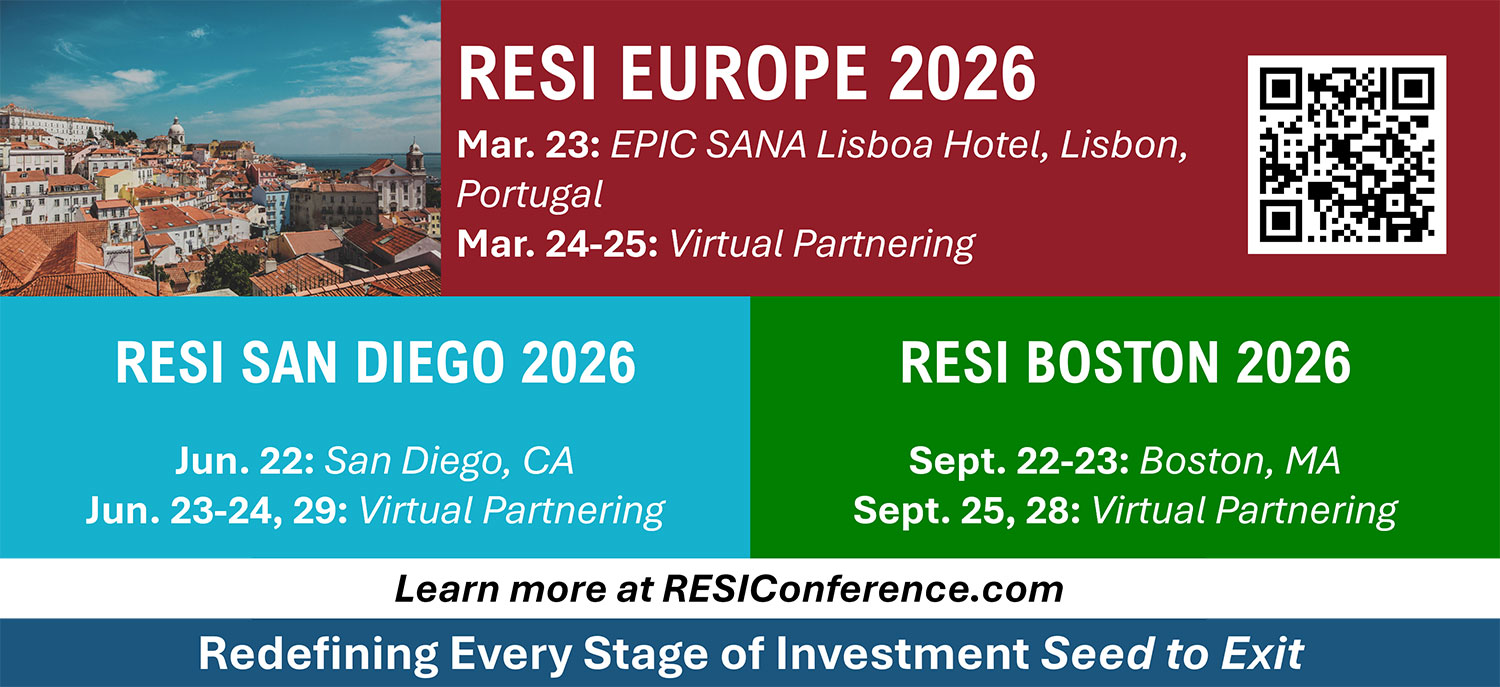
SK: Our primary focus is delivering on the tech. We are currently finalizing our functional prototype with the Manufacturing Technology Centre, a major UK-based factory, to test on participants with approvals from the University of Cambridge. Our shiny new prototype will be ready in time for an exciting Myonerv demo at RESI Europe in Lisbon, on 23rd March 2026!

We are then looking to build on this to develop a TRL6/7 alpha device and completing a feasibility clinical study in stroke survivors. In parallel, we are advancing our regulatory pathway, quality management systems, and health-economic evidence to support adoption by healthcare providers. Having secured regulatory and commercial partners who will help navigate our pathway through into international markets.

We are simultaneously focused on strengthening manufacturing readiness, expanding our clinical and patient engagement network, and closing our pre-seed round. Together, these milestones position Myonerv for scale - clinically, commercially, and globally.

Apply to Pitch at RESI Europe 2026

TrilliumBiO at RESI JPM: Advancing Biomarker Discovery into Patient-Ready Diagnostics 

Interview with Laura Vivian, CEO of TrilliumBio

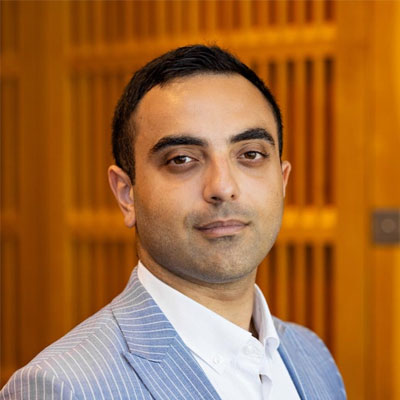
Laura Vivian
CaitiCaitlin Dolegowski

Caitlin Dolegowski (CD): Could you introduce TrilliumBiO and share your core focus areas in life sciences? 

Laura Vivian (LV): TrilliumBiO is a biomarker discovery company specializing in the development and commercialization of novel diagnostic tests to translate scientific discoveries into real-world clinical impact.  

The company has launched over 100 assays, collaborates with partners domestically and internationally, and processes over 500,000 samples annually through a multi-accredited, CLIA-certified laboratory. We work with industry innovators in biotech and pharma, as well as academic medical centers, foundations, and patient advocacy groups. Headquartered in Maryland, just outside Washington, D.C., we operate within the nation’s third-largest biopharma hub. Our multidisciplinary leadership team brings decades of experience delivering value to patients and partners.

Our core focus is expanding access to critical areas of testing that align with emerging therapeutics and scaling diagnostic solutions that support the development and adoption of new treatments.

CD: What types of early-stage companies or technologies are you most interested in meeting at RESI?                                                                                                     

LV: First, we are excited to be able to sponsor RESI JPM 2026 and be part of this great community. Thank you for having us. 

We believe we are ideally positioned at the intersection of the life sciences ecosystem to create enormous value for our partners. We’re especially interested in engaging with companies advancing novel therapeutics and diagnostics, investors seeking biomarker and clinical diagnostic expertise for their portfolio companies, and organizations with technologies to in-license or co-develop. Our team brings speed, efficiency, and deep expertise in biomarker strategy and development to help accelerate that journey. 

CD: What are some of the key scientific or commercial challenges your team is focusing on solving in the coming year? 

LV: At TrilliumBiO, we see ourselves as partners from discovery through delivery, working alongside our clients across R&D, regulatory milestones, and clinical use. That partnership means solving critical barriers that often slow diagnostic development, limit patient access, and delay therapeutic approvals.

We’re not only able to bring new assays to market; we also scale testing volume and accelerate the commercialization of existing assays. Our regulatory expertise and audit readiness gives partners confidence that FDA submissions will succeed, ensuring progress isn’t stalled by compliance hurdles.

Education is foundational to our work, strengthening disease awareness among both patients and providers. With the support of more than 15,000 in our physician network, we make sure that every test result is clinically meaningful and actionable.

CD: Is there anything you’d like the RESI community to know about TrilliumBiO’s mission or upcoming milestones? 

LV: We recently announced a strategic partnership with Oncobit, an international leader in precision oncology, to bring advanced monitoring solutions for uveal melanoma, including molecular residual disease (MRD) testing, to the U.S. We’re also preparing awareness initiatives around rare diseases like lymphangioleiomyomatosis (LAM), supported by our VEGF-D assay, and blood-based biomarkers that enable earlier detection of Alzheimer’s disease. Our mission is to advance diagnostics that make a meaningful difference in patient care.

The RESI community should stay tuned, as we’ll be sharing more about these milestones and others soon.

CD: Are there any recent accomplishments that you want us to highlight? (Awards, Grants, FDA Approvals, Social Corporate Responsibility programs, etc.) 

LV: We were honored to be named a finalist for the Emerging Life Sciences Company of the Year at the 2025 ICON Awards presented by the Maryland Tech Council, recognizing innovation and impact in the state of Maryland’s life sciences sector. Building on that momentum, we secured FDA approval for a rare disease direct to consumer test within just six months, a milestone that reflects our ability to rapidly translate discovery into patient-ready diagnostics. Alongside these achievements, we continue to strengthen partnerships with patient advocacy groups, ensuring that our breakthroughs are paired with meaningful support for the communities we serve.

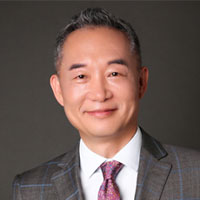
From RESI Boston to Global Growth: Bilix on Winning the Innovator’s Pitch Challenge

Myung Kim
  CaitiCaitlin Dolegowski

Bilix, recognized as a top Innovator’s Pitch Challenge winner at RESI Boston this past September, is making waves in the biotech space with its innovative multi-modality approach to inflammatory and autoimmune diseases. In this interview, Myung Kim, Founder and CEO, shares how participating in RESI Boston helped the company connect with key investors, refine its strategy, and advance its clinical milestones.

Hear firsthand how Bilix is driving progress in complex disease treatment and discover how your company can join the next generation of innovators pitching at RESI London and RESI JPM. Applications are now open.

Apply to Pitch at RESI London Apply to Pitch at RESI JPM