Investors Presenting at RESI San Diego

By Claire Jeong, Chief Conference Officer, Vice President of Investor Research, Asia BD, LSN

The Life Science Nation (LSN) team is gearing up for the highly anticipated RESI San Diego conference, bringing together investors, strategic partners, and early-stage life science innovators for a full day of insightful discussions and high-value networking during Convention Week.

This year’s panel lineup will explore some of the most important trends shaping early-stage healthcare investment and partnering, spanning pharma, medtech, diagnostics, oncology, AI, and venture financing. Attendees can expect perspectives from venture capital firms, corporate venture groups, pharmaceutical companies, strategics, and experienced healthcare investors actively evaluating emerging opportunities across the life science landscape.

As a global partnering conference focused on connecting early-stage companies with investors and strategic partners, RESI San Diego is designed to foster meaningful conversations between fundraising CEOs and active dealmakers. The panels will provide tactical insight into how investors assess opportunities, what strategic partners are looking for, and how companies can position themselves in today’s increasingly competitive fundraising environment.

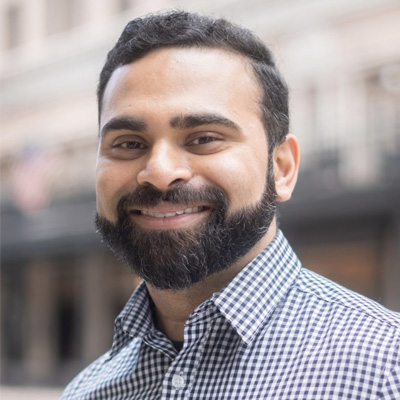
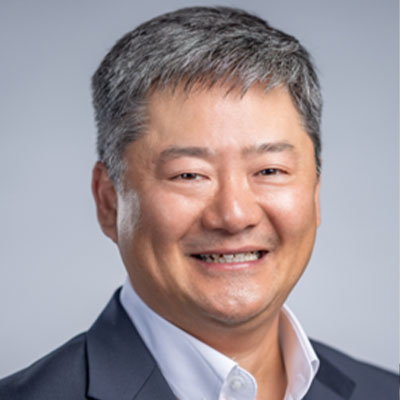
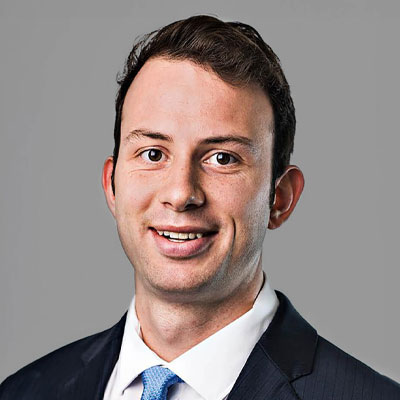
Join the panelists below at RESI San Diego:

Friedemann-Janus
Friedemann Janus

Bayer
Shiv-Krishnan
Shiv Krishnan

Daiichi Sankyo Co., Ltd.
Eva-Dahlen
Eva Dahlén

Novo Nordisk
Yaron-Daniely
Yaron Daniely

aMoon Fund
Claudia-Generaux
Claudia Generaux

Bristol Myers Squibb
Lana Ghanem
Lana Ghanem

Hikma Ventures
Kit-Law
Mankit Law

GlaxoSmithKline (GSK)
Debbie-Lin
Debbie Lin

T.Rx Capital
Priya-Balachandran
Priya Balachandran

Life Science Angels
Andrew-Strong
Andrew Strong

Cancer Focus Fund
Randy-Berholtz
Randy Berholtz

Mesa Verde Venture Partners
Gunes-Bozkurt
Gunes Bozkurt

Beiersdorf
Damian-Carvajal-Ibanez
Damian Carvajal Ibanez

Debiopharm
Nicolas-Cindric
Nicolas Cindric

Yahara Ventures
Han-Dai
Han Dai

Viva BioInnovator
Luca-Giani
Luca Giani

Alumni Ventures
Sam-Gussman-Toh
Sam Gussman-Toh

ARPA-H
Ole-Henrik-Bang-Andreasen
Ole Henrik Bang Andreasen

Avant Bio
Rohit-Jain
Rohit Jain

HBS Alumni Angels of Northern California
Ray-Jordan
Ray Jordan

Elmstead Holdings
Mohsin-Khan
Mohsin Khan

Fortress Biotech
Cheryl-Kuai
Cheryl Kuai

Sixty Degree Capital
Don-Lin
Don Lin

Guoqian Venture Capital Investment
Andrew-Merken
Andrew Merken

Polsinelli PC
Ralph-Morales
Ralph Morales III

Aquillius Ventures
Nick-Mourlas
Nick Mourlas

ReefHaven Ventures
Mahesh-Narayanan
Mahesh Narayanan

Neuvation Ventures
Stephanie-Oestreich
Stephanie Oestreich

Myeloma Investment Fund
Soyoung-Park
Soyoung Park

1004 Venture Partners
Preetha-Ram
Preetha Ram

Pier 70 Ventures
Bob-Sweeney
Bob Sweeney

Global Health Impact Fund
Divya-Yerraguntla
Divya Yerraguntla

Life Science Angels
Chris-Yoo
Chris Yoo

Xcellerant Ventures
Register for RESI San Diego

INNOPOLIS Jeonbuk, Title Sponsor of RESI San Diego 2026, to Host Jeonbuk Advanced Bio Boost-Up Innovation Showcase

By Claire Jeong, Chief Conference Officer, Vice President of Investor Research, Asia BD, LSN

Life Science Nation (LSN) is pleased to announce the INNOPOLIS Jeonbuk as a Title Sponsor of RESI San Diego 2026.

As part of the Jeonbuk Advanced Bio Boost-Up Platform initiative, INNOPOLIS Jeonbuk will host the Jeonbuk Advanced Bio Boost-Up Innovation Showcase at RESI San Diego on Monday, June 22, 10:00am – 12:00pm, featuring innovative life science companies from South Korea. The showcase aims to highlight emerging Korean biotech and healthcare technologies while connecting participating companies with global investors, strategic partners, and commercialization opportunities.

The Jeonbuk Advanced Bio Boost-Up Platform initiative is supported by the Ministry of Science and ICT of Korea and the Korea Innovation Foundation (INNOPOLIS Foundation), with the goal of strengthening Jeonbuk’s position as a global bio innovation hub. Through this initiative, regional startups and emerging companies are being supported in their efforts to expand internationally and engage with the global life science ecosystem.

South Korea has rapidly emerged as one of Asia’s leading biotechnology and healthcare markets, supported by strong scientific talent, advanced manufacturing capabilities, and increasing government investment in innovation. Within this landscape, Jeonbuk is actively developing its bio industry through strategic support for therapeutics, medical devices, digital health, diagnostics, regenerative medicine, and advanced biomanufacturing.

Participating companies include:

WittGen Biotechnologies – developer of a GenAI-based single-cell multi-omics simulation platform focused on oncology, immunology, and rare diseases.


Cellebrain – advancing MSC-based gene delivery technologies for oncology, fibrosis, and rare disease applications.


Youth Bio Global – developing allogeneic ECFC-based regenerative cell therapy platforms targeting vascular regeneration and ischemic diseases.


Erudio Bio Korea – developer of semiconductor-based multiplex diagnostic and AI molecular analysis technologies for preventive screening and oncology applications.


BASGENBIO Co., Ltd. – an AI-driven drug discovery company focused on target discovery and preclinical decision-support technologies.


VIEL-T Co., Ltd. – developing programmable RNA therapeutics platforms for next-generation precision medicine applications.

In connection with the initiative, INNOPOLIS Jeonbuk recently hosted the Global Investment Attraction Strategy & IR Capability Enhancement Seminar on May 21, 2026, at the Jeonbuk Techno Business Center in South Korea. The seminar brought together regional biotech companies, ecosystem stakeholders, and industry experts to discuss global fundraising strategies, investor engagement, and international commercialization opportunities for Korean life science companies.

As part of the program, Life Science Nation (LSN) shared insights on:

  • Global fundraising and investor outreach strategies
  • Building effective IR and partnering pipelines
  • Preparing Korean startups for international investors and markets
  • Opportunities through RESI and the global LSN ecosystem

The event also included the signing of a Memorandum of Understanding (MOU) between LSN and BSR Korea to strengthen collaboration in supporting Korean biotech and healthcare companies seeking global expansion and cross-border partnership opportunities.

Through the showcase at RESI San Diego 2026, INNOPOLIS Jeonbuk seeks to strengthen cross-border collaboration and provide Korean startups with greater access to global capital and partnering opportunities.

The program will feature:

  • An introduction to the Jeonbuk bio ecosystem and the Jeonbuk Advanced Bio Boost-Up Platform initiative
  • Startup pitches from participating Korean life science companies
  • Investor and industry expert feedback sessions
  • Networking opportunities with global investors and strategic partners

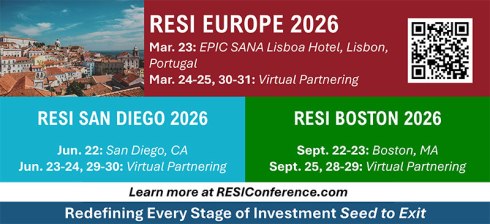
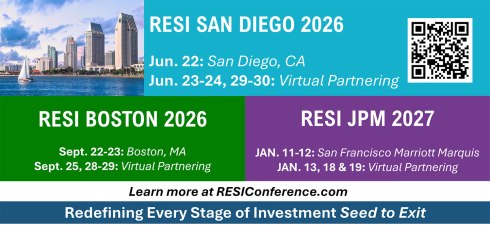
RESI San Diego 2026 will take place on Monday, June 22, at the JULEP Venue in San Diego. Join us for a full day of one-on-one partnering meetings, engaging programming, and the opportunity to build meaningful connections within the global life sciences ecosystem.

About INNOPOLIS Jeonbuk

The INNOPOLIS Jeonbuk is part of Korea’s national innovation cluster network operated by the Korea Innovation Foundation under the Ministry of Science and ICT. Based in Jeonbuk Special Self-Governing Province, the cluster supports the commercialization and global expansion of innovative technologies and startups across the life sciences sector.

Through the Jeonbuk Advanced Bio Boost-Up Platform initiative, the cluster is focused on strengthening regional bio innovation capabilities and supporting Korean life science companies in accessing global investors, strategic partners, and international markets.

As a Title Sponsor of RESI San Diego 2026, the INNOPOLIS Jeonbuk aims to expand global collaboration opportunities for Korean startups and further connect the Korean bio ecosystem with the international life science community.

Register for RESI San Diego

New Frontiers in Diagnostics: Investors Look Toward Earlier Detection and Smarter Disease Monitoring at RESI San Diego 

By Momo Yamamoto, Senior Investor Research Analyst, LSN

At RESI San Diego, the “New Frontiers in Diagnostics: Investing in Technologies Enabling Earlier Disease Detection” panel will bring together investors and industry leaders to explore one of the most rapidly evolving areas in healthcare innovation: diagnostics.

As advances in liquid biopsies, molecular diagnostics, AI-enabled imaging, and point-of-care technologies continue to reshape healthcare, diagnostics are increasingly moving beyond simple detection tools and becoming central to disease prevention, monitoring, and personalized treatment strategies. Earlier and more precise detection has the potential to improve patient outcomes, reduce healthcare costs, and create entirely new models of care delivery.

Meet the Panelists

Priya-Balachandran
Priya Balachandran

Life Science Angels
(Moderator)
Randy-Berholtz
Randy Berholtz

Mesa Verde Venture Partners
Yaron-Daniely
Yaron Daniely

aMoon Fund
Debbie-Lin
Debbie Lin

T.Rx Capital
Soyoung-Park
Soyoung Park

1004 Venture Partners

The panel will examine where investors and strategic partners see the greatest opportunities emerging across the diagnostics landscape, particularly in oncology screening, cardiometabolic disease, and chronic disease monitoring. With healthcare systems placing greater emphasis on prevention and longitudinal patient management, diagnostic companies are facing growing demand—but also increasing pressure to demonstrate meaningful clinical and economic value.

For early-stage companies, the diagnostics space presents unique opportunities alongside complex commercialization challenges. Unlike many therapeutics companies, diagnostics startups must often navigate overlapping clinical validation, reimbursement, regulatory, and adoption hurdles simultaneously. Investors are increasingly looking for companies that can clearly demonstrate clinical utility, integrate effectively into provider workflows, and build compelling reimbursement strategies early in development.

Panelists are expected to discuss the milestones and study designs that help diagnostic companies stand out in a crowded and competitive market. Topics may include generating real-world evidence, designing validation studies that resonate with payers and providers, and establishing partnerships with laboratories, health systems, and pharmaceutical companies to accelerate adoption.

The rise of AI-enabled diagnostics is also expected to play a central role in the conversation. As machine learning tools become more integrated into imaging, pathology, and predictive analytics platforms, investors are paying close attention to how startups validate algorithms, manage regulatory considerations, and demonstrate measurable improvements in clinical decision-making.

Beyond the technology itself, the panel will likely explore broader market trends shaping investor interest in diagnostics. Healthcare systems worldwide continue shifting toward preventative care models, while aging populations and rising chronic disease burdens increase demand for scalable monitoring solutions. In this environment, diagnostics companies capable of delivering actionable insights earlier in the patient journey may be particularly well-positioned to attract strategic partnerships and investment.

For founders attending RESI San Diego, the session offers an opportunity to better understand how investors evaluate diagnostics opportunities in today’s market and what differentiates successful companies from the broader field. From regulatory and reimbursement strategy to commercialization planning and partnership development, the panel aims to provide practical insight into building investable diagnostic platforms in an increasingly competitive healthcare landscape.

The “New Frontiers in Diagnostics” panel is part of RESI San Diego’s broader programming focused on emerging healthcare technologies, investment trends, and strategies for early-stage companies navigating today’s life science funding environment.

Register for RESI San Diego

From Story to Outcome: Exit Risk 

By Dennis Ford, Founder & CEO, Life Science Nation (LSN)

DF-News-09142022

As part of Life Science Nation’s series on converting scientific innovation into investable signal, the final layer of the De-Risk Stack addresses exit risk. (Explore the full series here) After market, technical, regulatory, execution, economic, and financing risks are reduced, the final question becomes clear: how does this become a return?

Exit Risk

From Story to Outcome

At the top of the stack is the question every investor ultimately asks: how does this become a return?

Exit risk is not about predicting a specific transaction. It is about defining a realistic, evidence-based path to liquidity. Without that, even well-executed companies remain difficult to fund across multiple rounds.

This begins with clarity on the most likely exit path, acquisition, licensing, or public markets, aligned with the type of company you are building and the norms of your sector.

From there, you must be able to name a credible buyer universe: specific pharmaceutical, biotechnology, device, or platform companies for whom your asset would represent strategic value. Strategic fit explains why those buyers should care, how your product fills a pipeline gap, extends an existing franchise, enables a new modality, or provides differentiated access to a market.

Timing and value inflection points determine when the asset becomes relevant to those buyers. Clinical data, regulatory milestones, partnership signals, and early commercial traction all influence when interest peaks.

Competitive positioning answers why your asset would be selected over alternatives. Deal structure reality grounds expectations in how transactions are done in your space, including licensing terms, milestones, royalties, and acquisition patterns.

Finally, return potential must align with the expectations of the capital investing in the company. A good company is not always a good investment. The scale and timing of the likely outcome must match the risk and capital required to get there.

Exit risk is resolved when the company presents a credible path from development to liquidity, with clear buyers, clear triggers, and realistic structures.

Core Elements of Exit Risk

  • Exit path clarity
  • Buyer universe
  • Strategic fit
  • Timing
  • Value inflection points
  • Competitive positioning
  • Deal structure reality
  • Return potential

Sequence and Progression

These risks do not resolve independently. The order in which they are addressed determines outcome.

Market clarity precedes technical validation. Technical validation precedes regulatory definition. Regulatory definition precedes scaled execution. Execution enables economic validation. Economic validation supports structured financing. Financing makes an eventual exit possible.

When this sequence is followed, uncertainty is reduced efficiently and value compounds. When it is not, capital is consumed without progress and even strong assets can stall.

From Risk to Signal

The purpose of de-risking is to generate signal.

Investors do not fund ideas; they fund signal, coherent, cross-validated evidence that enough uncertainty has been removed to justify action. Each layer of the stack produces a different class of signal: market signal, technical signal, regulatory signal, execution signal, economic signal, financing signal, exit signal. As these accumulate and align, an opportunity becomes not just understandable, but investable.

Fundraising, in this view, is not persuasion. It is the systematic production and communication of signal.

Implications

For founders, progress is defined by the reduction of uncertainty, not by the volume of activity or the length of the roadmap.

For investors, the De-Risk Stack provides a structured framework for evaluation, what is resolved, what remains unresolved, and what must be proven next.

For ecosystems, it highlights the missing infrastructure between innovation and capital: shared standards, de-risking platforms, and operating systems that help assets move through this process more reliably.

From Framework to System

The De-Risk Stack defines how life science companies become investable. Implementation defines how that process is executed.

At the company level, this means shaping opportunities deliberately, targeting specific layers of risk, executing against clear milestones, and running structured fundraising campaigns.

At the ecosystem level, it means building infrastructure that can systematically identify, assess, and advance assets through the stack, so promising technologies do not stall for avoidable reasons.

When applied consistently, the De-Risk Stack becomes more than a framework. It becomes a system for converting scientific innovation into investable opportunity.

Closing

The challenge in life science is not discovery. It is the disciplined conversion of discovery into investable signal.

De-Risking, Signal, and Investability Series:

  1. The Problem Is Not the Science: A Seven-Part Series on De-Risking, Signal, and Investability
  2. Technical Risk – From Belief to Evidence
  3. From Proof to Approval: Regulatory Risk
  4. From Plan to Progress: Execution Risk
  5. From Progress to Viability: Economic Risk
  6. From Viability to Capital: Financing Risk
  7. From Story to Outcome: Exit Risk

From Viability to Capital: Financing Risk 

By Dennis Ford, Founder & CEO, Life Science Nation (LSN)

DF-News-09142022

As part of Life Science Nation’s series on converting scientific innovation into investable signal, the focus now shifts to financing risk. After establishing market need, technical proof, regulatory clarity, execution capability, and economic viability, the next question becomes whether the company can actually secure the capital required to move forward.

Financing risk is where opportunity must become an investable campaign. It is not about whether capital exists, but whether a company can access it in a structured, disciplined way that aligns with how risk is being reduced, and whether the capital required to reach market is a financially viable prospect.

This article examines how companies define capital requirements, link funding to milestone-driven progress, align with the right investors, and build a credible fundraising strategy.

From syndicate formation to campaign execution and timing, this layer of the De-Risk Stack determines whether capital follows signal—or stalls in uncertainty.

Financing Risk

From Opportunity to Investable Campaign

Once a clear plan exists and economic logic is credible, the question becomes whether capital can be raised to support execution at each stage.

Financing risk is not about whether capital exists. There is significant capital available globally for life science. The real question is whether your company can access it in a disciplined and repeatable way that matches how risk is being reduced.

This starts with capital requirement clarity. You need to know how much capital is required to reach the next set of milestones, based on your actual operating plan, not a generic estimate. If milestones are unclear, capital requirements will be too.

Next is the linkage between capital and milestones. Every dollar raised should be tied to the removal of specific risks and the creation of specific signals. Investors are not funding time; they are funding progress.

Stage alignment and investor fit determine which capital you should pursue. Different investors specialize in different stages, risk profiles, and modalities. Misalignment here leads to wasted time and damaged narratives.

Most meaningful rounds require syndicate formation. That means identifying a plausible lead and realistic co-investors, and understanding their incentives and constraints.

Fundraising itself must be approached as a structured campaign, not a series of disconnected meetings. That includes building a sufficiently large and relevant investor universe, sequencing outreach, managing follow-up, and maintaining momentum over time.

Timing closes the loop. Capital must be raised when sufficient progress has been made to justify the next step, but before the company is under acute pressure. Raising too early or too late increases risk and narrows options. Additionally, accepting a bad deal can have a negative impact on future rounds, with potential investors backing out due to unfavorable terms.

Financing risk is resolved when capital follows the systematic reduction of risk—when each round is underpinned by new signal rather than hope.

Core Elements of Financing Risk

  • Capital requirement clarity
  • Linkage between capital and milestones
  • Stage alignment
  • Investor fit
  • Syndicate formation
  • Fundraising strategy
  • Campaign execution
  • Timing

Next in the series: Exit Risk — Defining the Path to Liquidity

Previous Articles:

  1. Technical Risk – From Belief to Evidence
  2. The Problem Is Not the Science: A Seven-Part Series on De-Risking, Signal, and Investability
  3. From Proof to Approval: Regulatory Risk
  4. From Plan to Progress: Execution Risk
  5. From Progress to Viability: Economic Risk

Crossing the Venture Gap at RESI San Diego 2026 

By Momo Yamamoto, Senior Investor Research Analyst, LSN

For early-stage life science companies, securing seed capital is often only the first step. The greater challenge is successfully transitioning from early fundraising into institutional venture rounds, a critical phase where companies must prove not only the strength of their science or technology, but also their ability to deliver meaningful milestones, manage capital strategically, and build toward scalable growth.

At RESI San Diego 2026, this pivotal transition will be the focus of the panel discussion “Crossing the Venture Gap: Moving from Seed Funding to Venture Rounds,” scheduled for 4:00 PM as part of the conference’s investor programming.

This session will examine how companies can position themselves for larger venture rounds in a more demanding capital environment. Panelists will discuss what investors now expect from companies seeking their first significant institutional financing, including the level of scientific validation, regulatory planning, commercial readiness, and operational maturity required to stand out. The conversation will also address how founders can build credible leadership teams and boards, structure capital strategy effectively, and present a compelling long-term vision that aligns with near-term execution.

The panel features an experienced group of venture investors and strategic leaders actively engaged in funding and evaluating emerging life science companies:

Mahesh Narayanan
Mahesh Narayanan

Neuvation Ventures
Nicolas-Cindric
Nicolas Cindric

Yahara Ventures
Preetha-Ram
Preetha Ram

Pier 70 Ventures
Chris-Yoo
Chris Yoo

Xcellerant Ventures
Bob-Sweeney
Bob Sweeney

Global Health Impact Fund
Ole-Henrik-Bang-Andreasen
Ole Henrik Bang-Andreasen

Avant Bio

Together, these panelists bring valuable perspectives on what it takes for startups to successfully move beyond seed-stage financing and into larger venture-backed growth.

For founders preparing for this next stage, the session offers practical insight into how investors assess risk, evaluate progress, and identify companies with the strongest potential for long-term success.

RESI San Diego 2026 provides a concentrated environment for early-stage companies to engage with investors, strategic partners, and industry stakeholders through targeted partnering, educational programming, investor panels, and pitch opportunities. With five days of partnering, access to active investors across the 4Ds, and specialized programming designed around early-stage fundraising and growth, the conference remains focused on helping companies navigate the realities of capital formation in life sciences.

Early bird rates are currently available through May 8, offering discounted access for companies looking to maximize both strategic insights and investor engagement opportunities at one of the sector’s leading partnering events.

Register for RESI San Diego

From Progress to Viability: Economic Risk 

By Dennis Ford, Founder & CEO, Life Science Nation (LSN)

DF-News-09142022

As part of Life Science Nation’s series on converting scientific innovation into investable signal, the focus now shifts to economic risk. After market, technical, regulatory, and execution risks are addressed, the next question becomes whether the product creates enough real-world value to support sustainable adoption.

Economic risk is where value must become viability. Even if a product works and can be approved, it must still fit within the financial realities of healthcare systems, payers, providers, and patients.

This article examines how companies define and validate their economic case through value proposition, pricing strategy, reimbursement pathways, health economic impact, and competitive positioning.

From proving clinical benefit to demonstrating sustainable commercial value, this layer of the De-Risk Stack determines whether innovation can succeed not just scientifically—but economically.

Even if a product works and can be approved, it must still make economic sense within the healthcare systems that will use and pay for it.

Economic risk is often treated as secondary to clinical and technical considerations. In practice, it frequently determines whether adoption occurs at scale and whether the business is sustainable.

The core question is whether the product creates value that is recognized, fundable, and durable.

This begins with the value proposition. The product must deliver a meaningful clinical or economic benefit that is understood by payers, providers, and health systems. The value must be evidence-based, not speculative.

Pricing strategy must then align with that value while remaining acceptable within system constraints. A product priced far above perceived value will struggle; a product priced too low to sustain the business simply moves risk downstream.

A viable reimbursement pathway is essential. This means understanding existing codes, coverage policies, and benefit designs, and knowing whether the product fits into current structures or requires new ones to be established.

Health economic impact and budget impact analyses translate the value story into system terms. Products that improve outcomes at acceptable or lower cost are easier to adopt; products that create near-term budget spikes can face resistance even if they are cost-effective in the long run.

Adoption economics define why providers would choose this product. That includes workflow impact, revenue implications, and perceived risk for clinicians and institutions. Competitive economics compare the full economic case—including acquisition cost, utilization, and downstream impact—against available alternatives.

Economic risk is resolved when the product creates clear, measurable, and fundable value within the actual economic and budget constraints of the system.

Core Elements of Economic Risk

  • Value proposition
  • Pricing strategy
  • Reimbursement pathway
  • Health economic impact
  • Budget impact
  • Adoption economics
  • Competitive economics

Next in the series: Financing Risk — From Opportunity to Investable Campaign

Previous Articles:

  1. Technical Risk – From Belief to Evidence
  2. The Problem Is Not the Science: A Seven-Part Series on De-Risking, Signal, and Investability
  3. From Proof to Approval: Regulatory Risk
  4. From Plan to Progress: Execution Risk