Hot Investor Mandate: Seed Stage Investor Focuses on Pre-Clinical Drug Discovery Companies in CNS, Oncology, and Other Indications, Supporting Them for Clinical Readiness

A venture capital investor primarily makes angel investments in seed-stage companies and works hands-on with portfolio companies to facilitate regulatory approval and commercialization. Typical initial check size is in the $500–750K range, with tranche investments possible beyond this amount. The firm is open to global opportunities. 

The firm focuses on therapeutics companies in the early stages of drug discovery and development. Current areas of interest include CNS and neurodegenerative diseases, oncology, and pulmonary diseases pursued with novel approaches. While the firm works primarily with pre-clinical opportunities, it may consider other indications from time to time. 

The firm’s long-term strategy is to help companies progress toward Phase II readiness for pre-clinical assets. With broad expertise in regulatory and toxicology matters, the firm takes a hands-on approach to supporting portfolio companies. 

If you are interested in more information about this investor and other investors tracked by LSN, please email salescore@lifesciencenation.com. 

Experience the Innovation at RESI Boston 2025! 

By Claire Jeong, Chief Conference Officer, Vice President of Investor Research, Asia BD, LSN

The Innovator’s Pitch Challenge (IPC) is a highlight of RESI Boston, bringing early-stage life science startups into the spotlight. Finalists will present across multiple sessions, showcasing breakthroughs in therapeutics, medical devices, diagnostics, digital health solutions, and R&D tools. Each pitch is delivered to a panel of active investors and industry experts who provide interactive questions and constructive feedback, while attendees also get a front-row seat to see the next wave of healthcare innovation.

RESI attendees are more than just spectators; they play an active role in the competition by “investing” their RESI cash in the companies they believe in most. This unique format allows the community to engage directly with the innovators, and the winners are revealed after the votes are tallied during the closing cocktail reception.

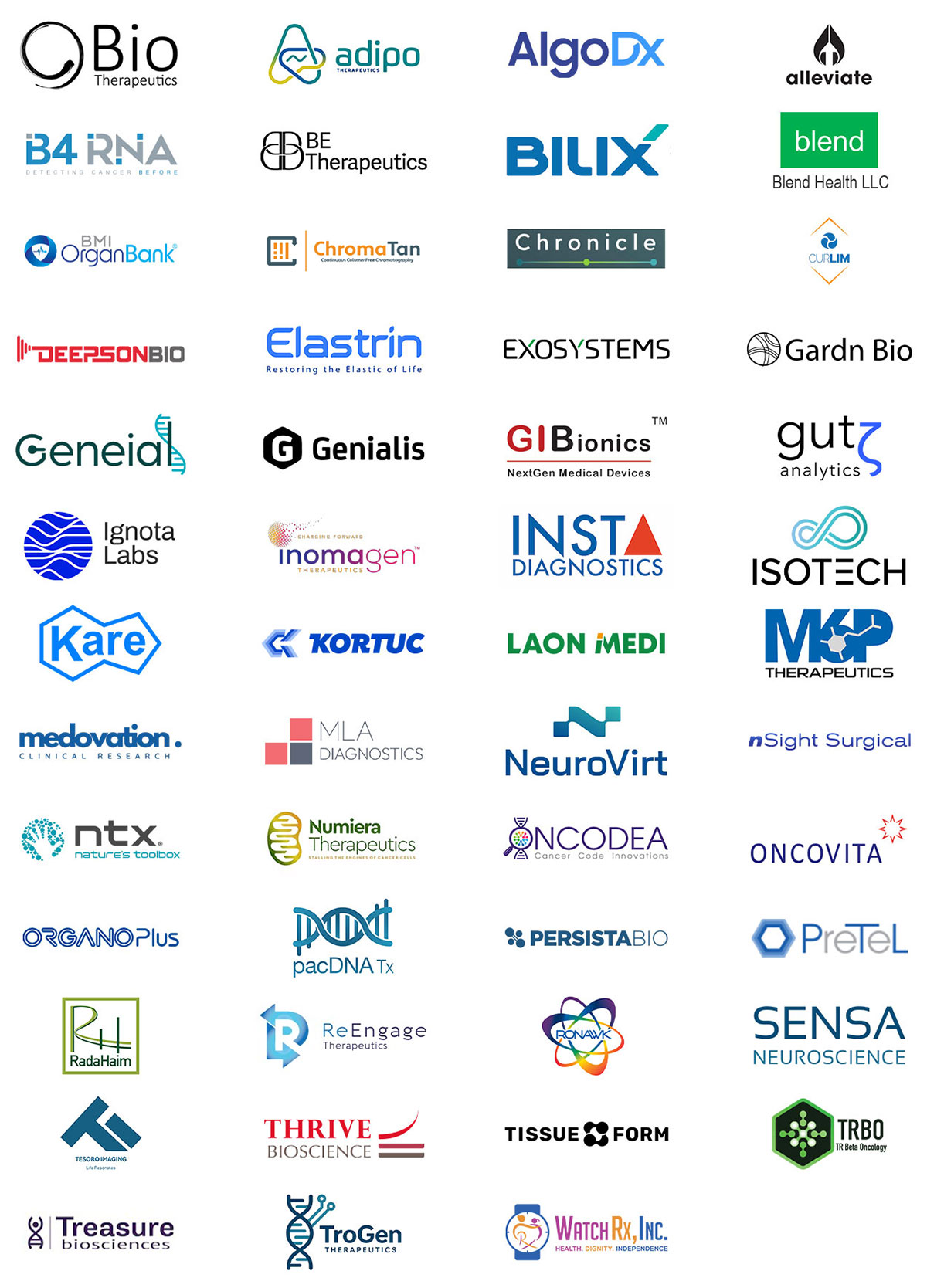
IPC participants also benefit from one-on-one partnering, exhibit space in the RESI Exhibition Hall, and the chance to compete for complimentary registration at future RESI conferences. Here are the presenting companies at RESI Boston September:

While applications to the IPC are now closed, you can still register for RESI Boston September 2025 to take part in everything the conference has to offer — from casting your vote in the IPC, to connecting with investors, attending panels and workshops, and making valuable new partnerships.

Hot Investor Mandate: Corporate Venture Arm of Global Manufacturing Company Makes Strategic Investments in Medical Devices, Diagnostics, and Biomanufacturing

A global manufacturing company operates across a wide range of industries, including analytical, medical, and industrial equipment. In recent years, the firm has placed a strong focus on healthcare, particularly in clinical diagnostics and biomanufacturing. 

A few years ago, the firm established a corporate venture capital (CVC) division to seek strategic partnerships with companies that possess cutting-edge technologies aligned with its business areas.  

The firm has invested in companies across the U.S., Canada, and Asia and is actively looking to expand its portfolio. While the CVC primarily targets investments in Seed to Series A rounds, it may also consider Series B opportunities. Typical check sizes range from $1 million to $5 million USD, though larger investments are possible for particularly promising technologies. 

Within healthcare, the firm is seeking opportunities in clinical diagnostics, medical devices, and biomanufacturing. The firm is open to not only hardware but also consumables and software solutions. 

To attract investment from the CVC, having a lead investor is desirable. 

If you are interested in more information about this investor and other investors tracked by LSN, please email salescore@lifesciencenation.com. 

Hot Investor Mandate: USA-Based VC Firm Seeks Novel Therapeutics and Platform Technologies, Investing Up to $30M Over Company Lifecycle

A venture capital firm based in the US is actively investing in life science companies. The firm primarily invests in therapeutics companies in early and growth stage. Typical check sizes are in the $25-30M range over the company’s life cycle. The firm has a preference for companies based in Los Angeles and is passionate about fostering the local life science ecosystem, but the firm is also open to investing outside of LA given that the opportunity is a great fit. Outside of LA, the firm invests almost exclusively in the US. 
 
The firm invests in therapeutics in all disease areas and modalities, and is open to both single assets and platform technologies. The firm currently has over 20 companies in their portfolio, which can be reviewed here: https://westlakebio.com/portfolio for a better sense of where the firm has invested to date.  

The firm is open to pre-clinical to early clinical stage opportunities. The firm is open to investing in promising companies even in the idea/conception stage, and has done so in the past. 
 
The firm looks for compelling technologies and is open to investing in companies founded by first-time entrepreneurs. The firm prefers to be a lead investor, and has always led Series A investments and seeks board representation when leading. 

If you are interested in more information about this investor and other investors tracked by LSN, please email salescore@lifesciencenation.com. 

Hot Investor Mandate: Venture and Growth Investment Firm Seeks Early-Stage Life Sciences Companies in the US, Open to All Sectors

A growth and venture investor based in the U.S. typically engages in pre-clinical and Seed stage life science startups. The firm invests in companies focused on significant unmet medical needs across contract services, manufacturing, equipment, and therapeutic companies. The firm supports entrepreneurs and early-stage companies by providing deep expertise, industry knowledge, and a network of proven experts to guide them through every stage of their life cycle. 

The firm is interested in pre-clinical therapeutics, digital health, medical devices, and diagnostic companies. The firm also invests in contract services, enabling technologies, and therapeutics across cell and gene therapies, oncology, antimicrobial resistance, neurosciences, and rare diseases. While indication-agnostic, the firm has particular expertise in oncology, neurosciences, rare disease, and antimicrobial resistance. 

The firm does not have strict company or management team requirements. The firm may take a board seat on a case-by-case basis.

If you are interested in more information about this investor and other investors tracked by LSN, please email salescore@lifesciencenation.com. 

Hot Investor Mandate: Early-Stage VC Firm Invests in Medtech Companies in Seed to Series A Rounds, Seeking Companies Across the Globe

A global, early-stage medtech venture capital firm with offices in North America and Asia has a particular focus on investing in underfunded regions globally. The firm invests in Seed and Series A rounds, with a typical check size of $250K – $1M in the form of equity. The firm will typically co-invest, and invests in 6-8 companies per year. The firm will invest globally. 
 
The firm invests in early-stage medtech companies developing life science technologies for large, unmet market needs. The firm focuses on medical devices and digital health. 
 
The firm prefers to work with experienced founders. 

If you are interested in more information about this investor and other investors tracked by LSN, please email salescore@lifesciencenation.com. 

Navigating the FDA: Why Early Strategic Planning is Critical   

By Claire Davies, Shareholder, Polsinelli (Special Guest Contributor)

claire-davies

Life sciences companies are constantly innovating with the goal of developing groundbreaking medical products. Unfortunately, the most novel products often face more uncertainty about their regulatory pathway to market—with several factors heightening that uncertainty today. These include the loss of many FDA policy and scientific staff over the past six months and multiple changes in leadership, such as at the head of the agency’s drug and biologics programs. Although significant personnel change may present opportunities for companies that would benefit from a change in the agency’s historic regulatory approach, it also unsettles precedent for the FDA’s expectations. In addition, as numerous companies explore applications of generative AI, the agency itself has indicated that generative AI-enabled products present challenges to existing (often decades old) laws that govern FDA’s regulatory framework.

With these factors in play, companies may be tempted to hold off on spending resources to map out their regulatory strategy and get feedback from the agency. But incorporating regulatory considerations into early business plans remains key for a number of reasons:

  • Efficient Product Development: Whether and how FDA will regulate your product determines the level of evidence and type of application needed to enter the market. (Does your AI-enabled product fall within an exception from regulation as a medical device? If not, it may require an FDA application supported by significant data.) An early understanding of the regulatory pathway can help companies budget development costs more accurately. It can also help them anticipate and proactively address regulatory hurdles, ultimately shortening the time it takes to get the product to market.
  • Raising capital: Regardless of scientific promise, companies that underestimate the regulatory complexity of getting a medical product to market or that lack an experienced in-house or external advisory team in this area may be viewed as a risky proposition for investors. In contrast, a thorough understanding of the regulatory pathway and plan for navigating the challenges to commercialization can help distinguish a company from the crowd.

Ultimately, an early and proactive approach to your regulatory strategy is a critical investment that can help shorten time to market and increase your company’s attractiveness to investors.

Claire Davies is a Shareholder in Polsinelli’s FDA practice where she provides strategic counsel to help clients navigate FDA regulatory and compliance challenges. Claire has handled a wide range of issues involving medical devices, biological products, drugs and human cells, tissues and cellular and tissue-based products (HCT/Ps). Prior to joining Polsinelli, Claire spent nearly a decade as an attorney in the FDA’s Office of the Chief Counsel. Her work at FDA often involved advising agency leadership on high-profile and significant matters, such as responses to emerging public health threats and user fee negotiations with industry.

About Polsinelli

Polsinelli is an Am Law 100 firm with more than 1,200 attorneys in over 25 offices nationwide. Recognized as one of the top firms for excellent client service and client relationships, Polsinelli is committed to meeting our clients’ expectations of what a law firm should be. Our attorneys provide value through practical legal counsel infused with business insight, offering comprehensive corporate, transactional, litigation and regulatory services with a focus on health care, real estate, finance, technology, private equity and life sciences. Polsinelli PC, Polsinelli LLP in California, Polsinelli PC (Inc) in Florida.