Archive | October, 2015

Common Pitfalls In Managing A Therapeutic Asset

8 Oct

By Lucy Parkinson, Senior Research Manager, LSN

Investors have told us that out of all the therapeutic assets they review, 50% are uninvestable or very difficult to work with as a result of mismanagement. At LSN, we often stress the importance of a company’s management team, and we support our clients in positioning a team to effectively showcase their experience and expertise. The team matters precisely because there’s a lot of ways a good therapeutic asset can be damaged by poor management decisions. This article will bring together some advice we’ve heard in conversation with experienced therapeutic investors and at the RESI Conference about what can go wrong at an early stage of therapeutic development that will damage a company’s future chances of finding an investor or a strategic partner.

Protecting Your Intellectual Property

Establishing a strong IP position is the issue most likely to cause difficulties for an inexperienced entrepreneur. If you’re attempting to commercialize a scientific discovery made at a research institution, it’s vital to ensure that your IP position is solid.

One reason this difficulty arises so often is that academic scientists who are focused on advancing their research careers may feel more pressure to publish their work than to patent it. “I’ve seen papers presented at scientific conferences that could collectively cure hundreds of diseases if the discoveries were patented – but many of the scientists don’t follow through on protecting their IP,” one expert told me. Many times, investigators will make public disclosures of their proprietary technology (via publication, oral presentation or a poster) without having filed at least provisional patent applications. Without strong patent protection, investors will walk away from these opportunities.

Scientists typically work with their institution’s tech transfer offices to file suitable patent applications on new discoveries, but these groups are limited to working with what the scientist gives them. The scientist needs to generate the kind of data that will support broad patent claims, even if it won’t get published in a journal.  If possible, the scientist should seek out an IP expert to help guide the process. If a start-up company has already been established, the academic entrepreneur needs to focus considerable resources on building the broadest IP portfolio possible.

Creating A Solid Data Package

LSN has consistently found that a large number of therapeutic investors are interested in assets at the preclinical or Phase I stage, where major value inflection points occur. However, at this product development stage, it’s critical to have a strong data package that attracts investment. It’s easy to make mistakes at or around the IND filing stage that leave your asset with a poor data package. If your data package can’t convince a pharma company that your asset has promise or they see that they will have to generate a new data package, they will likely walk away.

Common mistakes include using an unsuitable animal model, or using the wrong controls. Importantly, if there are approved agents that you are competing with, there should be comparative study arms that will indicate the strength of your asset and the required dosage.

In addition to bad trial decisions, an inexperienced team may also fail to address early issues related to manufacturing a drug. This is particularly the case for biologics, where it’s vital to select the right cell line to make the drug. Investors will want to know that the production method is stable, and can scale to produce sufficient quantities of the drug.

It’s not just a matter of inexperienced researchers committing errors – sometimes, specialists at CROs will drop the ball too. It’s vital for management to understand what an investor will want to see in the data package to prove out an asset’s potential, and how to design and perform a preclinical study that will meet those goals.

Defining Your Asset’s Safety Profile

This area is particularly concerning to investors who look at assets prior to IND enabling studies. It’s very important to provide an investor with indications that a new therapeutic agent is safe, otherwise the asset will fail at an early stage. If you can’t produce some strong indications of safety, investors will walk away from the table.

Keeping Your Focus

Many breakthrough discoveries have potential in a number of areas, and that can make it hard for an entrepreneur to zero in on the technology’s real commercial potential. At a pitch event earlier this year, I saw one entrepreneur present a company with 6 programs in the pipeline, and outlined a plan to raise a financing round to advance all these programs. Investors at the event were very skeptical, because they saw this program proliferation as a sign that the company lacked focus.

As was noted in last week’s edition of Next Phase, investors say that 95% of a company’s valuation rests on the lead program. Advancing a therapeutic program is difficult (and expensive) enough that a small company needs to put a lot of focus into advancing their lead program. It’s often useful to have other assets further back in the pipeline, as these programs can serve as a backup if the lead asset fails, but small companies need to be very selective and focused regarding which assets they bring through the IND and into the clinic. It’s a bad idea to aggressively pursue as many programs as you can dream up. Having a high level of focus is a sign that investors look for in order to assess the management team’s competence and ability to execute. Investors want to be assured that those funds will be focused on making rapid progress in advancing the lead program.

Showcasing Your Strength

For all these reasons and more, investors and strategic partners look very closely into a management team before signing a deal. In addition to looking for signs of these common mistakes, investors often prefer to work with teams that have prior experience of commercializing a therapeutic asset, either within a large pharma company or as part of a prior entrepreneurial experience. A scientist who doesn’t have that commercialization experience can do well to surround themselves with experts who do, perhaps including team members that specialize in complex areas such as IP or regulatory issues.

If you’re introducing your company to potential investors or strategic partners, it’s important to highlight the team’s prior successes and experience. Investors want to see a team that has the right expertise to cover the most major pitfalls; they also want to know that your team is levelheaded, focused on the lead program, and will stay on top of the details. Your team members are, themselves, an asset to your company, and when you pitch to an investor, you need to highlight them appropriately.

Medical Device Corporate Venture Landscape

8 Oct

By Michael Quigley, Director of Research, LSN

mike-2

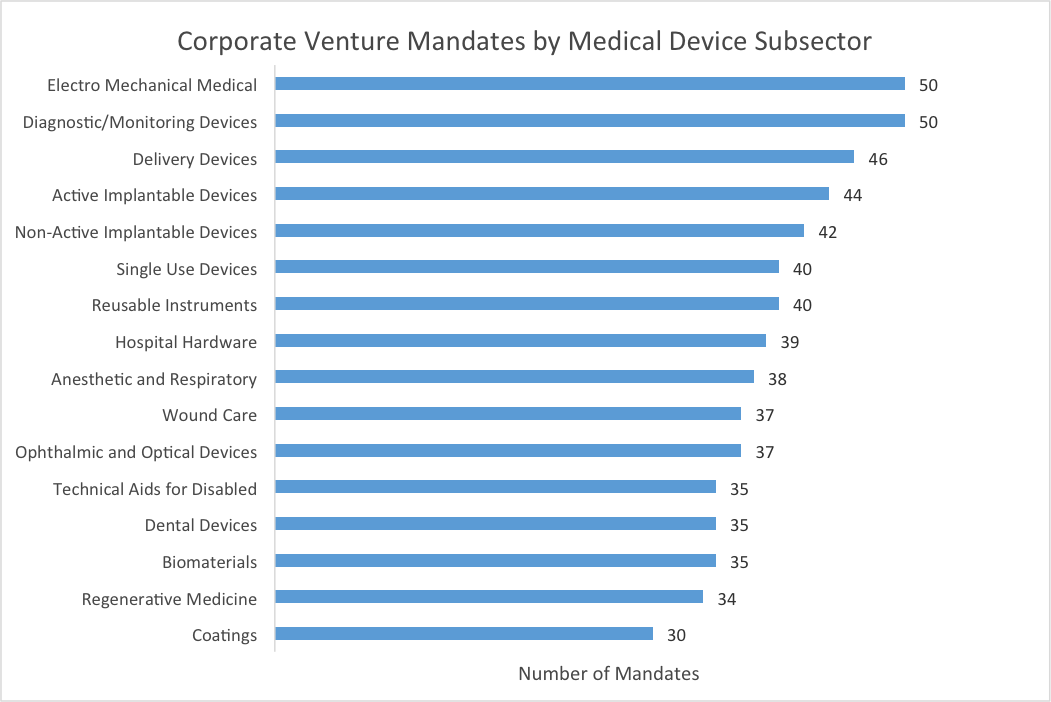
The medical device industry has long been plagued by a lack of early stage venture capital, with investors in the space often citing uncertain regulatory issuers, reimbursement and adoption as reasons for not heavily allocating into the sector. As such many medical device companies find themselves unable to secure funds from traditional venture capital firms. More and more large and established companies interested in the medical device space however are looking further upstream for innovative companies to collaborate with and add into their product lines. LSN’s research team has spoken with over 60 of these companies across 17 countries, who have established corporate venture funds or allocating directly off of their balance sheet, to identify the types and stages of technologies that they are currently looking for.

f1

Figure 1 | Source: LSN Investor Platform | Data as of October 7, 2015

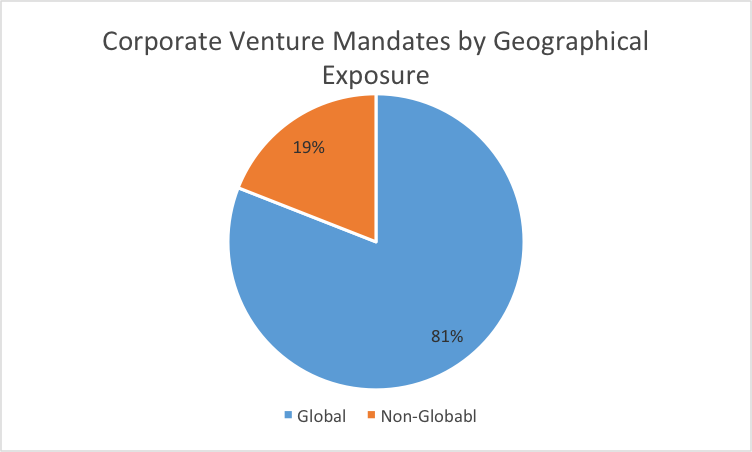
Corporate venture investors tend to be the most global of the investor classes when searching for new opportunities and the medical device space is no exception. 81% of the corporate venture investors LSN’s research team has spoken with are looking globally, a significant increase over all other types of investors where LSN has found that closer to 50% are looking globally. When fundraising it is crucial that you consider strategic partners located all over the world as they are not only able to provide capital, but also they can often provide distribution and manufacturing in foreign markets.

f2

Figure 2 | Source: LSN Investor Platform | Data as of October 7, 2015

The most common subsectors that these firms are looking to invest in, Electro Mechanical Medical Devices and Diagnostic/Monitoring Devices is driven by a number of factors. The first being that a number of these corporate venture investors are subsidiaries of large tech companies looking to leverage their expertise in software into the medical fields and software enabled devices is one area they see a lot of opportunity in. Other trends factoring into this increased level of interest include the “Internet of Things” spreading into the medical industry, more efficiently connecting patients to healthcare providers through these devices. There’s also a new demand for devices able to communicate easily with EMR to more easily meet the US government’s EMR requirements.

f3

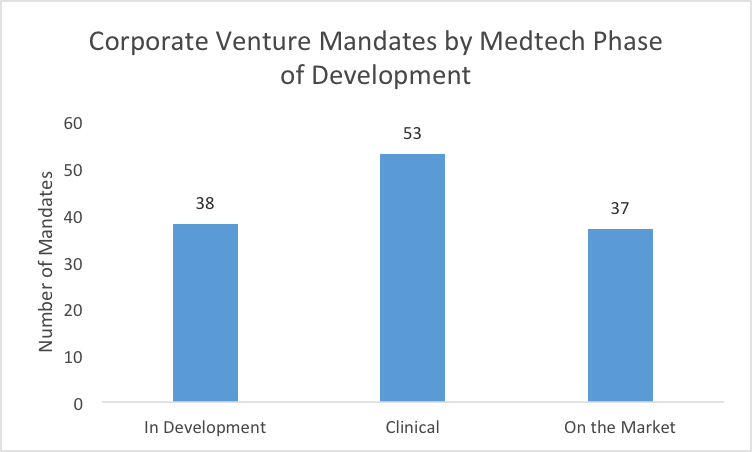
Figure 3 | Source: LSN Investor Platform | Data as of October 7, 2015

The majority of these firms are looking for pre-commercial stage technologies. Prior to commercialization is when the most risk is present in any investment and these strategic players are willing to bear that risk while many venture capital firms appear to be staying clear of it.

As an entrepreneur in the medical device field, not looking to large strategic players as a source for capital is by and large a huge mistake. Not only are these firms looking early, and globally but they also have deep pockets which can be a massive benefit if you require follow on funding. In addition to raising capital from one of these firms, you are often aligning yourself early with an exit partner.

Globalization of Early Stage Life Sciences Investments

8 Oct

By Shaoyu Chang, MD, MPH,  Senior Research Analyst, LSN

Shaoyu 10*10

An increasing number of innovative entrepreneurs are finding capital, development partners, and distribution channels outside of their geographic region. Who is investing outside of their geographic regions? What are their motivations? What are the benefits and risks when working with cross-border investors? Six experts from prominent VC funds and corporations gathered at the Redefining Early Stage Investments (RESI) conference in Boston on September 16 to address these questions.

Moderated by Lisa Rhoads, Managing Director, Easton Capital, the panel featured:

Emerging economies entrepreneurs: aiming for the global market

Many emerging countries have recognized the potential of biotech industries to enhance their own economy. Given the limited size of their domestic markets, startup companies from these countries tend to be valued based on their capability to do business on a global scale.

Several bioclusters have made impressive achievements in terms of scientific discoveries and patent filings. For example, Korea Advanced Institute of Science and Technology (KAIST) is one of the top 10 universities in the world with the highest number of IP. However, bottlenecks exist, especially on the operations side.

The panelists emphasized the three components to build a successful biotech business: innovative science, capital, and the operation team. The panelists recalled some challenges they faced when recruiting the right operation talents for their domestic portfolio companies. Operation, development, and commercialization expertise is sorely needed.

Several models are being employed, from entrepreneurship training sessions to entrepreneurs in residence (EIR). The panelists stressed the importance of cross-border collaborations that can allow businesses to leverage non-dilutive funding from local sources and gain access to strategic markets.

Developed economies entrepreneurs: finding strategic partners

The Asia-Pacific region has attracted attention in recent years due to its sheer market size. A growing number of investors from this region are looking into North America and Europe for advanced technology and strong financial return.

A panelist noted that “[t]he value of a syndication is financial and strategic, and a good co-investor comes in the form of both.” The panelists discussed their experience in co-investing with Asia-Pacific investors.

In one case, Asia-Pacific co-investors were less sensitive to valuation but were focused on specific rights in their domestic market. In another case, Asia-Pacific co-investors were able to utilize their domestic hospital network to aid in clinical development. For early stage ventures focused in developed economies, this created a win-win situation.

Intellectual property is now considered one of the most important piece of value for early stage life science companies. The panelists exchanged their views on intellectual property and addressed the fear of reverse engineering and copyright theft. The panelists emphasized that emerging markets have made significant progress in IP protection over the years. However, partnering with a trustworthy local patent office is still strongly encouraged.

Big pharma: scouting globally, acting locally

The pharmaceutical sector is a global game. Top pharmaceutical corporations in the world are operating and making collaborations on a global scale, whether they are headquartered in the US, Switzerland, or Japan.

Around 15 years ago, strategic financing might account for only 7% of all pharmaceutical deals. Now it hovers at the 35-40% range. As few VCs are willing to take on clinical and regulatory risks, corporate strategics are becoming critical for early stage life sciences.

Big pharma has a plethora of investment vehicles to secure a collaboration, from corporate venture capital funds to joint ventures. When entering a new market, big pharma often partners with local VC to help them acclimate to local culture and oversee the growing business. Entrepreneurs should carefully navigate the changing landscape to choose the right strategic partner.

Tips from Global Investors

How should entrepreneurs go about interacting with global investors? The panelists gave the following tips:

  • Good cross-border investors can bring in both strategic and financial value for early stage companies. In-depth understanding of cultural differences and identifying the potential “fit” are key to successful cross-border deals.
  • Entrepreneurs should be capital efficient and meticulously manage their assets by focusing on derisking activities along milestones. Early stage cross-border PI collaborations are highly valuable as they open doors to non-dilutive funding.
  • Early stage companies should protect their intellectual property in key markets. Local attorneys familiar with regulations and stakeholders in the region can be extremely beneficial in patent filing and litigation.

Hot Life Science Investor Mandate 1: Family Office Investing Across the Life Science Sector

8 Oct

A family office based in Birmingham, Alabama invests in a number of sectors, including healthcare, real estate, and finance. The firm typically makes co-investments between $100,000 and $3 million, and looks to make 5-6 investments within the next year. The firm is open to investments globally.

The firm is open to all sectors and subsectors of life science—biotech therapeutics, medical devices, diagnostics, and healthcare IT. The firm is agnostic in terms of indications and is open to all phases of development.

The firm requires companies to have a management team set in place, and will help fill the board, if necessary.

If you are interested in more information about this investor and other investors tracked by LSN, please email mandates@lifesciencenation.com

Hot Life Science Investor Mandate 2: Evergreen Fund Seeks Orphan Drug Opportunities

8 Oct

A healthcare-focused, evergreen fund based in California is looking for new life science opportunities. The firm is mainly focused on therapeutics and will consider platform technologies, however only platforms capable of generating drug candidates. The firm’s investment size varies widely depending on the needs of the company, and will make investments of up to $5M. The capital structure depends on the financing round, with convertible notes being preferred for seed rounds and equity for everything else; no debt financing. The firm only co-invests, and does not lead rounds. The firm has some limitations on geographic exposure and will consider companies in any part of the U.S., Western Canada or England.

The firm invests in therapeutics that treat rare and ultra-rare/orphan diseases. The firm is interested in earlier stage assets and will consider anything from preclinical up unto phase IIa. In the past, the firm has invested in therapeutics, which treat unmet needs in glaucoma, patients with prosthetic heart valves and renal dysfunction as well as a small molecule to treat Alzheimer’s disease. The firm will consider early-stage therapeutics to treat orphan disease including small molecules, biologics, repurposed drugs or biosimilars, cell/gene therapy candidates (least interest) and platform technologies (that generate drug candidates). The firm is not interested in diagnostics, medical devices or healthcare IT.

The firm does not have any specific management team requirements, and will work with all entrepreneurs. A board seat is not always required, but is not uncommon.

If you are interested in more information about this investor and other investors tracked by LSN, please email mandates@lifesciencenation.com

Hot Life Science Investor Mandate 3: PE Firm Looking For Clinical-Stage Therapeutics and Medical Devices

8 Oct

A global private equity firm based in California has over $50 billion AUM and invests across development stages, from early to late stages. The firm’s investment size is highly variable depending on the stage of the company, ranging from $1M to $25M in equity. The firm has a global mandate and is actively seeking new investment opportunities.

The firm seeks compelling investment opportunities in drug discovery and development platforms developing novel therapeutics, medical devices, healthcare services and healthcare IT. For therapeutics, the firm seeks small molecules and biologics and is open to all indications including orphan indications. The firm will consider products in all phases of clinical trials, from pre-clinical to phase III, and also commercial stage therapeutics. The firm is open to both PMA and 510K devices, as long as the device is already being sold at a commercial stage. The firm is also interested in services such as CROs and CMOs as well as tools of genomics and proteomics.

The firm invests for the long term, and is heavily involved in, and committed to, the growth and success of their portfolio companies. The firm therefore generally take a board seat/observer rights. The firm only invests in private companies.

If you are interested in more information about this investor and other investors tracked by LSN, please email mandates@lifesciencenation.com

Hot Life Science Investor Mandate 4: Pharma Company In-Licensing Drugs and Devices Used In Hospitals

8 Oct

A specialist healthcare company with offices worldwide is looking to in-license and acquire therapeutics and medical devices that are of strategic interest. The firm is capable of making allocations ranging from £10 million to over £100 and more for later stage acquisitions. The firm is primarily interested in companies that are looking to be marketed in the United States although they are open to global opportunities as well.

The firm is interested in Therapeutic assets and Medical Devices. For therapeutics the firm’s current products include antidotes to treat snake envenomation and toxicity associated with medicines used for heart conditions and cancer. The firm is open to therapeutics within these areas as well as other indications pending they are intended to be hospital products. The firm primarily focuses on small molecule therapeutics. For medical devices the firm is looking for companies that have 510 K approval in Oncology, Vascular and Pulmonary fields. The firm’s current device products include Interventional Oncology products used to treat patients with liver tumors and Interventional Vascular products used to treat patients with severe blood clots.

The firm is interested in working with founding management teams prior to investment and is open to in-licensing from public and private clients.

If you are interested in more information about this investor and other investors tracked by LSN, please email mandates@lifesciencenation.com