Archive | Fundraising RSS feed for this section

RESI Boston 2024 Program Guide

12 Sep

By Dennis Ford, Founder and CEO of Life Science Nation

Life Science Nation (LSN) presents the RESI Boston Program Guide featuring 21 panels of investors. View the program guide to map your stage of development and product to the participating CEOs, Capital Investors and Licensing Partners.

Attendees can look forward to the Innovator’s Pitch Challenge, where 56 cutting-edge companies will showcase their technologies to investor judges, providing a glimpse into the future of life sciences innovation. Industry leaders will engage in discussions on current trends, challenges, and opportunities across biotech, medtech, diagnostics, and digital health. Additionally, participants can gain practical insights through interactive workshops designed to navigate the complexities of early-stage life sciences funding and development, while exploring a diverse exhibitor showcase featuring innovative companies, products, and services.

RESI Boston leverages its strategic location in one of the world’s premier biotech ecosystems, allowing attendees to tap into a vast network of resources, talent, and opportunities. Don’t miss this chance to accelerate your journey – registration is still open.

[Digital]-RESI-Boston-2024-Program-Guide-Cover

Mastering the Art of Fundraising: Essential Strategies for Startups 

22 Aug

By Dennis Ford, Founder and CEO of Life Science Nation

Understanding the nuances of startup fundraising is crucial in the competitive landscape. Many startups overlook the fact that they are navigating a space governed by capital investors and licensing partners. To succeed, it’s imperative to not only be innovative but also grasp what these partners are seeking. Here are some essential strategies to enhance your fundraising efforts.

Understand the Investor’s Perspective

One of the most common pieces of feedback from investors is the need for startups to make it easy for them to say “yes” to a meeting. This begins with thorough preparation and research. Knowing potential partners’ interests, portfolios, and investment criteria can increase your chances of securing a meeting. Please clearly explain how your objectives align with their focus areas when you reach out. A well-prepared approach boosts your credibility and sets the stage for a productive conversation.

Prepare for a Long-Term Campaign

Fundraising is not a sprint; it’s a marathon. Many startups may feel ready for a thirty-minute pitch but fail to grasp that a successful fundraising campaign can span 12 to 18 months. This process requires a substantial investment of time and resources. Be prepared to travel to conferences, leverage service providers, and engage in strategic networking. Additionally, having a solid financial plan to sustain operations during this period is essential. Complaining about being cash-strapped can be a significant red flag for investors, so exploring all avenues to secure the necessary funds is crucial.

Develop a Compelling Narrative

A well-crafted narrative can be one of your most powerful tools in fundraising. Clearly define your problem, outline your unique approach, and explain how your solution stands out from the competition. When you present a compelling story alongside hard data, you create a more persuasive pitch that captivates potential investors. This combination informs, inspires, and motivates them to invest in your vision.

Build a Strong Advisory Board

It would be great if you established a robust advisory board composed of experienced professionals in your industry. These advisors can provide invaluable insights and connections that facilitate the fundraising process. Engaging seasoned professionals who understand the landscape helps navigate the complexities of capital fundraising, ensuring you are better prepared to meet your goals.

You Need to Invest Cash in the Process

Finally, it’s important to recognize that successful fundraising often requires a significant financial investment. Startups should be prepared to allocate up to $100,000 per year just for fundraising activities. This investment is crucial for sustaining operations and exploring funding opportunities, even those outside your comfort zone. Early-stage life science companies must get the basics right to secure the necessary funding for growth.

Family Office Perspectives on Early-Stage Investments

15 Aug

By Dennis Ford, Founder and CEO of Life Science Nation

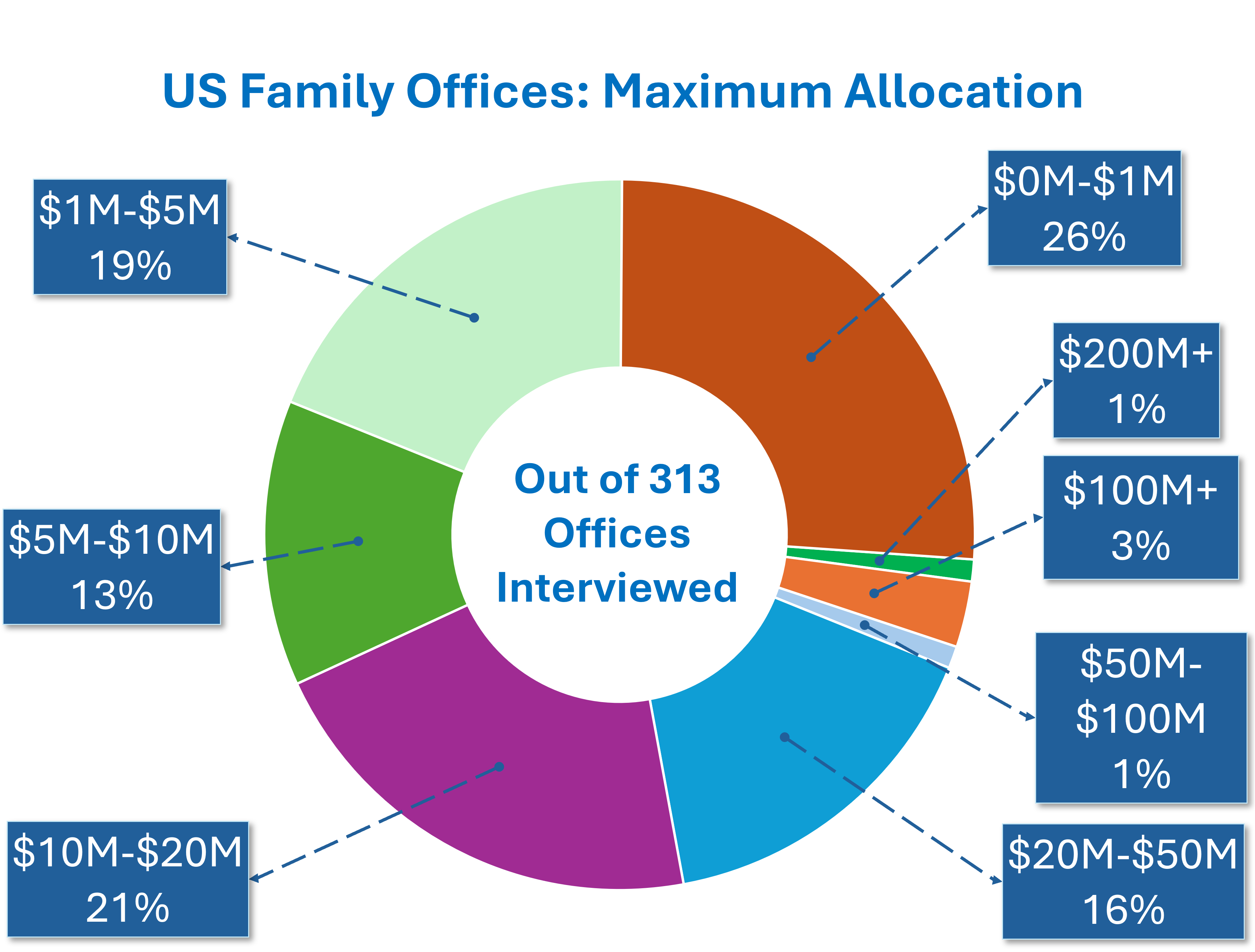
Family offices are emerging as influential investors in the early-stage life sciences sector, leveraging their unique position to support innovation while seeking promising financial returns. Register for our free virtual family office panel. These investment entities align their strategies with personal values, contributing to healthcare advancements and enhancing their families’ legacies. As the life sciences sector evolves, the collaboration between family offices and early-stage companies is expected to grow, potentially leading to significant societal impacts. Life Science Nation curates one of the largest databases of family offices that focus on the healthcare arena, with over 700 offices. The most prominent family offices have the potential to distribute allocations exceeding $100M, though most, a remarkable 95% fall into the Seed, Series A, and Series B with mandates to allocate between $250K to $50M, which bodes well for the early-stage companies.

Picture3

Family Office Panel at RESI Boston

Several Family Offices will share their insights on early-stage investments at the upcoming RESI conference on September 25th at the Westin Copley, Back Bay, Boston. Notable speakers include Michael Langer, Co-Founder & Managing Partner of T.Rx Capital; Sunil Shah, Co-Founder of o2h Group and CEO of o2h Ventures; John Parker, Founder of Springhood Ventures; John Abeles, General Partner at Northlea Partners; and David Prim, Senior Associate at Broadview Ventures. This event will provide an opportunity to learn about investment themes and strategies from seasoned family office investors.

michael-langerMichael Langer
Co-founder & Managing Partner at T.Rx Capital
Sunil-ShahSunil Shah
Co-founder of the o2h Group and CEO of o2h Ventures
John-ParkerJohn Parker
Family Member and Trustee of the Charles Hood Foundation and Founder of Springhood Ventures
John Abeles
General Partner of Northlea Partners
David Prim
Senior Associate of Broadview Ventures

The Appeal of Life Sciences

Investing in early-stage life sciences is attractive for several reasons. The sector is marked by rapid innovation and growth, offering the potential for substantial financial returns. Breakthroughs in biotechnology, pharmaceuticals, and medical devices can increase significant valuation for successful startups. With market volatility affecting traditional investment avenues, family offices are turning to life sciences to diversify their portfolios. The healthcare sector often behaves differently from other industries, providing a buffer against economic downturns. Many families have personal connections to healthcare, whether through family members who are healthcare professionals or personal experiences with illness. Thus, investing in life sciences offers financial rewards and allows families to contribute positively to society by supporting innovations that can improve health outcomes.

Family Office Strategies for Investing

Family offices employ various strategies when investing in early-stage life science companies. Some invest directly in startups, providing capital, strategic guidance, and mentorship, allowing them more control over their investments and the opportunity to influence the direction of the companies they support. Others invest in specialized venture capital funds focusing on life sciences, leveraging the expertise of experienced fund managers to identify high-potential startups and provide the necessary support for their growth. Collaboration with other investors or family offices is common, as they share resources and insights to reduce risk and enhance opportunities, leading to joint ventures or co-investments in promising life science enterprises.

Investor Fireside Chat – Strategies for Family Office Investments

Join our free Family Office webinar on August 20th at 1PM ET to hear how to find and approach family offices, and what assets are most interesting to them.

August 20, Family Office Webinar – Free Sign Up
1 PM Investor Fireside Chat – Strategies for Family Office Investments
– Claire Jeong, VP of Investor Research, LSN (Moderator)
– Katherine Hill Ritchie
, Founder, Private Capital Investments, LLC
– Ron Paliwoda, Founder and President, Paliwoda Group
– Shubhra Jain, Principal, Head of Healthcare Investments, Tarsadia Investments
– Bryan Grulke, Partner, Volcano Capital

Family Office BioForum at RESI Boston Sept 25: Family Office Fund Managers Deliver Keynotes 

8 Aug

By Dennis Ford, Founder and CEO of Life Science Nation

Life Science Nation is proud to announce the upcoming Global Family Office BioForum, which will take place on Wednesday, September 25th, at the Westin Copley Place in Back Bay, Boston, as part of the renowned RESI program. This unique event will feature an open-to-the-public Family Office Panel and an exclusive invitation-only Global Family Office BioForum (GFOB) luncheon, where key figures from prominent family offices will discuss critical insights into the life sciences investment landscape.

The luncheon keynote session will spotlight three influential leaders:

michael-langerMichael Langer
Co-founder & Managing Partner at T.Rx Capital
Sunil-ShahSunil Shah
Co-founder of the o2h Group and CEO of o2h Ventures
John-ParkerJohn Parker
Family Member and Trustee of the Charles Hood Foundation and Founder of Springhood Ventures

Together, they will delve into the theme of “Leveraging Life Science Domain Expertise, Family Office Networks, to Impact Early-Stage Companies,” highlighting their current initiatives and strategies within the life science sector.

The demand for early-stage capital is increasingly critical as the life sciences field continues flourishing with innovative discoveries and cutting-edge technologies. The Global Family Office BioForum (GFOB) is a key platform where family offices can identify promising startups and collaborate with other like-minded investors.

If you are a Family Office and would like to attend the Family Office BioForum Luncheon
Apply Here
August 20, Family Office Webinar – Free Sign Up
1 PM Investor Fireside Chat – Strategies for Family Office Investments
– Katherine Hill Ritchie
, Founder, Private Capital Investments, LLC
– Ron Paliwoda, Founder and President, Paliwoda Group
– Shubhra Jain, Principal, Head of Healthcare Investments, Tarsadia Investments
September 25, RESI Boston 2024
Global Family Office BioForum (GFOB) Luncheon
12 PM Welcome / Opening Remarks
– Dennis Ford
, Founder & CEO, Life Science Nation
– Claire Jeong, VP of Investor Research, Asia BD, Life Science Nation
12:05 PM Panel Discussion “Leveraging Life Science Domain Expertise, Family Office Networks, to Impact Early-Stage Companies”
– Michael Langer
, Co-Founder & Managing Partner, T.Rx Capital
– Sunil Shah, Co-Founder of o2h Group; CEO of o2h Ventures
– John Parker, Founder of Springhood Ventures
12:40 PM Networking
Family Office Investors Panel  
3 PM Perspectives on Early Stage Investments
– Michael Langer
, Co-Founder & Managing Partner, T.Rx Capital
– Sunil Shah, Co-Founder of o2h Group; CEO of o2h Ventures
– John Parker, Founder Springhood Ventures
– John Abeles, General Partner, Northlea Partners
– David Prim, Senior Associate, Broadview Ventures

The Power of Syndication

Syndication is a vital investment strategy that benefits family offices and entrepreneurs. By collaborating with other investors, family offices can diversify their risk, streamline due diligence processes, access a more comprehensive array of investment opportunities, and leverage combined expertise. For entrepreneurs, the advantages are equally substantial; they gain access to a syndicate’s collective knowledge and resources, significantly enhancing their fundraising efforts and increasing their chances of securing the essential funds needed for growth.

 The Family Office Factor

Family offices are distinguished by their long-term investment horizons and dedication to generating meaningful impact. With a mission to preserve and grow wealth for future generations, these entities are uniquely suited to contribute to the life sciences sector. Their involvement transcends mere financial support, offering mentorship, guidance, and a genuine commitment to the success of the ventures they back. The Global Family Office BioForum (GFOB) recognizes and amplifies this unique role, creating an environment where family offices can forge connections with like-minded syndicate partners and explore transformative investment opportunities.

One Nucleus and Life Science Nation unite for the Genesis 2024 and Redefining Early Stage Investments (RESI) Conferences to Amplify Impact on Life Science Innovation. 

1 Aug

By Dennis Ford, Founder and CEO of Life Science Nation

Boston MA and London UK, 31 July 2024 - One Nucleus and Life Science Nation (LSN) are pleased to announce the co-location of their renowned Genesis 2024 and Redefining Early Stage Investments (RESI) conferences, scheduled to take place on 4 December 2024, in London. The Genesis Conference programme will be at 1 Wimpole Street, and RESI will be at 11 Cavendish Square, allowing attendees to participate in either or both events just a few steps away from each other. This unprecedented collaboration aims to connect early-stage life science companies to LSN’s global network of capital investors and licensing partners under the theme of “Maximising Returns from Life Science Innovation.”

For over two decades, the Genesis Conference has been a cornerstone event, bringing together top opinion leaders and stakeholders in life sciences to discuss critical trends, catalyse partnerships, and shape the industry’s future landscape. With its rich history of fostering innovation and facilitating meaningful connections, Genesis has consistently delivered high-value content through keynote presentations, panels, and networking opportunities.

LSN’s RESI conference series is known for being able to match up startup companies seeking seed funds up to 2 million, series A and series B, with global partners. RESI complements Genesis by focusing on early-stage companies and their interaction with investors and partners across the “4 Ds” of Drugs, Devices, Diagnostics, and Digital Health. Integrating RESI’s expertise in matchmaking and Genesis’s comprehensive content programme, the co-located events promise an unparalleled experience for UK delegates and RESI international investors interested in the early-stage assets coming out of locations including Cambridge, London and Oxford.

Key highlights of the co-located conferences include:

  • A diverse mix of high-content keynote presentations and expert panels addressing cutting-edge industry topics.
  • A dedicated RESI interactive partnering, offering both in-person and virtual days that match startups based on the stage of development and product with investors and licensing partners that are the right fit.
  • A dedicated Genesis 2024 Conference App where information is shared, connections are made and is the route to access 1-2-1 Genesis partnering, programme, sponsor, and exhibitor details.
  • Extensive networking opportunities with over 500 industry delegates expected to attend these events, making this one of Europe’s largest life science investor meetings in 2024.
  • Genesis Fringe events offer deeper technical and business insights and enhanced in-person networking.
  • An Exhibition providing a dynamic forum for dialogue and visibility among partners and customers.
  • 20 Innovator’s Pitch Challenge (IPC) slots available. The IPC allows early-stage life science and healthcare companies to engage more with conference attendees and pitch directly to a panel of active investors and industry experts. Applications to apply are open until Friday 25 October.

“We are thrilled to bring together the RESI global investor network with Genesis, a One Nucleus flagship UK event which will add some excitement and facilitate some foreign investment into the life science ecosystem,” said Dennis Ford, CEO of Life Science Nation. “The co-location of  the two conferences represents a significant milestone in fostering collaboration and innovation across the life sciences sector, enabling us to amplify our impact on early-stage companies and investors globally.”

Tony Jones, CEO of One Nucleus, added, “Genesis has always been about shaping the future of life sciences through meaningful dialogue and strategic partnerships. Teaming up with RESI allows us to expand these efforts, creating synergies that benefit our members and the broader life sciences community.”

For more information about the RESI and Genesis conferences, including sponsorship opportunities and registration details, please visit RESI and genesisconference.com.

About Life Science Nation (LSN): Life Science Nation (LSN) is a global partnering ecosystem connecting early-stage companies with investors and partners across Drugs, Devices, Diagnostics, and Digital Health. LSN curates databases of global investors and technology assets, providing sourcing, ranking, and accelerator services through initiatives like RESI and Focus on Cures Accelerator (FOC).

About One Nucleus: One Nucleus is an international membership organisation for life science and healthcare companies. Based in Cambridge, UK, One Nucleus supports its members through networking, knowledge-sharing, and advocacy initiatives, promoting growth and innovation within the life sciences community.

Media Contact Information: 

Media Contacts:
Caitlin Dolegowski, Marketing Manager
c.dolegowski@lifesciencenation.com

Tony Jones, CEO
tony@onenucleus.com

For Conference Inquiries:
Genesis: Claire Abrams - genesis@onenucleus.com
RESI: Claire Jeong - c.jeong@lifesciencenation.com
RESI-London-2024-1100px

What would a Harris administration mean for biotech investment?

25 Jul

By Dennis Ford, Founder and CEO of Life Science Nation

With Vice President Kamala Harris in the spotlight for the presidency, what would her administration mean for biotech investment and partnerships? Here’s some commentary and a look at her past and potential future impact:

Science

Harris, the daughter of a breast cancer researcher, is strongly pro-science. She has advocated for COVID-19 vaccines, followed CDC guidance, and increased the NIH budget. During the 2020 VP debates, she criticized her opponent for not believing in science. Publications like Scientific American and Nature have praised her. She would likely leverage federal resources to advance science, particularly healthcare and climate.

Drug Pricing

Harris is known for her progressive stance on drug pricing. As California’s AG, she won lawsuits against big pharma for marketing and pricing issues and played a key role in lowering insulin prices. Her “Medicare for All” plan proposed allowing HHS to negotiate drug prices and supported “march-in rights” to control certain patents. She advocated for linking U.S. drug prices to those negotiated by other governments and proposed taxing profits from “abusive drug pricing” at 100%. However, many of these measures faced opposition and were not passed. Harris would likely continue pushing for drug price reductions and Medicare expansion.

Pharmacy Benefit Managers (PBMs)

Lawmakers are increasingly scrutinizing PBMs for their role in drug pricing. The FTC is suing several large PBMs, and the House Oversight and Accountability Committee is holding hearings on their practices. While Harris is not central to these actions, the evolving situation may influence her approach to drug pricing.

Payors

Harris has opposed the rising power of health insurers, notably suing to stop the Cigna-Anthem merger in 2015-2016. In 2021, she supported expanding Medicare and private insurance coverage, particularly in maternal care and disadvantaged communities. Harris would likely continue to exercise caution with the health insurance industry, opposing moves to increase its influence on healthcare pricing while advocating for increased accessibility.

A Harris presidency would likely be pro-science and pro-R&D, including increased funding for HHS and NIH. She would continue to advocate for drug price reductions and expanded healthcare access through Medicare and private insurance. The ongoing investigation into PBMs could lead to a more nuanced approach to drug pricing. Policy developments, as well as macroeconomic factors, can impact biotech investment, from seed funding to IPOs.

Navigating the Treacherous Waters of Life Science Startups: Insights into Raising Capital 

18 Jul

By Dennis Ford, Founder and CEO of Life Science Nation

In the realm of the life sciences, startups emerge with promises of groundbreaking technologies and innovative solutions to complex medical challenges. However, statistics paint a stark reality: a staggering 95-99% of these ventures fail to secure the capital needed to survive and thrive. What factors contribute to such high failure rates, and what can these startups do to navigate the challenging landscape of fundraising effectively?

The Pitch Deck Predicament: Cookie-Cutter Presentations

It begins with the pitch. Most life science startups present their case through a standardized PowerPoint deck, ticking off boxes for “Problem,” “Solution,” and “Addressable Market.” Unfortunately, this approach often lacks the personal touch and compelling narrative needed to differentiate one firm from another. Investors, especially in early stages, seek more than scientific jargon—they crave stories that resonate, revealing the passion and expertise of the founding team.

The Problem: From Science to Story

Too often, the “Problem” is defined in clinical terms, devoid of a narrative that captures its human impact. What investors truly seek is a simple, easy-to-understand story that not only explains the problem scientifically but also connects emotionally with the audience. This personalized approach not only humanizes the issue but also highlights the unique insights and experiences of the team driving the solution forward. Of course, science matters, and it will be vetted as part of the due diligence process, but you need to grab the partner’s interest and deliver a story that is simple to understand, with some compelling hooks, to launch a potential relationship.

The Solution: Balancing Validation and Realism

Early-stage startups often face a dilemma with their “Solution.” Either they lack sufficient validated data points due to their developmental stage, or they present an overly optimistic view of an unproven technology. Finding the balance—demonstrating tangible progress while acknowledging the challenges ahead—is crucial. Investors appreciate transparency and a realistic assessment of risks alongside potential rewards.

Addressable Market: Knowing Your Audience

Presenting market size and dynamics might seem routine, but for life science startups, it’s crucial to tailor this information to the audience. Investors are often industry experts who know the market intricately. Therefore, startups must focus on demonstrating how their innovation fits within existing landscapes, addresses unmet needs effectively, and most importantly, what differentiates this technology from those currently available.

The Road to Investment: Preparation and Strategy

Beyond the pitch deck, startups must be adept at preparing for a global roadshow—a strategic tour aimed at attracting investors. This includes understanding the nuances of the “ask” (funding request) and validating it through rigorous preparation. Many founders overlook the fact that every fundraising round involves dilution of equity, emphasizing the importance of strategic planning and milestone-based financial projections.

Sales, Marketing, and Investor Relations

Sales and marketing fundamentals are often overlooked in the scientific rigor of life science startups. However, understanding how to position their technology, identify potential investors, and build meaningful relationships can significantly enhance their chances of success. This involves compiling lists of appropriate investors and licensing partners aligned with their stage of development and product offering.