Archive | Interviews RSS feed for this section

Michael Langer, Former Pear Therapeutics Executive, and Family Office Entrepreneur Discusses Startup Investing in the Life Science Domain

30 Nov
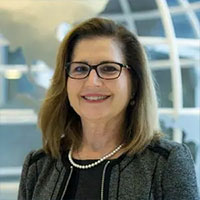
Michael-LangerMichael Langer Interview with Michael LangerBy Dennis Ford, Founder and CEO of Life Science Nation DF-News-09142022Dennis Ford

Michael previously founded Old Silver VC, a family-associated investment firm that invests in Healthcare and Deep Tech startups focusing on materials. They invested in 20 companies, including Big Hat Biosciences, Sesame Care, Seismic Therapeutics, Alto Pharmacy and Opentrons. Also involved are Susan Langer, who is the former head of strategy at Biogen, and Dr. Bob Langer, who is an MIT Professor and founder of over 40 biotech companies, including Moderna.

Michael was formerly Head of Search, Evaluation, In-licensing & Acquisitions at Pear Therapeutics. During his time at Pear, Michael led or co-led 15 different transactions. Pear Therapeutics discovers, develops, and delivers clinically validated software-based therapeutics to provide better patient outcomes, smarter engagement and tracking tools for clinicians, and cost-effective solutions for payers.

Michael is an active philanthropist. He co-founded the Young Coder’s Society, which teaches children how to code using Raspberry Pi. He is a Young Leader at the Milken Institute and formerly a World Economic Forum Global Shaper. He serves on The Leadership Board at Beth Israel Deaconess Medical Center, on the Board of Advisors at the Museum of Science, and is the Senior Advisor of Special Projects at the Galenus Foundation.

Dennis Ford (DF): Please comment on the state of early-stage investments in Digital Health Technology. I see many startups in the digital health arena: the good is its software; the bad is not a lot of traction; and the ugly is reimbursement.

Michael Langer (ML): The last decade has seen incredible advances in digital health, both from an innovation and progress standpoint. Although valuations have gotten very frothy over the previous few years, we are presently seeing a return to equilibrium. Furthermore, there has been a significant impact on patients, which is a promising indicator for us. Business models are continuing to mature and evolve, but still more is needed to really solidify them. Reimbursement remains a significant issue, as payers have hesitated to reimburse products quickly. As a result, we need longer-term data and creativity in business models. Ultimately, the digital health sector will continue to need collaborative efforts from stakeholders – namely payers, providers, patients, pharma, and pharmacies – which can foster clear standards, interoperability, and payment models that support the integration of innovations into mainstream healthcare. We are also seeing regulatory frameworks evolving to accommodate and streamline the approval process for digital health technologies.

DF: Please share with our readers what you have learned as an entrepreneur through some of your ups and downs in the industry and some key takeaways you have personally learned from your experience in the life science arena.

ML: Entrepreneurship demands resilience above all else — the ability to weather setbacks while persisting in building. Beyond resilience, the power of effective communication paired with steady leadership cannot be overstated: inspiring others and cultivating a team that remains dedicated is paramount. I believe that people are drawn to work with leaders they believe in, rallying behind visions that resonate with their own values. Building a team that shares a foundational commitment to the mission is not just important but a cornerstone of enduring success.

DF: Michael, can you comment on what you have learned and elaborate on your process for vetting a startup for capital or licensing? How do you source, vet, and qualify the key things you must see when looking at a startup, from CEO to team to technology?

ML: The most impactful lessons I’ve gleaned boil down to two key principles. Firstly, cultivating a distinct and authentic voice has proven crucial in negotiations. My personal blend of humor, patience, and unwavering persistence aligns with my personality, making it a potent tool in various negotiations. This approach has significantly helped me be effective in navigating diverse scenarios. Secondly, emphasizing a relentless commitment to process and volume has been a game-changer for me. Establishing a streamlined and repeatable process enhances not only efficiency but also effectiveness.

Being successful in sourcing, vetting, and qualifying comes down to a few areas.  Finding quality and passionate people to partner with is key.  It’s extremely difficult to build anything of value without the right team.  Secondly, the science needs to be sound with research and data to support it.  Are there patents and how defensible are they?  Are they realistic with their goals and forecasts?  Lastly, what kind of impact will it have, does this help change the lives of others?

DF: Let’s switch to the Langer Family Office, which both your sister and father are also in. Can you explain the family dynamic and principles in how they approach business?

ML: My father has a number of principles that he has taught us from an early age. One is kindness: we are very big on developing enduring relationships, which is a massive part of our family ethos. This philosophy has therefore been core to how we look at deals, how we think about developing these deals. Another is the celebration of creativity, of scientific contrarianism: we don’t just seek intelligence, we value individuals who work outside the conventional boundaries of their work. Finally, we have an unwavering commitment to ethical integrity, to upholding a strong moral compass. We prioritize transparency and honesty with each other, with entrepreneurs, with business partners, with stakeholders – all to guide our business decision-making process.

DF: Your Family is well-known in the life science industry. Does that have advantages, and how do you leverage your amazing family network?  Are there any disadvantages?

ML: Like anything, there are positives and negatives. I have seen more positives. We have built a very strong reputation in the space and that can be very helpful in the things we do. But there are obviously huge expectations. When I was younger, that was stressful, although now I consider it more motivating than anything else. Ultimately, I feel very fortunate for the opportunities I have been given and am able to continue to foster.

DF: Do you have a network of other family offices that you co-invest with?  When you find a deal you like, will you lead? Are you able to pull in LPs from your vast network? Do you ever look for new LPs for specific deals?

ML: We have built a lot of strong relationships with other FO’s and institutional VC funds. We like a blended approach when we look at deals. Having diversity of investors in a round is really important. We like strategics as well as institutional and family offices. Each can offer really unique value and perspective in a syndicate.

DF: Last Question: There has been a lot of buzz in Boston about a new Langer Family Office initiative which is a new VC Fund in the works. Care to Comment?

ML: Unfortunately, at this time, we are unable to comment on that.

RESI-SF-2024-Banner-1100

Gliachem’s Innovator’s Pitch Challenge Success at RESI

16 Nov
Vanessa-WilliamsonVanessa Williamson Interview with Vanessa Williamson, Entrepreneur-in-Residence/CEO at Gliachem

By Caitlin Dolegowski, Marketing Manager, LSN

CaitiCaitlin Dolegowski

Caitlin Dolegowski (CD): Please introduce us to Gliachem and the company’s technology.

Vanessa Williamson (VW): Gliachem is a pre-clinical stage company developing small molecule therapeutics for rare and neurological diseases being spun out from the University Health Network (UHN) in Toronto, Canada. We have a first-in-class neurology drug development program with a unique mechanism of action and are targeting Rett Syndrome as our initial clinical indication.

Rett Syndrome is a rare, x-linked neurological disorder that affects how the brain develops, typically manifesting in females at 18-36 months. Its symptoms are highly debilitating and include intractable motor and cognitive disabilities, breathing issues, and seizures. Lifelong caregiver support is required, and patient lifespan is often reduced. Limited treatment options exist, and the only approved drug, Trofinetide, shows small effect size and tolerability issues, leaving significant room for improvement. With 350,000 Rett patients worldwide, including 34,000 in major markets, there is the chance for blockbuster success.

We are currently in the advanced hit to lead stage. We have strong genetic target validation for a novel Rett target, target PD assays developed and qualified to support lead candidate identification and have developed 3 distinct chemical series (NCEs), each demonstrating potency, selectivity and drug-like properties.

CD: Tell us about Gliachem’s team.

VW: Gliachem is in the process of incorporation, which will be complete by the end of 2023. Our team is currently our scientific co-founders – Dr. James Eubanks and Dr. Mark Reed – and myself as CEO. Over the next few months, we will be expanding the leadership team.

The technology originated in the lab of Dr. Eubanks at UHN. Dr. Eubanks is a neurodevelopment and molecular genetics expert with over 30 years of experience in academic research, including translational development. He is also a well-recognized KOL in Rett Syndrome. At UHN, he is a Senior Scientist and Research Division Head for Experimental and Translational Neuroscience at the Krembil Research Institute.

Dr. Reed is an accomplished medicinal chemist and expert in CNS drug discovery with over 20 years of experience in academia, biotech, and large pharma. He is currently the Director of the Center for Medicinal Chemistry and Drug Discovery at UHN, as well as co-founder and CSO of Treventis Corporation, a biotech start-up focused on protein misfolding related specifically to Alzheimer’s, who recently partnered their lead program with Takeda for $350M.

I have executive experience in the life sciences sector, including the scale-up and commercialization of small molecule therapeutics and diagnostics. Prior to Gliachem, I’ve most recently held VP Corporate Development roles in the diagnostics space, focusing on business and partnership development, sales and marketing, as well as M&A and fundraising.

CD: This was Gliachem’s first time at RESI. How did you initially learn about the conference and what did you think of the RESI experience?

VW: In a word, RESI was AMAZING. We learned about the conference from the Commercialization Office at UHN, who also supported our participation. We did the in-person partnering, as well as the Innovators Pitch Challenge (IPC). RESI curated a fantastic list of investor attendees, and the entire event was so smooth and well organized. The details about the investors that you could access through the partnering platform, especially if you elected the Premiere Mandate, was second to none. That enabled us to strategically target investors, making the whole meeting highly productive.

CD: What stage of fundraising is Gliachem in and what are your goals in 2024?

VW: RESI was the soft launch of our fundraising. We had the opportunity to meet with many early-stage investors from around the world and test both the market and our business plan. We had some very engaging meetings and positive feedback, and are ready to get into deeper discussions. We are raising a $3.2M CAD seed round, which will enable us to complete our hit to lead activities, identify an advanced lead, complete our proof of concept in a Rett animal model and initiate lead optimization. We are looking for strategic investors, who will not only provide financing, but who will also support us in this very exciting stage of early growth.

CD: Congratulations on your second-place finish at RESI Boston September Innovator’s Pitch Challenge (IPC)! What do you think was the key to your success at RESI September?

VW: Thank you! We are so proud of this accomplishment!

Aside from our team and technology, it absolutely was the amount of time we spent preparing. A 4-minute pitch is not easy. There is an opportunity to add a bunch more content than you would with just a standard elevator pitch, but you can’t overload. Coming up with a succinct message that focused on the problem, solution, differentiation and market opportunity was key. As tempting as it was to get deep into the science, we focused on the business opportunity.

The LSN and RESI resources were also invaluable. We attended the prep session you offered and followed the recommendations with respect to focus.

Preparation also applies to the investor meetings. Research the investors. Reach out to the right ones with a tailored and succinct message. And be persistent. Needless to say, many of my best meetings did not come from immediate replies to my initial message.

CD: What advice would you like to give to fellow entrepreneurs about RESI conferences?

VW: In short, do it! It was an invaluable experience. Take advantage of the IPC (including the poster area) as it does enable another level of exposure that you wouldn’t usually get. The judges also provided written feedback which we have used as we continue to evolve our pitch. Finally – prepare, prepare, prepare. Have a plan. There is a lot going on in a really short time, and to maximize the opportunities you need to have a plan. That said, don’t be constrained by your planning and be open to going with the flow. The serendipitous connections for me were just as valuable as the targeted ones.

RESI-SF-2024-Banner-1100

Crossing the Atlantic: European Startups Finding Funding at RESI

14 Sep

By Rikki Piccirillo, Marketing Manager, LSN

Rikki

In this episode, join host Dennis Ford, Founder & CEO, Life Science Nation; Creator of RESI Conference Series as he engages in a captivating conversation with Greg Mannix, a leading expert in the world of life sciences investment. Together, they discuss the exciting world of European startups making their way across the Atlantic to seek funding opportunities in North America, with a particular focus on the opportunities in the city of Boston.

Greg Mannix, a driving force behind the RESI Conference, shares his wealth of knowledge and experience in helping European entrepreneurs navigate the complex terrain of North American investment. As the Managing Director at Life Science Nation (LSN) and an advocate for international collaboration in the life sciences industry, Mannix offers insights into the strategies, challenges, and success stories of European startups entering the North American market.

Discover why Boston, often referred to as the “Silicon Valley of the East Coast,” is the prime destination for European life science companies seeking funding. Dive into the thriving ecosystem of biotech, medtech, and digital health innovations and find out how the RESI Conference connects these European innovators with the vast investment opportunities in the United States.

RESI-Boston-2023-September-1100px-w

Interview with Shikha Sharma, Senior Director, Innovation at California Life Sciences (CLS)

10 Aug
Shikha-SharmaShikha Sharma Interview with Shikha Sharma, Senior Director, Innovation at California Life Sciences

By Caitlin Dolegowski, Marketing Manager, LSN

CaitiCaitlin Dolegowski

Caitlin Dolegowski (CD): Please introduce us to California Life Sciences.

Shikha Sharma (SS): California Life Sciences (CLS) is the state’s most impactful life sciences membership organization, advocating for the sector and its diverse innovation pipeline. For more than 30 years, CLS has served the community by supporting companies of all sizes, from early-stage innovators and startups to established industry leaders in the fields of biotechnology, pharmaceuticals, and medical technology. As integral components of a healthy and collaborative ecosystem, CLS also works closely with universities, academic and research institutions, the investment community, and other critical partners that promote this vibrant sector. On behalf of our more than 1,200 member organizations, CLS works to shape public policy, improve access to breakthrough technologies, educate lawmakers, and advance equity within our ecosystem by championing innovative solutions for some of the most pressing challenges of our times. In doing so, CLS fulfills its mission to protect and nurture California’s life sciences industry, empowering discoveries that lead to healthier lives around the world.

CD: What type of companies do California Life Sciences consider for membership?

SS: CLS members represent companies of all sizes, from early-stage innovators and startups to established industry leaders in the fields of biotechnology, pharmaceuticals, and medical technology. As integral components of a healthy and collaborative ecosystem, CLS also works closely with universities, academic and research institutions, the investment community, and other critical partners that promote this vibrant sector.

CD: What stage of fundraising is California Life Sciences looking to support?

SS: The CLS Innovation & Entrepreneurship programs primarily support early-stage companies in fundraising stages from pre-seed to Series A. However, the broader CLS community encompasses members, companies, stakeholders, and pharma industry professionals with accessibility to later stage fundraising know-how and connections. Becoming part of CLS gives you access to a broad network that can directly and indirectly support companies in any stage of fundraising.

CD: Clearly, California Life Sciences, is in California. Though, not all your members are located in California. What are your geographic qualifications?

SS: We don’t have geographic qualifications, per se.  CLS welcomes any organization that is looking to access, expand and/or maintain a foothold in what I would consider the most robust life sciences ecosystem worldwide.

CD: What works well for California Life Sciences in being a part of the RESI experience?

SS: As part of our portfolio of entrepreneurship services, CLS seeks to establish partnerships with respected partnering and investor conferences to aid our members in the fundraising journeys. Importantly, opportunities like RESI connects them with Seed and Series B investors, channel and licensing partners.

CD: What other information is important for companies to consider about California Life Sciences?

SS:  California Life Sciences’ innovation and entrepreneurship initiatives connect life science startups to the resources needed to help them effectively scale their ventures. Our programs create a platform for accessing business partners, investors, foundations and patient advocacy organizations, peers, and other industry leaders.

Designed to nurture and advocate for emerging and diverse innovators from throughout the state, CLS offers advisory services, positioning for capital tools, access to capital through strategic partnerships and events and US market access resources to help in the development and commercialization of their business.

RESI-Boston-2023-September-1100px-w

 Clinials + LSN Educational Workshop = RESI Innovator’s Pitch Challenge Success

27 Jul
Maree-BeareMaree Beare Interview with Maree Beare, Founder at Clinials

By Caitlin Dolegowski, Marketing Manager, LSN

CaitiCaitlin Dolegowski

Maree Beare, Founder at Clinials, is a sector leader in HealthTec, FemTech and BioTech innovation. In 2021, Maree launched her second innovation, a BioTech company Clinials. Clinials is an AI-Driven clinical trial participant recruitment platform based in Brisbane, Australia, and a member of BEDA (Brisbane Economic Development Agency). Maree speaks with us about being a part of BEDA’s MedTech Accelerator cohort and her introduction to Life Science Nation followed by her eventual second-place finish in the Innovator’s Pitch Challenge at RESI Boston June earlier this summer.

RESI-Boston-2023-September-1100px-w

Rx Bandz Finds Great Success at RESI

6 Apr
Jessica-Walsh
Jessica Walsh
Interview with Jessica Walsh, Founder and CEO, Rx Bandz

By Caitlin Dolegowski, Marketing Manager, LSN

Caiti
Caitlin Dolegowski

Caitlin Dolegowski (CD): Please introduce us to Rx Bandz and the company’s technology.

Jessica Walsh (JW): We created MiniJect®, the world’s smallest auto-injector, that is designed to deliver a wide range of injectable medications, including viscous biologics and vaccines, from 1 mL – 5 mL via intramuscular or subcutaneous injection.  It’s easy to use, extremely rugged and reliable, waterproof, temperature resistant, and versatile.

We started out to deliver epinephrine targeting the huge global market of people who have severe allergies.  We added work with the military, and our pipeline has expanded to include injectable medications to stop pain, hemorrhages, and other emergency conditions within the $55 billion auto-injector market.

CD: Tell us about the Rx Bandz team.

JW: We have an amazing team with decades of experience in engineering, drug development, and quality management. In addition, they have brought other auto-injectors to market.  We started with a few core people and grew to attract world experts and strategic partners.  They are experienced and smart, but also, they fit into our lean and agile way of working: mission-focused, collaborative, and supportive.

CD: Rx Bandz first attended a RESI conference in Vienna. How did you learn about the conference?

JW: We were just starting out when I received an email. It was my first international conference to present our auto-injector. I still recall the energy of the space and connecting with amazing people from our industry that attended the event from around the world. I still stay in touch with many of them. We have been very fortunate to have so many people who are enthusiastic about our technology and have supported our efforts.

CD: What stage of fundraising is Rx Bandz in and what were you looking to accomplish at RESI when you originally registered?

JW: We are currently raising our Series A round that will take us through FDA approval and commercialize MiniJect. This is a high-growth opportunity for investors who have an interest in making healthcare safer, more effective, efficient, and affordable.

When I attended RESI, we were raising our Seed round, which ended up being oversubscribed and more than exceeded our goals. The conference helped us to connect with investors who were looking for a truly transformative medical device that meets patients’ needs in a global market with high revenue potential. We also met with pharmaceutical companies that were interested in MiniJect as a cost-effective, patent-centric drug delivery platform that could reliably deliver their formulation.

CD: When we spoke, you referenced RESI as being of great value in regard to timing and attendees. Can you tell us more about the appeal of RESI?

JW: The event at RESI provided us with international recognition in the healthcare industry during Bio Week in Vienna, Austria. It provided a platform for us to connect with investors and pharmaceutical companies that we would otherwise not have had the opportunity to meet. It is an excellent opportunity to meet with the right people.

CD: You all had some great success at RESI Vienna! You were RESI Innovation Challenge (now called the Innovator’s Pitch Challenge) winners. What did this success bring for Rx Bandz? 

JW: Winning RESI Innovation Challenge was a huge honor. We were up against some of the most innovative companies. Our entire team was thrilled that our work was recognized on an international platform.

I believe when presenting to investors, they like to see that your company has been vetted and the technology has received awards and or accolades. The RESI conference and competition provide a wonderful opportunity to showcase technology and promote the organization.  Besides a company’s innovative technology, it is critical that startups build relationships to form strategic partnerships and attract investment. Winning the International Innovation Challenge at RESI helped us to accomplish these goals.

CD: What advice would you like to provide to fellow entrepreneurs?

JW: I like to put the patient at the forefront of our efforts. It helps to know their stories and be inspired by the people who survived if they had our technology.  There is no doubt life science start-ups face challenges that organizations in other industries might not, and it can be a difficult pathway. It makes everything easier when you put the patient first. In addition, be bold, build a great team, and be unrelenting in your pursuit to bring your technology to market.

RESI-Boston-2023-June-1100px

Life Science Nation & Brisbane Economic Development Agency (BEDA) Equals RESI Success

23 Feb
Miriam-Kent
Miriam Kent
Interview with Miriam Kent, General Manager, Business Growth, Trade and Talent, Brisbane Economic Development Agency (BEDA)

By Caitlin Dolegowski, Marketing Manager, LSN

Caiti
Caitlin Dolegowski

Life Science Nation (LSN) worked with the Brisbane Economic Development Agency and their MedTech Accelerator cohort in a hybrid Entrepreneurial Education program that culminated at RESI JPM San Francisco. We talked with Miriam Kent, General Manager, Business Growth, Trade and Talent at BEDA to learn more about their take-aways from the education course and RESI conference and hear what is next for the MedTech innovation coming from Brisbane.

Caitlin Dolegowski (CD): Introduce us to Brisbane Economic Development Agency (BEDA) and discuss your focus in the life science industry and how the MedTech Accelerator cohort came to be? 

Miriam Kent: General Manager, Business Growth, Trade and Talent at Brisbane Economic Development Agency: As Brisbane’s champion, BEDA works to enhance and promote the city’s reputation globally, drive visitation, and attract investment and talent in key growth industries.

We support domestic and international investors with full market entry and expansion strategies, while supporting local businesses to scale globally and grow through our accelerator programs.

BEDA’s MedTech Initiative is designed to elevate our exceptional local talent, to attract international investment, and fast-track life-saving medical products to the market.

Brisbane has a strong track-record for innovation thanks to our world-class research institutes and universities. We’re supporting the next generation of companies to stand out in a globally competitive market, to foster fresh developments and discoveries.

CD: BEDA brought a MedTech Accelerator cohort to work with Life Science Nation (LSN) in a hybrid (virtual and in person) educational program and wrapping the program at RESI JPM San Francisco, can you tell us about the startups that attended? 

MK: A rapid test for sepsis, a bionic voice box, and an inhaler for anaphylaxis are just some of the life-changing healthcare innovations produced by the Brisbane cohort.  We were extremely proud to see two Brisbane companies take out gold and bronze in the Innovator’s Pitch Challenge.

Field Orthopaedics impressed the panel of seasoned investors and industry experts to secure the top prize for their innovative surgical screws and nails for treating complex fractures.

Meanwhile, Max Kelsen, claimed bronze with its machine learning solutions that are transforming the way scientists store, analyse and work with data to fast-track vital research.

Leading Brisbane MedTech companies – Clinials, De Motu Cordis, Laronix, Microbio and Midnight Health were also awarded finalist seats and were successful in attracting global investor and partner interest.

CD: Congrats to the BEDA cohort who did very well in the Innovator’s Pitch Challenge at RESI JPM San Francisco, taking 1st and 3rd place! What aspects of the LSN educational program were most useful to help get the companies ready for JPM Week and pitching at RESI? 

MK: While these businesses are experts in their fields, knowing how to pitch their idea and who to pitch to on a global stage can be a challenge for some early-stage ventures looking to secure investment. With the support of Life Science Nation, our cohort members have been able to create strategies and connections to advance their global fundraising campaigns in a pivotal international market.

Throughout the program, the cohort has also benefited from mentorship from peak bodies like Life Sciences QLD, industry leaders like Vaxxas and ASX-listed Microba, as well as advice from local investors and venture capital groups.

CD: The educational program also featured executives from leading MedTech firms such as Stryker and Philips; how do you think their contributions shaped the success of the cohort at RESI JPM? 

MK: Insights shared by global leaders like Stryker provide invaluable context and underline the importance of a refined and strategic funding campaign.

Stryker’s recent investment in Brisbane’s Herston Quarter health precinct will help drive medical technology, innovation, and collaboration to improve patient outcomes and solidify our city’s capability and reputation as a global science and research leader.

CD: Did the mix of virtual content over several months and in-person tutoring at the start of the JPM Week work well? 

MK: The mix of virtual and in-person content ensures we can deliver an intensive, comprehensive learning experience, in a convenient way for leaders with busy schedules.

It is exciting to see the discussion and collaborations across continents.

CD: What is next for BEDA’s MedTech Accelerator cohort? 

MK: The feedback we’ve received has been hugely positive and we look forward to working with a new cohort for year two of our MedTech Accelerator in 2023.

The outstanding success of our local start-ups, in a competitive global market, is a testament to the quality of the research and development that’s happening here in Brisbane.

We’d like to thank Life Science Nation for partnering with us to support this vital industry.
MicrosoftTeams-image (5)