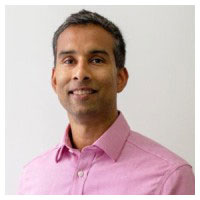
Helping founders prepare for investment: A conversation with Juan Carlos Lopez and Andy Marshall of Haystack Sciences 

11 Mar

Interview with Juan Carlos Lopez, Founder, and Andy Marshall, Partner of Haystack Sciences By Dennis Ford, Founder & CEO Life Science Nation.
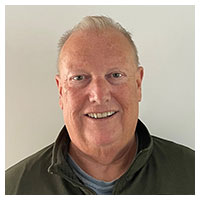
Dennis Ford
Dennis Ford
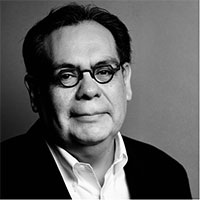
Juan-Carlos-Lopez
Juan Carlos Lopez
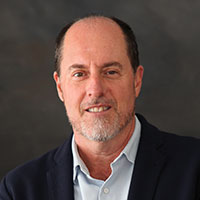
Andy-Marshall
Andy Marshall

Haystack Science is a boutique consulting firm specialized in identifying and vetting the translational potential of academic projects and preclinical companies. We met with Juan Carlos Lopez and Andrew Marshall, two former Nature editors who founded Haystack, and spoke about how they help academic startups maximize their chances of success and their potential to attract seed and early-stage capital.

Dennis Ford (DF): What is the problem you are addressing?

Juan Carlos Lopez (JC): We’re interested in the disconnect between early-stage science from academic centers and the data needed to make therapeutic projects compelling for clinical development and investment. It’s the age-old problem known as the valley of death.

Andy Marshall (AM): Or the valley of debt if you’ve put your life savings into it! At Haystack, we appreciate that company building is a long and expensive road. Unless you’ve traveled that road several times, understanding the entire path for your product from beginning to end – foundational research to clinical development – can be hard. You need to think about the whole path to be successful. We provide feedback and pointers, knowing what investors and pharma think about when evaluating opportunities, so that a project has the greatest chance of attracting capital.

DF: What differentiates Haystack from other consultants in the space?

JC: Haystack’s partners spent a good part of our careers – Andy at Nature Biotech and I at Nature Medicine – evaluating a vast range of translational research and technologies from across the globe. We know what outstanding research looks like. If you want that perspective and overview of the science behind your project and where you need to take it, we are your guys. Together we’ve worked in pharma, venture capital, and foundations, so we know what projects need to be successful in those arenas.

AM: Yes. And Haystack can make introductions. We can help you find the right investors, prepare for that one interview with them (because you won’t normally get more than one chance), and maximize your chances of success.

DF: Who are you offering your services to?

JC: Our primary clients are academic founders, TTOs, and CEOs of biotech startups in preclinical development. Haystack also helps investors and foundations assess technologies and opportunities and prioritize assets in areas of interest to their portfolios.

DF: What are some of challenges for early-stage projects or biotech startups?

AM: A lot of research published in Cell, Science or Nature has that last paragraph: “And this finding may lead to the development of new therapies…” But building a successful company around that foundational science is a long haul. Experiments take long and don’t always reproduce. Competition and technological advances can make your program obsolete. It is hard to predict from mice what works in humans. You need to orient your scientific, human and financial capital to reach first-in-human studies as efficiently and economically as possible.

JC: At Haystack, we see a lot of advanced projects aimed at wrong indications, missing key data or seeking to enter crowded markets. We can highlight areas where a project needs to refocus or correct course to maximize its chances of success.

AM: Our feedback is also objective and unbiased. There’s a myth that academics and TTOs have broad access to industry expertise in their local ecosystem. Sure, they can access that advice, but the fact is that feedback is nearly always informal and cursory. Pharma and investors are not in the business of giving you detailed feedback, they have other priorities. We, on the other hand, provide formal, objective feedback that is actionable.

JC: Yes, this is a key point. There’s usually a big delta between what people in industry want and where an academic project is. Investors don’t generally give specific feedback because they don’t see the point. Telling a founder which key experiments are missing isn’t a good use of their time because these experiments are costly and take a long time. By then, the investor’s dry powder is gone, and the fund’s strategic goals may have changed. Or a pharma company may have shifted its focus away from your therapeutic area.

DF: What services are you offering to founders or startup CEOs who come to you?

JC: Part of our passion for this area is for more entrepreneurs to succeed. This is why Haystack put together our Therapeutics Evaluation Form. It asks the questions that a pharma company would ask before launching a drug-discovery program or an investor would ask before financing a project. It is a free tool, and we regard it as partly educational. Once you complete the form, we send you back a numerical score (the Haystack Score). This reflects the potential of a project to reach clinical development and to attract further investment. It consists of around 45 questions, many of which require simple Yes/No answers and will take ~30-40 minutes to complete.

AM: If, after filling out the form, you want to delve deeper into how to improve your project, Haystack can create a custom ‘gap analysis’ that will help prioritize next steps. And if the project is ready for investment, we can introduce you to investors who might be interested in your venture. There’s a direct relationship between the likelihood of clinical development and the likelihood of attracting investment.

DF: Why do you think so few early-stage therapeutic startups are sustainable?

JC: Flawed or irreproducible science, inexperienced team, lack of capitalization, attracting the wrong investors. Also, novel technologies or new therapeutic modalities take much longer to translate into products. There are just too many unanswered questions because of the novelty. Most companies run out of money just trying to answer those questions.

AM: Yes, first-time academic founders sometimes underestimate the difference between an academic project and an industry project. Academic science is all about following new findings and opening new lines of investigation. That is the antithesis of drug development. Translation is about reduction to practice. Removing as much risk as possible about the technological, biological and clinical aspects. At Nature, we used to place a great deal of emphasis on conceptual novelty. In industry, you need enough novelty to get IP protection but, for everything else, you want corroborating evidence and as little novelty as possible to reduce risk.

DF: You mentioned tech-transfer offices. What kinds of services are you offering them?

AM: TTOs at elite institutions have extensive resources to stress test their portfolios and interface with industry, especially in Boston and San Francisco. But there are a lot of TTOs that are understaffed, underfunded and underrecognized in many parts of the USA and beyond. We help those teams prioritize opportunities and provide them with an independent assessment of the technical quality, clinical potential and commercial interest of projects in their portfolio so they can prioritize which of them to move forward.

JC: Similarly, for foundations and patient organizations funding academic science, the aim is often to move translational projects to the point where they are mature enough to attract private financing. Haystack provides advice on steering projects and can help develop the right strategy for a non-profit organization to maximize the impact of its grants.

DF: What’s your plan for Haystack this year?

JC: We are seeking to get our message out to the wider startup and TTO communities. For the first part of 2025, Haystack is expanding the client base and offering some discounts on services. We’re actively looking to expand our reach beyond the US, so we’d welcome enquiries from ventures across the globe. Anyone interested in working with us can reach out to info@haystacksci.com or visit Haystack’s website.
RESI Europe 2025 Innovator’s Pitch Challenge Finalists 

4 Mar

By Claire Jeong, Chief Conference Officer, Vice President of Investor Research, Asia BD, LSN

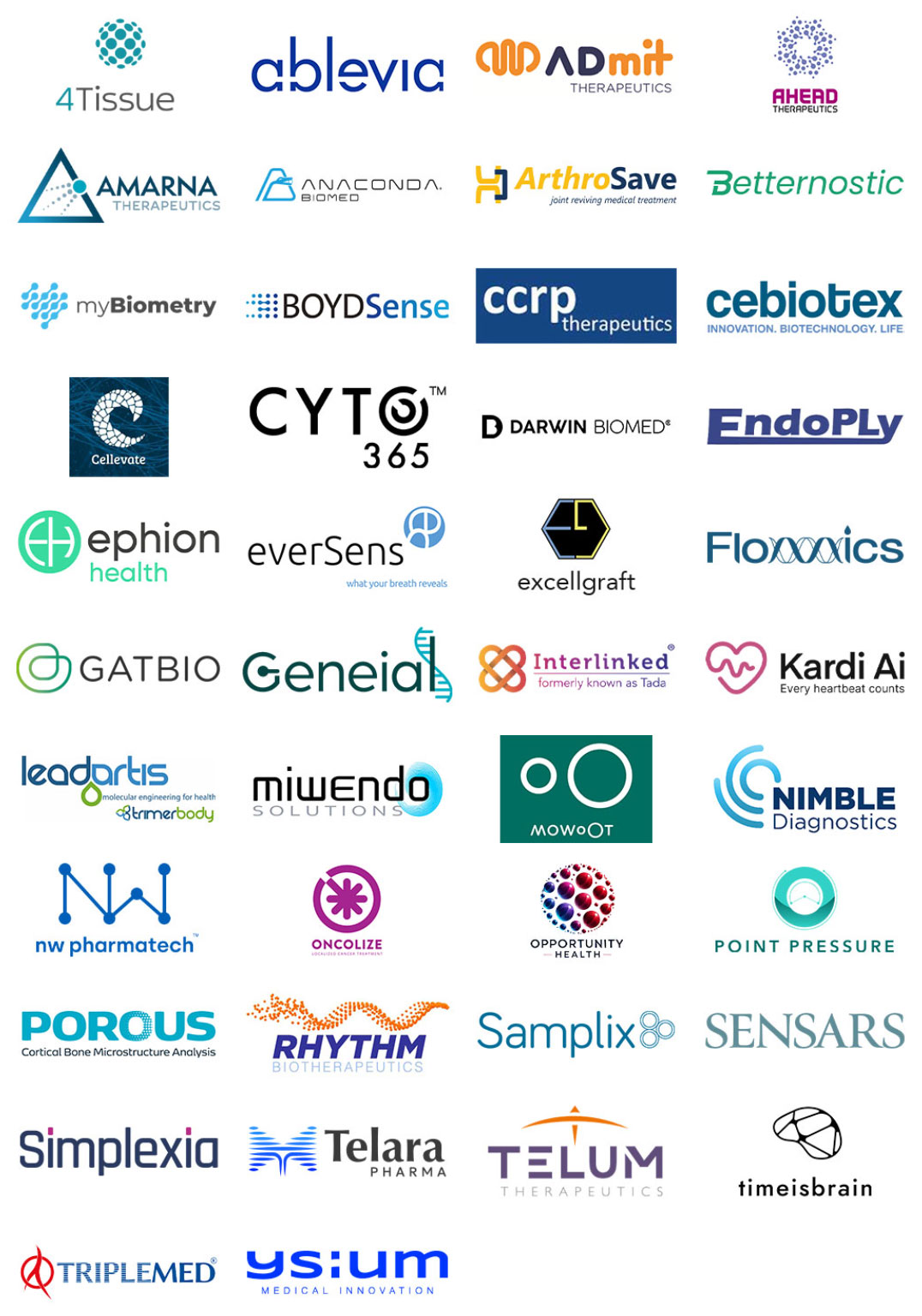
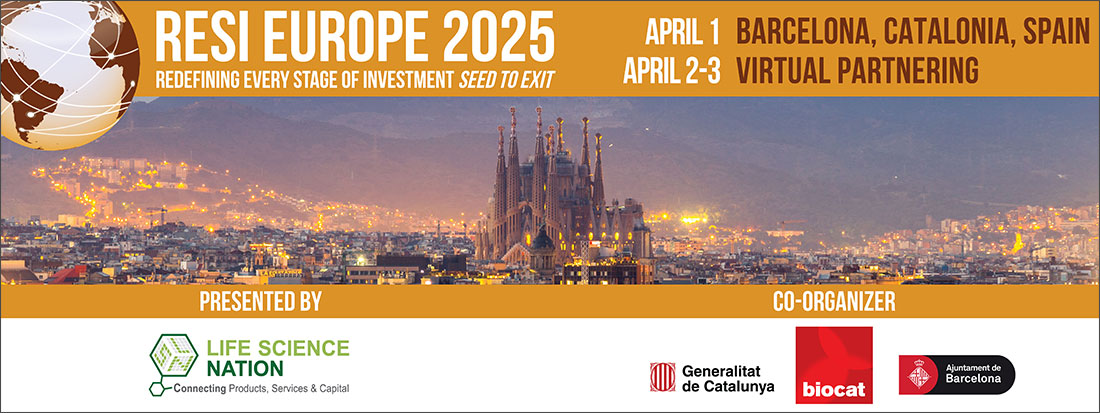
The RESI Europe Innovator’s Pitch Challenge (IPC) finalists are in! This exciting event will feature multiple pitch sessions where finalist companies present their groundbreaking innovations to a panel of investors and industry experts. Each participating company will also have table space in the RESI exhibition hall, providing attendees with opportunities to engage with them directly.

Innovator’s Pitch Challenge Companies at RESI Europe 2025

RESI Europe, co-organized with Biocat, will feature a diverse range of startups, including companies represented by incubators and tech hubs such as the European Innovation Council (EIC), Navarra, and Biocat. The challenge provides a key opportunity for participating startups to gain exposure, connect with investors, and advance their fundraising efforts.

The participating companies are listed above. If you’re attending RESI Europe, be sure to visit their tables in the exhibition hall and catch their pitch sessions. To see these presentations and meet with the companies one-on-one, you can register for the event here.

European Technology Hubs Will Be in the Spotlight at RESI Europe

4 Mar

By Greg Mannix, VP, EMEA Business Development, LSN

RESI has long been a catalyst for early-stage life science companies seeking strategic partnerships and investment. A key component of this mission is fostering relationships with technology hubs around the world, and Europe is no exception. Across the continent, regions and organizations take unique approaches to supporting innovation, but they share a common goal: helping promising startups progress from spinout to commercialization.

At RESI Europe 2025, taking place April 1-3 in Barcelona, three standout technology hubs will be prominently featured:

Region of CataloniaSpain Flag
Region of Catalonia
European Innovation Council
Region of NavarraSpain Flag
Region of Navarra

Innovative startups from these hubs will showcase their cutting-edge technologies in the Innovator’s Pitch Challenge (IPC), where they will pitch to a panel of active investors and receive valuable feedback. In addition, these companies will be featured in the IPC exhibition space, where attendees can explore their technologies and engage in meaningful discussions. RESI Europe presents a prime opportunity to connect directly with representatives from these organizations, gaining insights into their programs and the promising startups they support.

With a dynamic mix of investor panels, curated networking, and dedicated showcasing of European innovation, RESI Europe 2025 will be an essential gathering for those looking to tap into the continent’s thriving life science ecosystem.

How Ukraine Affects Global Life Science Innovation

4 Mar

By Sougato Das, President and COO, Life Science Nation (LSN)

Sougato-DasAs the provider of the global RESI conference, a critical catalyst for life science startups to meet with investors and in-licensors, we get to learn about life science ecosystems across the world. This includes Ukraine, which is in a unique situation in three areas of life sciences, some of which affects global life sciences R&D.

Firstly, Ukraine was a hotbed of industry-sponsored phase 0 – 3 clinical trials. While the majority of these were big pharma-sponsored, a substantial amount were led by early-stage companies. In the three years preceding the current war, from February 2019 to February 2022, there were 446 such trial starts in Ukraine. In the three years since, that number has dropped to just 55. With its former abundance of treatment-naïve patients, low costs, reliable healthcare provider systems and fast investigator recruitment, Ukraine used to be a favorite for companies seeking clinical PoC.

Secondly, based on late 2020 report from BioUkraine, Ukraine was emerging in the field of organic life sciences R&D. It had 15 life science hubs, 75 life science companies (including affiliate offices of large pharmas), hosted 45 life science conferences and had 12 investment firms. Although more recent statistics are not available, recent estimates conclude 20% of scientists have left the country in the last 3 years.

Finally, a lot has been said in the media recently about rare earth metals (REMs) in Ukraine. Generally, we think of these metals in relation to the energy sector, especially batteries. However, 45% of REMs are used for ceramics and alloys, much of which is used in med tech and medicines (e.g. Lanthanum for kidney disease, Yttrium for cancer, Samarium for bone pain). In med devices, REM ceramics are used in electronic implants and hip replacements, while REMs are used extensively in contrast agents, magnets, electronics, x-rays, lasers and dental implants. This does not just include on-market devices; REMs are increasingly being used for developing new kinds of devices, for example, magnets to fulfill therapeutic use cases that do not have adequate solutions today.

In conclusion, Ukraine was, and could once again be, a promising region for life science innovation and research, as well as a source of unique materials for new devices, diagnostics and medicines. Despite the current situation, Ukraine is working with a number of European nations to ensure their regulations, processes and standards are aligned with Western Europe’s so they can move quickly when the opportunity is there. The intent of this article is to highlight the global interconnectedness of the life science innovation ecosystem in light of current events, which will be showcased at RESI Europe with 250 investors and in-licensors, hundreds of startups and dozens of tech hubs in attendance.

Hot Investor Mandate: VC Firm With Offices in US and China Invests in All Life Science Sectors, from Seed to Series B 

4 Mar

A venture capital firm with offices in US and China has an active investment and advisory arm. The firm invests in early-stage life science ventures, from Seed to Series B, with Series A and Series B being the firm’s sweet spot. Typical size of investment ranges from $1-2M in seed stage companies, and $3-5M in venture round companies. In addition, the firm supports entrepreneurs to expand to the Chinese market, and the firm has multiple offices in China and needed expertise to support the entrepreneur’s vision. Currently, the firm is most interested in companies based in USA, Israel, and Western Europe. 
 
The firm will consider therapeutics, medical devices, diagnostics, and life science tools. The firm is most interested in medical devices, and their interests include medtech and biotech combination products, novel methods of drug delivery, in vitro diagnostics (novel instruments and reagents), etc. The firm is interested in both 510K and PMA devices. Within therapeutics, the firm is more interested in clinical assets and typically do not look at pre-clinical companies unless the opportunity is compelling. Current main indication areas of interest for the firm are cardiovascular disease, oncology, and women’s health. 
 
The firm seeks to work with management teams who are passionate about their technology and dedicated to creating values for the larger community. Though the firm is able to support companies who are interested in entering the China market, having a China angle is not necessary for investment. The firm can act as either a lead or co-investor. 

If you are interested in more information about this investor and other investors tracked by LSN, please email salescore@lifesciencenation.com

Hot Investor Mandate: VC Firm With US and India Operations Invests Up to $10M in Therapeutics and Medical Device Companies Across the Globe

4 Mar

An investment firm with offices in US and India is actively seeking investment and partnership opportunities with therapeutics and medical device companies across the globe. Typical size of initial investment is around $5M, though the firm is capable of investing up to $10M and this is largely dependent on a case-by-case. The firm is capable of funding up to ~40% of the required amount for late stage clinical trials. The firm is also interested in-licensing partnerships and seek licensing and marketing rights on opportunities in which the firm can add significant value. 
 
Within therapeutics and medical devices, the firm is generally sector and indication agnostic. The firm is focused on later-stage opportunities with a low risk profile, usually companies in Phase IIb and beyond. However, the firm is very keen to speaking with earlier stage opportunities that demonstrate strong clinical data and high potential to enter the global market and building a long-term relationship with these groups. In terms of medical devices, the firm will invest in near market ready products. The firm generally does not invest in diagnostics or digital health. 
 
The firm seeks to invest in companies with experienced management teams with domain expertise, strong clinical data, and a clear exit strategy. The firm has an extensive professional network including fellow investors, high net worth individuals, clinical trial/regulatory affairs partners, etc. The firm takes a very active role in supporting their portfolio companies and provides mentorship and support on regulatory issues, market access, and effective clinical development strategies. 
 
If you are interested in more information about this investor and other investors tracked by LSN, please email mandates@lifesciencenation.com

If you are interested in more information about this investor and other investors tracked by LSN, please email salescore@lifesciencenation.com

Hot Investor Mandate: Life Sciences-Focused VC Invests $15M Over Company Lifecycle, Seeks Promising Therapeutics, Devices, and Diagnostics in US and Canada

4 Mar

A venture capital firm focused exclusively on the life sciences industry is making seed and venture investments and usually seeks to be the first institutional capital in a company. Equity investments are the preferred capital structure; however convertible notes may be employed for seed investments. Initial investments may be as small as $1M (seed-stage companies) with up to $15M allocated over the life of the investment. The firm invests in US and Canada. 
 
The firm is focused on investments in therapeutics, medtech and diagnostics. The firm is agnostic in terms of subsector and indication and invests in early pre-clinical up unto Phase III therapeutic assets with the caveat being that the capital needs of the company fall within the fund’s criteria for investment size. As for devices and diagnostics stage of development, the firm invests in products in development and in clinical settings given the aforementioned capital constraints for therapeutics. For medtech, the firm has a preference for 510(k) regulatory pathways but will also evaluate devices with a PMA pathway. 
 
The firm has no strict criteria for management teams and will work with novice entrepreneurs, however those management teams with experience are favored. The firm looks to originate 2/3 of its investments in Canada and the rest in the United States, and typically seeks a board seat along with investment. 

If you are interested in more information about this investor and other investors tracked by LSN, please email salescore@lifesciencenation.com