VerImmune is an emerging biotechnology company advancing a novel virus-inspired platform designed to redirect the body’s existing immune memory toward hard-to-treat diseases. The company participated in RESI JPM as part of the Enterprise Singapore delegation, reflecting Singapore’s growing role as a global hub for biomedical innovation and cross-border collaboration. In this conversation, Founder & CEO Joshua Wang shares insights into VerImmune’s scientific approach, clinical ambitions, and momentum following recognition as an Innovator’s Pitch Challenge (IPC) winner.
Caitlin Dolegowski (CD): For readers who are just discovering VerImmune, how do you describe the company and its scientific focus?
Joshua Wang (JW): VerImmune is an IND-enabling stage biotechnology company leveraging the natural architecture of viruses to create a self-assembling Virus-inspired Particle (ViP™) platform for targeted therapeutic delivery of diverse payloads for oncology, autoimmunity, and animal health indications
VerImmune’s lead ViP program, VERI-101, is pioneering a new First-in-Class immuno-oncology paradigm that repurposes existing CMV-specific T-cell memory cells (present in ~85% of adults globally) to recognize and eliminate solid and metastatic tumors in a tumor-type-agnostic manner, either as a monotherapy or in combination with existing standards of care.
CD: What unmet medical need are you targeting, and how does your platform or approach differentiate you in the immunology landscape?
JW: Despite recent blockbuster innovations like checkpoint inhibitors (PD-1/PD-L1) , antibody drug-conjugates and radioligand therapies, resistance to these treatments and other standards-of-care becomes inevitable and cancer recurs. This inevitably creates a large population of post-failure patients with limited to no options.
Hence, the biggest unmet need in oncology remains dealing with such cancer resistance and recurrence.
VerImmune has discovered that within these patient populations, regardless of previous treatment, most patients still retain a robust immunity to viruses.
VerImmune targets this preserved anti-viral immune memory and repurposes it against tumors, bypassing previous mechanisms of immune or genetic resistance.
Since all patients have pre-existing viral immunity (e.g to CMV which is what VERI-101 targets), VerImmune’ s approach represents a distinct and potentially category-defining modality in immuno-oncology, with clear strategic and partnering value in the post-failure setting and most importantly, giving patients one more shot at a treatment opportunity!
CD: What was your experience participating in the Innovator’s Pitch Challenge at RESI JPM?
JW: As part of the Enterprise Singapore startup delegation from Singapore, participating at the Innovator’s Pitch Challenge at JPM RESI 2026 was a high-impact international opportunity as it occurred alongside 90+ other companies from around the world in a forum with concentrated investor and partner visibility. We were truly honored to win 2nd place which provides further external validation of our science, platform, and commercialization strategy before a global audience.
CD: With so many strong companies presenting, what feedback or reactions stood out to you from judges or attendees?
JW: Despite a challenging biotech financing environment, which does not favor highly novel new mechanisms and approaches, we were encouraged that judges and attendees acknowledge the strategic logic that the post-PD1/ADC/RLT failure population still retains active anti-viral immunity. They highlighted the novelty of redirecting intact, non-exhausted viral immune memory rather than attempting to generate new anti-tumor immunity or introduce another small-molecule payload, viewing it as a differentiated and refreshing timely approach.
CD: How has RESI JPM helped advance investors, partners, or industry conversations for VerImmune?
JW: Yes, being recognized as a winner has amplified the visibility of VerImmune’s approach and strengthened its perceived credibility. It has led to increased inbound interest from investors seeking to learn more, rather than relying primarily on outbound outreach.
CD: Where does the company currently stand in terms of funding, partnerships, or key development stages?
JW: We are currently at the IND-enabling stage whereby we have already had a successful pre-IND meeting with the FDA which confirmed alignment on our planned GLP Toxicology studies and CMC manufacturing scale up to GMP clinical material. We are currently working to build up a syndicate to raise our Series A to close this financing which will advance our lead ViP program- VERI-101 into first-in-human clinical trials.
CD: What milestones or inflection points are most important for VerImmune in the coming months?
JW: A key milestone is completing our Series A, which will enable full execution of our ongoing IND-enabling activities and transition VerImmune into a clinical-stage company with VERI-101 advancing into first-in-human studies.
The deadline to apply for the Innovator’s Pitch Challenge at RESI Europe has been extended to February 23. Applicants are encouraged to act quickly, as submissions are reviewed on a rolling basis.
By Greg Mannix, VP, EMEA Business Development, LSN
New collaboration strengthens access for European life science innovators to engage global capital investors and licensing partners
Cambridge, MA and Lisbon, Portugal
Life Science Nation (LSN)announced today a partnership with Dealflow.eu, naming the organization as a Title Sponsor of RESI Europe Lisbon. The collaboration supports the identification and preparation of high-potential European life science innovators and strengthens pathways for companies—where eligible—to leverage European Innovation Council (EIC) reimbursement mechanisms to participate in the RESI partnering ecosystem.
Dealflow.eu operates as a European innovation matchmaking and readiness platform, surfacing high-potential life sciences and deep-tech companies and supporting their engagement with global investors and strategic partners. Through this collaboration, Dealflow.eu will route a curated cohort of life science companies to RESI Europe Lisbon, positioning them in front of a global audience of investors and partners actively seeking early-stage opportunities.
RESI Europe Lisbon serves as the global activation layer of the Life Science Nation partnering ecosystem, connecting emerging technologies with investors and strategic partners through curated matchmaking, investor panels, and the Innovator’s Pitch Challenge. Unlike broad innovation showcases, RESI is purpose-built for early-stage life sciences partnering and capital formation, enabling qualified investors and partners to engage with technologies prepared for global scrutiny.
As part of this collaboration, Dealflow.eu will support eligible companies in accessing available reimbursement mechanisms—such as those offered through EIC programs, where applicable—to offset a portion of RESI Europe registration costs. This helps reduce participation barriers and expands access for promising European life sciences innovators to connect with global capital and strategic partner networks.
“This partnership strengthens the pathway from early innovation to global partnering,” said Dennis Ford, Founder and CEO of Life Science Nation. “Dealflow.eu operates upstream, identifying and preparing high-potential innovators for investor engagement. RESI operates downstream, providing the global activation environment where capital investors and strategic partners connect with emerging technologies. At the same time, programs such as those offered through the EIC can help support company participation and readiness along that journey.”
“We see RESI Europe as a highly complementary activation platform for the Dealflow.eu network,” said André Moraes Sarmento, Dealflow.eu. “Our mission is to connect high-potential innovators with investors, corporates, and strategic partners. This collaboration gives life science companies direct access to a global audience of qualified investors and licensing partners actively seeking early-stage technologies.”
The collaboration also includes coordinated programming at RESI Europe Lisbon, dedicated visibility opportunities for participating innovators, pre-conference preparation support, and continued alignment to strengthen pathways from European innovation to global market engagement.
RESI Europe Lisbon will take place in Lisbon, Portugal, bringing together global investors, strategic partners, and early-stage life sciences innovators across therapeutics, devices, diagnostics, digital health, and enabling technologies.
About Life Science Nation
Life Science Nation operates a global partnering and matching ecosystem that connects early-stage life sciences companies with qualified capital investors and licensing partners worldwide. Its platforms include the RESI Conference Series, LSN Labs entrepreneurial education and readiness programs, and global partnering campaign infrastructure.
About Dealflow.eu
Dealflow.eu is a European innovation matchmaking and readiness platform connecting high-potential innovators with investors, corporates, and strategic partners across Europe and globally.
Media Contact
Caitlin Dolegowski
Marketing Manager
Life Science Nation
c.dolegowski@lifesciencenatio.com
719-229-9290
In our past issue, we took a look at all the financing deals that The Needle has covered since our inaugural issue. This week we turn our attention to last year’s deal making in the preclinical biotech space.
In 2025, preclinical dealmaking didn’t just slow — it polarized. Capital clustered around AI-enabled discovery, China-sourced assets, and in vivo CAR-T cell therapies, while entire therapeutic categories effectively disappeared from licensing activity. Based on the 131 publicly disclosed preclinical transactions in our sample, we reveal where early-stage risk capital is still flowing — and where it has quietly retreated.
Similar to the data we reported in our past newsletter, our analysis captures only publicly disclosed deals (partnerships, research collaborations, licenses, joint ventures, reverse mergers, equity investments and options) on business wires, industry news sites, and venture-fund sources. In the preclinical space, many deals are carried out in stealth, and companies in some important regions (like China) don’t use business wires or news sources traditionally available in the West. For these reasons, our estimates underestimate the true level of early-stage preclinical dealmaking.
In total, we tracked 131 preclinical deals over the year, of which 42 were licensing deals, 64 were strategic partnerships/collaborations and 14 were mergers and acquisitions (M&As). In keeping with early stage’s exploratory nature, the importance of stealth, and the non-compensatory nature of much of the work done, over half of the publicly announced strategic partnerships (35 deals; 55%) had no terms disclosed. As one would expect, a smaller proportion of the licensing deals failed to provide terms, but even for this category, 8 of the 48 transactions (17%) didn’t give financial details. Four of the 14 M&As that we tracked also made no mention of deal terms.
Geographical distribution of preclinical biotechs involved in partnerships, licenses and M&As for Q2-Q4 2025. Source: Haystack Science
US-headquartered companies continue to dominate the dealmaking landscape, whether it is research collaborations, licensing or trade sales. One reason for the dominance of companies in the US — and the UK, which is second in deal activity — is likely simple math; a greater number of companies are financed and built in these countries compared with the rest of the globe (see The Needle Issue #22).
Types of therapeutic under development in preclinical biotechs that were partnered, licensed or acquired in Q2-Q4 2025. Source: Haystack Science
Strategic partnerships in 2025 favored platforms over products — and Western biotechs over Asian peers.
The 64 strategic partnerships we tracked had upfront payments that ranged from $5 million to $110 million, but the median ($35.5 million) underscores how concentrated value remains in a handful of outlier platform deals.
US companies accounted for 37 of the 64 deals (58%). Three notable partnering big-ticket deals involved biotechs splashing out large sums on preclinical collaborations, with the payers showing interest in branching out into new therapeutic modalities: last May, CRISPR Therapeutics (San Diego, CA) pivoted from gene editing to siRNA, paying $95 million to Sirius Therapeutics (Shanghai, China) to co-develop a long-acting siRNA designed to selectively inhibit Factor XI for thrombosis; in December, Regeneron Pharmaceuticals (Tarrytown, NY) spent $150 million (and made an equity investment) to jointly develop Tessera Therapeutics’ (Somerville, MA) target-primed reverse transcription therapy (TSRA-196), which uses lipid nanoparticles (LNPs) to deliver RNAs encoding an engineered reverse transcriptase (‘gene writer’), writer-recognition motifs, and a SERPINA1 template to correct a mutation in alpha 1 antitrypsin deficiency; and later the same month, peptide developer Zealand Pharma (Søborg, Denmark) announced a transaction with OTR Therapeutics (Shanghai, China), paying $20 million upfront for small-molecule programs centered around validated targets of Zealand’s franchise in cardio-metabolic disease.
Disease areas in which preclinical biotechs are developing therapeutics that were partnered, licensed or acquired in Q2-Q4 2025. Source: Haystack Science
For obvious reasons, target discovery and drug screening comprise about a third of collaborations and partnership agreements, but do not figure much in licensing and M&A. Mentions of machine learning in partnering deals (18.2% of 2025’s deals, with several in the top 10 grossing set) suggest large-language and other models are an increasingly established facet of preclinical development. Neurodegenerative disorders garnered the second largest number of partnering transactions in our 2025 sample. And, with all the noise around GLP-1s and other incretins, metabolic disease and obesity were the focus of 11% of deals.
Perhaps the most counterintuitive finding in the partnership data is the near-total absence of China-headquartered companies — despite their dominance in preclinical licensing. This may reflect geopolitical friction, IP risk tolerance or a Western preference for control in collaborations. Alternatively, the absence may reflect the limitations of Haystack’s methodology for collecting data. Certainly, the partnership data contrasts starkly with our licensing data, which show Chinese assets performing so well that they are biting at the heels of US companies and running far ahead of UK companies. In contrast, for strategic partnerships, it was UK-, and South Korea-based firms that were most prominent behind the US (15%, and 7% of dealmaking, respectively).
Top 10 partnering deals for preclinical biotech companies Q2-Q4 2025 ranked by size of upfront payment. Source: Haystack Science
For licensing, the shift to Asia seen in later parts of the biotech pipeline is also manifest in the preclinical space.
Chinese companies were involved in nearly a quarter of all the licensing deals made last year, clinching 11 out of the 48 deals we tracked. This interest in early-stage Chinese assets mirrors last year’s banner deals for later-stage assets, such as Pfizer’s ex-China rights acquisition of 3SBio’s (Shenyang, China) PD-1 x VEGF bispecific antibody for $1.25 billion, or GSK’s $1.10 billion acquisition of Jiangsu Hengrui’s (Lianyungang, China) phosphodiesterase 3/4 inhibitor and oncology portfolio. Overall, deals seeking access to assets from Asian biotechs (companies based in China, South Korea, Singapore and Taiwan) comprised 33% of all preclinical licensing transactions in our sample.
Looking at the preclinical licensing as a whole, upfront amounts ranged from $0.7 million to $700 million, with a median value of $35 million. Most deals centered around cancer, followed by autoimmune, neurodegenerative and metabolic diseases.
What was perhaps most surprising is that we didn’t see any licenses for preclinical assets in the cardiovascular space, suggesting that the interest of a few years ago has somewhat diminished (although assets for heart disease still made up 4% of partnering agreements). Notably absent from preclinical licensing in 2025: cardiovascular, pulmonary, skeletomuscular, hepatic, pain, psychiatry, women’s health, sleep, hearing, and stroke. This pattern perhaps reinforces the industry’s retrenchment toward genetically anchored, biologically de-risked indications. Together, these licensing gaps underscore a 10-year low in early-stage risk appetite outside traditional blockbuster categories.
The top 10 licensing deals from last year are listed in the Table below. Of this elite tier of top-grossing deals, cancer and autoimmune comprised the lion’s share (70%), with neurodegenerative, neurodevelopmental, metabolic, and ophthalmic disease all represented. Only two of the top 10 deals involved traditional small molecules (with one additional license for a molecular glue), whereas biologics accounted for seven. While small molecules still comprise the biggest chunk of licensing activity (18.9%), deals trended toward bispecific and multispecific antibodies for cancer immunology and autoimmune indications — and biopharma was prepared to pay: Of the 8 licensing transactions for multispecifics in our sample, IGI Therapeutics’ (New York, NY) deal with Abbvie, and CDR Life’s (Zurich, Switzerland) agreement with Boehringer Ingelheim, ended among the top 10 grossing deals of the year.
Top 10 licensing deals for preclinical biotech companies Q2-Q4 2025 ranked by size of upfront payment. Source: Haystack Science
Which leads us to mergers. Overall, we tracked 14 M&A deals last year in the preclinical space. According to Dealforma data presented at JP Morgan, private biopharma accounted for just over 55% of merger activity in 2025 on par with previous years. In the Haystack data, 12 of the 14 acquisitions for preclinical programs were for US-based private companies, reinforcing the historical trend of American biotechs outperforming those in the rest of the world in terms of negotiating successful exits for their investors.
M&A deals for the eight preclinical biotech companies in Q2-Q4 2025 where financial terms were disclosed ranked by deal size. Overall, Haystack tracked 14 preclinical M&As, six of which gave no financial terms. Source: Haystack Science
The biggest story in early-stage mergers from last year, though, was biopharma’s ravenous appetite for in vivo CAR-T cell therapy, with Capstan, Orbital and Interius comprising 3 of the 14 acquisitions recorded by Haystack, all of which ranked among the top 5 highest upfront payments. As our sampling commenced in April 2025, we missed another deal: AstraZeneca’s acquisition of lentiviral in vivo CAR-T therapy developer Esobiotec, originally announced in March 2025 with an upfront of $425 million. All in all, in vivo CAR-T therapies claimed 4 of the top 5 acquisitions last year.
In sum, the preclinical dealscape in 2025 reveals an industry willing to fund innovation — but only when paired with platform leverage, delivery, or late-stage optionality. As Haystack tracks dealmaking through 2026, the key question will not be whether capital returns to early-stage biotech, but whether it broadens beyond today’s narrow set of ‘acceptable’ risks. We look forward to tracking deals throughout 2026 and identifying new emerging trends in biotech deals.
An investment firm and incubator is focused on biotechnology and healthcare. The firm prefers to participate in early-stage and Seed financings as well as later-stage and pre-IPO rounds. The firm typically makes a limited number of investments per year, with initial allocation sizes generally ranging from $500K to $5M for early-stage opportunities and approximately $2M to $10M for later-stage investments. The firm utilizes flexible capital structures on a case-by-case basis and has experience with both equity investments and convertible loans. While the firm primarily invests in U.S.-based companies, the firm is open to evaluating opportunities globally.
The firm is primarily interested in biotechnology therapeutics and medical technology. The firm considers a wide range of therapeutic modalities and has particular expertise in molecule development, while generally avoiding medical devices and digital health. The firm will evaluate diagnostic opportunities but prefers a focus on genomics and biomarker-based diagnostics. The firm considers therapeutics at the preclinical stage through Phase I, Phase II, and Phase III clinical development, as well as medical technology and diagnostics that are in development or clinical stages. The firm is disease-agnostic and evaluates opportunities across indications, with prior experience in oncology and autoimmune-related technologies.
From a company and management team perspective, the firm prefers to partner with experienced management teams that are fully dedicated to their technology and company. The firm is an active investor and may take a board seat on a case-by-case basis depending on investment size. The firm is open to acting as both a lead investor and a co-investor.
If you are interested in more information about this investor and other investors tracked by LSN, please email salescore@lifesciencenation.com.
By Tony Jones, CEO, One Nucleus (Special Guest Contributor)
Every January, JPM Week serves as a useful reference point for the global life sciences industry. It brings together capital, companies, and partners at an unmatched scale with so many co-located events. Processing how to spend their time at JPM Week is a great exercise for companies to evaluate their wider investment and dealmaking plans given not all partnering and investment environments are the same.
How to choose the best event for their company is a frequent question we receive at One Nucleus from our network and having spent time with a range of UK and European companies trying to focus their cash and time resources to optimise chances of success. JPM Week is an obvious hub to target in the US, of course, provided the homework and planning is done to try and be in the right place at the right time. Having spent time with UK and European executives at JPM, it is clear that for early-stage teams in particular, the experience they describe reinforces an important lesson. Access to an event or partnering platform alone is insufficient and depends on whether it is designed to support where a company actually is on its journey and what it needs next.
In the absence of a JPM Week, although the nascent London Life Sciences Week is trying to evolve in that direction, early-stage European companies seeking investment have a far less obvious starting point. The larger, bio-partnering events play an important role and are extremely efficient for biopharma companies of all stages in that capacity. Equally, the larger investment events play a somewhat effective role but are perhaps more suited to later-stage companies with established programs, clear clinical development strategies and well-defined buyers. This is not a reflection of scale, attendee mix or necessarily cost which is a relative term, it is a question of fit and whether that is the right place to be at the right time to justify the budget spend.
What early-stage companies can need is a different kind of forum that prioritises readiness, qualification, and stage-appropriate engagement over shots on goal. Taking a hands-on approach to curating the attending companies and investors, can create a better fit and hence increase the chances of success for all concerned. The early-stage dominance of the European sector means Europe needs this part of the conference jigsaw, providing quality connection to both local investors and channels to global investors active in their space and stage. Translating strong science into something global investors and licensing partners requires preparation, clarity around risk, and disciplined positioning, issues many young companies need guidance to work through.
That is why platforms such as RESI Europe matter in the European context. As an ecosystem organisation, One Nucleus sees the additional, not just competing value the LSN platform brings to our members, providing options over how and when to leverage different forums.
Interview with Paula Cerqueira, VP of Scientific Strategy
Proseek Bio is advancing a new approach to women’s health diagnostics by translating cutting-edge glycoproteomics into clinically deployable tools. In this interview, Michelle Hill, CEO of Proseek Bio, discusses the company’s focus on ovarian cancer pre-surgical triage, the unmet clinical needs driving its platform, and how participating in the Innovator’s Pitch Challenge at RESI JPM shaped investor conversations as the company prepares for global expansion.
Caitlin Dolegowski (CD): For those unfamiliar with Proseek Bio, how do you describe the company and its core technology or therapeutic focus?
Michelle Hill (MH):Proseek Bio is an Australian diagnostics company focused on women’s health, developing blood-based tests designed to improve how complex conditions are assessed and managed in clinical practice. Ovarian cancer is our first indication, with an initial focus on pre-surgical triage.
Our platform is built on advanced glycoproteomics, integrating multiple protein biomarkers into a single algorithmic score to support clinical decision-making. Rather than relying on any one marker, this multi-analyte approach reflects the biological complexity of disease and enables more informative risk assessment at critical clinical decision points.
What differentiates Proseek Bio is our strong translational focus. The underlying science has been validated through years of academic and clinical research, and we are now converting that work into regulated, scalable diagnostic products for real-world healthcare systems. By targeting earlier decision points such as triage, we aim to support more appropriate referral and intervention, with a longer-term goal of expanding our platform across additional women’s health indications.
CD: What unmet need are you addressing, and why is now the right time for your approach?
MH: A key unmet need in women’s health diagnostics is the lack of objective tools that reflect real-time disease biology at early clinical decision points. In ovarian cancer pre-surgical triage, clinicians must assess risk using tests with limited biological resolution, which can lead to unnecessary intervention or delayed specialist referral.
Proseek Bio addresses this gap through glycoproteomics, focusing on the glycans attached to proteins that regulate how those proteins function. While genes indicate what could happen and proteins act as messengers, glycan patterns reveal what disease is actively doing in the body. These modifications change early in cancer and cannot be resolved by genomics or standard immunoassays. By integrating glycan and protein signals into a multi-biomarker signature, our tests aim to deliver more informative risk stratification.
The timing is right because advances in clinical mass spectrometry and data analytics have made this biology clinically scalable, enabling integration into existing laboratory workflows and routine care.
CD: What was your experience participating in the Innovator’s Pitch Challenge at RESI JPM?
MH: Our first time participating in the Innovator’s Pitch Challenge at RESI JPM was an energising experience. Pitching to a room filled with sophisticated investors and peers reinforced the importance of clear, disciplined storytelling when presenting complex diagnostic technologies.
As part of the Brisbane Economic Development Agency cohort, we were proud to represent Brisbane’s growing life sciences ecosystem. Beyond the pitch, the table showcase led to thoughtful conversations with investors and fellow founders who were genuinely engaged with both the clinical problem and our translational approach.
Overall, the experience was validating and motivating. It confirmed that our focus on clinically deployable diagnostics in women’s health resonates with a global audience, and it was rewarding to see that reflected in the recognition we received.
CD: Out of 94 Innovator’s Pitch Challenge companies, what do you think helped Proseek Bio stand out to judges and attendees?
MH: Women’s health remains significantly underrepresented in diagnostic innovation, and that focus clearly resonated with judges and attendees. Ovarian cancer, in particular, represents a high-impact unmet need, especially at early clinical decision points such as pre-surgical triage.
Proseek Bio was the only diagnostics company on the podium, reflecting the distinctiveness of our approach. By applying glycoproteomics to analyse glycan and protein signatures together, we deliver a more biologically informative assessment of disease activity while remaining compatible with existing clinical laboratory workflows.
Importantly, we were able to clearly articulate not just the science, but the pathway to a regulated, scalable diagnostic product. That combination of unmet clinical need, novel biology, and disciplined execution helped differentiate Proseek Bio in a very strong field.
CD: How did RESI JPM impact discussions with investors, partners, or potential collaborators?
MH:Being recognised on the Innovator’s Pitch Challenge podium gave investors immediate confidence in both the opportunity and the discipline behind the company, and it strengthened engagement with potential partners. Overall, RESI JPM acted as a signal amplifier, reinforcing Proseek Bio’s readiness for global investment and collaboration while accelerating meaningful follow-on conversations.
CD: Where does Proseek Bio currently stand in terms of fundraising, partnerships, or development milestones?
MH: Proseek Bio is currently completing its Seed round to support development of our first product, OC-Triage. This funding is enabling a clinical study, implementation of a quality management system, and ISO accreditation to support pilot manufacturing, alongside evaluation of OC-Triage with Australian clinical laboratory partners.
In parallel, we are preparing for a Series A focused on U.S. market entry. RESI JPM provided an important opportunity to initiate discussions with U.S.-based clinical and laboratory partners, laying the groundwork for future validation and commercial pathways.
Together, these milestones reflect a transition from technology validation to execution as Proseek Bio advances toward regulated, clinically deployable diagnostics in women’s health.
CD: What upcoming achievements or milestones are you most excited to share with the life sciences community?
MH:Over the coming year, we are focused on completing the OC-Triage product and establishing pilot manufacturing under an ISO-accredited quality system. These milestones represent an important transition from development to regulated production readiness.
In parallel, we are advancing clinical evaluation with laboratory partners, which will be critical in demonstrating real-world performance and scalability. Together, these steps mark a shift from innovation to execution.
What excites us most is seeing years of science translate into something tangible: a product that can be manufactured, validated, and ultimately used to support better clinical decisions for women.
Interested in pitching your company to a highly engaged investor audience focused on early-stage life science innovation? Applications are now open for the Innovator’s Pitch Challenge at RESI Europe. Selected companies receive direct feedback from a dedicated group of investors, access to 1:1 partnering, and visibility with global industry leaders.
Apply to pitch and position your company for meaningful investor conversations.
Interview with Paula Cerqueira, VP of Scientific Strategy
Sania Therapeutics is developing a next-generation gene therapy platform focused on treating neurological symptoms driven by dysfunctional neural circuits. At RESI London, the company was recognized as a Third-Place winner in the Innovator’s Pitch Challenge and received the highest score from the judging panel, underscoring strong investor interest in its controllable and circuit-specific approach to gene therapy. In this interview, Sania Therapeutics shares its therapeutic focus, differentiated platform, and how participation in RESI has helped shape ongoing conversations with investors and strategic partners.
Caitlin Dolegowski (CD): For those just discovering Sania Therapeutics, how do you describe your company and therapeutic focus? Paula Cerqueira (PC): Sania Therapeutics is developing a new class of controllable gene therapies designed to treat neurological symptoms driven by dysfunctional neural circuits. Our platform combines localized, low-dose AAV delivery that selectively targets specific neuronal subpopulations with patient-controlled activation, allowing us to precisely modulate hyperactive neurons, improving symptoms without adversely and permanently altering normal neural function.
Our initial therapeutic target is a motor circuit disorder: spasticity. Our broader goal is to expand into additional motor and sensory indications where current treatment options are limited, invasive, or poorly tolerated.
CD: What unmet medical need are you addressing, and what differentiates your approach? PC: Millions of people live with debilitating neurological symptoms such as spasticity and pain disorders, yet existing treatments are often temporary, blunt, or invasive. Oral drugs frequently cause systemic side effects, while interventions like Botox or implanted devices require repeated procedures and provide limited relief. Despite the scale of this unmet need, there has been little meaningful innovation in this area for more than a decade.
Sania’s approach is differentiated in two key ways. First, our proprietary platform enables selective targeting of the neural circuits that drive disease using localized, low-dose AAV delivery. This approach is intended to support a safer, more sustainable, and more scalable path for gene therapy than traditional systemic delivery.
Second, our therapy is controllable. Patients can adjust the therapeutic effect using an oral activator, allowing symptom modulation over time. This puts patients in control while enabling precise and flexible therapeutic regulation.
Our mission at Sania is to bring gene therapy into everyday clinical use by meaningfully improving the lives of people living with neurological conditions. While this is an ambitious goal, for patients who struggle daily with basic activities such as holding a child, we believe this approach has the potential to be truly transformative.
CD: What was your experience participating in the Innovator’s Pitch Challenge at RESI London? PC: Participating in the Innovator’s Pitch Challenge at RESI London was an extremely valuable experience. The format encouraged clarity and discipline in how we communicated both our science and long-term vision, and the audience questions reflected a high level of engagement from investors and industry leaders.
Being recognized as a Third Place (First Place among judges in our session) winner among a strong and diverse group of companies was particularly meaningful, and it reinforced that there is a strong interest in approaches that rethink how gene therapy can be applied beyond ultra-rare indications.
CD: How has the RESI platform influenced conversations with investors or strategic partners? PC: RESI offered a valuable opportunity to present our work to a broad set of investors and strategic partners and to test our messaging with a highly informed audience. While many groups are understandably focused on later-stage opportunities, the platform helped us refine our positioning and identify areas of alignment for future conversations as the company progresses.
Following the Innovator’s Pitch Challenge, we also initiated early, informal conversations that we expect to build on as the company continues to mature.
CD: Where does Sania Therapeutics currently stand in terms of fundraising or partnerships? PC: Sania Therapeutics is currently focused on advancing its lead spasticity program and platform toward key preclinical and IND-enabling milestones, while continuing to expand the broader platform supporting multiple motor and sensory indications.
In parallel, we are building relationships with investors and strategic partners aligned with our long-term vision. As the platform matures and data advances, we expect to raise funding to support clinical entry of our lead program and the continued development of additional programs enabled by the platform, and we welcome conversations with groups interested in engaging early.
CD: What upcoming milestones are most important for the company? PC: Our near-term focus is on advancing our lead spasticity program across regulatory and manufacturing activities and initiating IND-enabling studies in 2026. Reaching that point will significantly de-risk the program and position us well as we move this innovative approach toward the clinic.
In parallel, we are making meaningful progress on platform development to support expansion into additional motor and sensory indications. A key goal for the team this year is to validate our first sensory capsid in vivo, leveraging the same delivery and control principles demonstrated in our lead program.
Applications are now open for the Innovator’s Pitch Challenge at RESI Europe. Life science and health tech companies seeking targeted feedback from a dedicated group of coordinated investors are encouraged to apply to participate in interactive pitching, partnering, and one-to-one meetings at RESI Europe.


 Joshua Wang
 Caitlin Dolegowski

 New collaboration strengthens access for European life science innovators to engage global capital investors and licensing partners






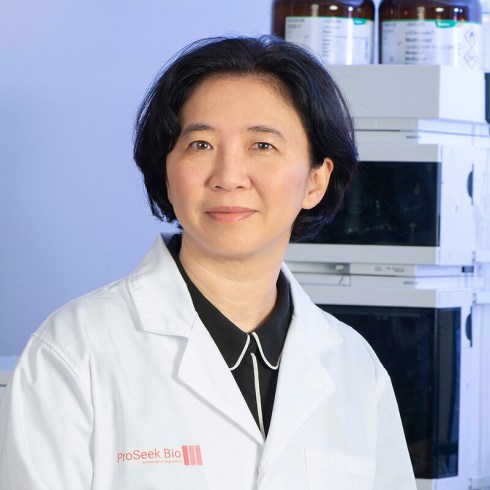 Michelle Hill

 Paula Cerqueira

