Building the Innovation Bridge Between Japan and the World

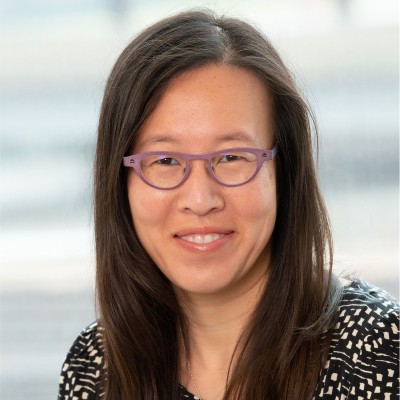
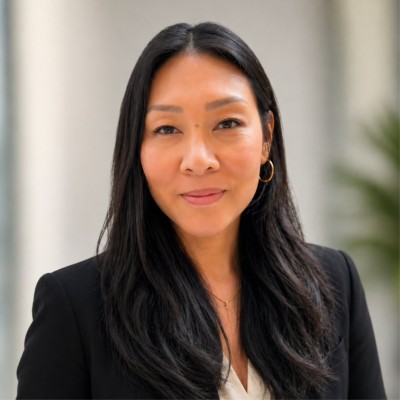
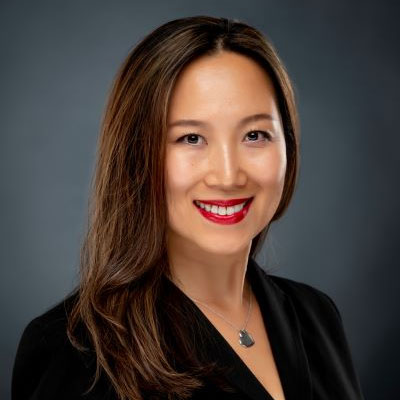
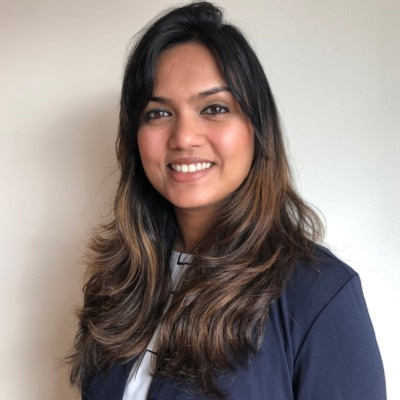
By Claire Jeong, Chief Conference Officer, Vice President of Investor Research, Asia BD, LSN

Japan has world-class science, deep pharmaceutical expertise, and a rich pipeline of emerging life science technology. It is now delivering an innovation bridge that connects that innovation to the global life science community.

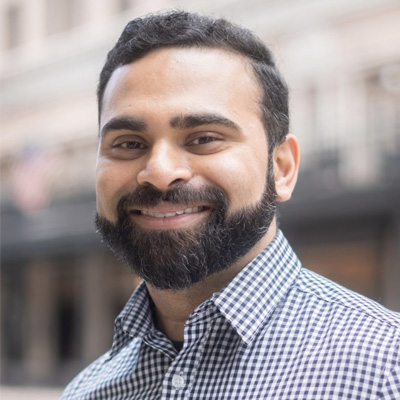
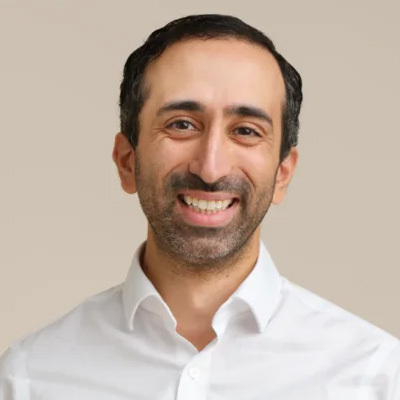
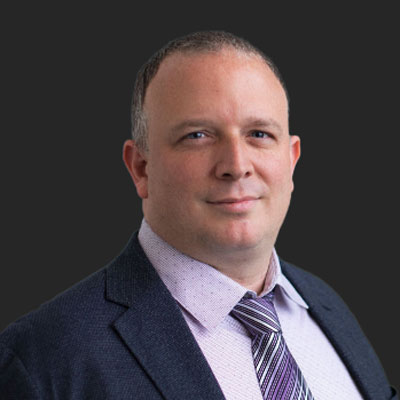
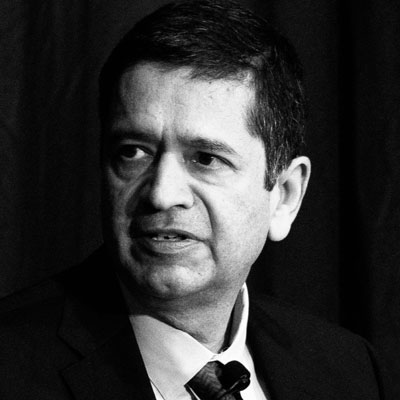
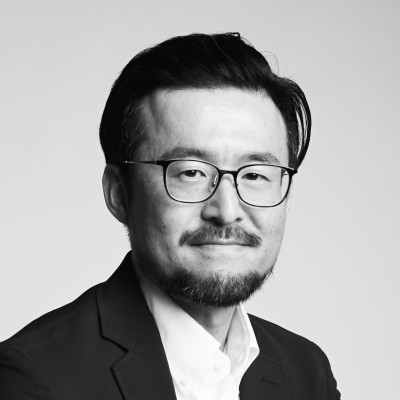
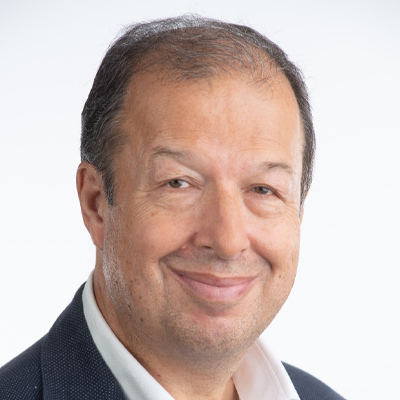
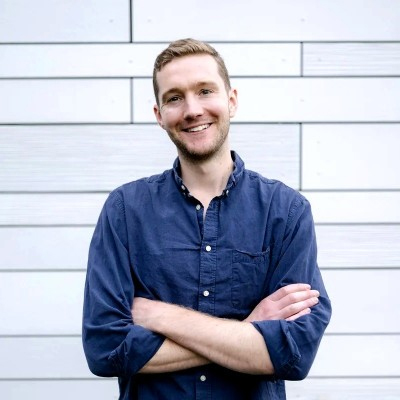
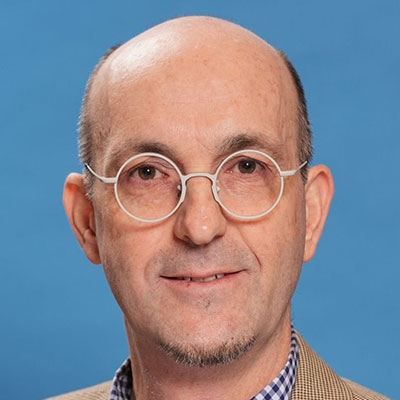
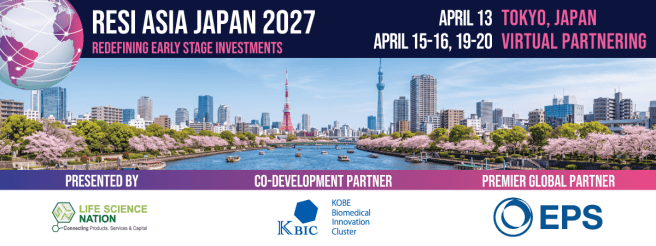
At RESI Boston 2026, our 8th annual Global Family Office BioForum Luncheon will bring together international family offices for a private, invitation-only conversation about the emerging bridge between Japan and the rest of the world. I will be joined by Keiko Kobayashi of the Kobe Biomedical Innovation Cluster (KBIC) and Rick Berenson, Managing Director of Venzyme Catalyst.

KBIC is one of Japan’s largest life science clusters, and our work together is centered on three objectives: helping Japanese technology assets enter the global arena, bringing international investors and strategic partners closer to Japan’s innovation ecosystem, and fostering cross-border investment syndicates that connect Japanese and international investors around opportunities in both markets.

The pieces are coming together. KBIC brings the Japanese ecosystem, company pipeline, and government relationships. Venzyme Catalyst brings early-stage assessment, shaping, and de-risking. LSN brings commercialization preparation, RESI, BD Assist, and its global network of investors and licensing partners. Keiko will share what KBIC is building in Japan, while Rick and I will explain how the commercialization engine connects regional innovation to the global marketplace.

Then we will do what has made the BioForum work for eight years: get out of the way and let the room work. The real value is the conversation among family offices as they compare perspectives, share experiences, and build relationships with peers. Attendance is limited and by invitation only. Family offices interested in attending can reply to this newsletter or contact Life Science Nation to request an invitation.

Global Family Office BioForum Luncheon
Tuesday, September 22, 2026, 12:00 to 1:00 pm
Westin Copley Place, Boston
Private and invitation only

RSVP for GFOB Here

Featuring:

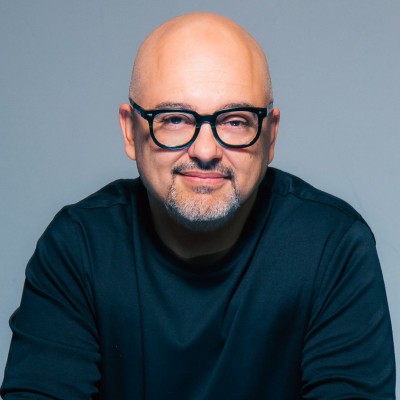
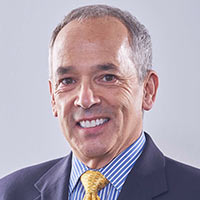
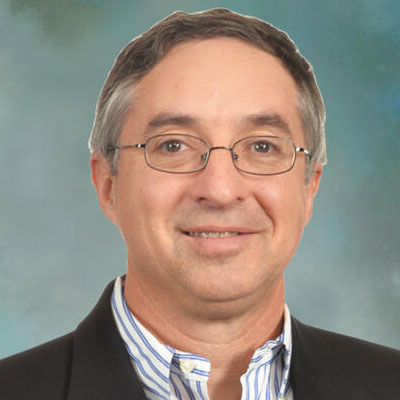
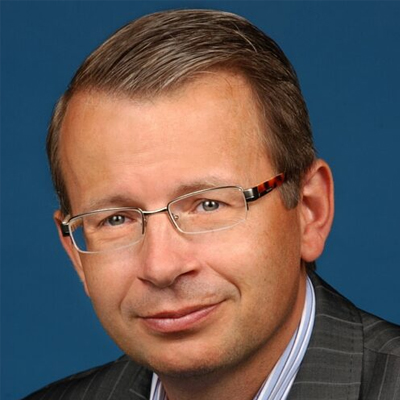
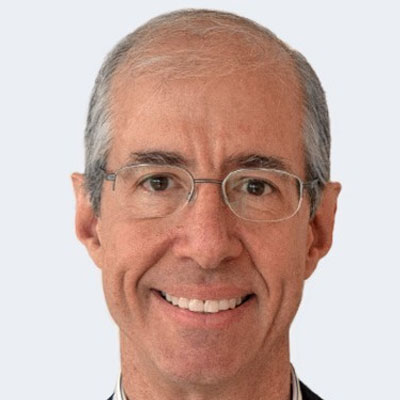
Dennis Ford

Dennis Ford
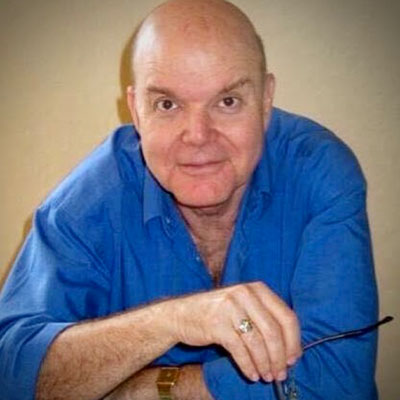
Founder of Life Science Nation, Creator of RESI, and Architect of LSN Labs
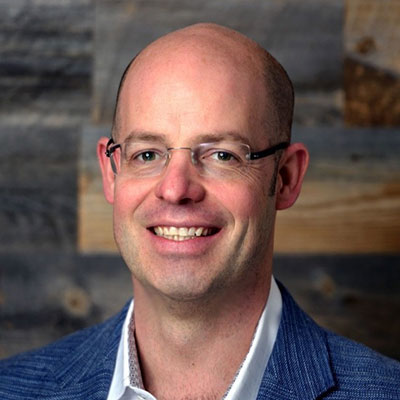
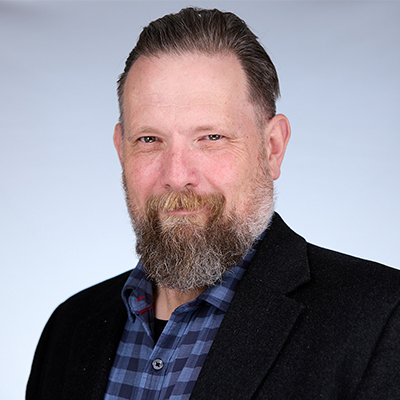
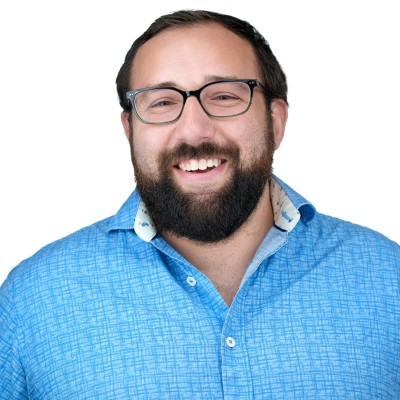
Rick Berenson

Rick Berenson
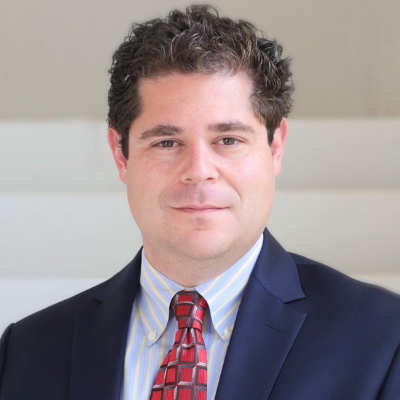
Managing Director, Venzyme Catalyst
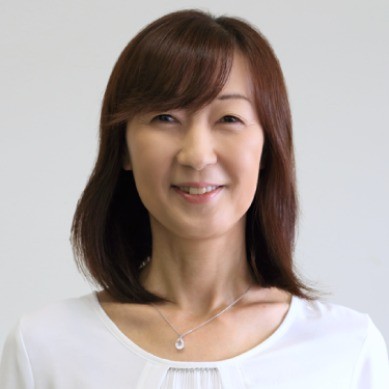
Keiko Kobayashi

Keiko Kobayashi
Business Strategies, Head of International Ecosystem Development, KBIC
Register for RESI Boston


It Is Not the Pitch Deck Anymore. It Is the De-Risked Deck.

A Boston Biotech Week note from Dennis Ford, Founder and CEO, Life Science Nation

By Dennis Ford, Founder & CEO, Life Science Nation (LSN)
DF-News-09142022

Boston Biotech Week brings the whole industry into one city at once. Big stages, packed agendas, strategic executives, investors, and hundreds of emerging companies working the room. There is real value in all of it. But if you are an early-stage CEO trying to raise your next round, you have a narrower problem. You do not need to meet everybody. You need to meet the people who can actually fund you.

Over the last few years, I have watched the investor conversation change. The science is as strong as ever. What has changed is what happens after the science leaves the lab and somebody has to finance the long road to the clinic. Founders were taught to build a pitch deck: the unmet need, the science, the market, the team, the ask. There is nothing wrong with that formula, but it no longer answers the question an early-stage investor is actually asking: risk. What has been proven, what has not, where the company could fail, and what the next round actually retires. That is why the pitch deck is becoming something else. I call it the de-risked deck.

This matters because life science has a structural problem we do not talk about enough. We built an extraordinary discovery engine and pour billions into it, and it works. What we never built beside it, with the same discipline, is the commercialization engine. A scientist spends twenty years mastering a pathway and then is expected to run a company that demands regulatory strategy, clinical development, IP, reimbursement, capital formation, and partnering. That is a different profession, and we expect founders to learn it while keeping the company alive.

So too many companies start raising before anyone has put the asset through the full risk stack, and that gets expensive. A company can burn years and millions moving toward an IND only to find that a regulatory assumption was wrong or the IP is thinner than it looked. Problems that cost thousands to surface early cost millions once they are buried in the plan. The process should run the other way. Vet early. Find the risks while they are still cheap to address. Retire what you can, manage what you cannot, and build the financing strategy around the milestones that take those risks off the table. That is what makes a company legible to capital.

That is where RESI is different. In a week full of networking, RESI is built for one thing: the early-stage financing problem. By the time we open, roughly 400 international early-stage investors will be in the building, covering Seed up to two million, Series A up to ten million, and Series B up to fifty million. More than 200 investment firms have already registered. A founder does not come to RESI for another thousand names in a directory. They come to find the specific investors whose mandate fits their stage of development and product, and to get in front of them.

Investor Firms Exclusive to RESI Boston 2026

Two rooms make that sharper. The Global Family Office BioForum brings 40 family offices from around the world, patient private capital that is hard to reach, and this year they are taking partnering meetings alongside the forum. The Cross-Border Investor Luncheon puts international investors together with regional VCs, because a regional fund often has access to companies it cannot finance through multiple rounds, and an international fund has capital and reach but no visibility into the local ecosystem. Put them together, and you are not collecting contacts; you are building a syndicate.

None of this replaces the work. No conference makes an unprepared company fundable. The science has to stand up, the milestones have to make sense, and the CEO has to understand the risks well enough to have a conversation rather than deliver a presentation. When founders make that shift, it shows. FELIQS, one of our recent Innovator’s Pitch Challenge companies, told us RESI helped them sharpen how they communicated the clinical and commercial opportunity and opened the door to real financing discussions. The science had not changed. Their ability to make it legible to capital had.

The science is the reason a company exists. Making it financeable gives it a chance to survive.

LSN and RESI have been part of Boston Biotech Week since its inception. If you are an early-stage company looking for capital or licensing deals, RESI is the right room to be in. If you are there to shop for service providers, plenty of other rooms are built for that. RESI is built for matching partners and facilitating early-stage transactions.

Boston is our hometown, and this is where RESI shines. That is the de-risked deck, and this week, that is the conversation we want to have.

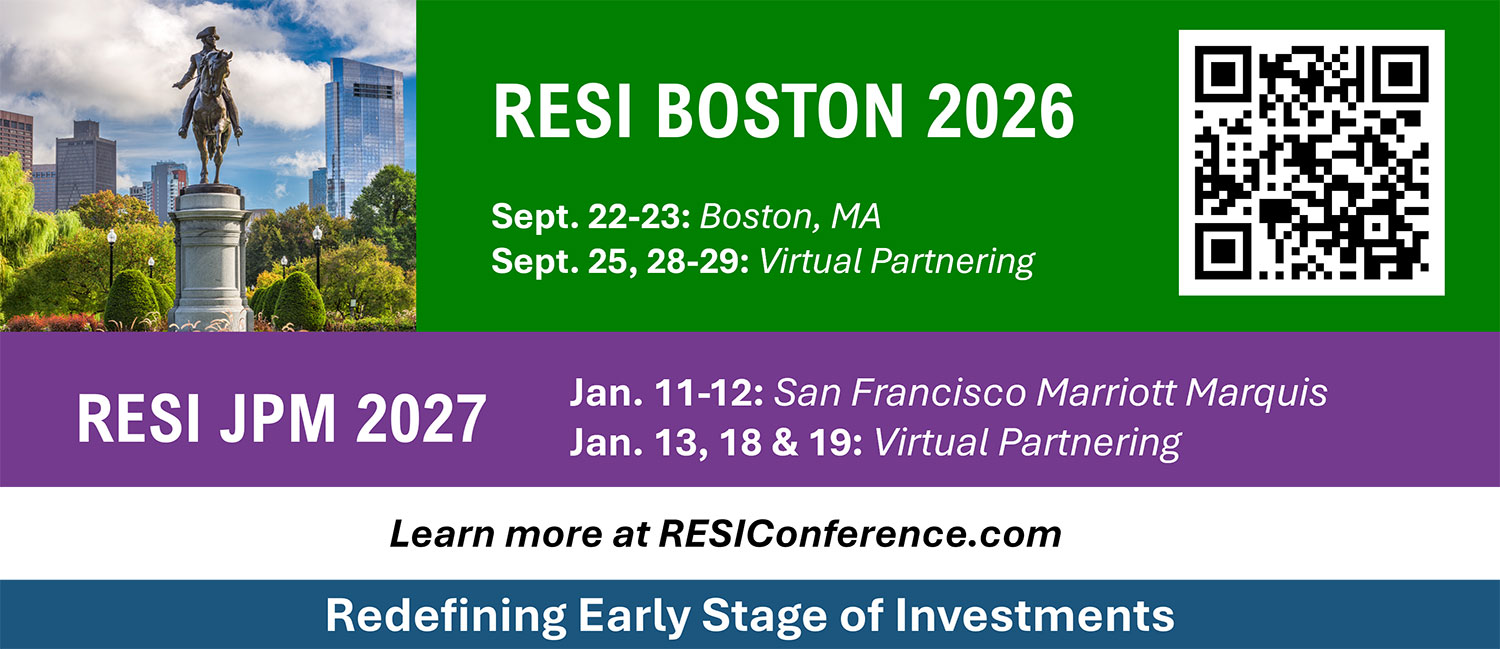
RESI Boston 2026 | September 22 to 23 | The Westin Copley Place, Boston
Virtual Partnering | September 25, 28 to 29

Register for RESI Boston

From the Innovator’s Pitch Challenge Podium to the Clinic: FELIQS Advances Vision Saving Therapies 

Third Place winner of the RESI San Diego Innovator’s Pitch Challenge, FELIQS is developing innovative therapies for neonatal ophthalmology and other serious retinal diseases with the goal of preserving vision at the earliest stages of life. In this interview, Kenichiro “Nobu” Kuninobu discusses the company’s lead clinical program, the value of participating in the RESI Innovator’s Pitch Challenge, and the milestones that will shape FELIQS’ next phase of growth.

Kenichiro “Nobu” Kuninobu
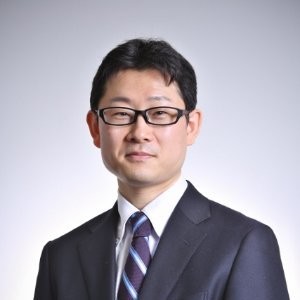
Co-founder & CEO, FELIQS
Caitlin Dolegowski
Program Director, LSN

Caitlin Dolegowski (CD): FELIQS is focused on developing therapies for neonatal ophthalmology and other serious retinal diseases. Can you tell us about your lead program and the impact it could have on patients and their families?

Kenichiro Kuninobu (NK): FELIQS’ lead program, FLQ-101, is being developed for the prevention of retinopathy of prematurity, or ROP, a serious retinal disease affecting premature infants that can lead to lifelong visual impairment or blindness. Today, treatment is generally initiated after ROP has already progressed to a clinically significant stage. Our goal with FLQ-101 is to intervene earlier and prevent disease progression before invasive treatment becomes necessary. If successful, this approach could give premature infants the best possible opportunity for healthy visual development. For families, the impact could be profound. Preserving vision at the very beginning of life can influence a child’s development, independence, and quality of life, while potentially reducing a lifelong burden of care for families and healthcare systems.

CD: Your work bridges scientific innovation and international collaboration. How has that global perspective influenced the company’s development?

NK: FELIQS was founded on scientific discoveries originating in Japan, but from the beginning we have approached drug development with a global perspective. Our lead clinical program is being developed in the United States, while we continue to work closely with researchers, clinicians, regulators, and partners across Japan and other regions. That international approach has shaped how we think about clinical development, regulatory strategy, patient access, and partnerships. It also allows us to bring together complementary expertise from different regions. For diseases such as ROP, which affect premature infants around the world, we believe that building a globally relevant development strategy from an early stage is particularly important.

CD: Earning Third Place in the RESI San Diego Innovator’s Pitch Challenge highlights the strength of your innovation. What did this recognition mean to your team?

NK: Earning Third Place at the RESI San Diego Innovator’s Pitch Challenge was very meaningful to the FELIQS team. It provided encouraging external recognition of both our scientific approach and our mission to address serious retinal diseases in vulnerable patient populations, particularly premature infants. For our team, it was especially valuable to see investors and industry experts respond positively to our strategy and the potential of our programs. The recognition gave us additional confidence that FELIQS is pursuing an important and differentiated approach, while also increasing our visibility within the global life sciences community.

CD: Were there any conversations with investors, judges, or strategic partners at RESI that stood out or created new opportunities?

NK: RESI created a valuable forum for high-quality conversations with investors, judges, and potential strategic partners who understood both the unmet need in retinal disease and the importance of early intervention in ROP. Several discussions helped us refine our communication of the clinical and commercial opportunity, and some opened the door to follow-up conversations about financing, development strategy, and potential collaboration. The event was particularly useful because the feedback was practical, thoughtful, and directly relevant to our next stage of growth.

CD: What are the most important clinical, regulatory, or business milestones FELIQS hopes to achieve over the next 12 to 18 months?

NK: Over the next 12 to 18 months, our highest priority is to advance FLQ-101 clinically and build the foundation for its next stage of development. This includes progressing our ongoing clinical study in ROP, expanding our clinical network, generating additional data, and continuing regulatory discussions to define an efficient path forward.

At the same time, we plan to advance our broader pipeline, including FLQ-103 and FLQ-105, while continuing to strengthen the company financially and strategically.

From a business perspective, we are actively engaging with investors and potential strategic partners who can help us accelerate these programs. Ultimately, each of these milestones is focused on one objective: moving promising science into meaningful therapies for patients as efficiently and rigorously as possible.

CD: What qualities are you looking for in investors or strategic partners as you continue to grow?

NK: We are looking for investors and strategic partners who share our commitment to developing meaningful therapies for serious retinal diseases and who understand that building innovative medicines requires both scientific rigor and long-term perspective.

Beyond financial support, we particularly value partners who can contribute strategic insight, experience in ophthalmology, rare diseases, or global drug development, and access to networks that can help accelerate clinical and commercial progress.

Most importantly, we want partners who are collaborative and aligned with our mission. We believe the strongest partnerships are built when both sides share a long-term commitment to creating meaningful value for patients.

CD: Looking ahead, what is your long-term vision for FELIQS, and what advice would you offer companies considering participating in a future RESI Innovator’s Pitch Challenge?

NK: Our long-term vision is to establish FELIQS as a leading biotechnology company in neonatal ophthalmology and rare diseases. Building from our work in ROP, we aim to expand into additional diseases where early and innovative therapeutic intervention could preserve vision and meaningfully change patients’ lives.

For companies considering participating in a future RESI Innovator’s Pitch Challenge, my advice would be to come with a clear story, a focused objective, and an openness to feedback. RESI is not simply an opportunity to pitch your company. It is a platform to refine your strategy, understand how investors perceive your opportunity, and build relationships that may continue well beyond the event.


Additional Innovator’s Pitch Challenge (IPC) slots are now available, giving companies the opportunity to pitch directly to investors, receive live feedback, and boost visibility ahead of the event. Applications close August 26.

Apply to Pitch at RESI Boston

Cross-Border Investor Luncheon at RESI Boston 2026

A private, screened luncheon for regional and international investors seeking syndicate partners.

RESI Boston | Wednesday, September 23 | 75 Seats


RSVP for Cross-Border Investor Luncheon Today

By Dennis Ford, Founder & CEO, Life Science Nation (LSN)

DF-News-09142022

Nearly nine out of ten life science startups fail. Not because the science is poor, but because they never connect to the right capital and strategic partners. Solving that is the reason Life Science Nation exists, and for more than fifteen years our work has come down to one thing: finding parties who need each other and matching them.

As some readers know, LSN has been addressing this pervasive dilemma through the LSN Labs Anchor Node Program. An Anchor Node combines LSN’s commercialization methodology and global capital formation network with a regional partner’s laboratories, entrepreneurial programs, and operating platform to produce investment-ready life science companies.

As we expanded the Anchor Node Program across Boston, Australia, Japan, Korea, the UK, and Brazil, a clear pattern emerged: regional partners constantly brought their local VCs to the table seeking international capital. At the same time, our own data across five global RESI events revealed that twenty percent of all partnering meetings were already investor-to-investor.

So we decided to formalize it, and provide a dedicated room for these partners to connect.

The Cross-Border Investor Luncheon, CBIL, is a private luncheon at RESI Boston for regional and international investors seeking syndicate partners. Regional investors have access to exceptional companies that often never reach international investors. International investors have access and reach that regional funds cannot build alone. Both are looking for the same thing across Asia, Europe, North America, and South America.

Attendance is screened. CBIL is for active investors seeking syndicate partners outside their own region, whether that means bringing international capital into local deals or gaining access to deal flow in regions where they have no presence.

Taking place on Wednesday, September 23, CBIL follows the format of the Global Family Office BioForum luncheon (GFOB luncheon takes place on Tuesday, September 22), now in its eighth year. Across those eight years, GFOB has brought family offices together to find each other, form alliances, and build syndicates. CBIL is the natural next step, applying the same private, curated format to the international investor community.

“The future of life science investing is not just finding great companies. It is finding great syndicate partners in the global arena.”


Dennis Ford, Founder and CEO, Life Science Nation


Wednesday, September 23   |   Private luncheon   |   Screened RSVP   |   75 seats

Every RSVP is reviewed. Request your seat today!


RSVP for Cross-Border Investor Luncheon Today

RESI San Diego 2026 Program Guide Released 

By Dennis Ford, Founder & CEO, Life Science Nation (LSN)

DF-News-09142022

Life Science Nation (LSN) is pleased to release the RESI San Diego 2026 Program Guide for its upcoming hybrid conference, taking place June 22 in person at the JULEP Venue in San Diego, followed by four days of virtual partnering on June 23–24 and June 29–30. 

RESI San Diego brings together early-stage life science companies, active investors, strategic partners, and industry leaders during one of the most important weeks in biotechnology. The conference features the Innovator’s Pitch Challenge, investor panels, educational workshops, company showcases, and a dynamic partnering platform designed to facilitate meaningful fundraising and business development conversations. 

The Program Guide provides a comprehensive look at this year’s agenda, including sessions covering therapeutics, medtech, diagnostics, digital health, corporate venture capital, artificial intelligence in healthcare, strategic partnerships, and emerging investment trends. Attendees can also explore participating investors, sponsors, exhibitors, and networking opportunities available throughout the five-day partnering event. 

With partnering already underway and meeting calendars continuing to fill, RESI San Diego offers a unique opportunity for innovators to connect directly with the investors and strategic stakeholders shaping the future of healthcare. 

View the RESI San Diego 2026 Program Guide and secure your place today at RESI San Diego.

Register for RESI San Diego

Don’t Underestimate the Importance of the Line 

By Dennis Ford, Founder & CEO, Life Science Nation (LSN)

DF-News-09142022

There is a line between deciding to pursue investors and partners and pursuing them. Most people believe they cross it the moment they decide. They don’t. Deciding is private. The line is the part the market can see, and the market only sees behavior. You can be completely certain you are committed and still be, as far as anyone outside your own head can tell, standing exactly where you were a year ago.

The market doesn’t care what you declare. It responds to what you do. What it reads is presence, whether you are in the room when it counts. There are moments when it counts more than others, when the people who fund and license and partner are not scattered across a thousand calendars but gathered in one place at one time, looking for their next opportunity. Those moments are real, and they are on the calendar. The wave forms whether you are ready or not. The only question it puts to you is whether you are in the water when it arrives.

Here is the part that surprises people. The companies that are serious about this do not try to be efficient about it. You would think the sophisticated move is to be selective, to take only the meetings that obviously matter and skip the rest. It isn’t, and there is a hard reason why. The meeting that changes your company does not announce itself going in. The lead investor is hidden inside a large number of conversations that look, beforehand, exactly like the ones that lead nowhere. The licensing partner is buried in a stack of introductions you cannot tell apart until you are sitting in them. You cannot reason your way to the one that counts and avoid the others. The only way to reach it is to go through the volume. So the serious company does not look for reasons to take fewer meetings. It looks for reasons to take more, because every additional relevant room is another draw from the deck the one card is hidden in. Most of the draws are blanks. That is not a flaw in the method. That is the method.

Activity guarantees nothing, and no one who has done this for long will tell you otherwise. What inactivity guarantees is the opposite. The company that is not in the room is not weighed, and ends up passed over. It is simply never seen, and the market does not hold a seat open for the company that didn’t show. It gives the seat to one that did. Which brings me to the week of June 22 in San Diego. That is a week the market gathers. The city fills with meetings, events, and venues all competing for the same hours, and RESI, on June 22, is built for exactly the thing I have been describing, a room assembled out of investors, licensing teams, and business development people who came specifically to find companies like yours.

Some of you reading this are already going to be there. You have a reason to be in San Diego that week, and you still have not decided to be in this particular room. Sit with that for a second. You will be in the same city, on the same days, with the market gathered a few miles away, and you are on the fence about walking in. There is a word for standing that close to the water, dressed to swim, watching the set roll past. The word is not caution. It is hesitation, and from the outside the market cannot tell the difference between a company that hesitated and a company that was never there.

The line we started with is not crossed by deciding you are ready. It is crossed in the open, by being where the market is while the market is there. If you believe you are ready, the week of June 22 is where that belief becomes visible or doesn’t. Register for RESI San Diego, June 22.

Don’t underestimate the importance of the line.

Register for RESI San Diego

The Needle Issue #27

Juan-Carlos-Lopez
Juan Carlos Lopez
Andy-Marshall
Andy Marshall

This week, we provide some lightning takes on recent translational papers that caught our eye. We saw several preclinical advances in approaches for pain, neurodegeneration, cardiovascular disease and bone disorders. In the gene-editing arena, several new large DNA insertion technologies and RNA-targeting CRISPR systems came to the fore.

But before we dive in, we want to highlight the New England Journal of Medicine report from the groups of Rebecca Ahrens-Niklas and Lindsey George at the Children’s Hospital of Philadelphia that details a neuroepithelial tumor in a 5-year-old boy with severe mucopolysaccharidosis type I (MPSI, a.k.a. Hurler Syndrome) 4 years after receiving an intracisternal injection of an AAV-9 gene therapy.
Needless to say, approved AAV-based gene therapy products have a long track record of safety, efficacy and long-term transgene expression, but the specter of insertional mutagenesis has always loomed, even though AAV is a predominantly episomal vector. More than five years ago, a paper on hemophilia A dog studies published in Nature Biotechnology reported 1,741 unique AAV integration events in liver and clonal expansions of transduced hepatocytes, with many integrations near growth-related genes. In that case, no tumors were seen. Human liver-biopsy studies after AAV gene therapy have similarly made clear that integration and clonal hepatocyte expansion can happen, while not showing obvious malignant transformation. The NEJM report stands out as providing the first well-documented case of human oncogenesis plausibly linked to AAV vector integration. We can expect it to lead to tighter regulatory and post-marketing oversight of AAV gene therapies, as illustrated by the clinical hold the US Food and Drug Administration (FDA) already placed on Regenxbio’s gene therapy for Hurler, which was reported back in January. The takeaway for the investment community is that this is not entirely unexpected and should be viewed in the context of >6,000 patients receiving AAV gene therapy to date without major long-term toxic effects.

Safety signals have also been a recurring theme for drugs targeting sodium voltage channels (Nav1.7) in different pain indications. Multiple industry programs have encountered problems with off-target effects and poor clinical translation. Now a team led by Wengsheng Zhang at Sichuan University has identified potent nonopioid analgesics targeting multiple voltage-gated sodium channel isotypes with improved efficacy when tested their efficacy in perioperative rat models (PNAS). We wonder how such a broad approach would mitigate some of the safety flags encountered by previous clinical trials of investigational drugs targeting this pathway. Elsewhere, Xiao-Ming Li and collaborators at Zhejiang University School of Medicine set out to mitigate some of the adverse events of cannabinoid 1 (CB1) agonists, such as reduced locomotion, hypothermia, addiction and analgesic tolerance using so-called biased signaling and targeting downstream signaling cascades mediated predominantly through inhibitory guanine nucleotide binding protein (Gi), rather than beta-arrestin. They show their Gi-biased inhibitors display analgesic properties, but with reduced side effects when tested in mice (Cell). Over recent years, industry has explored cannabinoids to treat a wide range diseases, including chronic kidney disease, glaucoma and even obesity, again with limited clinical success. It will be interesting to see whether drugging a downstream signaling pathway will bring greater reward.

While cannabinoids haven’t exactly set the world of company formation alight, platforms leveraging autophagy biology are another story. In the past five years, Lysoway Therapeutics, Retro Biosciences, Casma Therapeutics, Automera Therapeutics, PAQ Therapeutics and AUTOTAC Bio have all received funding for platforms leveraging auto-phagosomal pathways, such as ATTEC, AUTAC, AUTOTAC, chaperone-mediated autophagy or AUTAB. The latest instantiation of ATTEC is described in a paper by Einar Sigurdsson and researchers from New York University, who develop single-domain antibodies to promote autophagy-mediated tau degradation in patient-derived neurons, improving motor function in tauopathy mice (Science Translational Medicine). Autophagy is also the focus for a collaboration between the Jia-Hong Lu team at the University of Macau and MindRank AI, which developed an AI-based screening platform using a variational autoencoder trained on a library (from MedChemExpress and TSBiochem) of over 1 million compounds to identify brain-penetrant small molecule autophagy enhancers effective in mouse models of Alzheimer’s disease (Nature Biomedical Engineering).

Elsewhere in the neurodegenerative disease field, TDP-43 aggregation is a hallmark of disorders like amyotrophic lateral sclerosis and frontotemporal dementia. Acurastem and Quralis have been tackling these diseases using antisense oligonucleotides (ASOs) to modulate splice-switching of genes affected by mutant TDP-43. But new research from the groups of James Shorter at the University of Pennsylvania, Christopher Donnelly at the University of Pittsburgh, Nicolas Fawzi at Brown University, Brigid Jensen at Thomas Jefferson University and Jeetain Mittal at Texas A&M reveals that short 34-nucleotide RNAs can act as chaperones to inhibit TDP-43 aggregation and prevent neurodegeneration in the mouse. This potentially opens up short RNA chaperones as a new therapeutic modality for protein-folding disorders (Science).

Moving away from the CNS, some intriguing advances in other therapeutic areas popped into our inbox. One of the new frontiers for oligonucleotide therapies is common cardiovascular indications, such as heart failure and atrial fibrillation. For example, Ionis’ transferrin-receptor 1 targeted ASO for downregulating phospholamban in R14-deleted dilated cardiomyopathy just entered phase 1 testing in a development partnership with AstraZeneca. Along these lines, two teams headed by Matthias Nahrendorf and Maarten Hulsman at Harvard Medical School report another target, osteopontin (Spp1), downregulation of which with an antibody–siRNA conjugate targeting TREM2+ cardiac macrophages suppresses atrial fibrillation in mice (Nature Cardiovascular Research).

Another area likely to attract more commercial activity going forward is metabolic bone disease. Last December, the US Food and Drug Administration (FDA) made a landmark regulatory shift, formally qualifying percentage change from baseline at 24 months in total hip bone mineral density (BMD) via imaging as a validated surrogate endpoint (previously, bone disease trial times typically took anywhere from two to five years). Two recent papers discuss new therapeutic approaches to heterotopic bone formation after injury. In the first, two teams led by Benjamin Levi and Michael Dellinger from UT Southwestern show that vascular endothelial growth factor D (VEGF-D)-induced lymphangiogenesis can promote heterotopic bone resorption in mice (PNAS). And across the Atlantic, the groups of Johan Keller and Anke Baranowsky at the University Medical Center Hamburg-Eppendorf target extracellular traps from myeloid cells using an FDA-approved recombinant DNAse 1 Pulmozyme to inhibit traumatic heterotopic ossification in mice (Science Translational Medicine; Roche/Genentech’s Pulmozyme (dornase alpha) is approved only for the pulmonary indication cystic fibrosis).

Moving onto advanced genetic therapeutics, several advances caught our attention in the gene-editing space. While programmable recombinases/integrases capable of introducing genetic cargoes >10 kb have been prominent in journals, momentum in commercializing these approaches has proceeded at a moderate pace, with Brink Therapeutics, Seamless Therapeutics and Stylus Medicine all raising funding in the past three years. The ability of recombinases to introduce large constructs has been touted as a key advantage over prime editing, which traditionally can only achieve desired edits no larger than ~300 bp. In this context, three recent papers disclose alternative prime-editing approaches for the genomic insertion of large sequences, overcoming the sequence size limitation. First, research patented by Ying Zhang’s group at Wuhan University shows that quadruple paired pegRNAs enable prime editing based genomic insertion of sequences as long as 26 kb in vitro (Nature). Second, the teams of Haoyi Wang, Chenxin Wang and Wei Li at the Chinese Academy of Science developed “PRIME-In”, a genome editing platform for the integration of up to 3 kb-long DNA sequences in human T cells independent of double-stranded DNA breaks (Nature Biomedical Engineering). Last, the groups of Erik Sontheimer and Wen Xue at the University of Massachusetts Chan Medical School described a “prime assembly” approach for the insertion of DNA fragments as long as 11 kb (Nature).

Finally, in the area of RNA editing, two recent studies expand the palette of CRISPR–Cas effectors capable of targeting and manipulating cells at the level of transcripts rather than nuclear DNA. A paper from I-Ming Hsing’s group at Hong Kong University of Science and Technology describes the first use of DNA-guided CRISPR–Cas12a effectors for programmable RNA recognition and cleavage (Nature Biotechnology). In a second paper, Yang Liu’s team at the University of Utah, Chase Biesel’s group at University of Würzburg and scientists from Akribion Therapeutics and BRAIN Biotech engineer CRISPR–Cas12a2 for the selective, DNA-triggered killing of virally infected human cells on the basis of their transcriptional profile (Nature).

Conference roundup

Selected startups raising funds in past three years presenting data at the American Society for Cell and Gene Therapy (ASCGT), Boston, May 11–15.

Preclinical financings (from April 21 to May 4)

Preclinical financings (from May 5 to May 11)

Preclinical financings (from May 12 to May 14)

Preclinical deals (from April 16 to April 29)

Preclinical deals (from April 30 to May 13)

Stay in touch

We hope you enjoyed this issue of The Needle and hit the button below to receive forthcoming issues into your inbox

If you’re interested in commercializing your science, get in touch. We can help you figure out the next steps for your startup’s translational research program and connect you with the right investor. Follow us on X, BlueSky and LinkedIn. Please send feedback; we’d love to hear from you (info@haystacksci.com).