Asia-Based Investors Are Increasingly Seeking Global Innovation

By Michael Quigley, Director of Research, LSN

mike-2In tracking life science investors worldwide, LSN’s research team has noticed that there are a growing number of Asia-based investors seeking global opportunities as well as investments in the U.S. and Asia. (See Figure 1.)
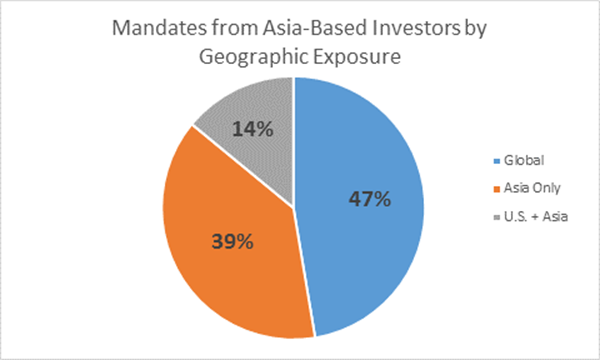
 

Figure 1 | Source: LSN Investor Platform, Data as of February 4, 2015

Also worth noting is the number of Asian countries where these investors are based. (See Figure 2.) Although the majority of Asia-based investors are in China, more than half hail from other countries in the region.
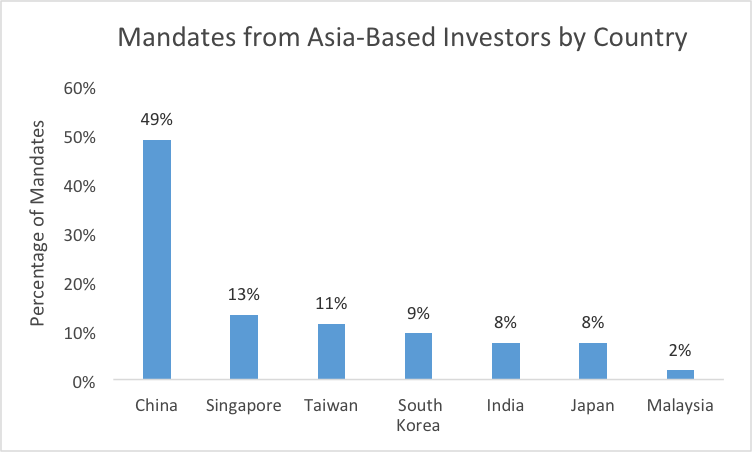
A1 F2
Figure 2 | Source: LSN Investor Platform, Data as of February 4, 2015

Factors Affecting the Trend

Having spoken with more than 50 Asia-based investor groups, we’ve pinpointed a number of factors that are contributing to this trend.

A recurring theme is the lack of advanced infrastructure and practical expertise required to develop technologies in Asian countries. And while “many of the Chinese scientists who came out and studied in the U.S. have gone back to their home country and started their own businesses there,”1 this doesn’t seem to be satisfying Asia-based investors’ appetite for innovation.

Other factors include the booming growth of private wealth that many Asian countries have experienced over the past few years.2 This growth in wealth, coupled with the notoriously uncertain regulatory environment (particularly in China), has led many Asia-based investors to seek a more stable investment environment abroad. Diversification and the potentially high-yield returns this sector can generate also is attractive to these newly wealthy investors.

Arguably the most influential factor that we have heard in our discussions, however, is investor interest in early stage and commercial-stage technologies that are capable of addressing healthcare challenges across Asia as well as in specific local markets.  With growing populations and advancing life expectancy in these regions, the demand for medical devices and therapeutics is expected to increase dramatically—particularly in indications such as diabetes and cardiovascular disease. In fact, the vast majority of investors we have spoken with either require or strongly prefer companies that are planning to or capable of entering their local markets. Also, many of these investors have strong local ties to manufacturing and distribution channels, so they can add significant value to companies entering these markets.

Takeaways for Fundraising Executives

It is apparent that life science companies actively fundraising around the globe should take a serious look at Asian markets for capital. The wealth, population, and average age of individuals are all expected to continue rising in many of these countries. Therefore, the opportunity for life science companies to secure capital is likely to rise as well. Given the cultural differences and distance, starting conversations with these investors as early as possible is key, as the time to close a deal can be elongated by these and other hurdles.

If you are interested in learning more about the investor landscape in Asia and the investors we track, feel free to contact us at mandates@lifesciencenation.com.

  1. “Philip Ma: from Scientist to Businessman,” China Daily, January 23, 2015.
  2. “China Now Has the Second-Most Millionaires in the World,” Time, June 10, 2014.

Infectious and Parasitic Diseases: Innovating to Meet Diverse Global Challenges

By Lucy Parkinson, Senior Research Manager, LSN

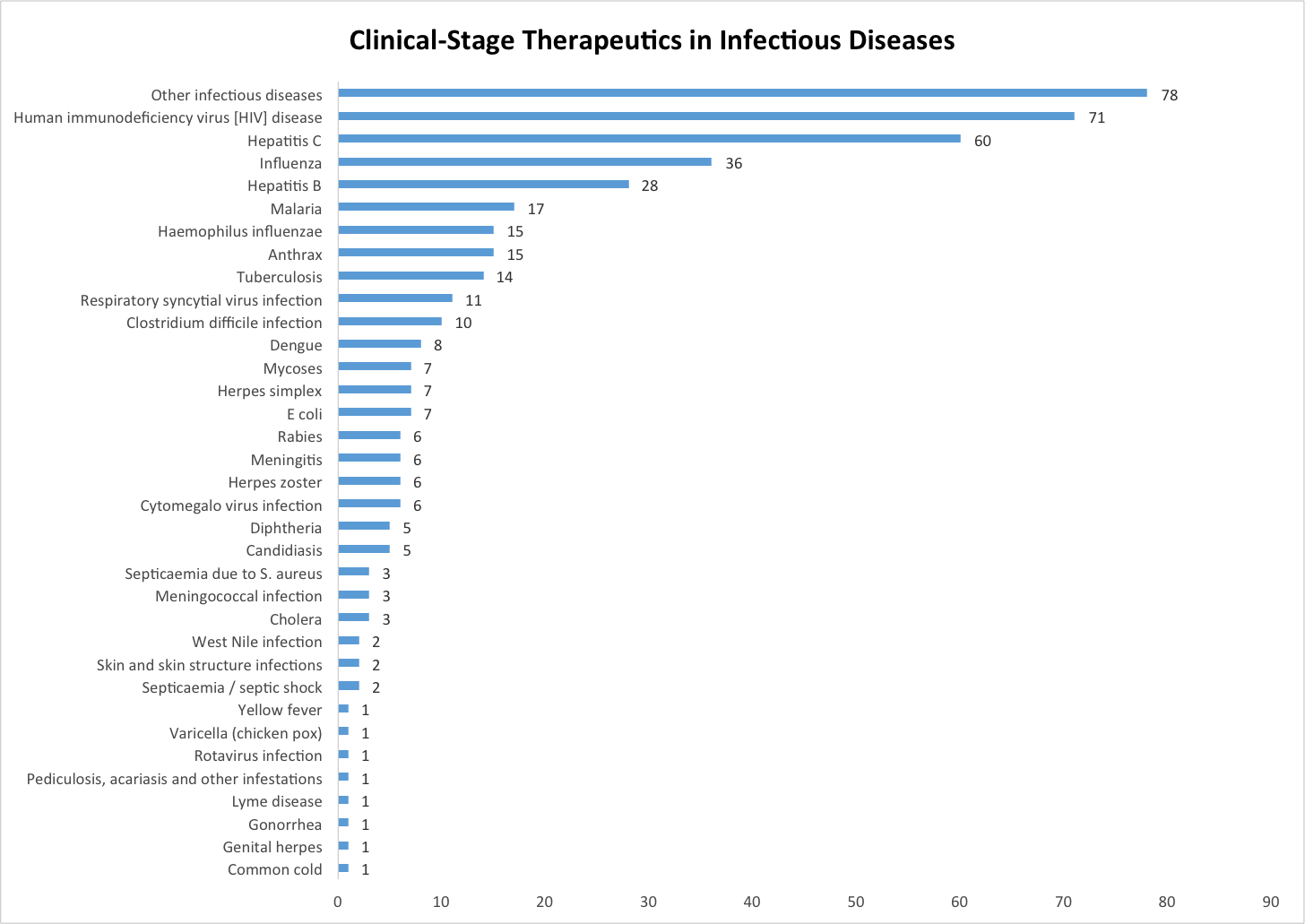
Previous articles have provided overviews of innovation and investors in the cardiovascular, oncology, and neurology sectors. Infectious disease is also a major field of innovation; LSN researchers track 567 clinical-stage therapeutics globally that are targeting an infectious or parasitic disease.

Perhaps the most striking distinction of the infectious disease space, compared with sectors we’ve examined previously, is its breadth. The nature of the infectious disease field is one of constant change and local variation, with researchers focused on a multiplying array of threats throughout the world.

In fact, if we take a look at the specific diseases targeted by these innovations, the largest single category is “other.” This stands in contrast to fields where innovation is primarily focused on a few major unmet needs, such as Alzheimer’s in neurology. That said, some infectious diseases, such as HIV and hepatitis C, do have thriving pipelines. (See Figure 1.)

Figure 1 | Source: LSN Company Platform, Data as of February 4, 2015

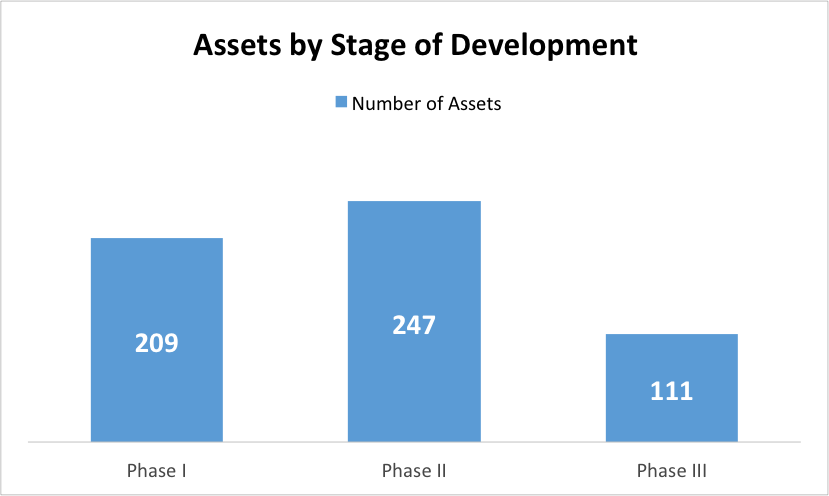
The assets covered by Figure 1 range from those that have only recently entered clinical trials to products close to achieving market approval. Of these assets, the greatest number are currently in Phase II. (See Figure 2.)

f2
Figure 2 | Source: LSN Company Platform, Data as of February 4, 2015

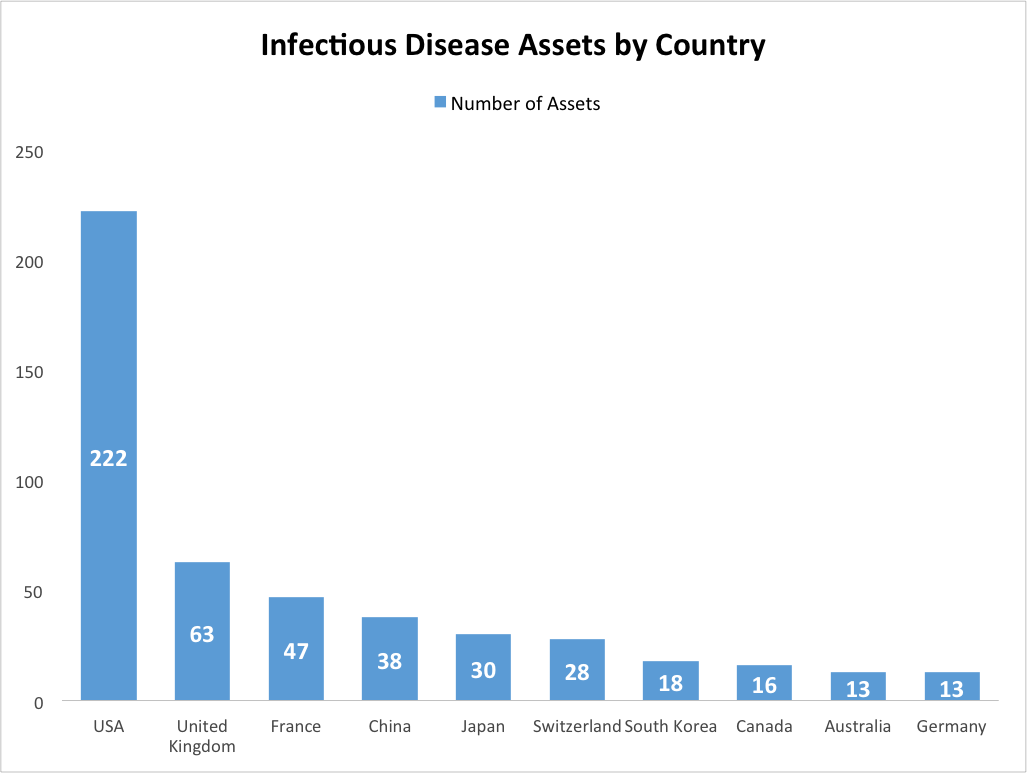
Infectious disease innovations are coming from a number of countries. The U.S. leads the world in infectious disease assets, however, the UK, France, and the Asia-Pacific region also have strength in this field. (See Figure 3.)

f3
Figure 3 | Source: LSN Company Platform, Data as of February 4, 2015

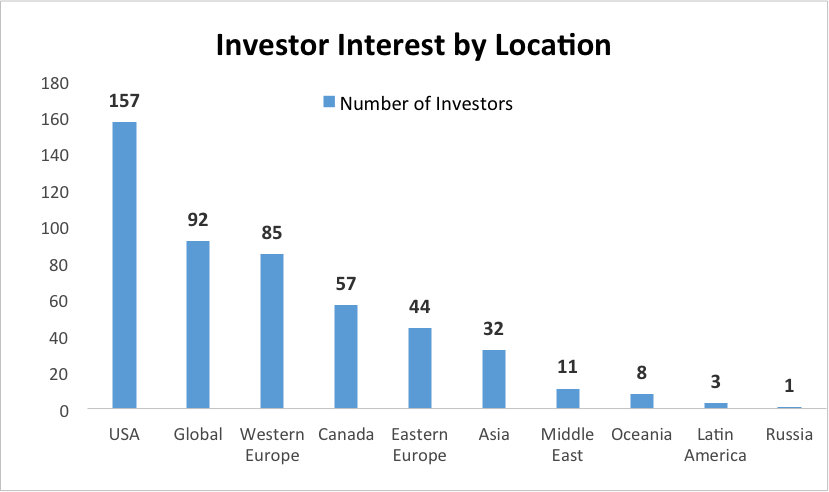
LSN researchers have interviewed more than 300 investors who are interested in this field, and many are interested in companies worldwide. (See Figure 4.)

f4
Figure 4 | Source: LSN Investor Platform, Data as of February 4, 2015

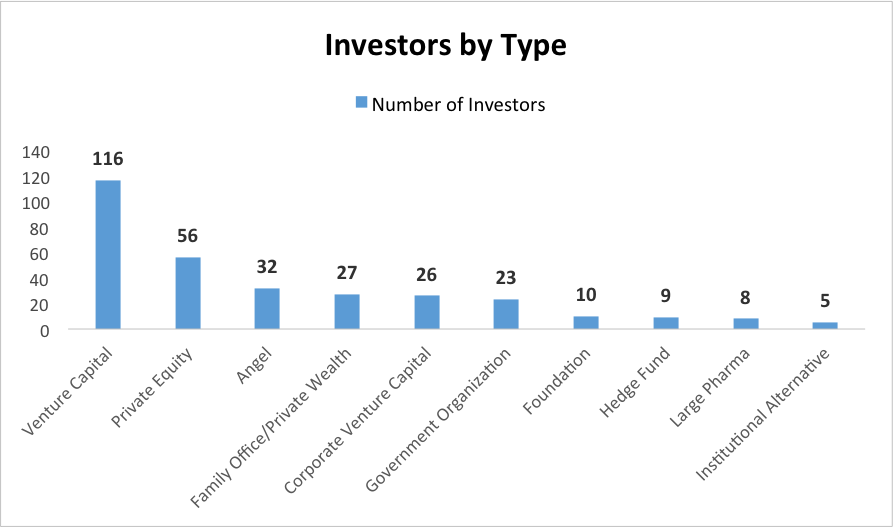
Similarly, we see investors of every type that LSN classifies as active in the infectious disease field. (See Figure 5.)

F5
Figure 5 | Source: LSN Investor Platform, Data as of February 4, 2015

As you can see, there’s no shortage of investors looking into the infectious disease field.  Venture capital and private equity funds are interested in the potential return on investment from infectious disease cures; recent blockbuster drugs in the hepatitis C field have demonstrated how much profit can be made from tackling infection.  Many government organizations fund infectious disease technologies due to an interest in bio-security and public health.  We also discovered last week that infectious disease is one of the top ten areas for venture philanthropy foundations that fund start-up companies; many major global health charities are interested in working with start-ups in this field.

Infectious disease research focuses on fighting urgent and widespread needs, and we find that many investors are willing to take on the challenges of this field.

[Video] Medical Device Strategics Panel at RESI 4

By Nono Hu, Senior Manager, Branding & Messaging, LSN

This week, LSN published the RESI 4 Medical Device Strategics Panel video featuring five investment experts from top tier, global, medical device companies. The panel was designed to educate entrepreneurs on what kinds of innovative technologies these giants are looking for, and how to reach out to a strategic medtech investor about your innovative device technology. In this panel, several valuable questions were answered by the panelists, including: What distinctions are there between VC and strategic investing? How early in development process do you get involved with early stage companies? How do companies approach you, and can you provide examples of early-stage deals you’ve made recently? How should entrepreneurs find out what technologies you are interested in?

Check out the 45 minute video to learn more!


Moderator: Paul Grand, Managing Director, RCT Ventures

Panelists:

Hot Life Science Investor Mandate 1: Hong Kong Based PE Firm Looking Globally for Life Science Opportunities

A global private equity firm with bases in Hong Kong and the United States is primarily focused on healthcare investments with a particular interest in the life science space. The firm looks to make allocations ranging from $250,000 as the first round in a tranched financing structure to $20 million over the lifetime of the investment and depending on the financial needs of the company. The firm is actively seeking new investments and is open to review opportunities from around the globe.

Within the life science space the firm is interested in therapeutics, medical devices, and diagnostics. The firm is currently most interested in companies with some clinical data however they are open to reviewing pre-clinical stage opportunities as well. The firm is open to biosimilar and repurposed assets, and has a preference for platform technologies but is also open to considering single asset opportunities. The firm is open to review all classes of medical devices and diagnostics. The firm is entirely open in terms of indication.

The firm is open to investing in both private and publically traded companies and is currently very interested in making cross over investments. The firm is also very interested in companies that have a plan or ability to enter the Chinese market as the firm can add significant value with this strategy. The firm is open to acting as both a lead and co-investor.

If you are interested in more information about this investor and other investors tracked by LSN, please email mandates@lifesciencenation.com

Hot Life Science Investor Mandate 2: US Based Hedge Fund Seeking Clinical Stage Therapeutics, Diagnostics, and Medical Devices

A hedge fund founded in 2001 and based in the eastern United States has raised a total of $250 million and is currently making investments out of it 4th fund of $35 million. The firm looks to provide equity, convertible note and PIPE financings to mid and late stage companies in the life science space. Initial investments tend to range from $2-$3 million and the firm tends to invest anywhere from $3-$5 million over the lifetime of the investment.  The firm is looking for companies located in the US, Canada, Europe, China and Australia and makes approximately 4-5 investments each year.

The firm is looking for companies in sectors of Biotech Therapeutics, Diagnostics and Medical Technology. The firm is open to review almost all indications and subsectors but is particularly interested in areas of immunotherapy, cardiac devices, oncology, cell based therapies, small molecules, proteins, stem cells, and biogenetics. The firm is not interested in orthopedics. The firm is looking for companies that at least have clinical data, and will only evaluate certain preclinical stage assets if the pre-clinical data has some clinical viability.

The firm is looking for companies with experienced complete management teams in place. The firm is very interested in companies that are publically traded and will also invest in privately held companies. As the firm is a cross over investor they look to provide expansion capital and is not interested in company creation investments. The firm generally does not look to take a board seat but does act as a very hands-on investor.

If you are interested in more information about this investor and other investors tracked by LSN, please email mandates@lifesciencenation.com

Hot Life Science Investor Mandate 3: Large Taiwanese VC Fund Seeking Novel Therapeutics and Devices throughout Taiwan, China, Europe and the U.S.

A venture capital firm based in Taiwan has USD 2.5 billion AUM and invests in companies of all stages, from early, expansion, to maturity stage. The firm invests in several sectors including healthcare. Currently, the firm is looking for investment opportunities with an exit timeline of 3-5 years. The firm is most interested in companies that are ready for IPO or M&A. The investment size varies depending on the stage of the company. The firm can allocate as USD 1 million up to USD 20 million or more, the firm invests in companies that are located in China, Taiwan, US, and Europe.

In healthcare, the firm is currently most interested in therapeutics. The firm is also looking at medical devices. For therapeutics, the firm looks for novel compounds and biologics that are either first-in-class or best-in-class. The firm is indication agnostic. In terms of stage of development, the firm is open as long as there is a concrete plan for an exit timeline of 3-5 years. For medical devices, the firm is generally opportunistic. The firm seeks devices that are innovative and disruptive.

The firm can both lead and co-invest with a syndicate. The firm generally request board of director’s representation following investment.

If you are interested in more information about this investor and other investors tracked by LSN, please email mandates@lifesciencenation.com

The Life Science Venture Philanthropy Landscape

By Michael Quigley, Director of Research, LSN

mike-2LSN researchers recently decided to take a deep dive into interviews we have held with venture philanthropy groups from around the world to see what the future likely has in store. After analyzing data gathered over the past three years from more than 150 investors, we uncovered a few notable trends.

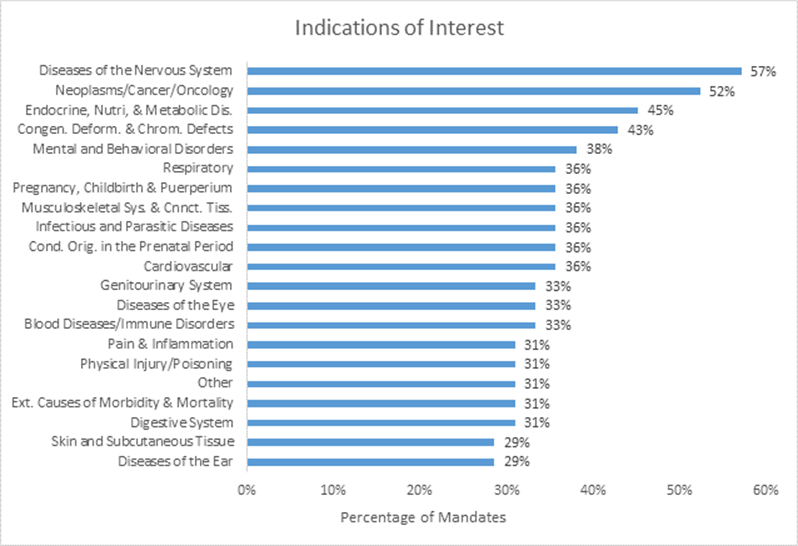
Diseases of the nervous system is the indication area with the greatest amount of interest from venture philanthropy investors. (See Figure 1.) This is likely a result of the notoriously high risk in this sector, stemming from a lack of accurate animal models that can serve as a viable gauge for human efficacy and safety. This heightened uncertainty drives many venture capital and other financially motivated investors away from the sector entirely, leaving a gap that venture philanthropy organizations hope to fill. Additionally, there are a massive number of unmet needs in the space, particularly with respect to diseases such as Alzheimer’s, the prevalence of which is increasing as the overall age of the population increases.

Figure 1
Figure 1 | Source: LSN Investor Platform, Data as of January 27, 2015

Oncology comes in second in terms of interest from venture philanthropy investors. Their interest is driven in part by the massive and growing need for improved treatment options in this indication area, particularly in orphan forms of cancer, some of which have foundations with venture arms that invest specifically in that field.

In third place, we have endocrine, nutritional, and metabolic disorders, driven by the number of diabetes-focused venture-philanthropy groups. And in fourth place, we have congenital deformities and chromosomal defects, also largely driven by foundations looking to fund companies targeting orphan diseases such as Duchenne muscular dystrophy, whose underlying cause can be tracked to genetic mutations.

Early Investments

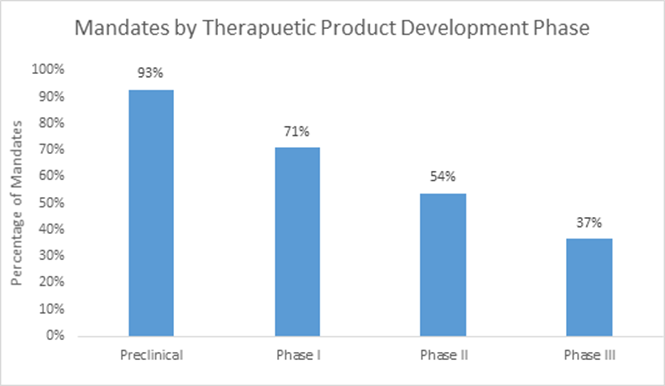
The largest percentage of venture philanthropy groups are looking to invest at the earliest phases of product development. (See Figures 2 and 3.) Other investors, and investors as a group, usually look for companies in Phase I of development for therapeutics and in the clinical stage for devices. However, because the primary motive of venture philanthropy investors is to improving patient care, they focus their efforts on the stages where capital is most lacking and innovation most prevalent.

FIGURE 2
Figure 2 | Source: LSN Investor Platform, Data as of January 27, 2015
Figure 3
Figure 3 | Source: LSN Investor Platform, Data as of January 27, 2015

Oftentimes, venture philanthropy investors view their allocations as a catalyst: an investment to help companies get the level of data required to become attractive to other institutional investors. Very few of these firms have the capital available to fund product development completely through commercialization; however, the capital they can provide in conjunction with their expertise and connections (to both providers and patients within the target area) makes these investors an invaluable resource to early stage companies.

Significant Allocations and Equity Positions

Another interesting metric to consider in the venture philanthropy landscape is the size and types of funding from these groups. (See Figure 4.) With nearly 50% of all venture philanthropy investors LSN has spoken with looking to make allocations of $1 million or more, it becomes clear that these groups are providing significant funding. Historically, these types of organizations have focused on financing academic and industry research through smaller grants and other forms of nondilutive funding. However, after years and years of their previously funded technologies not making it to the bedsides of patients, many have taken the challenge of funding research to a larger scale to deliver a more significant impact on patient care.

Figure 4 | Source: LSN Investor Platform, Data as of January 27, 2015

The foundations that have begun to dive into this realm of venture philanthropy do not look to provide purely nondilutive funding, however. More than 75% of the venture philanthropy investors we have interviewed that are providing $1 million or more are looking to take an equity position in the companies they allocate to. Granted, they are likely going to offer more favorable terms than a financially motivated investor; however, they are looking for equity. The model we have seen most frequently is one of an evergreen fund structure, where the firm invests in companies, takes an equity position, and any return that comes from those investments is then recycled back into the fund, allowing the group to further advance the standard of care in their indication.

Venture philanthropy is definitely of growing significance in the early stage of the life science investment ecosystem. As these groups evolve and new models for advancing care become utilized, it is highly valuable as a fundraising entrepreneur to be aware of all the players relevant to your technology.  Given that they are capable of providing expertise, patients, invaluable connections, and, more recently, significant amounts of capital, companies that form strategic relationships with relevant philanthropic groups can undoubtedly be served well in most aspects of development.

NextPhase has published numerous articles on venture philanthropy funding. You can find them on our website here and here.