Archive | Redefining Every Stage Investments (RESI) RSS feed for this section

RESI On The Pacific Rim: Join Us in Taipei on November 14th

1 Aug

By Jessica Yang, Investor Research Analyst, LSN

In 2019, LSN has taken RESI on a tour of the world, including our first RESI Europe event and now our first RESI Asia events, coming up in November.  The early stage life science ecoystem is increasingly global, with new technologies emerging from labs throughout the Pacific Rim, and in Taipei, LSN will partner with NARLabs to introduce Taiwan’s most innovative biotech and medtech discoveries to investors from across the world.

RESI Asia Taiwan will take place in NTUH International Conference Center in Taipei on November 14th.  LSN and NARLabs are creating a must-go Pacific Rim partnering venue for early stage investors and life science startups.

As a new addition for RESI’s journey to Asia, startups that participate in the RESI Innovation Challenge will be featured in an all-day RESI Pitch Challenge Track, as well as presenting their companies via poster display in RESI’s exhibit hall.  RESI Taipei will also feature two tracks of panels and workshops, including sessions that focus on investors in technology sectors in the region such as Genomics, Smart Hospital & Homecare, AI in Healthcare, and Investing in Cell & Gene Therapy.  Our sponsor McDermott Will & Emery will present a workshop on Negotiating Term Sheets, and you can also catch LSN’s Fundraising Boot Camp for early stage companies that are looking to build a financing campaign.  We look forward to seeing you in Taipei!

Click Here to Download RESI Taipei Brochure


Don’t forget to apply to the RESI Innovation and Pitch Challenges before Aug 7th!

1 Aug

By Karen Deyo, Senior Investor Research Analyst, LSN

Whether you are a startup applying to be a finalist in the RESI Innovation Challenge, or a constituent of a registered First Coast tech hub vying for a spot in the Innovators’ Pitch Challenge, participation in these Challenges can be good for a company beyond RESI. In addition to the increased exposure at RESI, companies have also found that being able to highlight participation can be a boost when speaking with potential investors. The application deadline for the Innovation and Pitch Challenges is next Wednesday, Aug 7th and we encourage you to submit your application for consideration!

Click below for articles with interviews from previous Innovation Challenge winners and Pitch Challenge participants

RESI Boston Panel Announcement: Investing In Cell & Gene Therapy

1 Aug

By Lucy Parkinson, VP of Investor Research, LSN

Cell therapies and gene therapies represent the cutting edge of life science innovation.  Only a handful of treatments in this field have reached commercialization, but with many scientists forming new companies to develop treatments based on their research in this field, we could be on the cusp of a revolution in treatments for cancer, rare genetic diseases, and many other diseases.  However, startups in this field face many challenges – not the least of which is finding the right investors and strategic partners.

From among the hundreds of investors who will be attending RESI Boston, LSN has invited five experts in this field to take part in a panel discussion on how they find the right venture investment opportunities in cell and gene therapy startups, and how they guide their portfolio companies through challenges specific to cell and gene therapies, including manufacturing, regulatory issues, and more. The participants are:

Vivian Choi (Head of Gene Therapy Research, Takeda)

Strategic & scientific leader with 9+ years of gene therapy drug development experience. Spearheaded and advised at executive level on gene therapy drug development programs in 2 global bio-pharmaceutical companies. A combined 18+ years of research experience in viral gene delivery, immunology, genetics and pharmacology research. Authored and co-authored 2 US patents, 13+ scientific articles, 5+ review papers, and 20+ international conference presentations.

Elona Baum (Managing Director, DEFTA Partners)

Elona Baum is Managing Director of DEFTA Partners and has 20 years of biotech and regenerative medicine management experience. Prior to joining DEFTA Partners, Ms. Baum served as a senior executive (General Counsel & VP Business Development) for five years at the California Institute for Regenerative Medicine (“CIRM”). During her tenure, CIRM invested nearly $1 billion in regenerative medicine programs, created a $40 million iPSC bank and launched annual roundtable meetings with FDA. Prior to joining CIRM, Ms. Baum held senior positions in the legal and regulatory departments at Genentech Inc. for over a 13 year span. Ms. Baum received her BA in Economics from the University of California (Cum Laude) and her JD from the University of San Francisco School of Law (Magna Cum Laude). She served as an extern for Justice John A. Arguelles, California Supreme Court. Ms. Baum is a frequent speaker at industry conferences and is an active mentor with Enterprise Futures Network.

Kevin Scanlon (Investor, Sky Ventures)

Dr. Kevin Scanlon’s career spans roles in academic medicine, senior management in the pharmaceutical industry and biotech companies, as well as an individual investor. Currently, he is an investment advisor to Sky Ventures and a Professor of Practice at Northeastern University.

He was the Chairman of Pasadena Angels Investment Group, with ~100 investors that funded over 50 companies in two years. He has been CEO of four biotechnology companies, including Melanoma Diagnostics, which was sold to Myriad Genetics. At Schering AG/Berlex, now Bayer, he was responsible for the genomic and cancer programs.

Dr. Scanlon’s academic achievements include: Leukemia Society Scholar, Paul Martini Medical Research Prize, Co-Founder of the Nature Journal “Cancer Gene Therapy”, President of the International Society of Cell and Gene Therapy, co-authored 135 peer-reviewed scientific articles and nine medical books. Dr. Scanlon also holds seven issued US Patents.

Stefan Vitorovic (Managing Director, Vida Ventures)

Stefan Vitorovic is Co-Founder and Managing Director of Vida Ventures, a life sciences focused company-building and investment firm.

Prior to founding Vida Ventures, Stefan was an investment professional at Third Rock Ventures, an early stage life sciences venture capital firm. At Third Rock, Stefan focused on new company formation, due diligence, portfolio company financings, and partner development. He was part of the founding team of Decibel Therapeutics, a hearing-focused drug discovery and development platform company.

Before Third Rock, Stefan was an investor at TPG Capital, where he focused primarily on majority, control stakes in healthcare companies. Stefan worked on a variety of equity and debt financings, including Aptalis Pharma and Biomet. Prior to TPG, Stefan was an investment banker at Credit Suisse’s healthcare banking group. There he primarily focused on M&A and equity financings for pre-commercial life sciences companies.

Stefan received his B.S. with Honors in Biological Sciences at Stanford University. He completed his M.S. in Biology at Stanford, where he conducted biomedical research in the lab of Dr. Helen Blau at Stanford Medical School. Stefan later received his MBA from Harvard Business School. Stefan currently serves on the Board of Directors for Praxis Precision Medicines and BAIT Cellular Therapeutics and as a Board Observer for Oyster Point Therapeutics.

Yury Kukushkin (Principal, 4Bio Capital Partners)

International, trilingual venture capital professional with strong scientific background and seven years of experience inbiotech consulting and venture capital projects.


Tech Hubs in the Spotlight at RESI Boston 2019

25 Jul

By Bryanna Allison, Business Development Manager, LSN

We are in the age of the incubator. Sprouting up in biotech hubs such as Boston, around universities and research hospitals at a rapid rate — these facilities are intended to help entrepreneurs take those difficult first steps. With new technologies developing at an accelerated rate, it just makes sense. Starting your own company is risky, bootstrapping is even riskier. An incubator serves to soften this risk and give budding entrepreneurs some of the support and advice they need to make their company a success.

With investors and strategic partners looking earlier, either for partnerships or to keep an eye on potential future investments, it only made sense to incorporate these tech hubs into our ecosystem, creating a special segment for them at our RESI Conference in Boston last fall.

In September of 2018 LSN launched our first ever “First Coast Innovators’ Gathering” at RESI. We invited incubators, accelerators, tech transfer or regional organizations based on the East Coast from DC to Boston to not only exhibit their programs but to bring their constituents to meet with the early stage investors at RESI. These tech hubs could benefit from the exposure they receive, form relationships with investors who may be interested in their portfolio companies, while the constituents could meet potential investors or even form relationships for the future and get investor feedback on what they need to become more relevant.

To great success, LSN has incorporated a tech hub component into every conference since. RESI will be back in Boston on Sept. 11th, and joining us will be the second First Coast Innovators’ Gathering will be the following tech hubs:


Investors Descend on Boston for RESI

25 Jul

By Karen Deyo, Investor Research Analyst, LSN

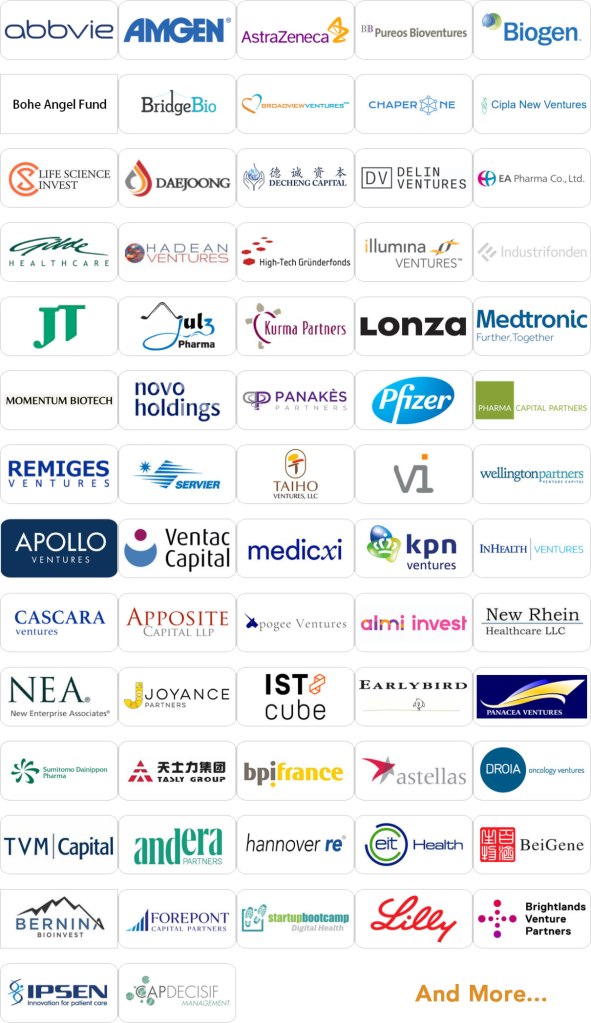
We have been amazed by the enthusiastic response from investors about RESI Boston. With over 200 investors and strategic partners already registered, RESI Boston will be a great opportunity for companies, investors and service providers to network, connect and form relationships. Join us at RESI at the Westin Copley Place on Sept 11th to be a part of this global network of players in the early stage life science ecosystem!

Confirmed RESI Boston Investors

As of July 25th, 2019

And More…


Understanding Impact Investors at RESI Boston

25 Jul

By Lucy Parkinson, VP of Investor Research, LSN

LSN’s aim is to connect early stage life science companies with the full variety of investors who are putting money into the sector – and while most of those investors are laser focused on financial returns, some are investing with a social impact goal as well.  In the life science space, there are funds focused on curing a specific disease, or improving care for a specific group of patients (such as pediatric patients).

At RESI Boston, a panel of five experienced investors from this field will explain how impact investment works, and how their decision-making process differs from purely financial-driven funds.

The participants are:

Michael Cole (Founder & General Partner, Global Neurohealth Ventures)

Dr. Cole is a Managing Partner at Global Neurohealth Ventures and an Assistant Clinical Professor at UC Berkeley. He provides strategic and scientific consultation for healthcare companies as well as investment diligence consultation for VC firms and family offices. Dr. Cole published 20+ peer-reviewed journal articles and continues to also provide direct patient care. Previous positions include Associate Clinical Professor at UC Davis, Director of Medical Affairs at Pacira Pharmaceuticals, and Head of Strategy and Business Development at OccamzRazor. He received his PhD in neuropsychology from the University of Florida, completed his internship and residency in clinical neuropsychology at the UCLA School of Medicine, and obtained an MBA from UC Berkeley.

David Heenan (Director of Operations, BrightEdge Ventures)

David began his career working on trade, security, and nonproliferation policy issues for the Chinese Ministry of Commerce in Beijing, China and then at Argonne National Laboratory in Chicago, IL. He then transitioned over to the political side, working on economic development for the Governor of Georgia, before joining a congressional office and running digital media for a US Senate campaign. After the campaign ended he joined the Editorial Staff of the Journal on Preventing Chronic Disease published by the Center for Disease Control and Prevention (CDC) in Atlanta, GA. It was there that he came face to face with the inefficiencies in medical research and lack of accessibility to cutting-edge care. In 2015, he left the CDC and founded Aces Health in order to address these challenges by leveraging mobile technology and artificial intelligence. Aces Health, now Dedo.ai, was acquired by a San Francisco based Venture Studio in 2018.

Following the death of his grandfather due to colon cancer, he shifted his focus to fighting cancer and ending the pain and suffering of patients and families affected by the disease.

David graduated from the University of Georgia with a B.A. in International Affairs as a Richard B. Russel Security Leadership Fellow.

Isabella Zhang (Investment Professional, JDRF T1D Fund)

Isabella Zhang, Ph.D., M.B.A., has more than 10 years of scientific research, business and investment experience. She is working at the JDRF T1D Fund evaluating, investing and supporting companies with potential to cure, treat, and prevent type 1 diabetes (T1D). Isabella has previously worked at Lightstone Ventures in Boston, Delos Capital in Hong Kong, and Primavera Capital in Beijing on healthcare PE/VC investments. Her transactions span a broad spectrum of deal structures and therapeutic areas. Prior to that, she was a Scientist in the biopharmaceutical industry at Covance and Genentech on both early and late stage drug development. Isabella has an M.B.A. from the Tuck School of Business at Dartmouth, and a Ph.D. in Analytical Chemistry from Purdue University.

Christopher de Souza (Director, Broadview Ventures)

Chris de Souza, PhD, MBA, is a Director at Broadview Ventures. He started his career at Novartis as a scientist in the Metabolic and Cardiovascular Diseases group and then as Director of Strategic Alliances. After Novartis, Christopher was Vice President of Business Development at SkyePharma US Inc. He then founded a business development consulting practice with clients including JSB-Partners, Diagnostics For All and Metaome.

Christopher has a Masters in zoology from the University of Bombay, PhD in physiology from Louisiana State University and MBA from Rutgers University along with post-doctoral training at The Upjohn Company and Joslin Diabetes Center/Harvard Medical School.

Christopher currently serves on multiple Broadview Ventures portfolio company boards, the board of MassBio and several grant review committees.

John Parker (Founder & Managing Director, Springhood Impact Ventures)

John established and manages CH Innovations, the program-related investment initiative of the Charles H. Hood Foundation, a Boston-based private foundation that supports pediatric research, where he is also a trustee. CHI invests on a mission-first basis in seed-stage companies developing important medical solutions for children. More recently, John founded Springhood Impact Ventures as a platform through which other impact-first investors can provide critical early support to companies with a significant pediatric focus. Previously, John spent 25 years in the alternative investment industry, including senior roles in venture capital, private equity, and hedge funds. Early in his career he also worked in operations consulting and international merchant banking. John is currently an observer on the boards of Aldatu Biosciences, Breegi Scientific, and Noninvasix.

In the Crowded Consumer Health App Market, Investors Advise CEOs on How to Stand Out From the Rest

18 Jul

By Karen Deyo, Investor Research Analyst, LSN

The number of consumer digital health apps has been growing at an enormous rate over the past few years. A study done in November of 2017 by IQVIA found over 300,000 apps available, with hundreds more added every day1. These apps can be tied to wearable sensors, related to wellness areas such as mental health or weight loss or related to chronic disease management, to name a few possibilities. What with more people turning to their smartphones to complement their medical care, and the number of apps flooding the marketplace, how can a new consumer health app catch the attention of investors?

Gyan Kapur, Managing Director of Bayes Ventures and Digital Health CT, a new digital health focused incubator, stressed that to stand out, companies need to have a special premise and team, as well as the ability to demonstrate actual traction. While formal clinical data is not a necessity, if a company has no clinical data that makes it crucial to have other evidence of market traction, such as retention, a good viral coefficient etc. However, Gyan stressed that ‘while not all companies have this data, those that do are much more likely to get funded.’

Sarah Sossong, Principal at Flare Capital Partners, highlighted the importance for potential investors and customers to see early demonstration of market traction and preliminary evidence of your app’s impact on clinical outcomes and costs. For example, some apps have opted for a freemium model out of the gate to get broad consumer adoption. Significant engagement is a great proxy for value, impact, and need, and can be a great starting place for negotiating B2B contracts with payer, employers, or health systems. In today’s highly cost-constrained environment, these same payers, employers, and health systems will also be under pressure to show impact, or risk budget cuts, so it’s also essential for entrepreneurs to be thoughtful about quantifying impact and pick early partners equally dedicated and resourced to demonstrate the app’s efficacy on clinical outcomes and cost reduction. Together, market traction and demonstrable impact can provide evidence of a good underlying business model that will enable a larger path forward and long-term success.

However, entrepreneurs must have a good business plan in mind, and one that does not rely solely on a consumer app – to be successful in the long run, there needs to be a larger path forward, whether that involves partnerships with healthcare providers, a B2B aspect or a larger platform that will be in play. Dr. Sohaib Siddiqui, Managing Partner at Kettlebeck Ventures, agrees that an app is not sufficient for a complete business model, but should only be a first generation product. He highlighted, ‘there are so many consumer digital health apps in the app store, with many more added every day, that it’s easy to get lost.’ Sohaib said that for him to be interested in investing, the app should be a tool, but not the only product, for a company to be able to scale and remain relevant to the market. However, in addition to market traction, Sohaib stressed the importance of proving the benefit to the patient, and how the app can improve care, and to be able to prove value, not just claim it.

Finally, evidence of market traction, a good business model for future product development and proof of the efficacy of your app for the consumer are not all – it is also important to remember that, as potential investors, they all want to see what the return on investment will be. Finding investors for a consumer app can be an uphill battle, and the startups that succeed will be those that provide a needed service in a unique manner that cannot be easily duplicated.

  1. https://www.iqvia.com/institute/reports/the-growing-value-of-digital-health