Archive | Redefining Every Stage Investments (RESI) RSS feed for this section

IPO’s Recycle Cash Back into Life Sciences

23 Oct

By Michael Quigley, Director of Research, LSN

 mike-2Several significant factors have been attracting capital to the life science sector over the past two years. An IPO explosion has provided many life science investors with positive exits, and, in turn, they have established new funds to put some of that capital back to work. In addition, new investors have come to the sector as a result of the number of successful IPOs and low interest rates; investors are looking for better returns. These factors led to life science funds raising an estimated $3.5 billion in 2013 alone.[1] Several funds have continued to raise capital this year.

This is positive news for fundraising entrepreneurs, and their next step should be to pinpoint the funds that have raised new capital and their investment targets.

The LSN research team has identified and interviewed more than 100 investors who have raised new capital since 2012. These investors fall in eight categories. (See Figure 1.)

1

Figure 1


Venture capital and private equity represent the largest number of investors; however, the other investor types represent a significant amount of new capital. Although each of these investor categories have various motivations for investing in the space—for example, financial, philanthropic, or strategic—it is promising to see so many groups with new capital to allocate to the space.

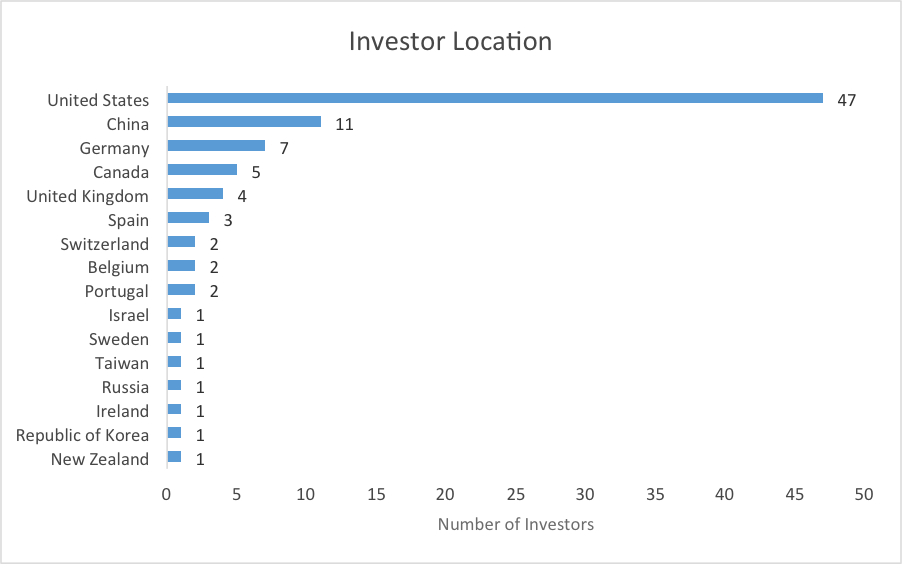
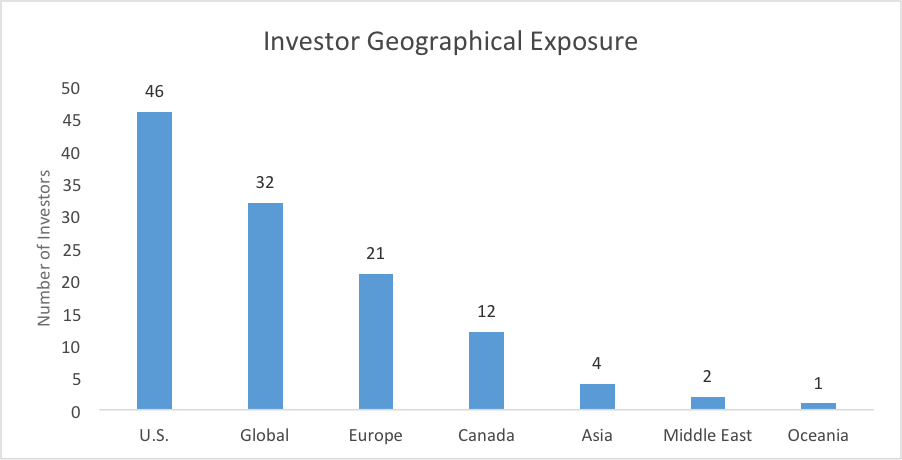
Also worth noting are the regions where these investors are based. The investors we identified are based in 20 countries in North America, Europe, and Asia, and Oceania. (See Figure 2.)

2

Figure 2

This distribution of investors with new capital reflects the IPO environment in these regions. The U.S. and therefore North America has had the highest number of IPOs, followed by Europe and Asia and Oceania. More important than where the investors are based, however, is where they are looking to allocate. Of the investors we spoke with, more than 50% are looking to invest across continents or globally. Previous articles in this newsletter have discussed the globalization of investment in the life science sector; this trend is validated by the current interests of funds and investors.

It would appear that the time is now for a start-up to execute a fundraising campaign if it has the data and team to support it. Not only is there capital to be had, but early on in a funds lifecycle, investors often consider research and technologies at earlier stages of development as the investors have the time and capital on hand to support them.


[1] Life Sci VC, “Perspectives on VC-Back Biotech: Looking Backward & Forward,” 2013 (http://lifescivc.com/2014/01/perspectives-on-biotech-looking-backward-forward/).


Partnering with Corporate Venture Capital: Tips from Industry Veterans

23 Oct

By Shaoyu Chang, Research Analyst, LSN

Shaoyu 10*10The role of corporate venture capital (CVC) continued its remarkable expansion in 2014. In the second quarter, CVC funding accounted for 29% of total venture capital funding. In the healthcare sector alone, CVC funding soared to a five-quarter high of $1.4 billion, up 200% from the previous quarter.[1] SR One, Novartis Venture Funds, and Johnson & Johnson Development Corporation led CVC funding in life sciences, while Aduro Biotech, Coherus BioSciences, and Principia BioPharma successfully raised more than $50 million in financing rounds with their CVC partners.

CVC funds are an attractive option for life science entrepreneurs for several reasons. Compared with other investors, CVC funds are not only able to provide more capital but also willing to take on riskier projects with promising potential. Working with industry veterans can provide start-ups with critical know-how in areas such as technology design, clinical development, and product commercialization.[2] And in some cases, CVC investments lead to an acquisition or strategic partnership.

How should a fundraising executive approach a CVC fund? At the most recent RESI conference, experts from six prominent CVC funds gave the following tips.

To begin with, entrepreneurs should understand what CVC funds are looking for and manage expectations from both sides. As discussed in our previous blog post,[3] CVC funds come in different flavors. Generally speaking, internally focused CVC funds seek innovations that can bolster the future portfolio of their parent company, while externally focused CVC funds look for technologies from a return-on-investment viewpoint, with less regard for the mission of the parent company. Aligning your goals with the expectations of a corporate partner is essential. A recent study found that this is an area where there is often a mismatch.[4]

CVC funds prefer to work with entrepreneurs who have a tight grasp of intellectual property and a good understanding of the commercial potential and the competitive landscape. They also favor an academic team with whom they have collaborated or with previous experience with another industry partner. To win the confidence of a CVC fund, first-time CEOs are advised to invite experienced entrepreneurs to join the start-up and build a team with credible advisors, consultants, and board members. “If you ask for money, you’re going to get advice. If you ask for advice, you’re probably going to get money,” a panelist said.

Entrepreneurs should invest time to foster relationships. Simply submitting proposals through the websites of pharmaceutical companies is not going to result in funding. It requires a substantial amount of energy to find key industry personnel who have the scientific expertise to understand the discovery and a senior position to make decisions. When a start-up has identified the key people, entrepreneurs should use conferences, social networks, personal referrals, email, and phone calls to engage these folks in conversation.

Finally, our panelists emphasized the importance of long-term relationships. Although the first contact with a CVC fund may not always develop into an investment, entrepreneurs are encouraged to maintain the dialogue. New opportunities may open up, investment criteria may change, or a portfolio’s requirments may change. “We have a lot of continuing dialogues that blossom into something really cool and end up different from the initial conversation,” a panelist concluded.


[1] CB Insights. “Corporate Venture Capital Report – Q2 2014 – CVCs Participated in $4B of Funding Across 187 Deals,” September 23, 2014. Accessed from https://www.cbinsights.com/blog/corporate-venture-capital-report-2014-q2/.

[2] Behr, J., & Murray, P. “In Search of Dry Powder,” Nature Biotechnology, October 31, 2013.

[3] Fuller, J. “Gorillas at the Table: Corporate Venture Capital,” Life Science Nation, August 9, 2013. Accessed from https://blog.lifesciencenation.com/2013/08/09/gorillas-at-the-table-corporate-venture-capital/.

[4] McCammon, M. G., Pio, E., Barakat, S., & Vyakarnam, S. “Corporate Venture Capital and Cambridge,” Nature Biotechnology, October 9, 2014.


Scientist-Entrepreneurs and Investors Made Compelling Connections at RESI 3

16 Oct

By Nono Hu, Senior Manager, Branding & Messaging, LSN

Nono 2Life Science Nation (LSN) is proud to release the RESI 2014 fall video, which captures the happenings and buzz from the third Redefining Early Stage Investments (RESI) Conference at Fenway Park. LSN is pleased that RESI provided scientist-entrepreneurs and investors with an opportunity to have a compelling dialogue that will lead to relationships and hopefully future capital allocations.

LSN would like to say thank you for coming to RESI, and we hope to see you at our next conference on January 13, 2015, in San Francisco.

Early Stage Therapeutics and Medical-Device Investors Are Often One and the Same

16 Oct

By Michael Quigley, Director of Research, LSN

mike-2Developing therapeutics differs in many ways from developing medical devices. Therapeutics tend to have longer paths to commercialization and are more capital intensive, but they also usually deliver larger exit payouts. Interestingly, more investors are currently looking for opportunities in both of these sectors than in only one of them. An analysis of approximately 600 investment mandates gathered by our research team over the past year shows the percentage of investors interested in only medical devices, only therapeutics, or both. (See Figure 1.)

Figure 1

Figure 1

More than 50% of the investors we spoke with are looking to invest at some level in both therapeutics and medical devices. While portfolio blends may vary from investor to investor, with some looking more heavily into devices and vice versa, the bottom line is many investors are looking more opportunistically. They see great potential for ROI in these two spaces, so they leverage their networks and expertise to diversify their portfolios in hopes of capturing the upside in both. Many investors have partners or team members who are focused on therapeutics and medical devices, and other investors have vast networks of experts and industry executives to help them during the vetting process if they are unfamiliar with a particular technology.

As the therapeutics approval path is a much more capital- and risk-intensive process than that of medical devices it appears logical that more investors are looking only or additionally into the medical device space. It seems that those investors are looking to diversify their portfolios and cover their bets to generate a more positive outcome. We analyzed investment mandates by investor type for only therapeutics, only devices, or both. (See Figure 2.)

Figure 2

Figure 2

It is interesting to compare mandates from the various investor types; the differences could have a number of forces driving them. Private equity groups, for example, tend to look at later-stage opportunities, such as devices that are about to reach commercialization or that have been recently approved and have begun shipping. Therapeutics at this stage, however, tend to be partnered with large pharma or biotech companies to finalize approval and distribution, making those opportunities much rarer. Given their smaller investment size compared with other investors, angel groups look to invest in companies where they can get more significant equity positions, which makes early stage devices a more viable option, compared with therapeutics that are often seeking multimillion dollar seed rounds. The corporate venture capital groups that LSN tracks also tend to favor devices because of the numerous IT and tech-based companies that are now leveraging that expertise to expand into the healthcare sector.

The most important point that can be drawn from this data is that most investors in the space are looking at both therapeutics and medical devices for new investments, and their allocations will be a function of the deals that they are presented with. As a fundraising executive, you are doing a great disservice to your company by not getting in front of investors simply because you believe they don’t invest in medical devices. Although past investment data can tell you a lot about investors, in the rapidly changing life science space, the key is uncovering which areas investors are exploring going forward. Ultimately, investors are most interested in compelling and innovative opportunities with strong teams that solve a significant problem. If you have all three things, the sheer number of high-potential investors may surprise you.


Call for Innovation: RESI Conference Presentation Applications Now Open, San Francisco, January 13, 2015

16 Oct

By Tom Crosby, RESI Conference Manager, LSN

Tom 2As LSN prepares to bring the next Redefining Early Stage Investments Conference to San Francisco, we are proud to announce that emerging biotech and medical device companies are now invited to apply to showcase their technologies at the event. Over the course of the next two months, thirty innovative companies will be selected from the pool of applications for a highly sought-after presentation space during the week of the 33rd annual JP Morgan Healthcare Conference.

For its last two Boston events, RESI has employed a re-envisioned presentation model, called the RESI Innovation Challenge; rather than have CEOs pitch during a randomly allocated 10-15 minute time slot, RESI gives presenting executives a space in the exhibition hall for the full day of the conference. Typically, selected companies will use this space to present their executive summary or recent trial data on large poster boards spread throughout the hall. LSN has found that this model increases the number and frequency of investor interactions for presenting companies throughout the course of the day.

To add some friendly competition to the atmosphere of the conference, the RESI Innovation Challenge also invites all attendees to participate in a virtual investment contest between the 30 companies. At the start of the day, each attendee receives RESI Cash to allocate to the entrepreneurs whose technologies they find most influential. When all is said and done, the company receiving the most investor dollars is named the winner. In March, it was the Newton, MA-based Empiriko; September’s event crowned Boston’s ORIG3N. Who will take the top prize at RESI San Francisco? Apply to present now — it could be you!

Innovator-RESI-4-banner

Successful Life Science Entrepreneurs Tell Their Tales from the Road

9 Oct

By Nono Hu, Senior Manager, Branding & Messaging, LSN

Nono 2At the third Redefining Early Stage Investments (RESI) Conference, LSN brought together successful life science entrepreneurs who were at various stages of their fundraising campaigns and asked them to share their experiences. The panel discussed what the early stage fundraising process was like for them and how others can build an outbound marketing campaign to raise money.

The panelists shared their insights on fundraising through the 4s framework: sourcing, screening, segmenting, and selling. Click on the video link below to hear the views of scientist-entrepreneurs in the life science industry.


Moderator:

Rick Berenson, CEO, Thermalin Diabetes

Panelists:

Barbara Fox, CEO, Avaxia Biologics

Fred Colen, President & CEO, BeneChill

Richard Gauthier, Head of Business Development, Microbiotix

Gabor Bethlendy, CCO & Founder, Parabase Genomics

Michael Tippie, CEO, TomegaVax


Who’s Fueling the Health Information Technology Investment Boom?

9 Oct

By Shaoyu Chang, Research Analyst, LSN

Shaoyu 10*10Health information technology (HIT) refers to a broad spectrum of technologies, ranging from personal health-monitoring applications to big data analytics. The venture capital firm Rock Health recently reported that venture capital funding in the HIT field reached $3 billion for 2014, well surpassing the $1.9 billion invested in the sector during 2013.[1] The LSN research team tracks investors in early stage life sciences, and we have noticed a growing interest in HIT as well.

The reason for increased interest is twofold. First, large IT corporations are diversifying their product lines and gaining exposure to the growing healthcare sector. Wireless implantable medical devices that enable remote monitoring of patients’ vital signs, smart bracelets that track an individual’s physical activity level, and algorithms that interpret genomic data are just some of the new products that corporations are hoping will reinvent how we look at healthcare. Corporate venture capital firms, such as Google Ventures and Verizon Ventures, are leveraging their expertise in electronic hardware, software, and wireless communication in order to tap into the growing number of relevant healthcare opportunities in these areas.

Second, traditional life science investors are being attracted to the HIT sector because of the lower risk, shorter development period, and rapid growth potential when compared with the traditional medical-device and pharmaceutical sectors. These investors are leveraging their life science expertise to capitalize on these opportunities when they can identify and comprehend the unmet needs these opportunities are solving. Of the hundreds of investors we interviewed, 88% of medical-device investors are either investing or seeking to invest in HIT, and 60% of biopharmaceutical therapeutic investors are doing so as well. Exhibit 1 shows the total composition of life science investors interested in HIT, as interviewed by the LSN team.

Exhibit 1

Exhibit 1

Investors’ enthusiasm is also supported in part by a favorable regulatory environment. The Affordable Care Act provides financial incentives for healthcare providers to use electronic medical records and make meaningful use of HIT systems.[2] Furthermore, in the eyes of regulatory authorities, HIT products differ significantly from medical devices and therapeutics in terms of risk profile. In its 2013 final guidance, the U.S. Food and Drug Administration made clear that it will take a hands-off approach on low-risk HIT technologies, making this field much more attractive to risk-adverse investors.[3]


[1] Rock Health, Q3 funding update: Digital health rakes in $3B, October 2014, accessible from http://rockhealth.com/2014/10/q3-funding-update-digital-health-rakes-3b/.

[2] U.S. Department of Health and Human Services, New Affordable Care Act tools and payment models deliver $372 million in savings, improve care, September 2014, accessible from http://www.hhs.gov/news/press/2014pres/09/20140916a.html.

[3] U.S. Food and Drug Administration, Mobile Medical Applications: Guidance for Industry and Food and Drug Administration Staff, September 2013, accessible from http://www.fda.gov/downloads/MedicalDevices/DeviceRegulationandGuidance/GuidanceDocuments/UCM263366.pdf.