Why Startups Struggle to Get Investor Meetings – And How to Fix It 

1 Jul

By Karen Deyo, VP of Product, Israel BD, LSN

karen-wpOne of the biggest challenges startups face when raising capital is simply getting in front of investors. Securing that first meeting often requires significant effort, and when outreach goes unanswered, founders are left wondering: Are they not interested? Are they just too busy? More often than not, the issue isn’t the technology – it’s the messaging. Without clear, concise, and compelling messaging, startups struggle to cut through the noise and grab investor attention.

Over the years, Life Science Nation (LSN) has developed a comprehensive library of educational content to guide first-time CEOs through the complexities of launching a successful partnering campaign. One of the most critical – and overlooked – components is messaging. Investors are inundated with inbound requests, and your company should make it as easy as possible for them to say “yes” to a meeting – ideally just from reading your tagline and elevator pitch. When working with scientist-entrepreneurs, we often go through 20–30 iterations of a company’s core messaging before it clicks. It’s hard work, but it pays off.

Another common pitfall: focusing too heavily on the science. Investors aren’t just investing in technology – they’re investing in companies. A strong scientific story is important, but it must be framed within a broader business narrative. Founders often get valuable feedback during their campaign, but the most successful teams anticipate objections and refine their story before they launch.

That’s why LSN created a structured messaging assessment tool to help companies get a head start. We’ve developed a proprietary questionnaire that, combined with your current marketing collateral, allows our AI agent to evaluate your messaging readiness and identify areas for improvement.

The assessment includes a first-pass tagline and elevator pitch based on our proven messaging criteria, along with an analysis across eight key areas – from management team to competitive landscape – to highlight potential weaknesses in your strategy.

We’re offering this service free of charge as part of our mission to help startups overcome the hidden obstacles that make fundraising so difficult. Click the link below to fill out the questionnaire – and we’ll be in touch with your personalized assessment soon.

Pullan’s Pieces #1 – Organ on a Chip

1 Jul

Acceleration of laboratory-based technical and computational cross-fertilization, and ethical and cost pressures on regulatory bodies and therapeutic innovators is driving advancements in preclinical human-based technologies.

Organ (Lab)-on-chip (OoC/LoC) is one of the most striking examples of new translational research technology expansion with ~35% CAGR expected over the next decade (below).  

Collaborations between academia and CRO’s are driving improvements in organoid technology for the field of oncology broadly and are expected to improve OoC adoption.  Academic innovation using commercial OoC technology is also advancing applications in specific indications in oncology.  CRO’s continue to build off established uses in ADME and toxicology to explore R&D applications in oncology space and have even combined organ systems to support elaboration of multiple drug parameters in a single assay.

DEALS

The Tara Biosystems – Valo Health deal is a nice example of how an organ-on-a-chip technology approach has driven collaborations, acquisitions and deals:

  • Tara Biosystems and GSK collaborate on CV drug profiling (2019)
  • Valo Health acquires Tara Biosystems for CV OoC platform (2022, ~$75M upfront)
  • Valo and Novo Nordisk sign CV drug discovery deal (2023, $60M upfront, $2.7B total)

EmulateTissUse and Mimetas have also been backed by strong big pharma collaborations (AstraZeneca, Bayer, Roche) and funding rounds.

The Needle Issue #9

1 Jul
Juan-Carlos-Lopez
Juan Carlos Lopez
Andy-Marshall
Andy Marshall

Drug development efforts targeting the constitutive 26S proteosome have led to the development of several important multiple myeloma (MM) and mantle cell lymphoma treatments, including the first landmark FDA approval of Millennium Pharmaceuticals’ (now Takeda) dipeptide boric acid Velcade (bortezomib) in 2003 and second-generation molecules, such as Amgen/Ono Pharmaceutical’s irreversible inhibitor Kyprolis (carfilzomib) and Takeda’s orally available inhibitor Ninlaro (ixazomib). Second-generation versions of these ‘pan-proteosome’ drugs have longer duration of effect, reduced peripheral neuropathy and increased safety in renally impaired patients, but may cause gastrointestinal and cardiac toxicity. This toxicological profile has shifted attention to developing inhibitors selective for an alternative form of the core 20S proteosome—the immunoproteasome, which processes peptides for presentation to CD8+ T cells in the MHC-I complex and is constitutively expressed only in hematopoietic cells, induced in immune cells stimulated in the presence of IFN-γ, and upregulated in certain cancers like MM.

Currently, Kezar Life Sciences’ is furthest along in development; in April, it completed a phase 2a trial in autoimmune hepatitis of zetomipzomib (KZ-616), a small-molecule that inhibits both the immunoproteasome core particle component beta subunit 8 (PSMB8; LMP7/β5i) and PSMB9 (LMP2/β1i). Merck kGaA (Darmstadt, Germany) is also pushing forward with a phase 1 clinical program of M3258, a small-molecule inhibitor specific for PSMB8 and intended for use in MM (Principia Biopharma’s selective PSMB8 inhibitor was swallowed up by Sanofi in 2020 when the pharma acquired the San Francisco-based biotech’s Bruton’s tyrosine kinase inhibitor program). Elsewhere, Leiden University startup iProtics recently received a €200K grant from the Dutch Biotech Booster to develop selective immunoproteosome inhibitors, while Auburn University spinout Inhiprot (West Lebanon, NH) received SBIR funding to develop a dual PSMB6/PSMB9 inhibitor for MM. Now, a new study reveals immunoproteosome targeting may also have benefits in neuroinflammatory diseases like multiple sclerosis.

The work, published in Cell and led by Catherine Meyer-Schwesinger and Manuel Friese, from University Medical Center Hamburg-Eppendorf, identifies a neuron-intrinsic mechanism of neurodegeneration in multiple sclerosis (MS) driven by the immunoproteasome.

Under healthy conditions, neurons utilize the constitutive proteasome subunit PSMB5 to regulate proteostasis and degrade 6-phosphofructo-2-kinase/fructose-2,6-biphosphatase 3 (PFKFB3), a potent stimulator of glycolysis. This degradation is key because neurons rely more on the pentose phosphate pathway than on glycolysis to produce antioxidants like NADPH and glutathione for protection against oxidative stress.

However, Meyer-Schwesinger, Friese and their colleagues show that, during neuroinflammation, chronic exposure to interferon-γ leads to the induction of the immunoproteasome in neurons, triggering the replacement of constitutive proteosome PSMB5 (β5c) with PSMB8 (β5i). This subunit swap in neurons reduces proteasomal activity, resulting in accumulation of PFKFB3, which in turn enhances glycolysis, diminishes the activity of the pentose phosphate pathway, and impairs redox homeostasis — conditions that sensitize neurons to oxidative injury and ferroptosis.

The team showed that this mechanism was operational in both experimental autoimmune encephalomyelitis (EAE; a mouse model of MS) and brain tissue from MS patients. Moreover, neuron-specific knock-out of Psmb8 or pharmacological inhibition using the small-molecule PSMB8 inhibitor ONX-0914 (originally developed at Onyx Pharmaceuticals/Proteolix) protected neurons in vivo from inflammation-induced damage. Similarly, blocking PFKFB3 with the small-molecule inhibitor PFK-158 or through conditional knockout in neurons reduced disease severity in EAE, prevented neuronal and synaptic loss, and reduced markers of oxidative stress and lipid peroxidation.

It is important to highlight that, unlike cancer or immune cells, neurons do not upregulate PSMB8 in response to a series of MS-related cytokines. So, the neuron-specific effect reported in this study might only become active upon chronic neuroinflammation (i.e. chronic exposure to interferon-γ). Understanding this mechanism might reveal new targets related to the immunoproteosome in the treatment of MS.

This brings us to challenges for translational efforts seeking to develop immunoproteosome inhibitors against MS. Several important neuronal processes, such as synaptic transmission and calcium signaling, are tightly linked to proteasome function; thus, pan-proteosome inhibitors like Velcade could be detrimental to the CNS. The saving grace of approved proteosome inhibitors is that current chemotypes (boronate-based peptides or epoxyketone-based binders) do not cross the blood brain barrier, at least in healthy individuals. Thus, any MS program might need to use intrathecal injection for compounds derived from existing chemical series or engage a medicinal-chemistry effort to design molecules that can breach the BBB and retain potency.

The gambit for immunoproteosome-selective drugs is that they avoid inhibiting constitutive 26S proteosome activity in most tissues (and non-inflammed CNS), which is what makes Velcade and its derivatives so difficult for patients to tolerate; an immunoproteosome inhibitor should therefore have a more favorable safety profile. But so far, immunoproteosome-targeting drugs have had their own share of toxicity problems in the clinic.

Last October, Kezar abandoned its program for zetomipzomib in lupus nephritis after the FDA placed a clinical hold on the trial after 4 patient deaths. The agency placed a second partial hold on the company’s autoimmune hepatitis trial in 24 patients last November due to concerns about steroid control and injection site reactions in 4 patients who were waiting to roll over into the open-label extension arm. Concerns about compromised immune surveillance of acute or latent viral infections due to hobbled antigen processing and presentation would also need to be explored.

In sum, the new work provides strong evidence that the immunoproteosome plays a key role not only in inflammation or infiltration of immune cells, but also in a metabolic switch in neurons which is a key driver of vulnerability in MS. It will be interesting to see whether either targeting immunoproteosome component PSMB8 or taking a completely different tack, blocking PFKFB3, will prove more practical as a neuroprotective strategy in MS.

Hot Investor Mandate: Europe-Based VC Firm Invests up to $25–30M Over the Company Lifecycle for Those Addressing Oncology or Genetic Diseases Across the Globe 

24 Jun

A global investor, headquartered in Western Europe with no geographical restrictions, and is actively seeking new investment opportunities. The firm is a specialist biotech investor with an exclusive focus on therapeutics for oncology and genetic diseases. The firm makes selective investments in newly founded or early-stage companies that apply novel science and innovative technologies to bring first-in-class drug candidates to patients. Typically, the firm invests in incorporated companies from seed stage onwards, and it can invest $25-30M over the lifetime of the companies. The firm’s current fund has a core strategy to invest in early stage companies, but the funds will also be used to invest in late stage financings, cross-over financings, IPO’s, and listed stock. These companies can either be portfolio companies or external companies. 
 
In the life sciences, the firm is currently seeking new investments targeting the development of oncology therapies and therapeutics targeting genetic diseases, and is open to all types of therapeutic modalities and all indications relevant to those spaces, including platform technologies. The firm will typically not invest in medical devices or diagnostics, unless as companion to a therapeutic solution. Projects will be evaluated on solid preclinical proof-of-concept (late preclinical stage/pre-IND or early clinical), and will often fund the companies at least up to human proof-of-concept (clinical Phase Ib – Phase IIa). 
 
At its core, the firm only invests in private companies with experienced management teams and breakthrough potential. The firm most often takes the responsibility to be lead investor, alone or in syndicate as the opportunity demands, and wants to be actively involved in the successful development and growth of its portfolio companies. To this end, DROIA has several experts in oncology and genetic diseases, intellectual property, and drug development on the investment team which are available to the portfolio companies.

If you are interested in more information about this investor and other investors tracked by LSN, please email salescore@lifesciencenation.com

RESI Boston IPC Winners Announced – Now Accepting Applications for September 

24 Jun

By Max Braht, Director of Business Development, LSN

Max-Braht-HeadshotAt RESI Boston June 2025, 53 companies participated in the Innovator’s Pitch Challenge (IPC), presenting their technologies to panels of active investors and showcasing their work in the Exhibition Hall. RESI attendees — including early-stage investors, startup executives, and industry leaders — voted for the most impressive companies based on pitch presentations, Q&A performance, and networking in the exhibit hall.

Congratulations to the Top-Ranked IPC Companies from RESI Boston June

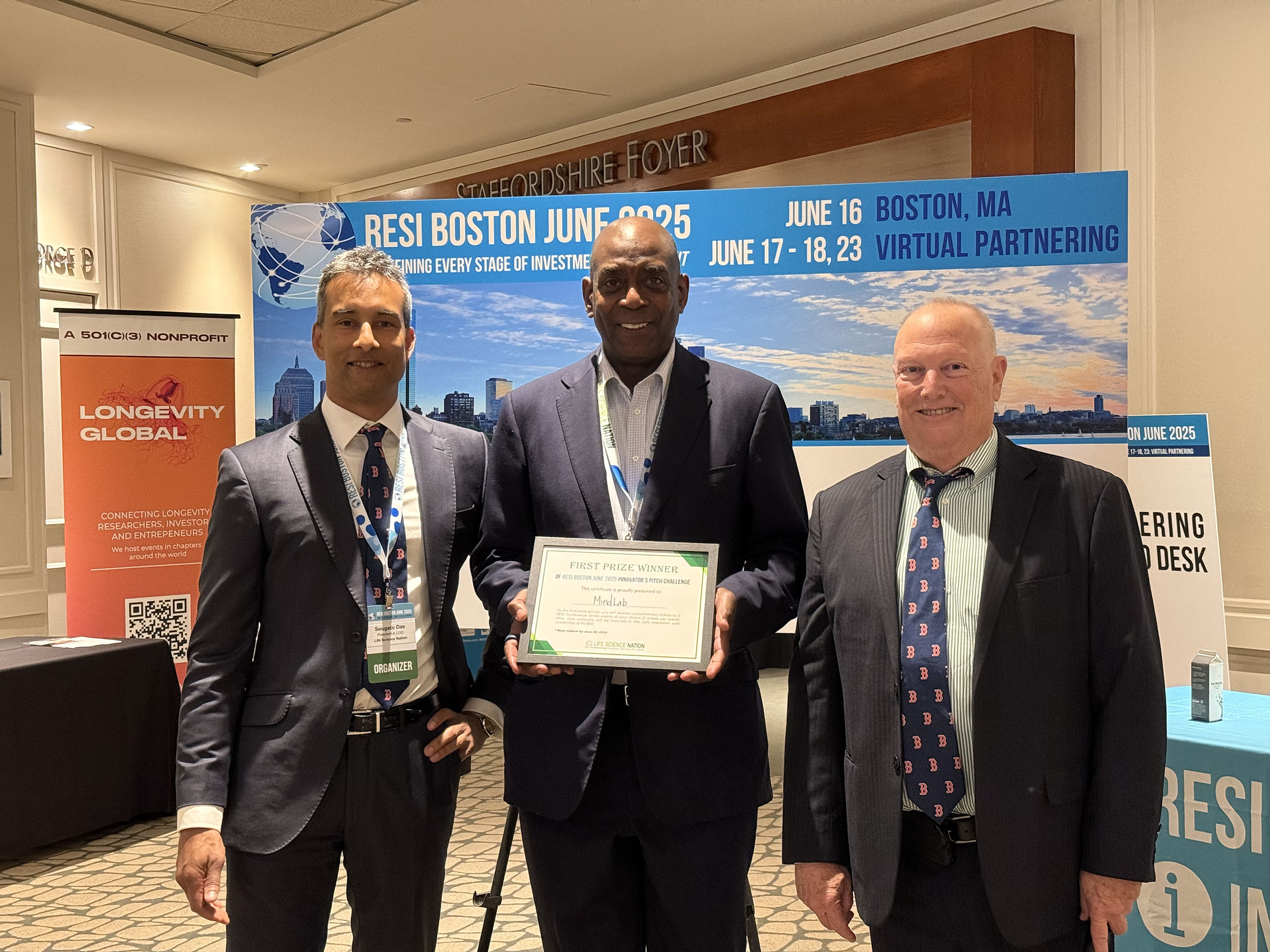
First Place: MindLab

Our lead product, MLB-001, is a first-in-class, combination drug designed to deliver powerful, life-changing pain relief using significantly lower morphine doses. MLB-001 achieves equal or superior analgesic effects compared to conventional morphine, while minimizing common side effects and reducing the development of drug tolerance. Importantly, MLB-001 is specifically engineered to lower the risk of addiction, a critical advancement given the ongoing opioid crisis. MindLab is committed to redefining pain care by introducing safer, more effective treatments that address unmet medical needs and promote better quality of life for patients worldwide.

Sougato Das, President and COO, Life Science Nation | Larry Raoul James JD, MBA, Founder, President, and CEO of MindLab | Dennis Ford, Founder & CEO, Life Science Nation


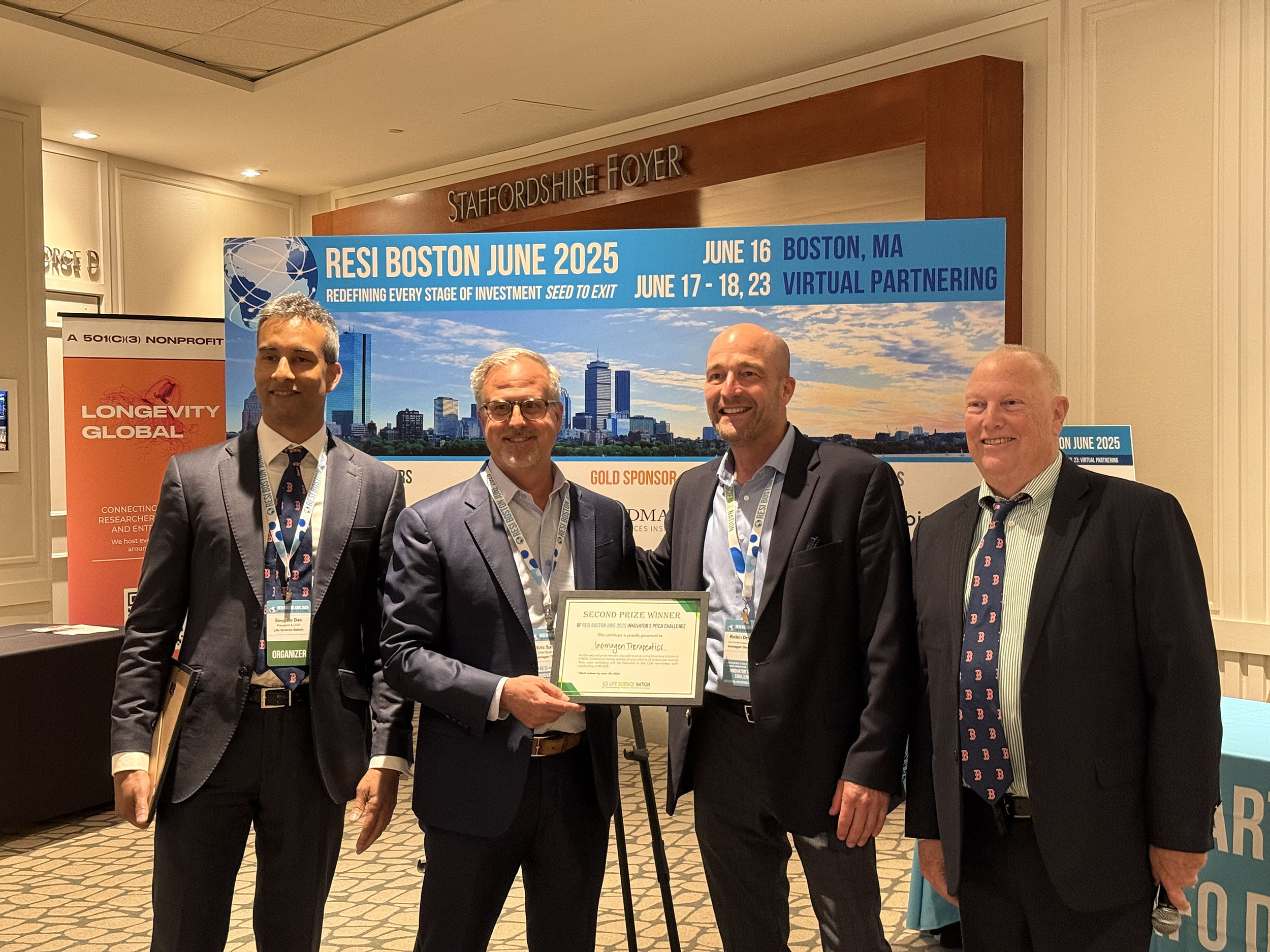
Second Place: Inomagen Therapeutics

Inomagen Therapeutics, Inc. is a private, preclinical stage biotechnology company pioneering a gene therapy to improve the treatment of atrial fibrillation. Inomagen has intellectual property and proof of concept data for both the gene and the gene delivery system. Inomagen has a strong and experienced team of industry veterans and key opinion leading cardiovascular physicians to engage in management and advisory roles, including those with extensive domain experience in gene therapy, cardiology, AF therapeutics, medical device, clinical studies, and venture capital. The market size for Inomagen’s gene therapy products is $10.2B.

Sougato Das, President and COO, Life Science Nation | Eric Sandberg, CBO, Inomagen Therapeutics | Robin Drassler, VP of Business Development, Inomagen Therapeutics | Dennis Ford, Founder & CEO, Life Science Nation


Third Place: MantaBio

MantaBio is a life sciences tools company building automated microbial detection systems specifically designed for biopharma manufacturing environments. Our platform offers rapid, high-sensitivity detection across all microbe categories: bacteria, fungi, viruses, and mycoplasma — delivering results in just 2 hours compared to the industry standard of 5 to 28 days. Built with the needs of biologics producers in mind, MantaBio’s technology is optimized for speed, accuracy, and ease of use. It requires less than one minute of hands-on time, no specialized training, and integrates seamlessly into GMP workflows. By enabling at-line or near-line testing with gold-standard sensitivity, MantaBio helps manufacturers reduce contamination risk, minimize batch loss, and accelerate product release timelines. Our system is the next generation in microbial quality control — replacing outdated manual culture methods and reliance on off-site reference labs with a modern, automated approach built to match the pace and complexity of today’s biopharma processes.
Sougato Das, President and COO, Life Science Nation | Max Braht, Director of Business Development, Life Science Nation | Carter Boisfontaine, Co-Founder and President, MantaBio | Dr. Jack Regan, Co-Founder, CEO, and CTO, MantaBio | Claire Jeong, CCO, Vice President of Investor Research, Asia BD, Life Science Nation | Dennis Ford, Founder & CEO, Life Science Nation


We applaud all IPC participants for sharing their innovative work and contributing to a dynamic, high-impact event.

Applications Now Open for the September IPC at RESI Boston

The Innovator’s Pitch Challenge at RESI Boston September offers life science startups the opportunity to present directly to a curated panel of active investors and receive real-time, constructive feedback. Each pitch includes a live Q&A with investor judges and extended exposure through participation in the IPC exhibition hall.

New for September, the IPC package now includes the option to add a second three-day standard ticket at no additional cost. This provides a teammate with full access to partnering and conference sessions.

Benefits include:

  • Investor feedback during live pitch sessions
  • Full access to one-on-one partnering
  • Exhibit table in the IPC Hall
  • Optional additional RESI pass included

Apply now to secure your spot and connect with global early-stage investors this September.

Apply to Pitch at RESI Boston Sept. 2025

Investor Panels at RESI Boston September

24 Jun

By Claire Jeong, Chief Conference Officer, Vice President of Investor Research, Asia BD, LSN

RESI Boston returns on September 17, 2025 at the Westin Copley Place, once again serving as a core event during Biotech Week Boston. Organized by Life Science Nation, RESI (Redefining Every Stage of Investment) brings together life science and healthcare companies with hundreds of investors and strategic partners for a day of partnering, networking, educational content, and exhibits.

A highlight of every RESI conference is the investor panel programming, where active investors and strategics speak directly to entrepreneurs about what they’re looking for, how they invest, and how startups can position themselves for success. The upcoming September event will feature deep dives into some of the most dynamic areas of healthcare innovation, featuring speakers from impact investors, corporate venture arms, Big Pharma, family offices, and more.

Impact Investors & Venture Philanthropy Panel

The Role of Impact Investing in the Healthcare Ecosystem

Impact investors and venture philanthropists are playing a growing role in backing early-stage healthcare ventures, especially those addressing health equity and underserved areas. In this panel, leaders in the field will discuss how they define and measure impact, what they look for in mission-driven ventures, and how they work with founders to align values with milestone-based progress. Attendees will gain insight into how this capital is deployed to catalyze innovations that go beyond traditional ROI.


Mental & Behavioral Health Panel

Investing in Solutions for Higher Quality of Life and Wellbeing

With 1 in 8 people globally affected by mental disorders, demand for novel solutions in behavioral health continues to grow. This panel features investors who are actively backing companies developing digital tools, neurotechnologies, care delivery innovations, and novel therapeutics. Panelists will explore challenges such as stigma, reimbursement, and regulation—along with what it takes for startups to stand out in this vital and rapidly evolving market.


Oncology Innovation Panel

Latest Scientific Breakthroughs and Future Outlook

Oncology continues to attract robust investor interest, yet the bar for scientific rigor and differentiation is high. This session gathers investors focused on oncology diagnostics, therapeutics, and platforms to discuss what excites them in the current landscape and what it takes to succeed. Topics include scientific novelty, clinical de-risking, commercial potential, and where the next wave of oncology innovation may arise.


Corporate VC Panel

Venture and Innovation Arms Making Strategic Investments

Corporate VCs offer much more than capital, they bring strategic alignment, deep expertise, and long-term partnership opportunities. In this session, leaders from CVC arms of major pharma, biotech, and medtech companies will discuss how they source and evaluate early-stage deals, what startups should expect post-investment, and how founders can navigate alignment with a corporate parent. This panel is essential for startups seeking strategic investors.


Diagnostics Panel

Investing in Innovations for Preventative and Personalized Care

As diagnostics become increasingly central to precision medicine and population health, investors are paying close attention. Panelists in this session will discuss how they evaluate new diagnostic technologies, from regulatory and reimbursement outlooks to commercial differentiation and unmet need. For entrepreneurs developing platforms in oncology, infectious disease, or chronic conditions, this discussion will provide actionable guidance on positioning and funding strategies.


Partnering with Big Pharma Panel

What Startups Need to Know to Get on Big Pharma’s Radar

Securing a partnership with Big Pharma can be a transformative milestone. This panel features business development and venture leaders from leading pharmaceutical companies who will share what they look for in early-stage collaborations. Learn how they assess risk, stage readiness, and strategic fit—plus how startups can build compelling cases for co-development, licensing, or investment.


Family Offices Panel

Perspectives on Early-Stage Investments

Family offices have become increasingly visible in early-stage healthcare deals, often offering patient capital and values-driven investment strategies. This panel will unpack how these investors approach opportunity evaluation, what sets them apart from traditional VCs, and how they support portfolio companies beyond capital. Attendees will also hear practical advice for engaging family offices and building meaningful relationships.


Whether you’re developing breakthrough diagnostics, therapeutics, platforms, or care delivery solutions, the RESI Boston investor panels offer a unique opportunity to hear directly from the funders shaping the future of healthcare.

Interested in sharing your insights at RESI? Reach out to join our speaker lineup!

Register by July 11 to lock in Super Early Bird Rates and save $300. Secure your spot today and join 400+ investors and strategic partners this September in Boston.

Introducing BD Assist: LSN Sets Up the Meetings For Your Global Investor Roadshow

24 Jun

By Dennis Ford, Founder & CEO, Life Science Nation (LSN)
DF-News-09142022Life Science Nation (LSN) pioneered investor engagement through its RESI Conferences, global investor database, and entrepreneurial education programs. LSN is taking a significant leap forward with the launch of BD Assist, a full-service investor outreach and meeting management product designed to augment and complement your in-house BD efforts.

With BD Assist, LSN aids in the tedious task of booking meetings with your partner targets:

  • LSN Labs AI Agent will optimize your messaging for outreach.
  • Identify and prioritize well-matched capital and licensing partners
  • Conduct coordinated outreach
  • Schedule and confirm investor meetings on your behalf

The product development, regulatory, and operational complexities of running a life science company are already challenging enough. BD Assist removes one of the most tedious but significant burdens: finding, securing, and managing investor meetings.

Why LSN Is Uniquely Positioned to Do This
LSN combines getting the right target list, a proven canvassing and follow-up methodology, and a dedicated outreach team to deliver results. LSN is a well-known, trusted, and credible entity in the partnering space. We know what life science investors are looking for and which meetings they’ll take. Over the past decade, we’ve taught hundreds of startups how to craft their story, manage outreach, and execute CRM-powered campaigns. The results are real; see our Australian accelerator cohort, where 90% of companies secured funding or strategic partnerships.

BD Assist takes on the daily work of driving your campaign forward. We handle the outreach, schedule your meetings, manage follow-up, and sync it all to your CRM in real time. You stay focused on the science, and we set up the business development meetings. If you’re raising capital or licensing in the next 12 months, BD Assist is your opportunity to launch a turnkey global campaign without hiring a whole BD team.

Ready to activate your global roadshow?
Contact us at salescore@lifesciencenation.com to get started.