Tag Archives: food

Kobe Biomedical Innovation Cluster, Title Sponsor of RESI San Diego 2026, to Host Japan Life Science Showcase

14 Apr

By Claire Jeong, Chief Conference Officer, Vice President of Investor Research, Asia BD, LSN

Life Science Nation (LSN) is pleased to announce Kobe Biomedical Innovation Cluster (KBIC) as a Title Sponsor of RESI San Diego 2026.

Earlier this year at RESI JPM 2026, LSN and KBIC successfully co-organized the Kansai Life Science Accelerator Program (KLSAP) Demo Day, a 2-hour session highlighting innovative companies from Japan and South Korea. Building on this successful collaboration, KBIC will host the Japan Life Science Showcase at RESI San Diego, featuring 8 emerging life sciences companies from Japan. This dedicated showcase aims to highlight cutting-edge technologies and connect Japanese innovators with global investors and strategic partners.

The impact of the KLSAP Demo Day and RESI was reflected in strong feedback from participating companies:

“Celaid Therapeutics Inc. participated in JPM RESI 2026 through the full RESI package, which included a RESI-organized pitch to U.S.-based investors, an exhibition booth, and one-on-one partnering meetings. The IPC investor pitch was particularly valuable. Following the presentation, we were contacted by one of the investor judges, which subsequently led to further meetings regarding a potential investment. For early-stage companies seeking investment from U.S. investors, this program is well worth considering.”

— Yusuke Inoue, Board Director, COO & CFO, Celaid Therapeutics Inc.

Japan is home to one of the world’s most advanced life sciences ecosystems, supported by strong academic research, a highly skilled talent base, and increasing government and institutional support for innovation. Within this landscape, Kobe has established itself as a leading hub for biomedical innovation, fostering collaboration across academia, industry, and clinical institutions. Through the Japan Life Science Showcase at RESI San Diego, KBIC seeks to further elevate Japan’s presence on the global stage and accelerate cross-border partnerships.

More information about the presenting companies will be announced shortly. Please feel free to contact us at c.jeong@lifesciencenation.com if you would like to stay updated on related developments.

RESI San Diego will take place on Monday, June 22, at the JULEP Venue in San Diego. Join us for a full day of one-on-one partnering meetings, engaging programming, and the opportunity to build meaningful connections within the global life sciences ecosystem.

About Kobe Biomedical Innovation Cluster (KBIC)

Located in the heart of Kobe, Japan, the Kobe Biomedical Innovation Cluster is one of the nation’s leading ecosystems dedicated to advancing biomedical research and commercialization. With more than 340 member organizations, including research institutes, hospitals, and life science companies, KBIC plays a central role in bridging academia, government, and industry to accelerate innovation and improve global health outcomes.

As a Title Sponsor of RESI San Diego 2026, KBIC aims to strengthen international collaboration and support Japanese startups in expanding their global networks and visibility. Through its continued partnership with LSN, KBIC is committed to helping founders access global capital and strategic resources to advance their technologies from concept to commercialization.

Register for RESI San Diego

Innovator’s Pitch Challenge Winner Spotlight: Bram De Moor of You2Yourself 

14 Apr

Following its recognition as a winner of the Innovator’s Pitch Challenge at RESI Europe, You2Yourself is advancing a new approach to early disease detection through longitudinal biomarker monitoring. In this interview, Bram De Moor discusses the science behind URIMON, the company’s commercialization strategy, and how RESI has supported its investor engagement. 

Bram De Moor
Founder & General Manager, You2Yourself
CaitiCaitlin Dolegowski
Program Director, LSN

Caitlin Dolegowski (CD): For those new to You2Yourself, how would you describe URIMON and the value of longitudinal biomarker monitoring in a way that resonates with investors?

Bram De Moor (BD): URIMON is a personalized, non-invasive, urine-based liquid biopsy platform that uses urinary miRNA profiling to detect multiple serious diseases — including prostate cancer, lung cancer, and cardiovascular disease — before symptoms appear. One urine sample generates simultaneous risk scores across multiple conditions.

The longitudinal dimension is key: repeated monitoring detects biological drift months to years before clinical symptoms — the difference between catching cancer at stage I versus stage III. With no needles, no clinic visit, and at-home collection with mail-in capability, URIMON is designed for scalable, population-level adoption.

CD: What makes your approach to early disease detection fundamentally different from traditional diagnostic models?

BD: Traditional diagnostics are reactive and often focus on a single biomarker. URIMON differs in three key ways:

  • Multi-disease detection from a single sample, analyzing hundreds of miRNA species simultaneously
  • Focus on molecular signals rather than anatomical changes, enabling earlier detection
  • Use of urine as a scalable, patient-friendly biofluid that captures signals from across the body

This approach provides a unified molecular health view, reducing fragmentation across specialties.

CD: You have built a unique biobank of longitudinal samples — how does this dataset strengthen your technology and create a competitive advantage?

BD: The URIMON Biobank, developed since 2019 with over 6,500 participants under IRB-approved and GDPR-compliant protocols, is a significant strategic moat.

It enables algorithm training on longitudinal patient data, including individuals who later develop disease, supporting prospective validation. It also ensures robustness across cohorts, allowing classifiers to generalize beyond a single institution.

Replicating this dataset would require years and substantial capital, making it a durable barrier to entry.

CD: How do you think about commercialization, particularly your subscription-based model and the path toward broader reimbursement and population-level adoption?

BD: Our strategy is staged to de-risk scaling. We are entering the market under the EU IVDR Article 5(5) in-house LDT framework to accelerate time to revenue.

Our subscription model (€299–499/year) targets individuals, employer groups, and occupational health programs, aligning recurring revenue with longitudinal monitoring.

Reimbursement will follow through HTA submissions in Europe, with FDA De Novo clearance as a parallel pathway in the U.S.

CD: What key milestones or inflection points should investors be watching as you move toward your planned 2027 market entry?

BD: Key milestones include:

  • Clinical validation and publication of performance data
  • Regulatory progress under IVDR and FDA pathways
  • Launch of commercial infrastructure and first paying customers
  • Strategic partnerships and completion of financing rounds
  • These milestones will demonstrate both technical validation and commercial traction.

CD: How did participating in RESI Europe and the Innovator’s Pitch Challenge impact your investor visibility and strategic conversations?

BD: RESI provided direct access to European and transatlantic investors actively seeking early-stage diagnostic companies — a highly targeted audience that is difficult to reach through traditional outreach.

The Innovator’s Pitch Challenge offered structured validation in a competitive setting, signaling credibility to institutional investors. It also led to new investor conversations and follow-up meetings now underway.

CD: Following your recognition at RESI Europe, what are the next key priorities for You2Yourself as you move into your next phase of growth?

BD: Our focus over the next 12–18 months includes:

  • Expanding clinical evidence through continued biobank growth and prospective studies
  • Securing financing through grants and a seed-to-Series A bridge round
  • Scaling team and infrastructure across lab, regulatory, and business development functions

With favorable market conditions — including advances in NGS, growing demand for preventive health, and regulatory clarity — You2Yourself is well positioned to lead in this space.

Applications are now open for upcoming Innovator’s Pitch Challenges. Companies can apply to pitch at RESI San Diego 2026 and take the stage in front of a global network of investors and partners.

Apply to Pitch at RESI San Diego

The Needle Issue #25

14 Apr
Juan-Carlos-Lopez
Juan Carlos Lopez
Andy-Marshall
Andy Marshall

The approval of multiple anti-amyloid monoclonal antibodies (mAbs) — aducanumab (Aduhelm; now withdrawn), lecanemab (Leqembi) and donanemab (Kisunla) — over the past five years has opened the era of disease-modifying Alzheimer’s drugs, albeit with only modest benefits in addressing cognitive decline (30% slowing) and associated serious safety risks, such as CNS inflammation and cerebral hemorrhages, which has limited clinical uptake. While many drug development programs target biological processes other than amyloid formation (e.g., tau and tangles, neurotransmitter receptors, neuroinflammation, autophagy, and mitochondrial or metabolic dysfunction), companies continue to optimize anti-amyloid monoclonals, but also look for alternative ways to therapeutically target Aβ.

One alternative therapeutic modality to antibodies is chimeric antigen receptor (CAR) immune cell therapy. In recent weeks, we have been thinking a lot about in vivo chimeric antigen receptor (CAR)-T therapies, which were one of the dealmaking trends in 2025, and we recommend readers check out an excellent summary of trends in the area from the consultancy firm Scitaris (you don’t even have to give them your details to download the report).

CAR-T treatments have established their clinical niche as last-ditch treatments for B-cell malignancies, with some remarkable outcomes for late-stage patients. In some cases, they have been shown to be at least twice as effective as T-cell engager bispecific antibodies in clinical studies. But they remain rather blunt instruments.

Despite advances in the clinical management of cytokine-release syndrome and immune effector cell neurotoxicity syndrome (ICANS), CAR-T treatments continue to be associated with serious risks. And while there have been advances in managing these adverse eventsatypical non-ICANS neurotoxicities (NINTs) can also create serious clinical management issues, with risk factors predisposing patients to development still only poorly understood.

That said, over the past year, we have seen an increasing trend for the use of CAR-T treatments outside oncology. They have started to be applied with promising efficacy in various areas of autoimmunity (systemic lupus erythrematosuslupus nephritissystemic sclerosisSjögren’s syndromeantisynthetase syndromemyasthenia gravis and idiopathic inflammatory myopathies) and neuroinflammatory conditions (multiple sclerosis). In this respect, a recent paper in Science caught our attention. In it, Marco Colonna and his colleagues at Washington University in St. Louis harness astrocytes to clear amyloid plaques by promoting their ability to phagocytize Aβ.

To that end, they used in vivo gene therapy to generate astrocytes carrying chimeric antigen receptors (“CAR-As”), a strategy not unlike the one used in cancer immunotherapy. Although both macrophages (CAR-Ms) and conventional CAR-Ts have been tested in preclinical models of Alzheimer’s disease with limited success, this study reports the first attempt to directly engineer astrocytes in the body to generate CAR-As.

In broad terms, the construct used to generate CAR-As consisted of an Aβ-binding domain and the phagocytic signaling protein MEGF10 (multiple epidermal growth factor-like domains protein 10). The team examined a variety of constructs and chose two for in vivo testing. One of them combined a fragment from the Aβ-binding antibody crenezumab and MEGF10, which is primarily expressed in astrocytes. The second construct combined a fragment of aducanumab with the phagocytosis receptor Dectin-1, which is primarily expressed in microglia.

The authors packaged the constructs in an adeno-associated viral (AAV) vector under the control of an astrocyte-specific promoter and injected them intravenously into 5xFAD mice (which carry five familial Alzheimer’s disease (FAD) mutations, driving rapid Aβ plaque formation, synaptic loss, and cognitive decline starting around 2–4 months). Both CAR-As reduced amyloid burden and neuritic dystrophy, and the treatment worked both in the prophylactic and therapeutic settings.

Single-nucleus RNA sequencing and immunostaining showed that the CAR-As adopted the transcriptomic profile of activated astrocytes and readily clustered around amyloid plaques. Microglial cells, in turn, also responded to the treatment by showing a reduction of the disease-associated transcriptomic profile that is often seen after administration of monoclonal anti-Aβ antibodies. This is of interest because this disease profile of microglial cells has been suggested to contribute to the inflammatory reaction sometimes seen after Alzheimer’s immunotherapy.

A caveat of the study is that the authos saw no improvements in cognition following therapy, albeit behavioral results in mouse models have been notoriously poor at predicting outcomes in humans. However, the translational questions don’t stop there.

If in clinical practice the CAR-A approach would require an AAV vector, then immunogenicity of the treatment is going to be an issue. Pre-exposure to AAV is often a problem for gene-therapy programs, where patients are much younger. Given that Alzheimer’s is a disease associated with an elderly population, immunogenicity is likely to be exacerbated. Similarly, the delivery of 1013–1014 viral genomes to elderly patients living with Alzheimer’s—many of whom will already have a brain prone to neuroinflammation—makes the specter of unwanted side effects a major concern. In this respect, finding Alzheimer’s patients whose disease stage and age would be appropriate for a therapy with potentially highly toxic consequences for fragile recipients is also difficult to gauge.

That is not to say that CAR-immune cell therapy may not have a place in CNS disease. It just seems like neurological conditions, such as multiple sclerosis where patients are younger and potentially less fragile, are the place where much of the translational groundwork and clinical management for CAR-A or CAR-T therapies must be worked out before moving into neurodegenerative disease for elderly and cognitively compromised patients.

RESI Europe 2026 Innovator’s Pitch Challenge Winners 

31 Mar

By Claire Jeong, Chief Conference Officer, Vice President of Investor Research, Asia BD, LSN

At RESI Europe 2026 in Lisbon, more than 20 innovative companies participated in the Innovator’s Pitch Challenge (IPC), showcasing cutting-edge technologies across drugs, devices, diagnostics, and digital health. The IPC continues to serve as a powerful platform for early-stage life science companies to engage directly with active investors and strategic partners. 

Each finalist delivered a 6-minute pitch followed by a 7-minute live Q&A with a panel of investor judges, creating a dynamic and interactive evaluation process. Beyond the stage, participating companies also connected with attendees through dedicated poster presentations and 1:1 partnering meetings, maximizing visibility and investor engagement throughout the event. 

A defining feature of the IPC is the RESI cash voting system. Registered attendees, including investors, startup executives, and industry experts, allocated their RESI cash to the companies they found most compelling. Voting was based on pitch performance, Q&A responses, and direct interactions during partnering meetings and networking sessions. 

Life Science Nation is proud to announce the top three winners of the RESI Europe 2026 Innovator’s Pitch Challenge: 

1st Place 2nd Place 3rd Place
StimOxyGen Amets Biotechnology You2Yourself

These companies stood out for their strong scientific foundations, clear value propositions, and ability to engage investor interest. 

Applications are now open for upcoming Innovator’s Pitch Challenges. Companies can apply to pitch at RESI San Diego 2026 and take the stage in front of a global network of investors and partners. 

Apply to Pitch at RESI San Diego

RESI Europe 2026 IPC Finalists 

10 Mar

By Claire Jeong, Chief Conference Officer, Vice President of Investor Research, Asia BD, LSN

Life Science Nation (LSN) is pleased to announce the finalists for the Innovator’s Pitch Challenge (IPC) at RESI Europe 2026, taking place in Lisbon during the week of March 23. The event will bring together early-stage life science and healthcare innovators with a global community of investors seeking opportunities across drugs, devices, diagnostics, and digital health (4Ds).

This year’s IPC will feature over 20 presenting companies, with finalists pitching their technologies in dedicated sessions throughout the conference. These startups represent a diverse range of innovations aimed at solving critical healthcare challenges and advancing the next generation of life science breakthroughs.

The IPC gives founders the opportunity to pitch directly to active investors, including venture capital firms, family offices, corporate venture groups, and angel investors. Presenting companies receive valuable feedback from investor judges while gaining visibility among the investors and strategic partners attending RESI Europe.

Finalists will also have opportunities to connect with investors through RESI’s partnering system, as well as continue conversations during networking sessions and throughout the conference.

About the RESI Innovator’s Pitch Challenge

The IPC is a cornerstone of the RESI conference series. Each pitch session brings together a coordinated panel of investors who provide interactive feedback and questions designed to help founders refine their fundraising strategy and investment narrative.

Companies selected as IPC finalists receive RESI conference registration, the opportunity to present live to investors, and the chance to build relationships with members of the RESI investment community.

Join Us at RESI Europe 2026

RESI Europe 2026 will bring together founders, investors, and strategic partners for a full day of programming including investor panels, workshops from sponsors, networking opportunities, and the Innovator’s Pitch Challenge.

Attendees will have the opportunity to engage with the early-stage life science ecosystem through structured partnering meetings and educational sessions focused on fundraising and company development.

Register for RESI Europe

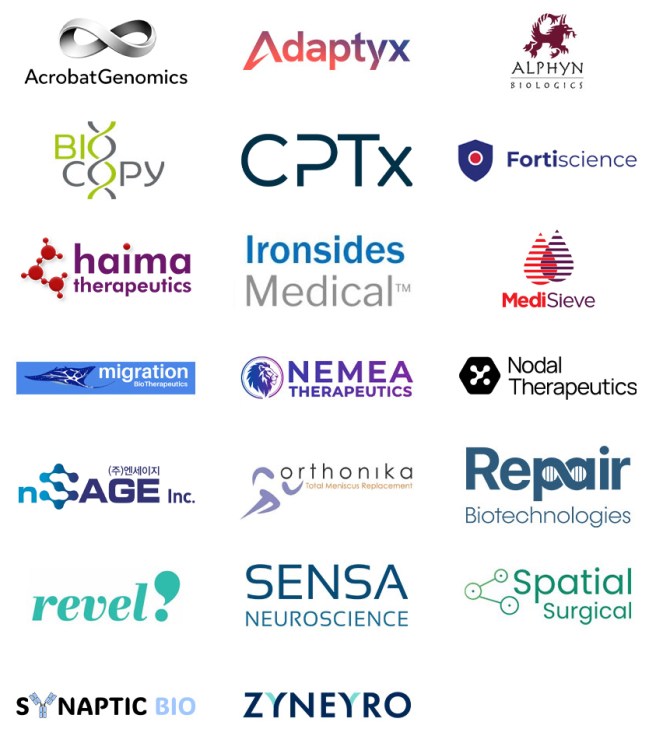
Meet the RESI Europe 2026 Innovator’s Pitch Challenge Finalists:

Applications Now Open for RESI San Diego

The Innovator’s Pitch Challenge at RESI San Diego offers life science startups the opportunity to present directly to a curated panel of active investors and receive real-time, constructive feedback. Each pitch includes a live Q&A with investor judges and extended exposure through participation in the IPC exhibition hall.

Apply to Pitch at RESI San Diego


RESI San Diego 2026: Investor Panel Lineup Announced 

10 Mar

By Momo Yamamoto, Senior Investor Research Analyst, LSN

Life Science Nation (LSN) has announced the investor panel lineup for RESI San Diego 2026, taking place June 22 at the JULEP Venue in San Diego during Convention Week, followed by four days of virtual partnering on June 23–24 and June 29–30. The hybrid format combines in-person networking with extended virtual partnering, giving founders and investors additional opportunities to continue conversations and schedule meetings beyond the live event.

Investor panels are a cornerstone of the RESI conference series, bringing together active investors and strategic partners to share perspectives on the evolving life science funding environment. These sessions offer founders and executives the opportunity to hear directly from investors about how they evaluate opportunities across drugs, devices, diagnostics, and digital health.

This year’s discussions will explore several key themes shaping early-stage investment. Topics will include how emerging companies can successfully engage pharmaceutical partners, what strategic investors and corporate venture capital groups are prioritizing in today’s market, and how medtech innovators can position themselves to attract both financial and strategic partners. Panels will also examine investment trends in diagnostics and oncology, the growing role of artificial intelligence in healthcare innovation, and the challenges many startups face when moving from seed capital to institutional venture funding.

RESI San Diego 2026 Investor Panels

Time  Panel Title 
9AM  Inside Pharma Partnering 
How Early-Stage Companies Can Engage Pharma 
10AM  Strategic Partnerships in Medtech 
What the Next Generation of Device Companies Must Deliver 
11AM  Strategic Capital: The Role of CVCs 
Investing Where Innovation Meets Industry
1PM  New Frontiers in Diagnostics 
Investing in Technologies Enabling Earlier Disease Detection 
2PM  Emerging Approaches in Cancer Therapies 
How New Modalities Are Standing Out in a Competitive Market 
3PM  AI at the Frontlines of Healthcare Innovation 
Building Scalable Companies at the Intersection of Data and Medicine 
4PM  Crossing the Venture Gap 
Moving from Seed Funding to Venture Rounds 
Register for RESI San Diego
Apply to Speak at RESI San Diego

In addition to investor panels, RESI San Diego will feature the Innovator’s Pitch Challenge, where selected startups present their technologies directly to investor judges in an interactive pitch format. The conference also offers extensive one-on-one partnering opportunities, allowing attendees to schedule meetings with investors, strategic partners, and industry leaders through the RESI partnering system.

Held during San Diego’s broader biotech Convention Week, RESI San Diego provides a focused environment for early-stage companies to connect with active healthcare investors and strategic partners. The event brings together venture capital firms, family offices, corporate venture groups, and industry leaders seeking opportunities across drugs, devices, diagnostics, and digital health.

Register today to secure your place at RESI San Diego 2026 and connect with investors shaping the future of healthcare innovation. Super Early Bird rates are available through April 17.

Apply to Pitch at RESI San Diego

RESI Europe 2026 Investor Panels Take the Stage in Lisbon 

3 Mar

By Claire Jeong, Chief Conference Officer, Vice President of Investor Research, Asia BD, LSN

Life Science Nation (LSN) is preparing for RESI Europe 2026, taking place March 23 in person at the EPIC SANA Lisboa Hotel, followed by four days of virtual partnering. 

The RESI Europe panel program will bring together active healthcare investors to discuss the sectors and strategies shaping early-stage capital formation across therapeutics, devices, diagnostics, digital health, and enabling technologies. As European companies increasingly look beyond domestic markets for capital, the conversations will reflect cross-border investment dynamics and milestone expectations in today’s disciplined funding environment. 

These panels are structured as constructive dialogue between investors and fundraising CEOs. Attendees will hear directly from venture, corporate, and strategic investors about how opportunities are evaluated, what readiness looks like at Seed and Series A, and how companies can engage the right partnering environments at the right time. 

Join the panelists at RESI Europe 2026 and engage directly with the investors shaping early-stage healthcare capital. 

Special Offer: Register for a RESI Europe 5-day hybrid ticket and receive a complimentary second attendee pass. This promotion applies to standard hybrid registrations and provides an opportunity to bring a colleague to maximize partnering coverage across all five days. 

Register for RESI Europe and secure meetings with active healthcare investors in Lisbon this March. 

Register for RESI Europe
RESI Europe Investor Panel Speakers
Raj-Airey
Raj Airey

Convergence Partners AG
Rosie-Barnett
Rosie Barnett

Delin Ventures
Amine-Benmoussa
Amine Benmoussa

Karista
Marcos-Casado
Marcos Casado

Invivo Partners
Bettina-Ernst
Bettina Ernst

BERNINA BioInvest
Navin-Govind-
Navin Govind

Evidence Ventures

William Hsu

Life Science Angels
Mohammad-Khobreh
Mohammad Khobreh

NG Bio
Carsten-Laue
Carsten Laue

M2Care
Chloe-Lepretre
Chloé Lepretre

Servier
Mukul-Mohanty
Mukul Mohanty

Truffle Capital
Luka-Nicin
Luka Nicin

Pace Ventures
Joseph-Oliver
Joseph Oliver

Stanford Angels of the UK
Soyoung-Park
Soyoung Park

1004 Venture Partners
Francisco-Pinto
Francisco Pinto

Bynd Venture Capital
Bibi-Sattar-Marques
Bibi Sattar Marques

Buenavista Equity Partners
Jeff-Stinson
Jeff Stinson

HTA
Mercedes-Tuin
Mercedes Tuin

Heran Partners
Carmel-van-den-Berk
Carmel van den Berk

Brightlands Venture Partners
Mariette-van-der-Velden
Mariette van der Velden

Curie Capital
Giulia-Vestri
Giulia Vestri

Claris Ventures
Yu-Zhang
Yu Zhang

FaaS Capital