
By Max Braht, VP of Business Development, LSN

For early-stage life science companies, fundraising and partnering are not one-time activities. They require an ongoing, focused effort to identify the right market, communicate a clear opportunity, build relationships, and follow through consistently.
Many companies have the science, the data, and the ambition to move forward, but do not have a dedicated business development resource to manage that work throughout the year. Leadership teams are often balancing scientific progress, regulatory planning, operations, and fundraising at the same time.
Life Science Nation’s BD Assist program was developed to provide hands-on support for companies that need help executing their fundraising and partnering campaigns.
BD Assist is the execution layer of Life Science Nation’s commercialization system. It builds on the work of understanding a company’s readiness, identifying the right investor and licensing-partner market, and creating a Global Target List that can support a focused campaign.
The result is not simply a list of contacts. It is a structured process for moving from market intelligence to outreach, follow-up, and meeting generation.
From target market to active campaign
Every BD Assist engagement begins with an understanding of the company’s goals, financing needs, technology, milestones, and partnering objectives. Life Science Nation then works with the company to refine its narrative and marketing materials so the opportunity can be communicated clearly to the market.
Using Life Science Nation’s investor and licensing-partner intelligence, the BD Assist team helps construct and prioritize a Global Target List of relevant investors and strategic partners. The target list is informed by company-specific attributes as well as investor behavior, helping companies focus their efforts on the market most relevant to their opportunity.
From there, BD Assist supports campaign strategy, personalized outreach, follow-up, and meeting generation. Outreach activity is tracked through the client’s CRM platform, allowing the company to maintain visibility into campaign progress and investor engagement.
This ongoing execution is a key part of the program. A target list has value only when it becomes a disciplined campaign that continues to build relationships and create opportunities over time.
Extending a company’s business development capacity
BD Assist is designed to become an extension of a company’s business development capability.
Rather than providing recommendations for a company to carry out on its own, Life Science Nation helps manage the campaign workflow. This allows company leadership to stay focused on advancing the science, reaching development milestones, and preparing for productive investor and partner conversations.
The program also includes regular strategy discussions and campaign refinement as the company receives feedback from the market. As priorities evolve, BD Assist can help ensure that outreach remains aligned with the company’s current fundraising or partnering objectives.
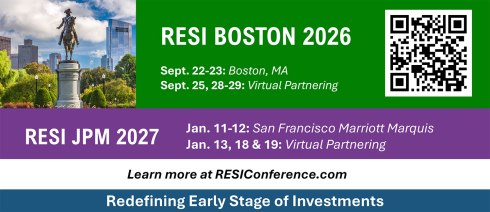
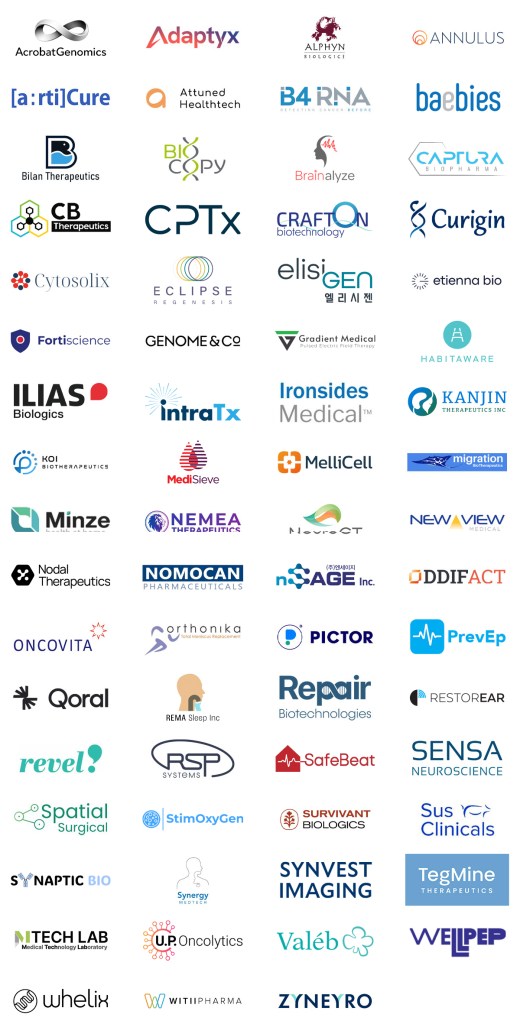
For companies participating in RESI, BD Assist can also support their partnering activity and help them make the most of the investor and licensing-partner marketplace.
Part of a broader commercialization process
BD Assist is one part of a connected Life Science Nation commercialization system.
The Assessment Engine helps companies understand their evidence, risks, milestones, capital readiness, and investability. LSN Labs helps companies address gaps and prepare for the market. The Investor and Licensing Partner Database provides market intelligence. The Global Target List helps companies identify and prioritize their target market. BD Assist helps execute the campaign. RESI creates opportunities to meet the global investor and licensing-partner community.
For companies seeking investment, licensing opportunities, or strategic collaborations, this creates a more connected path from preparation to market engagement.
Fundraising is not only about finding names. It is about executing a consistent process that helps the right companies connect with the right market at the right time.
To learn more about BD Assist and discuss whether it is a fit for your company, complete the LSN Labs Company Assessment Report.
| Apply for LSN Labs Company Assessment Report |

 Simon Hua
 KBIC brings together roughly 350 companies, research institutes, and specialized hospitals on Kobe’s Port Island, spanning regenerative medicine, medical devices, pharmaceuticals, and digital health. It sits at the center of a country that leads the world in regenerative medicine and iPS cell science.