By Karen Deyo, Senior Investor Research Analyst, LSN
 For many therapeutics companies, acquisition by a Big Pharma is the most sought-after exit scenario. The big question always is: how do startups get there? The Big Pharma panel at RESI Boston, taking place on Wednesday, Sept 11th, looks to answer this, and other, questions. The panelists will discuss how to get in front of the right people at a Big Pharma, the different types of partnerships and collaborations that can be a first step towards potential acquisition, and even how Big Pharma companies may be expanding beyond traditional therapeutics.
We are excited to announce the panelists participating on the Big Pharma panel at RESI Boston. Moderated by Guillermo Yudowski, Principal Investigator, External Portfolio Innovation Unit (EPIU) at Biogen
 Guillermo Yudowski serves as Principal Investigator at the Laboratory of Neuronal Cell Biology (LNCB) and the External Portfolio Innovation Unit (EPIU) in Biogen. As member of the EPIU, Guillermo represents Biogen externally to establish a global network with industry and academia fostering partnerships and collaborations focused on developing innovative therapies for people living with serious neurological and neurodegenerative diseases. Prior to joining Biogen, Guillermo held various academic appointments at The University of Puerto Rico and the University of California San Francisco where his research focused on understanding fundamental aspects of neuronal function. He was a visiting scientist at Pfizer, the Weizmann Institute and is recipient of several honors including been selected as Pew Latin American fellow.
The panelists are:
Javier Cote-Sierra, Head of External Innovation Inflammation & Immunology at Sanofi

Javier is the Head of External Innovation Inflammation & Immunology. Before joining Sanofi, Javier was Senior Director External Science & Innovation Inflammation & Immunology Research Unit at Pfizer. Prior to joining Pfizer, Javier was the Director of Immunology at the GSK Center for Skin Biology. Javier joined GSK from Hofmann-La Roche where he was Senior Scientific Investigator, in the Respiratory, Inflammation & Autoimmunity department. Javier started his career in the Immuno-Inflammation TA at Millennium Pharmaceuticals. Javier has a BSc in Microbiology from Universidad Industrial de Santander, Colombia, a MSc in Molecular Biology and a PhD in Immunology from the Free University of Brussels, Belgium. He completed his postdoctoral studies in Immunology at NIAID, NIH in Bethesda, MD.
Mark Stencik, Executive Director, Business Development & Licensing, Boston Innovation Hub at Merck
Mark has more than 17 years of industry experience mainly focused in business development and licensing. Mark currently leads transactions at the Merck Boston Innovation Hub, which is a Business Development and Licensing team focused on early-stage therapeutics (pre-clinical proof-of-concept) as well as accessing innovative research and technologies through collaboration, licensing, or mergers and acquisitions in the academic, pharma and biotech communities. Mark has led the negotiation of various complex transactions, including Merck’s acquisition of Tilos Therapeutics and licensing deals with Skyhawk, Dragonfly, Moderna, among others. Prior to Merck, Mark spent over five years at Vertex Pharmaceuticals in Business Development and Strategic Operations roles. Prior to that he spent time at Amgen in various finance roles including Treasury and Business Development & Strategy. Mark holds a B.S. in Accounting from the Pennsylvania State University and an MBA in Finance from New York University.
Jennifer Ma, Executive Director, Business Development & Licensing at Novartis

Greg Fralish, Director, Oncology Business Development at Takeda


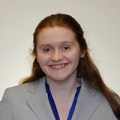

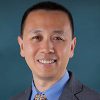 Larry Cai is Executive Director of Business Development at Fosun Pharma USA, based in Boston MA. He has more than 20 years of experience in business development and research and development in life science industry. Larry is responsible in search and evaluation of innovative assets, ranging from early stage technology platform to late clinical stage therapeutics. Prior to Fosun, he was head of business development and public affairs at Qilu Pharmaceuticals, helped establish Qilu Boston Innovation Center (QBIC). Larry completed his undergraduate and graduate degrees in the US, after transferring from Peking University. He was involved in the volunteer based New England Sino-American pharmaceutical Professionals Association (SAPA-NE), serving as its president from 2017-2018.
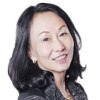 Seasoned bilingual and bicultural MedTech executive, specializes in NMPA (CFDA) regulatory, CRO and commercialization services. 20+ years of experience driving global business strategy, commercialization, partnerships, and China operations for both large multinationals and startup companies. Regulator speaker at key national and local MedTech meetings, RAPS, CABA, NEHEN etc. Writer for multiple journals, FDA News, RAPS Forum, MedTech News. Grew up in Beijing, China and received a Joint BA from Peking University, China, and an MBA from Yale University, USA. Founder of China Med Device, LLC with offices in Beijing and Boston providing turnkey solutions for western medical device/IVD companies to enter China with regulation/CRO/commercialization services.
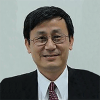 Dr. Lin has more than 30 years of experience in biotech industry and in innovation. Before co-founding US Innovation Center, he co-founded Guoqian VC; serviced as Vice President of Mindray Bio-Medical Electronics, Co., Ltd., the largest medical company in China; and Chief Technical Officer of Cardiac Science, Inc , which he helped to build from his garage to NASDAQ national market. He helped many startups to become public companies and/or be acquired. He led the development of many award winning products. Dr. Lin received his Ph.D. and Master degree from the University of Michigan and Bachelor degree from Beijing Normal University.
 Kimberly Nearing has over 20 years of international life sciences experience, including in nancial services, operations (Amgen, Merck, IBM Healthcare) and consulting. As the Managing Director, Head of Life Sciences at the Cedrus Group, a Hong Kong-based global boutique investment rm, Kim is focused on driving international business and investment between the U.S., Europe, Greater China, and broader Asia regions. She is also an Independent Director of a biotech company in Silicon Valley, Board of Directors/Executive Committee Member of a Foundation in Washington D.C., and Regional Leader for BayHelix (exclusive professional Chinese healthcare organization). * Master of Science with Honors from Harvard University and a Bachelor of Arts with Distinction from the University of Michigan.
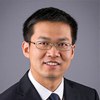 Meng Yan’s practice includes intellectual property law, corporate law and trust and estate planning and related matters. Mr. Yan advises both U.S. and international clients on a wide range of intellectual property matters, including trademark and patent preparation, filing and prosecution, technology transfer and licensing, copyright registration and dispute resolution in relation to IP. Mr. Yan also advises client on corporate matters from company set-up to legal issues in the course of business operation and growth in various industries. In addition, Mr. Yan works closely with the firm’s estate planning group to set up trust agreement, will and other related documents for domestic and international clients.