Archive | Redefining Every Stage Investments (RESI) RSS feed for this section

How the Affordable Care Act Affects Investor Mandates

10 Dec

By Lucy Parkinson, Director of Research, LSN

The Affordable Care Act (ACA), passed in 2010, has had a profound impact on the US healthcare industry; its provisions have been implemented gradually, and investors in the life science sector have been paying close attention to its impact in their search for new opportunities. The ACA has been particularly impactful in healthcare IT investment, and we have also seen some effects in medical technology. As LSN’s research staff continue to converse with investors, several have spoken about this trend in depth. Here are a few effects of the ACA that our investor dialogues have brought to light.

Investors Find Opportunities in ACA Incentives

The ACA provides financial incentives and penalties for care providers to meet certain care quality goals. Some investors are therefore seeking technologies that will help care providers achieve these ACA-defined goals, as these technologies have the potential to be rapidly adopted by care providers seeking to meet ACA targets and avoid penalties.

For example, since 2012 hospitals have been penalized by a reduction in Medicare payments if they have high readmission rates. Some investors are therefore focused on services that can prevent readmission, such as data-driven care management platforms that will identify patients that need more support after being discharged from hospitals and connect those patients with services outside the hospital setting. Hospital safety is another area in which the ACA has created incentives, and some investors are focused on technologies that improve surgical safety or address hospital-acquired infections.

Investor Relationships with Hospitals Matter

As the aforementioned ACA incentives focus significantly on hospitals, investors with an eye to the ACA are typically seeking to invest in products that will be used in a hospital setting, or which focus on hospitals as their customer market. Several investors have focused on building relationships with hospitals or hospital networks; the investors can tap these relationships to help them assess deals, or to drive adoption of a product in which they’ve invested. Hospital consolidation is a significant trend within healthcare, and this consolidation often leads to hospitals becoming more powerful as customers, with the potential to drive rapid adoption of a product if it offers them better value than the status quo. In addition to building their own relationships with hospitals, investors will also consider whether a company is well positioned for working with hospital networks as customers and what existing relationships the companies have formed with major hospitals.

Insurance Companies Making Venture Investments

The health insurance industry is rapidly changing and consolidating in the new environment. An ACA feature called the Medical Loss Ratio compels insurers to spend 80-85% of premiums on providing care or improving the quality of care; as investing in new technologies can be classed as quality improvement spending, several insurance companies are now getting hands-on about investing in new healthcare technologies that can be deployed throughout their networks. Some insurers have become LPs in venture capital funds, whereas others have launched their own corporate VC arms. Consistently, LSN has found that these entities are primarily focused on healthcare IT and healthcare service opportunities that align with the ACA incentives; in many cases, the insurer may become investor and customer, and can use their internal resources to assess the value of a new product or service.

If your company’s technology aligns with one of the incentives outlined in the ACA, it’s definitely an angle that’s worth emphasizing in your pitch to investors, as many have a specific interest in investing in helping care providers meet their ACA goals. ACA implementation is changing many aspects of the healthcare industry, and a savvy CEO will position their company favorably in the new landscape.

Trends in Diagnostic Investment: Who, Where and Why

10 Dec

By Cole Bunn, Research Analyst, LSN

cole-wp

As healthcare and the life science space continue to evolve, the term “diagnostic” is taking on more and more meanings—and branding yourself as simply a “diagnostics company” is becoming increasingly ambiguous. This growing intricacy lends itself to the difficulties inherent in the sector. Whether you are developing a molecular-based point-of-care (PoC) diagnostic, a new in vitro diagnostic (IVD) test used in a clinical laboratory, a companion diagnostic for an oncology therapeutic or a biomarker discovery platform, there are some distinct challenges standing in the way of your technology and a successful exit.

Taking a look at some of the happenings in the diagnostics sector, some data from the LSN Investor Platform, and some of the things we’ve heard from diagnostic investors helps paint a better picture of the market, elucidating some guidelines to follow and common pitfalls to avoid for entrepreneurs developing diagnostic products/services.

As diagnostic technologies mature, we are seeing them make a push into the marketplace, sometimes figuring out how they fit in along the way. Point-of-care diagnostics, in particular, are expanding and evolving from pure technology development to applications development in various settings. As the assortment of new diagnostics find their niche in the healthcare marketplace, some investors tend to be somewhat reluctant to dive in headfirst, given the impediments these companies are bound to run into.

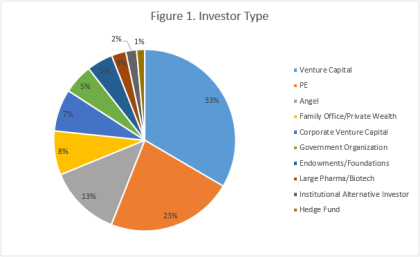
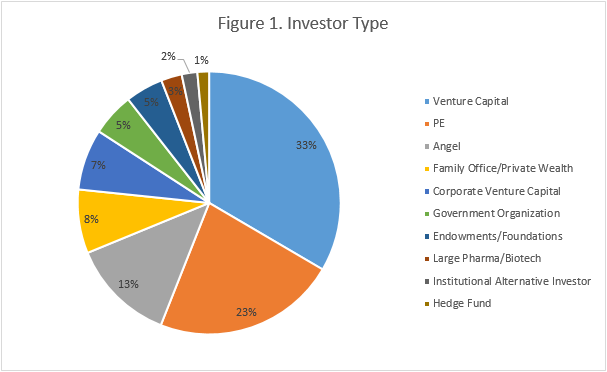
At LSN, we have spoken to over 900 investors in the last year about their specific interests and investment criteria in the life science space. Figure 1 shows the percentage of investors by type who have expressed interest in diagnostic products or services.

f1

Figure 1 | LSN Investor Platform | Data as of December 7, 2015

It’s not surprising that a large proportion of the government organizations and foundations we’ve spoken with are backing diagnostics companies, given their ability to take on more risk and invest at early stages, and the fact that they don’t require the returns typical of venture firms. However, as these technologies continue to mature and gain traction in the clinic/marketplace, traditional venture capital investors are becoming more active. On the federal level, President Obama’s Precision Medicine Initiative should also help bolster the diagnostics sector.

Foundations often pursue novel diagnostic technologies with the goal of diagnosing diseases earlier, and therefore making treatments more effective. If you are seeking capital from a foundation, recently we highlighted some best practices for pitching and working to receive an investment from these types of organizations.

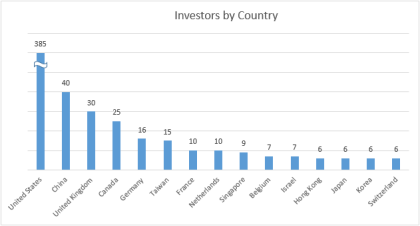
Taking a view of where these investors interested in diagnostics are looking to deploy capital, Figure 2 shows a mix of regionally-focused investors as well as investors with a global focus, with North America significantly out in front in terms of investor regional focus.

f2

Figure 2 | LSN Investor Platform | Data as of December 7, 2015

There’s a lot of excitement surrounding the potential of diagnostics to improve outcomes and access to care, reduce the cost of care, and help spearhead personalized medicine, among other things. However, some investors voice concerns about reimbursement rates for diagnostics. We’ve heard from multiple investors that it is extremely important to engage payers very early and start the conversation, not waiting until you have the perfect amount of data. Many investors have said they are not interested in “me-better” tests that merely aim to replace an existing product, but rather something with a new business model that unlocks value within the healthcare system to deliver a huge upside, as this helps counter the reimbursement risk. Tests that have clinical utility and are going to change the treatment paradigm are typically more appealing to investors. A strong management team is always heavily favored when investing in early stage companies, but given these challenges, investors tend to place a premium on the quality of teams developing diagnostics.

The LSN team will continue to track diagnostic companies, deals in the space, and the investors that fund these companies, bringing you updates along the way.

  1. http://www.medgadget.com/2015/11/global-point-of-care-poc-diagnostics-market-in-need-of-accurate-and-cost-effective-solutions-2.html
  2. http://www.fda.gov/MedicalDevices/ProductsandMedicalProcedures/InVitroDiagnostics/ucm407296.htm
  3. http://www.genengnews.com/insight-and-intelligence/point-of-care-diagnostics-an-expanding-field-driven-by-technology-development/77900558/
  4. https://www.youtube.com/results?search_query=diagnostics+investor+panels+resi+4
  5. https://www.youtube.com/watch?v=C7ygVJENdBQ

Redefining Early Stage Investments (RESI) Conference: Orphan & Rare Disease Investors Panel

10 Dec

By Christine A. Wu, Research Analyst, LSN

chrsitine

The orphan and rare disease space has gained significant traction among life science investors. Despite the smaller market populations and limited clinical trial participants in rare diseases, technology in this space has remained attractive to investors due to its expedited FDA process and its lack of current treatment options for such uncommon conditions. Overall, while there are many challenges, there remains a lot of hope to drastically impact patient populations, scientific advancement, and market potential.

RESI San Francisco will bring together well-established investors in the rare and orphan disease space on January 12th. Moderated by Mark Day, Executive Director and Head of External Research & Scouting of Alexion Pharmaceuticals, panelists will include:

Panelists will discuss the attractiveness of orphan and rare disease technologies in comparison to non-orphan opportunities; what the rare disease spaces offers to investors; the best way to position an orphan opportunity to a potential investor; the evaluation process in assessing products in the space; as well as common trends, challenges, and excitement in the scientific advancement of the field.

To all the hopefuls in the orphan and rare disease space, this panel is for you. Register for RESI San Francisco now to hear this panel live – partnering has already begun and this event will be LSN’s biggest RESI yet.

RESI-San-Francisco-2016

4 Tips on How to Get the Most Out of Partnering

3 Dec

By Alejandro Zamorano, VP of Business Development, LSN

Alejandro 10*10

The life science partnering conference circuit provides entrepreneurs with many venues to book meetings with potential strategic partners and investors, and ultimately to build relationships that will lead to allocations. When it comes to raising funds for your emerging life science company, partnering conferences are an important aspect of a campaign. Below are 4 key lessons on how to use a partnering system effectively:

Register Early

Several advantages are derived from registering early for partnering events. Conferences typically open their partnering systems several weeks prior to the event, so by registering early you ensure that you will have access to partnering and can send meeting requests early. Due to this flurry of early activity, some investors will fill up their schedules well in advance. Registering early can also boost your chances with investors who plan their schedules closer to the event; most partnering systems order messages from first received to last, so sending a message out early will put you on top of the heap.

Leverage Partnering for Meetings Outside of the Event

A partnering portal is more than just a messaging system. A partnering system tells you which investors will be present and may provide you with detailed profiles of those investors. Knowing who’s attending and having a direct means of contact matter even more with events during JPM, as there are so many investors in attendance and they will likely have a long list of events to attend. If an investor’s partnering schedule is already full, ask if they can meet outside the event: perhaps in the evening, or the next day. You would be surprised how many people give up once investors have said their event schedule is full, instead of looking for an alternative option.

Put in the Time

Many entrepreneurs wait until the last minute to send partnering invitations and tend to spam investors with a generic message about their company that has no specific draw for the investor to which it’s addressed. They are doing themselves a huge disservice as they fail to provide a specific, compelling reason why investors should meet with them. You should spend time on qualifying and personalizing all your partnering messages. The results are well worth the effort as you’ll get more meetings, and those meetings will have a stronger basis and therefore be more productive. Remember, investors and strategic partners are there to meet companies like yours, so don’t be afraid to reach out, but do keep your outreach targeted. One well-crafted message to an investor who’s a strong fit beats ten vague messages to poor fits any day.

Contact Using Multiple Avenues

One of the most effective ways to get meetings is to email your targets outside of the partnering system and ask if they would like to meet at the event. This allows you to send your pitch deck as an attachment, and to make messages more personal. This second touch point increases your response rates, as it will reach investors who haven’t yet logged into the partnering system. The final step is a follow-up phone call to introduce yourself and ask if the investor would be interested in meeting.

For RESI, LSN’s goal is to create a dynamic partnering platform with customizable profiles and search features so that biotech/medtech companies can be matched with the investors that are a fit for their technology. This initial good fit provides a basis for dialogue and a starting point for a long-term relationship.

With partnering going live on Monday, the best time to register for the event is now, before investors begin to fill up their meeting slots. To see a demonstration of just how effective the partnering system can be at finding a match, please check out this video.

Heighten Your Visibility at the Redefining Early Stage Investments Conference (RESI)

3 Dec

By Dr. William Kohlbrenner, CSO, LSN

bill-1010-2wp

JPM turns San Francisco into an industry hub every January, and it’s strategically vital to make your company shine during the biggest and busiest yearly event attended by investors and life science entrepreneurs.  While there are many conferences and receptions taking place, there are relatively few opportunities for promoting your company’s brand among qualified life science investors.

That’s why we designed the RESI Innovation Challenge to provide a better showcase for life science companies. By providing space in the RESI Exhibit Hall for successful applicants to place poster displays, the RESI Innovation Challenge puts your brand out there throughout the full-day event, keeping you on view for the hundreds of investors who will be attending RESI throughout the day. More importantly, your message will provide a talking point that can springboard conversations about your technology, your market opportunity, and your company’s progress. Even if you’re out doing a full tour of meetings, your message will still be getting out there in the RESI Exhibit Hall. If you place in the top 3 participating companies, LSN will also showcase you online in Next Phase.

With the RESI Innovation Challenge deadline coming up on December 9th, LSN would like to encourage you to put your company in the spotlight. We’ve seen some very impressive applications thus far, and we hope to receive many more by the deadline next week. We’re excited to get this look into emerging technologies, and LSN’s scientific review board will assess every application to select the 30 best entrants to be part of the RESI Innovation Challenge.

As always, we welcome a broad variety of life science startups to apply; past RESI winners have come from all over the map, including companies developing products in biotech, healthcare IT, diagnostics, and personalized medicine. With the deadline a week away, we’re looking forward to receiving your application.

RESI-SF-2016-RESI-Innovation-Challenge

RESI Panel Announcement: Diagnostic Investors

3 Dec

By Nicholas Civitarese, Research Analyst, LSN

nick-wp

The amount of capital being invested in medical technology and diagnostics is at its highest point since 2008. However, companies in the diagnostics space face some unique challenges in the fundraising landscape.

To inform your fundraising campaign’s direction, Life Science Nation is pleased to announce a panel of six investors with expertise in the diagnostics space for RESI San Francisco on January 12th. Moderated by Akhil Saklecha, Partner at Artiman Ventures, the panel will feature:

This panel will provide fundraising entrepreneurs with an inside peak into the strategy of these diagnostic investors – including best practices for building relationships with diagnostic investors as well as advice on making sure your diagnostic company is positioned as a strong investment opportunity.

If you’re interested in listening to this panel live at RESI, you can register for RESI San Francisco now. RESI provides a great opportunity to expand your network in the life sciences and to get a better understanding of fundraising process, and January 12th will be our largest gathering yet.

RESI-San-Francisco-2016

LSN Wishes You A Happy Thanksgiving And A Fruitful Fundraising Campaign

25 Nov

By Dennis Ford, Founder & CEO, LSN 

dennis-websit

This Thanksgiving, we’d like to say thank you for all our Next Phase readers, LSN platform subscribers, RESI attendees and all our friends in the life science investment and entrepreneurship communities. We’re grateful for your support, and we hope to support your success in turn during the year to come.

As is LSN’s Thanksgiving tradition, we’re serving up the 10 most recent life science investment mandates gathered by LSN Research. These mandates show the breadth of coverage that LSN has among life science investors, with investors including international PE firms, expert regional VCs, disease-focused nonprofits, cross-border funds, and family offices. If one of these investors is a fit for your opportunity, we’d love to hear from you.

Click on the mandates below to see what’s cooking in the rest of the world

  1. Cross-Border VC Seeks PMA & 510k Medical Devices
  2. Family Office Medtech Fund Interested in Dental, Aesthetics and Mobile Tech
  3. VC Invests in Technology Platforms in Medtech & Lab Equipment
  4. Southwest VC Invests in Diagnostics, HCIT, Devices & Enabling Technologies
  5. VC Invests in Medtech & HCIT Hospital Solutions in NoCal
  6. Foundation Invests in Cancer Cures Worldwide
  7. Asia VC Invests in Pharmaceuticals & Medtech in the USA
  8. PE Firm Seeks Healthcare Opportunities in India
  9. VC Invests in HCIT, Medical Devices and Diagnostics in Europe
  10. Merchant Bank Seeks Strategic Medtech Opportunities for China Expansion