Tag Archives: cooking

Innovator’s Pitch Challenge Spotlight: Sania Therapeutics and a Controllable Approach to Gene Therapy 

27 Jan

Interview with Paula Cerqueira, VP of Scientific Strategy

Sania Therapeutics is developing a next-generation gene therapy platform focused on treating neurological symptoms driven by dysfunctional neural circuits. At RESI London, the company was recognized as a Third-Place winner in the Innovator’s Pitch Challenge and received the highest score from the judging panel, underscoring strong investor interest in its controllable and circuit-specific approach to gene therapy. In this interview, Sania Therapeutics shares its therapeutic focus, differentiated platform, and how participation in RESI has helped shape ongoing conversations with investors and strategic partners. 

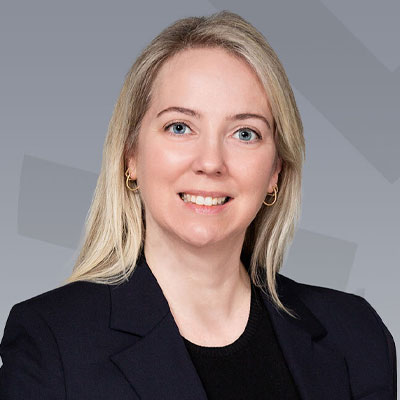
Paula Cerqueira
CaitiCaitlin Dolegowski

Caitlin Dolegowski (CD): For those just discovering Sania Therapeutics, how do you describe your company and therapeutic focus?
Paula Cerqueira (PC): Sania Therapeutics is developing a new class of controllable gene therapies designed to treat neurological symptoms driven by dysfunctional neural circuits. Our platform combines localized, low-dose AAV delivery that selectively targets specific neuronal subpopulations with patient-controlled activation, allowing us to precisely modulate hyperactive neurons, improving symptoms without adversely and permanently altering normal neural function. 

Our initial therapeutic target is a motor circuit disorder: spasticity. Our broader goal is to expand into additional motor and sensory indications where current treatment options are limited, invasive, or poorly tolerated. 

CD: What unmet medical need are you addressing, and what differentiates your approach?
PC: Millions of people live with debilitating neurological symptoms such as spasticity and pain disorders, yet existing treatments are often temporary, blunt, or invasive. Oral drugs frequently cause systemic side effects, while interventions like Botox or implanted devices require repeated procedures and provide limited relief. Despite the scale of this unmet need, there has been little meaningful innovation in this area for more than a decade. 

Sania’s approach is differentiated in two key ways. First, our proprietary platform enables selective targeting of the neural circuits that drive disease using localized, low-dose AAV delivery. This approach is intended to support a safer, more sustainable, and more scalable path for gene therapy than traditional systemic delivery. 

Second, our therapy is controllable. Patients can adjust the therapeutic effect using an oral activator, allowing symptom modulation over time. This puts patients in control while enabling precise and flexible therapeutic regulation. 

Our mission at Sania is to bring gene therapy into everyday clinical use by meaningfully improving the lives of people living with neurological conditions. While this is an ambitious goal, for patients who struggle daily with basic activities such as holding a child, we believe this approach has the potential to be truly transformative. 

CD: What was your experience participating in the Innovator’s Pitch Challenge at RESI London?
PC: Participating in the Innovator’s Pitch Challenge at RESI London was an extremely valuable experience. The format encouraged clarity and discipline in how we communicated both our science and long-term vision, and the audience questions reflected a high level of engagement from investors and industry leaders. 

Being recognized as a Third Place (First Place among judges in our session) winner among a strong and diverse group of companies was particularly meaningful, and it reinforced that there is a strong interest in approaches that rethink how gene therapy can be applied beyond ultra-rare indications. 

CD: How has the RESI platform influenced conversations with investors or strategic partners?
PC: RESI offered a valuable opportunity to present our work to a broad set of investors and strategic partners and to test our messaging with a highly informed audience. While many groups are understandably focused on later-stage opportunities, the platform helped us refine our positioning and identify areas of alignment for future conversations as the company progresses. 

Following the Innovator’s Pitch Challenge, we also initiated early, informal conversations that we expect to build on as the company continues to mature. 

CD: Where does Sania Therapeutics currently stand in terms of fundraising or partnerships?
PC: Sania Therapeutics is currently focused on advancing its lead spasticity program and platform toward key preclinical and IND-enabling milestones, while continuing to expand the broader platform supporting multiple motor and sensory indications. 

In parallel, we are building relationships with investors and strategic partners aligned with our long-term vision. As the platform matures and data advances, we expect to raise funding to support clinical entry of our lead program and the continued development of additional programs enabled by the platform, and we welcome conversations with groups interested in engaging early. 

CD: What upcoming milestones are most important for the company?
PC: Our near-term focus is on advancing our lead spasticity program across regulatory and manufacturing activities and initiating IND-enabling studies in 2026. Reaching that point will significantly de-risk the program and position us well as we move this innovative approach toward the clinic. 

In parallel, we are making meaningful progress on platform development to support expansion into additional motor and sensory indications. A key goal for the team this year is to validate our first sensory capsid in vivo, leveraging the same delivery and control principles demonstrated in our lead program. 

Applications are now open for the Innovator’s Pitch Challenge at RESI Europe. Life science and health tech companies seeking targeted feedback from a dedicated group of coordinated investors are encouraged to apply to participate in interactive pitching, partnering, and one-to-one meetings at RESI Europe. 

Apply to Pitch at RESI Europe 2026

Myonerv: RESI London Innovator’s Pitch Challenge Winner Advancing Stroke Rehabilitation

21 Jan

Interview with Sam Kamali, CEO of Myonerv

Myonerv is developing a new approach to stroke rehabilitation that aims to expand access to intensive, effective therapy beyond the clinic. Following their recent win at the Innovator’s Pitch Challenge at RESI London, the team is advancing a wearable neurotechnology designed to help patients regain upper-limb movement through intention-driven stimulation and remote clinical support. We spoke with Myonerv to learn more about the problem they are addressing, their technology, and what comes next as they move toward clinical trials and global partnerships. 

Sam Kamali
CaitiCaitlin Dolegowski

Caitlin Dolegowski (CD): For readers who may be new to Myonerv, how do you describe the company’s mission and core technology?

Sam Kamali (SK): Myonerv is a breakthrough British neurotechnology solution designed to transform stroke rehabilitation through an active, remote-operated wearable medical device that restores movement in patients with post-stroke upper-limb paralysis (paresis). A wearable, non-invasive neurostimulator that helps retrain movement after stroke by detecting a patient’s intention to move and delivering targeted electrical stimulation to augment that movement. This “closed-loop” approach is supported by scientific evidence showing that synchronising stimulation with a person’s voluntary effort can enhance neuroplasticity – the brain’s ability to rewire and relearn lost movements.

Unlike traditional electrical stimulators, Myonerv uses flexible bioelectronic materials to create soft, reusable electrodes that conform comfortably to the arm. The system is designed to be lightweight, easy to apply, and suitable for both clinical and home environments. It will also allow therapists to monitor progress and support patients remotely, helping expand rehabilitation capacity without increasing staff burden.

CD: What problem are you addressing, and why is now the right time for your approach?

SK: Partial paralysis after a Stroke affects 70% of all survivors, approximately 900,000 new patients annually in the UK, DACH and USA. Despite clear evidence that intensive, early, and consistent rehabilitation improves outcomes, most patients in the UK receive only 45 minutes of therapy per day in hospital and as little as 1 hour per week after discharge – far below nationally recommended 3 hours per day. We believe the resulting “plateau” in stroke recovery is not biological, but due to the lack of therapy access and intensity.

Myonerv directly addresses this challenge by developing a first-in-class wearable, closed-loop neurostimulator that enables continuous, intention-driven rehabilitation both in-clinic and at home. It combines bioelectronic sensing, software-assisted control loops, reusable polymer electrodes and remote therapist connectivity (capabilities not currently available in NHS or international markets). The innovation advances beyond the state of the art in its miniaturisation, accuracy, sustainability, and ability to extend clinical rehabilitation into the community setting.

CD: What stood out most to you about competing in—and winning—the Innovator’s Pitch Challenge at RESI London?

SK: “It’s so refreshing to hear such a good pitch, after such a long time”. These were the words that stuck with us from our judge, Soyoung Park, General Partner at 1004 Ventures.

This echoed the depth of excitement from investors throughout the event. The judges and audience deeply understood both the clinical problem and the commercial challenge of scaling medical technologies within healthcare systems. People were enthusiastic about the prospect of a remote-controlled rehabilitation device that can exponentially increase the amount of therapy received by patients. Winning wasn’t just validation of the technology - it was validation of the need and our ability to change the state of healthcare worldwide.

CD: How has the exposure from RESI London impacted conversations with investors or strategic partners so far?

SK: RESI London has materially accelerated conversations. Since the event, we’ve seen increased inbound interest from international investors and strategic partners across Europe and the US, particularly those focused on neurotechnology, digital health, and rehabilitation.

The win has acted as a strong credibility signal – shortening diligence cycles and shifting discussions toward clinical milestones, regulatory strategy, and partnership structures rather than basic validation. It has also opened doors to potential manufacturing and healthcare delivery partners who see Myonerv as an international platform, not just a single product.

CD: Where is Myonerv currently in terms of fundraising or partnership strategy?

SK: We have officially opened a £2 million pre-seed priced round. Our strategy is to combine the £215k in non-dilutive funding with targeted private investment to de-risk the technology before scaling. What is promising is that we are receiving non-dilutive funding faster than we can announce it, with a recent admission into the Founders Factory x Innovate UK (Hospital to Home) Biomedical Catalyst Accelerator, which enables a£100k grant for us to perform our first in-patient trials.

This touches on our recent partnership arrangements, as we are working closely with several patient networks and the Cambridgeshire & Peterborough Foundation Trust (CPFT), an NHS Trust overseeing hospital networks across the East of England. CPFT has agreed to sponsor our clinical trials, which fast-tracks the process for trial approvals, recruitment and secure documentation of data. CPFT has shown great enthusiasm in being our first pilot sites for Myonerv. This is only a small part of our partnership arrangements, as we have several more with other hospitals across the UK who have given us Letters of Interest to give Myonerv to 1,200 patients per year once the device is available in the market.

We are now looking to build on the network we have built in Cambridge thanks to the £120k grant won from ARIA as part of Cambridge NeuroWorks, tasked with developing a first-in-class scalable neural interface for the world. Our next step is to visit RESI JPM in San Francisco on January 12th 2026 to create more partnerships with the US network as we look to expand our reach globally.

CD: What milestones are you most focused on over the next 12–18 months?

SK: Our primary focus is delivering on the tech. We are currently finalizing our functional prototype with the Manufacturing Technology Centre, a major UK-based factory, to test on participants with approvals from the University of Cambridge. Our shiny new prototype will be ready in time for an exciting Myonerv demo at RESI Europe in Lisbon, on 23rd March 2026!

We are then looking to build on this to develop a TRL6/7 alpha device and completing a feasibility clinical study in stroke survivors. In parallel, we are advancing our regulatory pathway, quality management systems, and health-economic evidence to support adoption by healthcare providers. Having secured regulatory and commercial partners who will help navigate our pathway through into international markets.

We are simultaneously focused on strengthening manufacturing readiness, expanding our clinical and patient engagement network, and closing our pre-seed round. Together, these milestones position Myonerv for scale - clinically, commercially, and globally.

Apply to Pitch at RESI Europe 2026

TrilliumBiO at RESI JPM: Advancing Biomarker Discovery into Patient-Ready Diagnostics 

6 Jan

Interview with Laura Vivian, CEO of TrilliumBio

Laura Vivian
CaitiCaitlin Dolegowski

Caitlin Dolegowski (CD): Could you introduce TrilliumBiO and share your core focus areas in life sciences? 

Laura Vivian (LV): TrilliumBiO is a biomarker discovery company specializing in the development and commercialization of novel diagnostic tests to translate scientific discoveries into real-world clinical impact.  

The company has launched over 100 assays, collaborates with partners domestically and internationally, and processes over 500,000 samples annually through a multi-accredited, CLIA-certified laboratory. We work with industry innovators in biotech and pharma, as well as academic medical centers, foundations, and patient advocacy groups. Headquartered in Maryland, just outside Washington, D.C., we operate within the nation’s third-largest biopharma hub. Our multidisciplinary leadership team brings decades of experience delivering value to patients and partners.

Our core focus is expanding access to critical areas of testing that align with emerging therapeutics and scaling diagnostic solutions that support the development and adoption of new treatments.

CD: What types of early-stage companies or technologies are you most interested in meeting at RESI?                                                                                                     

LV: First, we are excited to be able to sponsor RESI JPM 2026 and be part of this great community. Thank you for having us. 

We believe we are ideally positioned at the intersection of the life sciences ecosystem to create enormous value for our partners. We’re especially interested in engaging with companies advancing novel therapeutics and diagnostics, investors seeking biomarker and clinical diagnostic expertise for their portfolio companies, and organizations with technologies to in-license or co-develop. Our team brings speed, efficiency, and deep expertise in biomarker strategy and development to help accelerate that journey. 

CD: What are some of the key scientific or commercial challenges your team is focusing on solving in the coming year? 

LV: At TrilliumBiO, we see ourselves as partners from discovery through delivery, working alongside our clients across R&D, regulatory milestones, and clinical use. That partnership means solving critical barriers that often slow diagnostic development, limit patient access, and delay therapeutic approvals.

We’re not only able to bring new assays to market; we also scale testing volume and accelerate the commercialization of existing assays. Our regulatory expertise and audit readiness gives partners confidence that FDA submissions will succeed, ensuring progress isn’t stalled by compliance hurdles.

Education is foundational to our work, strengthening disease awareness among both patients and providers. With the support of more than 15,000 in our physician network, we make sure that every test result is clinically meaningful and actionable.

CD: Is there anything you’d like the RESI community to know about TrilliumBiO’s mission or upcoming milestones? 

LV: We recently announced a strategic partnership with Oncobit, an international leader in precision oncology, to bring advanced monitoring solutions for uveal melanoma, including molecular residual disease (MRD) testing, to the U.S. We’re also preparing awareness initiatives around rare diseases like lymphangioleiomyomatosis (LAM), supported by our VEGF-D assay, and blood-based biomarkers that enable earlier detection of Alzheimer’s disease. Our mission is to advance diagnostics that make a meaningful difference in patient care.

The RESI community should stay tuned, as we’ll be sharing more about these milestones and others soon.

CD: Are there any recent accomplishments that you want us to highlight? (Awards, Grants, FDA Approvals, Social Corporate Responsibility programs, etc.) 

LV: We were honored to be named a finalist for the Emerging Life Sciences Company of the Year at the 2025 ICON Awards presented by the Maryland Tech Council, recognizing innovation and impact in the state of Maryland’s life sciences sector. Building on that momentum, we secured FDA approval for a rare disease direct to consumer test within just six months, a milestone that reflects our ability to rapidly translate discovery into patient-ready diagnostics. Alongside these achievements, we continue to strengthen partnerships with patient advocacy groups, ensuring that our breakthroughs are paired with meaningful support for the communities we serve.

From RESI Boston to Global Growth: Bilix on Winning the Innovator’s Pitch Challenge

15 Oct
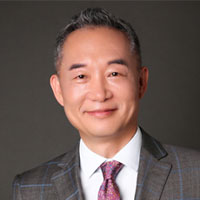
Myung Kim
  CaitiCaitlin Dolegowski

Bilix, recognized as a top Innovator’s Pitch Challenge winner at RESI Boston this past September, is making waves in the biotech space with its innovative multi-modality approach to inflammatory and autoimmune diseases. In this interview, Myung Kim, Founder and CEO, shares how participating in RESI Boston helped the company connect with key investors, refine its strategy, and advance its clinical milestones.

Hear firsthand how Bilix is driving progress in complex disease treatment and discover how your company can join the next generation of innovators pitching at RESI London and RESI JPM. Applications are now open.

Apply to Pitch at RESI London Apply to Pitch at RESI JPM

Finalist in the RESI Boston Innovator’s Pitch Challenge – Meet M6P Therapeutics

30 Sep

In this interview, Caitlin Dolegowski speaks with Cuong Do, Founder and Chairman of M6P Therapeutics, about the company’s groundbreaking lysosomal targeting platform, its applications in rare disease and oncology, and the experience of pitching at RESI Boston.

Cuong Do
CaitiCaitlin Dolegowski

Caitlin Dolegowski (CD): M6P Therapeutics has achieved what was long thought impossible, delivering proteins to lysosomes. Can you explain the significance of this breakthrough?

Cuong Do (DO): An enzyme called GlcNac-1-phosphotransferase (PTase) is responsible for adding mannose 6-phosphate to the surface of lysosomal enzymes. People have tried and failed for decades to increase the expression of M6P, and everybody gave up. Our co-founder Stuart Kornfeld never gave up. He and his post-doc were able to engineer a variant of PTase that turned out to be 20X more effective than PTase itself in adding M6P to lysosomal enzymes. We built upon this breakthrough to create a platform that is able to create enzyme replacement therapies that have very high M6P content. Furthermore, our gene therapies are the only ones that result in M6P-containing enzymes being produced by the transduced cells.

We expanded upon the innovation and created chimeric antibodies that contain M6P as well. This allows these antibodies (after they bind to the targeted antigens) to be brought to lysosomes in virtually all cells in our bodies for degradation. This is a significant advantage over traditional antibodies relying on Fc clearance by only select immune cells.

CD: You have multiple rare pediatric drug designations and two programs nearing the clinic. What are the most exciting upcoming milestones for your pipeline?

DO: We are preparing to start an Investigator Initiated Trial in Australia for our M021 ERT for Pompe Disease in hopes of obtaining early human data demonstrating M021’s superiority over the standard of care.

CD: How does your lysosomal targeting platform extend beyond rare diseases, particularly in oncology with your chimeric PD-L1 and PD-1 antibodies?

DO: We figured out a way to add M6P to any protein, including antibodies. Our chimeric antibodies can be cleared by virtually all cells in the body since virtually all cells have receptors for M6P. This is especially effective for clearing surface antigens from cell surfaces. Our chimeric PD-L1 antibody is able to clear virtually all PD-L1 from the surface of tumor cells and thus activate T-cells and drive T-cell mediated tumor killing. Our chimeric version of Keytruda is able to remove PD-1 from the surface of T-cells and has shown to be more effective in inhibiting tumor growth in vivo than Keytruda itself.

CD: Can you walk us through your IP position and how it supports your growth strategy?

DO: We have invested heavily in IP that has created a portfolio of 9 patent families, 9 issued patents, and ~20 still in prosecution.

CD: Where are you in your fundraising journey, and what types of investors or partners are you looking to engage with?

DO: We have raised ~$40 million in our Seed and A rounds, which we invested to get our programs to where they are today. We are trying to raise a $5 million bridge now in anticipation of a $50+ million Series B next year. In addition to investors, we want to engage with potential partners who might be interested in our molecules.

CD: How did participating in the Innovator’s Pitch Challenge at RESI Boston help advance your business development or investor connections?

DO: We met a few companies who might be interested in partnering on some of our molecules. We’re continuing the conversations.


IPC Applications are now open for the next Innovator’s Pitch Challenge at RESI London 2025 and RESI JPM 2026, with spots filled on a rolling basis.

Partnering for Growth: DLA Piper on Supporting Life Science Innovation at RESI Boston 

9 Sep

At RESI Boston, global law firm DLA Piper plays a key role in guiding early-stage innovators through the legal and commercial challenges of scaling in the life sciences. In this interview, Lauren Murdza, Co-Chair of Technology & Life Sciences Licensing & Commercial Transactions, shares why DLA Piper chose to sponsor RESI, what the firm looks for in collaborations, and the trends shaping licensing and commercial transactions today.

Lauren Murdza
CaitiCaitlin Dolegowski

Caitlin Dolegowski (CD): What motivated DLA Piper to sponsor RESI Boston, and why do you see value in supporting this conference?

Lauren Murdza (LM): DLA Piper is committed to supporting innovation in the life sciences sector, and RESI Boston offers a unique opportunity to engage directly with early-stage companies and investors. Sponsoring RESI aligns with our mission to be a strategic partner to emerging life science ventures, helping them navigate legal complexities while fostering meaningful connections that drive growth.

CD: From your perspective, what makes RESI a strong platform for connecting with early-stage life science innovators and investors?

LM: RESI creates a unique environment where entrepreneurs, investors, and advisors come together to solve real challenges. For DLA Piper, it’s an opportunity to listen and engage in conversations that matter—how to protect IP, manage data rights, and structure collaborations that attract capital. Those discussions allow us to show how DLA Piper’s integrated approach—combining legal, regulatory, and commercial insight—helps companies accelerate their next milestone.

CD: Can you share what types of companies, technologies, or partners DLA Piper is most interested in engaging with during RESI?

LM: We’re particularly interested in companies developing novel therapeutics, diagnostics, digital health platforms, and medical devices. Our team seeks to engage with founders and executives who are navigating the transition from concept to commercialization and who value strategic legal guidance in areas such as licensing, IP protection, and regulatory compliance.

CD: How does your team at DLA Piper support life science and healthcare companies as they move from early-stage development to commercialization?

LM: DLA Piper supports clients across the full lifecycle of a company—from corporate formation and IP strategy to licensing, financing, and M&A. We help clients identify the core aspects of their technology, assess patentability, and streamline initial filings to create contingent assets that support fundraising. What sets DLA Piper apart is our ability to deliver this seamlessly across jurisdictions, giving clients the confidence that their legal strategy scales with their business.

CD: Are there particular trends or challenges in licensing and commercial transactions that you think entrepreneurs at RESI should be especially mindful of?

LM: We’re seeing three big themes. First, clarity on data and AI rights is critical—investors want to know who owns what and how data can be used, especially across borders. Second, deal structures are evolving, with more options-to-license, milestone-based terms, and royalty monetization to help bridge funding gaps. Finally, regulatory and supply chain issues—from FDA expectations to manufacturing scale-up—are showing up earlier in negotiations. At DLA Piper, we help clients anticipate these challenges so they don’t slow down growth.

CD: What does DLA Piper hope to accomplish through its participation at RESI Boston this year?

LM: We aim to deepen our engagement with the life sciences community, share actionable insights through workshops and panels, and identify promising companies that could benefit from our legal and strategic expertise. RESI Boston is a chance to listen, learn, and contribute to the ecosystem that’s shaping the future of healthcare innovation.

CD: Looking ahead, what excites you most about the current life science innovation landscape, and how does DLA Piper plan to play a role in advancing it?

LM: We’re excited by the convergence of AI, data science, and biotechnology, which is accelerating discovery and personalization in medicine. DLA Piper plans to continue supporting innovators by offering forward-thinking legal solutions and fostering connections that help companies bring transformative technologies to the market.

Pullan’s Pieces #4 – January – A Corner on Market Sentiments – Seed to Series A

19 Aug

As the saying goes, “What’s in a name?  That which we call a Series A by any other name would smell as sweet.”  Er… something like that, right? Hmmm, maybe it went a little bit differently.

But whatever it be, or not to be😊, the Seed Round is the new Series A. Clearly. I think we’ve all felt it for sometime but the data is in and the good ‘ole Series A just don’t buy what it used to.  Nahhh… the Seed round does that, and it may buy more (equity) than it used to as a Series A (more data hunting and crunching required but one gets a sense that the venture capitalists are, well, capitalizing).

Labiotech does a really nice job collecting and summarizing a variety of topics related to financings and dealmaking in the biotech sector and the 2024 breakdown of funding offers the following approximations (roughly, with some rounding made by this author):

The internal breakdowns for amounts invested look like this:

Readers of this corner will know that we keep a close eye on the XBI

As usual, the outliers can skew the numbers (more on this in a moment) but the median amounts invested into these rounds puh-rihhhty much drive the nail in the coffin of the old thinking about Series dynamics. This data could be charted in another way in which an inverted bell curve would appear and a GAPING hole between $20M and $50M would stare back at you.  Think about that for a moment… if you can’t get to value inflection for ~$15-20M, you better be raising $60-75M and have multiple reasons to do so as a cursory view of the companies listed in the dataset further indicates that the lower outliers (sub-median) on the Series A were generally geared for “finding out” about a single asset in the clinic.

Back to that previously mentioned outlier that can skew the averages… it also happens to bring even more of a spotlight to those famed words from Shakespeare which began this Corner on Market Sentiments.  One of the companies in the 2024 data set raised a whopping $100,000,000 … as a Seed Round!!  Indeed, a rose by any other name…