As Brisbane’s next wave of MedTech companies prepares to take the global stage at J.P. Morgan Healthcare Week in January 2026, the international investment community is paying closer attention to a city rapidly emerging as an Asia Pacific life sciences powerhouse.
Brisbane’s A$201 billion economy is anchored by a A$22 billion health sector, fuelled by strong population growth and a purposeful pipeline of public and private investment.
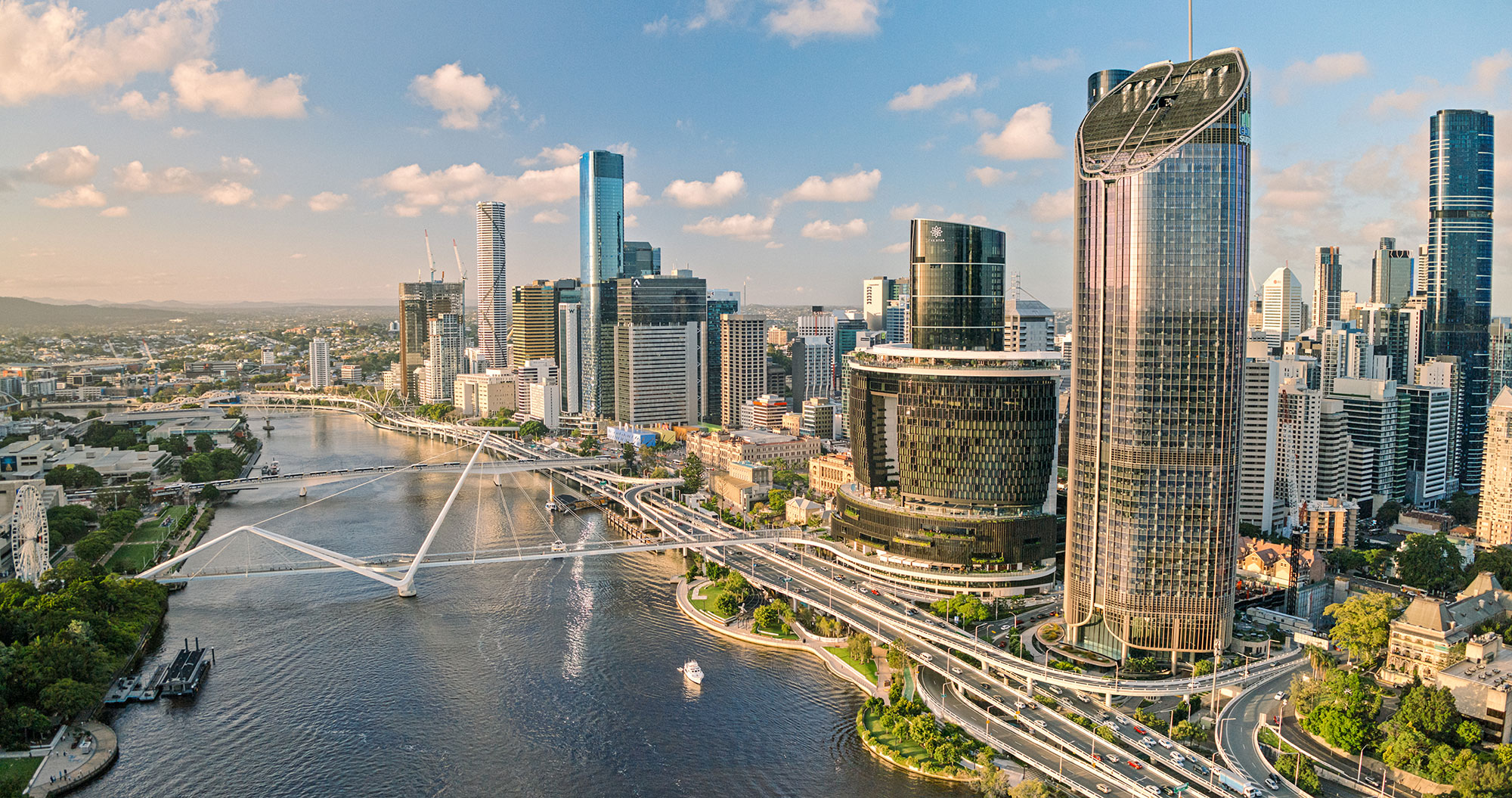
As Australia’s fastest-growing major city, Brisbane is being reshaped by an A$18 billion health infrastructure pipeline, creating the largest interconnected health precinct in the Southern Hemisphere, spanning hospitals, universities and innovation hubs.
This momentum is translating directly into commercial strength. Brisbane’s health industry and export capability are expanding faster than anywhere else in Australia, supported by world-class research institutions such as The University of Queensland.
Turning innovation into investment
At the centre of this growth sits the MedTech Global Accelerator, delivered by Brisbane Economic Development Agency (BEDA) in partnership with Life Science Nation (LSN). The program prepares founders to launch a global funding campaign through commercial readiness and direct international investor engagement.
Since launch, the accelerator has supported more than 30 high-potential companies to raise over A$336 million in capital.
An additional 10 high-growth companies have now been selected for the 2026 cohort. Their technologies range from a blood test for early-stage ovarian cancer and a world-first artificial heart, to cancer-fighting compounds derived from Queensland rainforests, each with potential to transform global healthcare.
Be part of Brisbane’s next global MedTech wave
Collectively, these companies represent Brisbane’s next generation of globally scalable health technologies as they prepare to showcase to international investors in San Francisco in January 2026.
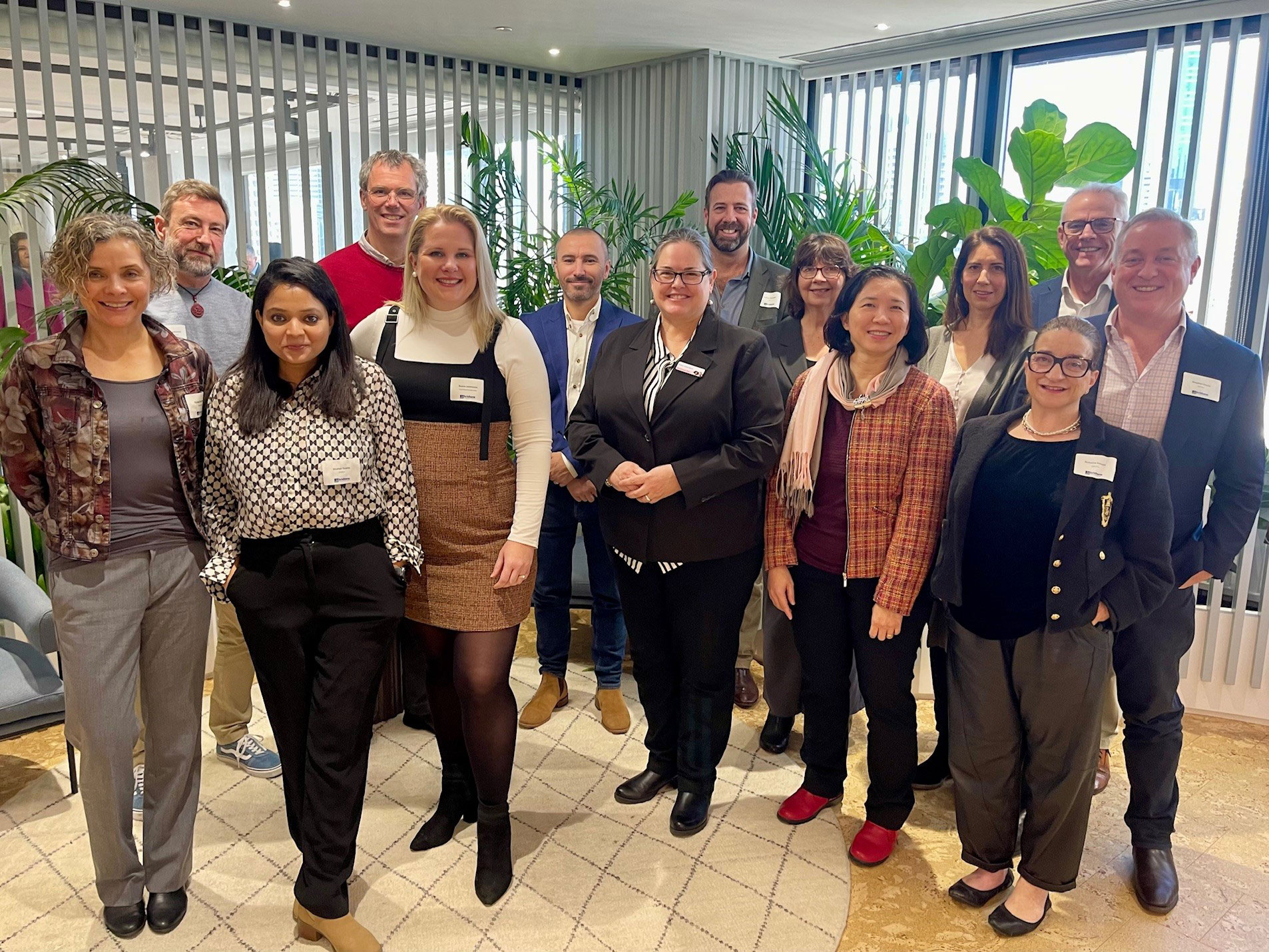
MedTech Global Accelerator Cohort
BEDA offers investors and partners early access to these vetted innovators through its official MedTech Innovation Showcase Compendium.
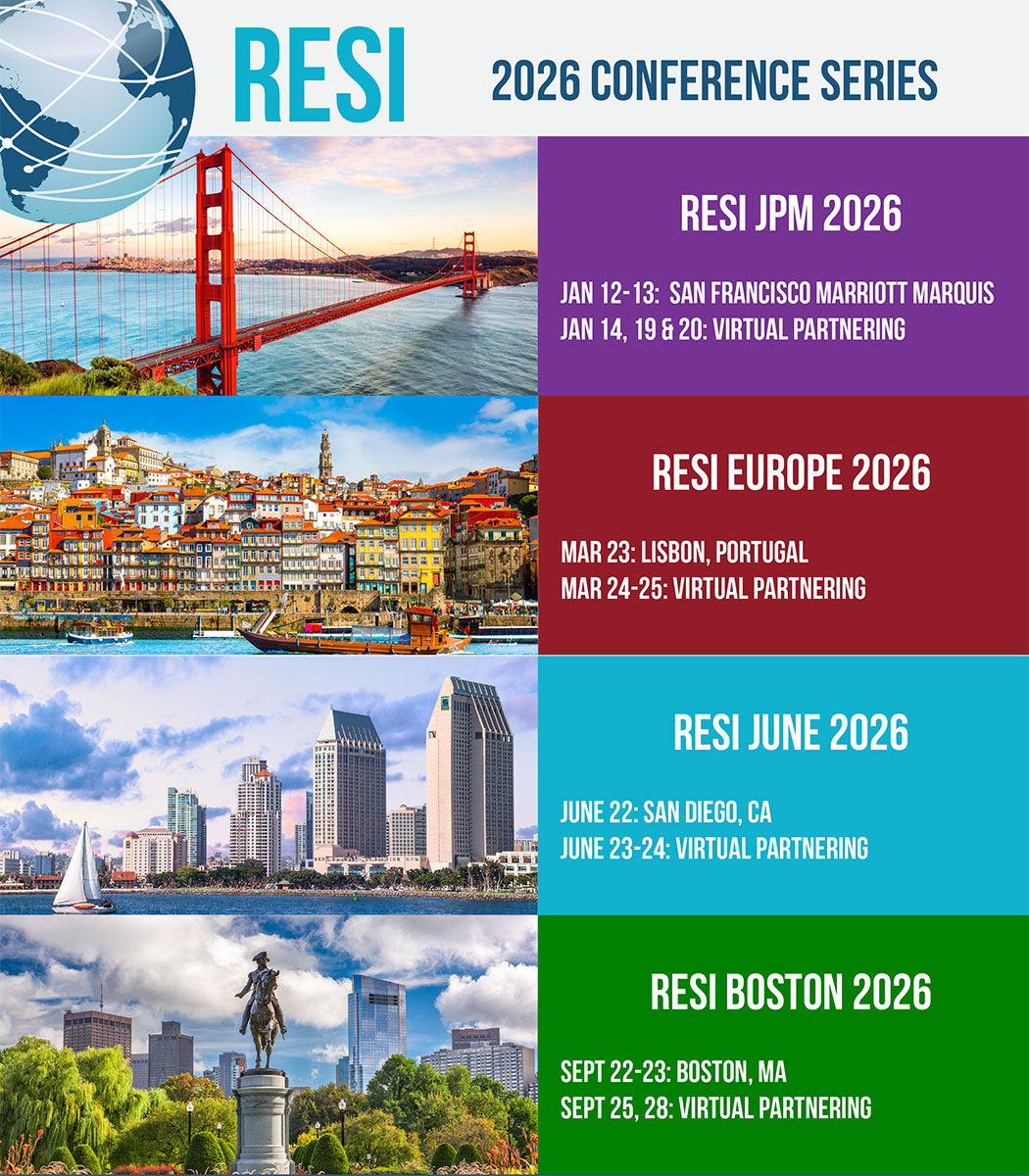
Join the Brisbane, Queensland Investor Innovation Showcase on Monday, 12 January 2026, 9am–12pm, at Marriott Marquis, in collaboration with Trade and Investment Queensland and LSN.
Register for the Investor Innovation Showcase today.
BEDA serves as one of the front doors to Australia’s rapidly expanding clinical trial ecosystem, connecting partners to Queensland’s world-class trial sites, hospitals, universities and research institutions. Through this statewide, highly networked framework, BEDA helps fast track access to clinical research capabilities from Phase I to Phase IV.
Why global investors are watching Brisbane, Australia:
- Clinical trials run up to 3x faster than USA, 2x faster than UK
- Variable payroll tax rates in Australia
- Closest export hub to Asia
- Fastest planning approval on Australia’s east coast
- Host of the 2032 Olympic & Paralympic Games
- Top 40 Innovation City worldwide
- Highest innovation hub density in Australia (140 per capita)
- Direct access to Asia Pacific markets
- Health sector projected to grow 36% by 2032
- Leading clinical trials: 160+ sites, 40 CROs statewide
With world-class research, deep clinical capability and fast-growing commercial opportunities, Brisbane is positioning itself as one of the most compelling gateways to Asia Pacific health innovation, and a city where early investment could deliver significant global reach.
BEDA CEO Anthony Ryan said Brisbane’s MedTech ecosystem has accelerated at remarkable pace.
“Brisbane has grown up fast as a MedTech city,” Mr Ryan said.
“Today, everything connects in one place, from research and hospitals through to manufacturing and global investors. That full pathway is what makes this such a powerful time to be building and investing here.”
He said global attention is now firmly on Brisbane. “We are seeing serious interest from around the world,” he added. “The infrastructure is ready, the talent is here and the companies coming through our accelerator are built to compete globally.”
Infrastructure driving faster translation
Brisbane’s Inner-City Knowledge Corridor serves as the heart of the city’s research and development, linking together institutions involved in research, hospitals, clinical care, manufacturing, and commercial activities.
Combined with Brisbane Airport, this corridor forms a “golden triangle,” connecting research and development to export opportunities and giving businesses access to the vast $90 trillion Asia Pacific market.
Together, these assets enable companies to move from discovery to clinical validation and commercial manufacturing within a single urban corridor – accelerating collaboration, speed to market and global scalability.
Learn more about the city’s key health infrastructure driving Brisbane’s biomedical ecosystem: Health Innovation Infrastructure Showcase





 Next Phase Newsletter