
Tag Archives: AI

Hear From a RESI JPM 2026 Title Sponsor BioMetas

3 Feb

By Simon Hua, Chairman, BioMetas (Special Guest Contributor)

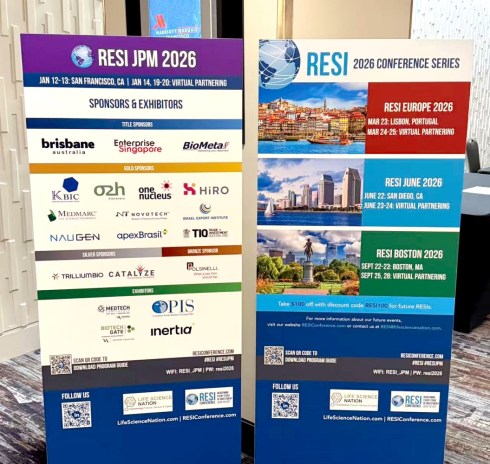
One of the most valuable perspectives we can share with the RESI community comes directly from the organizations that choose to invest in early stage innovation. At RESI JPM 2026, Title Sponsor BioMetas took part across partnering, project discussions, and collaboration with emerging biotech companies and investors, offering a clear view into how sponsors engage within the RESI ecosystem.

As Life Science Nation looks ahead to upcoming RESI conferences in 2026, sponsorship continues to be an opportunity for organizations to connect early with innovative companies, participate in targeted partnering, and build relationships that extend well beyond the conference itself. To learn more about RESI sponsorship opportunities, please contact us at resi@lifesciencenation.com

Below is BioMetas’ reflection on their experience at RESI JPM 2026, originally published on LinkedIn.

BioMetas Attends RESI JPM 2026, Focusing on Early Innovation and Industry Collaboration

RESI JPM 2026 was held in San Francisco on January 12–13, with additional online one-to-one partnering sessions on January 14 and January 19–20. As a key investment and business-matching platform during J.P. Morgan Healthcare Conference (JPM) week, the conference focuses on early- and growth-stage life science projects, bringing together biotech companies, investors, and industry partners from around the world. As a Title Sponsor, BioMetas participated deeply in the overall conference ecosystem. Leveraging its one-stop CRO platform and innovative incubation and investment model, BioMetas engaged in targeted discussions with international biotech companies and investment institutions around the core needs of early-stage innovation projects, including R&D efficiency, capital structure optimization, and industry resource alignment, exploring diversified pathways for R&D collaboration and industry co-development.

The conference centered on highly targeted one-to-one partnering meetings, complemented by investor roundtables, innovation project pitch and selection sessions, and multiple themed workshops. Topics spanned drug development, medical devices, diagnostics, and digital health, forming a multidimensional engagement framework of “project showcase – capital connection – industry collaboration,” enabling innovative projects to build high-quality connections with potential investors and partners within a short timeframe.
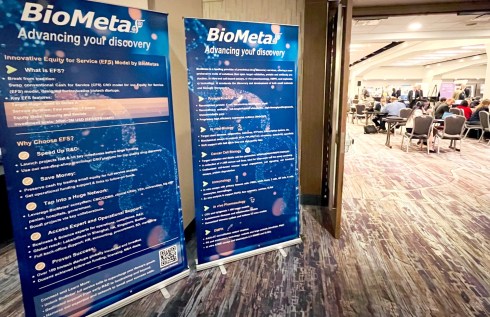
During the conference, BioMetas focused on the practical needs of early-stage projects across critical preclinical stages, including protein and antibody production, in vitro and in vivo efficacy studies, tumor and immunology-related disease model development, and DMPK. BioMetas discussed project advancement strategies in depth with multiple innovative companies. With an integrated technical system covering target validation, molecular and cellular functional studies, animal efficacy testing, and PK/safety evaluation, BioMetas provides scalable, IND-enabling, end-to-end R&D support for innovative projects across different technological approaches.

In parallel, based on its EFS (Equity for Service) collaboration model, BioMetas explored more forward-looking partnership mechanisms with selected projects from seed stage to rapid growth stage. By exchanging part of the services for a small equity stake, combined with necessary cash investment, BioMetas helps early teams initiate R&D quickly while keeping financial pressure manageable, and achieve key milestones that build a stronger technical foundation for subsequent financing, licensing, or M&A. In today’s more rational capital environment, where efficiency and data quality are increasingly emphasized, a collaborative model integrating “services + capital + industry resources” is becoming an important accelerator for early-stage projects.
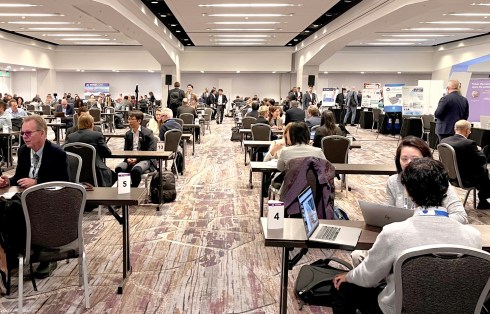
RESI JPM 2026 was not only a stage for showcasing innovation, but also an efficient collaboration platform connecting technology, capital, and industry resources. Through its precise one-to-one partnering mechanism, the conference significantly improved communication efficiency, enabling companies at different stages to access more targeted collaboration opportunities within limited time.

Through this participation, BioMetas further strengthened its dual role in the global innovation ecosystem: on one hand, providing reliable and scalable R&D support to global clients; on the other hand, actively engaging in early value co-creation and pursuing earlier-stage, deeper collaborations with high-quality projects.

Looking ahead, BioMetas will continue to expand collaboration with global biotech companies, investors, and industry partners through international conferences and industry networks, accelerating the translation and industrialization of innovative research outcomes and therapeutic programs, and contributing stronger technical and collaborative support to the global biopharmaceutical innovation ecosystem.

About RESI

Through its RESI partnering events and global collaboration programs, Life Science Nation connects entrepreneurs with global investors and strategic partners, accelerating financing for early-stage life science companies.

About BioMetas
BioMetas is a globally leading one-stop CRO platform for innovative drug R&D, bringing together top domestic CRO resources and an international, highly experienced technical team. With efficient and innovative expertise, rigorous scientific standards, and a comprehensive quality management system, BioMetas provides compliant, high-quality, and customized end-to-end preclinical R&D solutions. Its services cover the full process from drug discovery to IND for both small-molecule drugs and biologics.

Register for RESI Europe

Advancing Women’s Health Diagnostics Through Glycoproteomics: Proseek Bio at the Innovator’s Pitch Challenge 

3 Feb

Interview with Paula Cerqueira, VP of Scientific Strategy

Proseek Bio is advancing a new approach to women’s health diagnostics by translating cutting-edge glycoproteomics into clinically deployable tools. In this interview, Michelle Hill, CEO of Proseek Bio, discusses the company’s focus on ovarian cancer pre-surgical triage, the unmet clinical needs driving its platform, and how participating in the Innovator’s Pitch Challenge at RESI JPM shaped investor conversations as the company prepares for global expansion.

Michelle Hill
CaitiCaitlin Dolegowski

Caitlin Dolegowski (CD): For those unfamiliar with Proseek Bio, how do you describe the company and its core technology or therapeutic focus? 

Michelle Hill (MH): Proseek Bio is an Australian diagnostics company focused on women’s health, developing blood-based tests designed to improve how complex conditions are assessed and managed in clinical practice. Ovarian cancer is our first indication, with an initial focus on pre-surgical triage.

Our platform is built on advanced glycoproteomics, integrating multiple protein biomarkers into a single algorithmic score to support clinical decision-making. Rather than relying on any one marker, this multi-analyte approach reflects the biological complexity of disease and enables more informative risk assessment at critical clinical decision points.

What differentiates Proseek Bio is our strong translational focus. The underlying science has been validated through years of academic and clinical research, and we are now converting that work into regulated, scalable diagnostic products for real-world healthcare systems. By targeting earlier decision points such as triage, we aim to support more appropriate referral and intervention, with a longer-term goal of expanding our platform across additional women’s health indications.

CD: What unmet need are you addressing, and why is now the right time for your approach? 

MH: A key unmet need in women’s health diagnostics is the lack of objective tools that reflect real-time disease biology at early clinical decision points. In ovarian cancer pre-surgical triage, clinicians must assess risk using tests with limited biological resolution, which can lead to unnecessary intervention or delayed specialist referral.

Proseek Bio addresses this gap through glycoproteomics, focusing on the glycans attached to proteins that regulate how those proteins function. While genes indicate what could happen and proteins act as messengers, glycan patterns reveal what disease is actively doing in the body. These modifications change early in cancer and cannot be resolved by genomics or standard immunoassays. By integrating glycan and protein signals into a multi-biomarker signature, our tests aim to deliver more informative risk stratification.

The timing is right because advances in clinical mass spectrometry and data analytics have made this biology clinically scalable, enabling integration into existing laboratory workflows and routine care.

CD: What was your experience participating in the Innovator’s Pitch Challenge at RESI JPM? 

MH: Our first time participating in the Innovator’s Pitch Challenge at RESI JPM was an energising experience. Pitching to a room filled with sophisticated investors and peers reinforced the importance of clear, disciplined storytelling when presenting complex diagnostic technologies.

As part of the Brisbane Economic Development Agency cohort, we were proud to represent Brisbane’s growing life sciences ecosystem. Beyond the pitch, the table showcase led to thoughtful conversations with investors and fellow founders who were genuinely engaged with both the clinical problem and our translational approach.

Overall, the experience was validating and motivating. It confirmed that our focus on clinically deployable diagnostics in women’s health resonates with a global audience, and it was rewarding to see that reflected in the recognition we received.

CD: Out of 94 Innovator’s Pitch Challenge companies, what do you think helped Proseek Bio stand out to judges and attendees? 

MH: Women’s health remains significantly underrepresented in diagnostic innovation, and that focus clearly resonated with judges and attendees. Ovarian cancer, in particular, represents a high-impact unmet need, especially at early clinical decision points such as pre-surgical triage.

Proseek Bio was the only diagnostics company on the podium, reflecting the distinctiveness of our approach. By applying glycoproteomics to analyse glycan and protein signatures together, we deliver a more biologically informative assessment of disease activity while remaining compatible with existing clinical laboratory workflows.

Importantly, we were able to clearly articulate not just the science, but the pathway to a regulated, scalable diagnostic product. That combination of unmet clinical need, novel biology, and disciplined execution helped differentiate Proseek Bio in a very strong field.

CD: How did RESI JPM impact discussions with investors, partners, or potential collaborators? 

MH: Being recognised on the Innovator’s Pitch Challenge podium gave investors immediate confidence in both the opportunity and the discipline behind the company, and it strengthened engagement with potential partners. Overall, RESI JPM acted as a signal amplifier, reinforcing Proseek Bio’s readiness for global investment and collaboration while accelerating meaningful follow-on conversations.

CD: Where does Proseek Bio currently stand in terms of fundraising, partnerships, or development milestones? 

MH: Proseek Bio is currently completing its Seed round to support development of our first product, OC-Triage. This funding is enabling a clinical study, implementation of a quality management system, and ISO accreditation to support pilot manufacturing, alongside evaluation of OC-Triage with Australian clinical laboratory partners.

In parallel, we are preparing for a Series A focused on U.S. market entry. RESI JPM provided an important opportunity to initiate discussions with U.S.-based clinical and laboratory partners, laying the groundwork for future validation and commercial pathways.

Together, these milestones reflect a transition from technology validation to execution as Proseek Bio advances toward regulated, clinically deployable diagnostics in women’s health.

CD: What upcoming achievements or milestones are you most excited to share with the life sciences community? 

MH: Over the coming year, we are focused on completing the OC-Triage product and establishing pilot manufacturing under an ISO-accredited quality system. These milestones represent an important transition from development to regulated production readiness.

In parallel, we are advancing clinical evaluation with laboratory partners, which will be critical in demonstrating real-world performance and scalability. Together, these steps mark a shift from innovation to execution.

What excites us most is seeing years of science translate into something tangible: a product that can be manufactured, validated, and ultimately used to support better clinical decisions for women.

Interested in pitching your company to a highly engaged investor audience focused on early-stage life science innovation? Applications are now open for the Innovator’s Pitch Challenge at RESI Europe. Selected companies receive direct feedback from a dedicated group of investors, access to 1:1 partnering, and visibility with global industry leaders.

Apply to pitch and position your company for meaningful investor conversations.

Apply to Pitch at RESI Europe 2026

Hot Investor Mandate: Newly Established Corporate Venture Initiative Strategically Invests in Life Sciences and AI-Powered Healthcare Technologies

3 Feb

The firm is a newly established corporate venture capital operating platform launched as part of a large global conglomerate’s corporate strategy focused on value creation and long-term growth. The firm represents the parent organization’s first company-wide corporate venture capital initiative and is designed to make flexible investments across a broad range of sectors, particularly those with large future markets and high growth potential where the parent organization can contribute differentiated value through global networks, industry and customer access, and technology and academic partnerships.  

Through the firm, the parent organization aims to accelerate collaboration with startups, identify business opportunities beyond existing core businesses, commercialize emerging technologies, support industrial application, and enable international expansion.  

The firm primarily focuses on early-stage companies, starting at Seed stage, but is able to invest across Seed through later-stage opportunities. The firm invests across a broad set of innovation-driven sectors, including AI, software, bio and healthcare, robotics, aerospace, next-generation computing, and other advanced technology domains. The investment strategy emphasizes areas where the firm can actively support commercialization, industrial deployment, and global scaling by leveraging the parent organization’s extensive industrial ecosystem.  

From a company and management team perspective, the firm partners with startups that are aligned with a broader transformation agenda and are capable of leveraging a global industrial platform to achieve scalable growth and international reach. The firm favors founding teams with deep technical expertise, strong commercialization potential, and the ability to engage effectively with industry, academic, and corporate networks. Investments are typically structured as equity participation, with active strategic support through customer access, supply-chain capabilities, and global operational resources to accelerate growth and value creation. 

If you are interested in more information about this investor and other investors tracked by LSN, please email salescore@lifesciencenation.com

The Reality of European Global Partnering

27 Jan

By Dennis Ford, Founder & CEO, Life Science Nation (LSN)

DF-News-09142022

Every March, early-stage life science teams spend thousands of euros to attend one of Europe’s biggest partnering weeks. They show up expecting investors, deal momentum, and progress. Most leave with something else: lots of vendor and service provider meeting requests, and a shorter cash runway.

For seed, Series A, and early Series B companies, Lisbon is not a winter party celebration. It is a stress test. And the platforms you choose will either compound your progress or quietly drain your capital.

The Cost Reality No One Likes to Say Out Loud

Standard passes and bundled “week in Lisbon” packages routinely run from 3,000 to 5,000 euros per person, before flights and hotels. For late-stage companies, that may be acceptable. For early-stage teams living on grants, founder savings, or a small seed round, it is a major bet.

By contrast, RESI Europe is typically priced in the 1,500-2,500 euro range because it is built specifically for founders, innovators, and regional cohorts raising seed, Series A, and early Series B funding. The goal is not to sell access at any cost. It is to make high-quality global partnering economically accessible at a stage when every euro still must justify itself.

Here is the problem. Many founders pay the higher prices and then discover that a large share of their so-called “investor” meetings are with service providers selling you something. The badge may say partner or advisor, but the economics are reversed. The startup becomes the customer, not the one being backed.

That outcome is not accidental. It is how large conference ecosystems monetize scale.

Lisbon Does Not Create Strategy. It Exposes It.

Big conference weeks amplify whatever strategy you bring. If you arrive without preparation and focus, you get more noise, more meetings you did not need, and a bigger bill. If you arrive with discipline, targeted investors, and a follow-up system, Lisbon can work.

The problem is that most mega-events are optimized for volume, not readiness. More people. More meetings. More urgency. That model works for late-stage transactions. It fails early-stage teams.

Early-stage companies need fewer things done well:

  • Investors and licensing partners who write first checks
  • Fewer vendor-driven meetings
  • A way to turn first conversations into real follow-up and progress

Proof That a Different Model Works

At JPM Week in January, RESI was designed explicitly around early-stage investing. Roughly 800 companies actively seeking capital and licensing deals participated alongside more than 800 qualified investors and licensing partners from around the world.

Participation was not open-ended. Investor categories were defined. Registrations per firm were capped to protect the signal in the room. The result was not fewer meetings. It was better, more compelling meetings.

That same discipline is what matters in Lisbon.

Why the LSN Partnering Backbone Beats Scale

LSN, owner of the RESI conference series, also owns a premier database of capital investors and licensing partners in the life sciences and offers programs for de-risking early-stage assets and for preparing and executing global roadshows, as well as services like BD Assist, which actually sets up the meetings for you. RESI has five global partnering events annually.

A partnering backbone asks different questions. Are you spending time with partners who fit your stage and product? Have you reduced scientific, regulatory, and execution risk before asking for capital? Do you have a system to re-engage after the week ends? When the answer is yes, Lisbon stops being a gamble.

The Real Fight

The real battle for Lisbon is not about who has the biggest crowd or the loudest brand. It is about who is actually built for early-stage innovation and who is pricing and designing their platform around scale.

For founders, investors, and regions focused on seed, Series A, and early Series B, the smart move is to start the week with early-stage as the priority, not the afterthought, and with “investor” meaning capital and licensing partner, not a sales pitch. Plug Lisbon into a backbone that keeps working after the noise fades. That is how early-stage teams win Lisbon. And that is where the fight really is.

If You’re Coming to Lisbon

RESI Europe will take place in Lisbon with an in-person conference followed by virtual partnering, giving early-stage teams both face-to-face and online access to global investors and licensing partners at founder-level pricing. If you want your Lisbon week to start in a room built for early-stage innovation, not a room selling to you, RESI is where that week should begin.

Register for RESI Europe

Investor Panels at RESI Europe 2026 

27 Jan

By Claire Jeong, Chief Conference Officer, Vice President of Investor Research, Asia BD, LSN

Life Science Nation (LSN) is pleased to introduce the investor panel lineup for RESI Europe, bringing together venture capital firms, family offices, corporate investors, and strategic partners actively funding and partnering across the global life science ecosystem. Designed to reflect how capital is being deployed today, these panels examine what investors are prioritizing, how partnership decisions are made, and what founders need to demonstrate to stand out in an increasingly selective market.

From pharma partnering and preclinical investing to digital health, medtech, and cross-border capital flows, the RESI Europe investor program offers a practical look at how decisions are being made across stages and sectors. Each session pairs candid investor perspectives with real-world expectations founders must meet to advance conversations beyond the first meeting.

Monday, March 23 – Investor Panels

9:00 – 9:50 AM | Pharma Partnering: Getting on Pharma’s Radar
As large pharmaceutical companies increasingly rely on external innovation, early-stage partnerships are becoming a core driver of pipeline growth. This session explores how pharma evaluates emerging science, which data packages resonate with business development teams, and how founders can structure partnership discussions that align with long-term strategic priorities.

10:00 – 10:50 AM | Funding New Science: How VCs Evaluate Preclinical Programs
With capital efficiency under intense scrutiny, therapeutic investors are rethinking how they assess risk and differentiation at the preclinical stage. Panelists will share how they evaluate programs ahead of clinical data, the milestones that matter most, and what founders must show to compete in today’s Series A environment.

11:00 – 11:50 AM | Family Offices: The Rise of the Venture Builder
Family offices have evolved into active healthcare investors, launching dedicated funds and building internal operating expertise. This discussion examines how these groups source deals, lead early-stage rounds, and make investment decisions differently from traditional institutional venture firms.

1:00 – 1:50 PM | Building Investable Medtech: Devices, Diagnostics, and De-risking
Investors in medtech are focused on solutions that combine technical innovation with clear clinical and regulatory pathways. This panel breaks down current investor interest across devices and diagnostics, highlighting the milestones that signal scalability and commercial readiness.

2:00 – 2:50 PM | Digital Health: Moving from Hype to Sustainable Value
As the digital health sector matures, investors are prioritizing solutions with measurable clinical and economic outcomes. Panelists will discuss where capital is being deployed, including AI-driven diagnostics and data platforms, and how companies can demonstrate long-term viability in real-world settings.

3:00 – 3:50 PM | Capital Without Borders: The European Life Science Landscape
Europe’s research ecosystem continues to produce world-class innovation, while investment dynamics increasingly span borders. This session explores how European life science companies can attract international capital, navigate regional differences, and compete on a global stage.

4:00 – 4:50 PM | Backing the First Believers: Deciding to Write the First Check
Pre-seed and formation-stage investors often commit capital before significant data exists, backing teams, vision, and early signals of execution. This panel examines how first-check investors assess founders, build conviction, and help shape companies into institutional-grade opportunities.

These investor panels are designed to foster meaningful dialogue between capital providers and innovators, creating informed conversations that continue beyond the stage and into partnering meetings.

Join the RESI Speaker Lineup
Are you an investor or strategic partner with valuable insights to share with early-stage life science companies? We are looking for dynamic speakers to join our RESI panels. 
Click here to submit your Speaker Interest Form today!

Registration for RESI Europe is now open.
Register with Super Early Bird rates and save €300. Super Early Bird pricing expires Friday, January 30.

Register for RESI Europe

Innovator’s Pitch Challenge Spotlight: Sania Therapeutics and a Controllable Approach to Gene Therapy 

27 Jan

Interview with Paula Cerqueira, VP of Scientific Strategy

Sania Therapeutics is developing a next-generation gene therapy platform focused on treating neurological symptoms driven by dysfunctional neural circuits. At RESI London, the company was recognized as a Third-Place winner in the Innovator’s Pitch Challenge and received the highest score from the judging panel, underscoring strong investor interest in its controllable and circuit-specific approach to gene therapy. In this interview, Sania Therapeutics shares its therapeutic focus, differentiated platform, and how participation in RESI has helped shape ongoing conversations with investors and strategic partners. 

Paula Cerqueira
CaitiCaitlin Dolegowski

Caitlin Dolegowski (CD): For those just discovering Sania Therapeutics, how do you describe your company and therapeutic focus?
Paula Cerqueira (PC): Sania Therapeutics is developing a new class of controllable gene therapies designed to treat neurological symptoms driven by dysfunctional neural circuits. Our platform combines localized, low-dose AAV delivery that selectively targets specific neuronal subpopulations with patient-controlled activation, allowing us to precisely modulate hyperactive neurons, improving symptoms without adversely and permanently altering normal neural function. 

Our initial therapeutic target is a motor circuit disorder: spasticity. Our broader goal is to expand into additional motor and sensory indications where current treatment options are limited, invasive, or poorly tolerated. 

CD: What unmet medical need are you addressing, and what differentiates your approach?
PC: Millions of people live with debilitating neurological symptoms such as spasticity and pain disorders, yet existing treatments are often temporary, blunt, or invasive. Oral drugs frequently cause systemic side effects, while interventions like Botox or implanted devices require repeated procedures and provide limited relief. Despite the scale of this unmet need, there has been little meaningful innovation in this area for more than a decade. 

Sania’s approach is differentiated in two key ways. First, our proprietary platform enables selective targeting of the neural circuits that drive disease using localized, low-dose AAV delivery. This approach is intended to support a safer, more sustainable, and more scalable path for gene therapy than traditional systemic delivery. 

Second, our therapy is controllable. Patients can adjust the therapeutic effect using an oral activator, allowing symptom modulation over time. This puts patients in control while enabling precise and flexible therapeutic regulation. 

Our mission at Sania is to bring gene therapy into everyday clinical use by meaningfully improving the lives of people living with neurological conditions. While this is an ambitious goal, for patients who struggle daily with basic activities such as holding a child, we believe this approach has the potential to be truly transformative. 

CD: What was your experience participating in the Innovator’s Pitch Challenge at RESI London?
PC: Participating in the Innovator’s Pitch Challenge at RESI London was an extremely valuable experience. The format encouraged clarity and discipline in how we communicated both our science and long-term vision, and the audience questions reflected a high level of engagement from investors and industry leaders. 

Being recognized as a Third Place (First Place among judges in our session) winner among a strong and diverse group of companies was particularly meaningful, and it reinforced that there is a strong interest in approaches that rethink how gene therapy can be applied beyond ultra-rare indications. 

CD: How has the RESI platform influenced conversations with investors or strategic partners?
PC: RESI offered a valuable opportunity to present our work to a broad set of investors and strategic partners and to test our messaging with a highly informed audience. While many groups are understandably focused on later-stage opportunities, the platform helped us refine our positioning and identify areas of alignment for future conversations as the company progresses. 

Following the Innovator’s Pitch Challenge, we also initiated early, informal conversations that we expect to build on as the company continues to mature. 

CD: Where does Sania Therapeutics currently stand in terms of fundraising or partnerships?
PC: Sania Therapeutics is currently focused on advancing its lead spasticity program and platform toward key preclinical and IND-enabling milestones, while continuing to expand the broader platform supporting multiple motor and sensory indications. 

In parallel, we are building relationships with investors and strategic partners aligned with our long-term vision. As the platform matures and data advances, we expect to raise funding to support clinical entry of our lead program and the continued development of additional programs enabled by the platform, and we welcome conversations with groups interested in engaging early. 

CD: What upcoming milestones are most important for the company?
PC: Our near-term focus is on advancing our lead spasticity program across regulatory and manufacturing activities and initiating IND-enabling studies in 2026. Reaching that point will significantly de-risk the program and position us well as we move this innovative approach toward the clinic. 

In parallel, we are making meaningful progress on platform development to support expansion into additional motor and sensory indications. A key goal for the team this year is to validate our first sensory capsid in vivo, leveraging the same delivery and control principles demonstrated in our lead program. 

Applications are now open for the Innovator’s Pitch Challenge at RESI Europe. Life science and health tech companies seeking targeted feedback from a dedicated group of coordinated investors are encouraged to apply to participate in interactive pitching, partnering, and one-to-one meetings at RESI Europe. 

Apply to Pitch at RESI Europe 2026

The Needle Issue #22

27 Jan
Juan-Carlos-Lopez
Juan Carlos Lopez
Andy-Marshall
Andy Marshall

As is customary at the turn of the year, we have taken the opportunity to take a look back at financing deals we covered since issue#1, which went live in April last year. Together, these data offer a snapshot of how capital flowed into early-stage, preclinical therapeutic startups in 2025 — and where it did not.

Before diving into the numbers, it is worth qualifying that this analysis captures only publicly disclosed financing rounds, rather than the full universe of early-stage biotech funding. An increasing fraction of preclinical companies now operate in stealth, in part because of fast-moving competition from regions such as China. As a result, the figures presented here likely undercount the true level of early-stage activity.

From the start of our coverage in Q2 2025 through the end of December, we reported 195 preclinical financing rounds. Because Haystack Science focuses on discovery-stage and pre-IND companies, this number excludes financings for assets already in clinical development. Even so, the dataset provides a useful lens on early-stage investor behavior.

Independent industry analyses paint a consistent picture. Multiple sources indicate that 2025 was a year in which venture capital shifted toward later-stage, clinical-stage deals, which were fewer in number but larger in size. This trend was reinforced by ‘Q4 2025 Biopharma Licensing and Venture Report’, presented at the JP Morgan conference. According to JP Morgan, 2025 saw just 191 seed and Series A financings, the lowest total since 2020.

According to the Haystack Science data sample, no venture fund made a series A investment in more than three companies last year (these series A financings ranged from $8–300 million, with a median of $42.5 million). As the deals that Haystack tracks are only the publicly disclosed subset, we expect our sample is skewed to companies that raised larger sums. In the deals we tracked, the most bloated series A ($300 million) went to Cambridge, Mass.-based Lila Sciences, a generative ML model powered startup building “autonomous, closed-loop experimentation using generative ML models to generate drug mechanism hypotheses, test them robotically in the lab with minimal human intervention, and iteratively learn from results.” Lila was backed by megafund Flagship Pioneering and General Catalyst.

21 funds invested in more than one series A round. These were: Arch Ventures, Atlas Venture, Lightstone Ventures, 3E Bioventures, Access Industries/Biotechnology, BGF, BVF Partners, Canaan Partners, Cormorant Asset Management, Dementia Discovery Fund, Eight Roads, Johnson & Johnson Innovation – JJDC, Khosla, Omega Funds, Orbimed, Polaris Partners, Samsara, Santé Ventures, Sofinnova Partners, The Column Group, and Versant Ventures. No fund invested in more than 3 series A investments in last year’s sample.

Further back in the pipeline, we tracked 60 deals. These seed financings—which ranged from $1.1–54.5 million with a median of $10.45 million—were mostly for smaller amounts ($1–$30 million), with a few much larger financing amounts. Overall, 85 different funds, family offices, angels and individuals participated in funding preclinical therapeutic startups in 2025. Of these 85 sources of financing, only 7 financed more than one company. The takeaway from this is that most (>90%) of companies at the seed stage receive funds from a completely unique set of investors.

The 7 financing entities involved in more than one seed deal were: AdBio Partners, Kurma Partners, NRW Bank, Ackermans & van Haaren (AvH), Bioinnovation Institute (BII), ClavystBio and ExSight Ventures. It is noteworthy that two of these funds are based in Paris, France: AdBio Partners and Kurma Partners. AdBio specializes in early-stage investments across Europe with a ~€86 million ($102 million) fund raised in 2021 focusing on oncology, immunology, and rare diseases. Kurma is part of the Eurazeo group, managing >€600 million in assets across several funds focused on early-stage therapeutics and diagnostics.

NRW.BANK, based in North Rhine-Westphalia, Germany, invests in innovative biotech companies focusing on tech-driven healthcare, bio-digital integration, and novel platforms for data/discovery, aligning with broader innovation goals. They appear to be an important source for the small scattering of financing (13) deals in German-speaking countries. NRW works closely with AvH, an Antwerp, Belgium-based diversified holding company and investment firm, with AvH Growth Capital a proactive investor in early-stage companies like DISCO Pharmaceuticals and Evla Bio.

Another very interesting seed funder is BII in Copenhagen Denmark. The institute provides in-kind grants of up to €3 million for bridging translational studies in European academic institutions. For those projects that progress to a company build, a combination of convertible loans of €500K (Venture Lab) and then €1.3 million (Venture House) are made available to complete seed funding. As of January 2026, BII has supported over 130 early-stage life science and deep tech companies, with many attracting significant external funding. This month, there was news that Novo Nordisk has just plowed another $856 million of funding into BII.

Overall, in terms of the location of where most investment is occurring, our analysis reveals the capacity to host startups is expanding across the globe, with at least 19 countries hosting one preclinical startup that received funding in 2025. These countries were: USA, UK, France, Switzerland, China, The Netherlands, Canada, Denmark, Germany, Belgium, Japan, Spain, Israel, Australia, Ireland, Norway, Portugal, South Korea and Singapore. Perhaps the prominence of France as a location for preclinical therapeutic startups was most surprising from our sample. Interestingly, a lot of ex-US startups now also have a US (usually Cambridge, Mass.-based) headquarters. Digging deeper, 85 different cities around the world host a startup that obtained financing (pre-seed to series B) in 2025, with 20 cities hosting two or more. As expected, the Boston cluster led with 28 preclinical therapeutic startups, the Bay area hosted 19, and the UK’s Golden Triangle had 13. Of the following pack, some interesting standout cities were Paris, France (with 5 in our sample) and New York City (with 7), the latter long in the shadow of its Boston neighbor.

In terms of the disease areas attracting early-stage investor money, cancer dominates, comprising the focus for 34.4% of the funding raises. This is slightly lower than the biopharma sector as a whole, where cancer comprises up to 45% of pipelines. Following cancer, neurodegenerative disease, autoimmune disease and inflammatory disease all figured prominently. The uptick in deals for companies tackling CNS disorders has been a rolling theme recently, given the burden of neurodegenerative disease and dementia on public health systems and the paucity of disease-modifying treatments. With the continuing stampede around GLP-1s/incretins, there was also a healthy number of metabolic/ endocrine disease startups financed.

One last area we looked at was the type of therapeutic being financed by investment groups. Here again, the pharmaceutical industry’s traditional workhorse, the small molecule, remained pre-eminent in 2025, comprising 24% of financing deals in pre-seed, seed, series A and series B financings that were in the preclinical stage. Established modalities like monoclonal antibodies (mAbs) were a common focus. And there was a resurgence of interest in recombinant proteins and peptides (likely boosted by the focus on incretins and the metabolic disease and obesity space). Of new modalities, antibody-drug conjugates, bispecific and multispecific antibodies, antisense oligonucleotides (ASOs), small-interfering RNAs (siRNAs) and chimeric antigen receptor (CAR) immune cell (T cell and NK cells) also were to the fore, each making up around 6% of all the early-stage deals we tracked. A type of therapeutic gathering increasing attention is clearly the induced-proximity therapeutic sector (including the different flavors of PROTACs, DUBTACs and molecular glues). Finally, although a great deal has been mentioned about investor apathy for gene editing and gene therapy, these also captured 3-4% of the deals.