Tag Archives: beauty

The Needle Issue #23

10 Feb
Juan-Carlos-Lopez
Juan Carlos Lopez
Andy-Marshall
Andy Marshall

In our past issue, we took a look at all the financing deals that The Needle has covered since our inaugural issue. This week we turn our attention to last year’s deal making in the preclinical biotech space.

In 2025, preclinical dealmaking didn’t just slow — it polarized. Capital clustered around AI-enabled discovery, China-sourced assets, and in vivo CAR-T cell therapies, while entire therapeutic categories effectively disappeared from licensing activity. Based on the 131 publicly disclosed preclinical transactions in our sample, we reveal where early-stage risk capital is still flowing — and where it has quietly retreated.

Similar to the data we reported in our past newsletter, our analysis captures only publicly disclosed deals (partnerships, research collaborations, licenses, joint ventures, reverse mergers, equity investments and options) on business wires, industry news sites, and venture-fund sources. In the preclinical space, many deals are carried out in stealth, and companies in some important regions (like China) don’t use business wires or news sources traditionally available in the West. For these reasons, our estimates underestimate the true level of early-stage preclinical dealmaking.

In total, we tracked 131 preclinical deals over the year, of which 42 were licensing deals, 64 were strategic partnerships/collaborations and 14 were mergers and acquisitions (M&As). In keeping with early stage’s exploratory nature, the importance of stealth, and the non-compensatory nature of much of the work done, over half of the publicly announced strategic partnerships (35 deals; 55%) had no terms disclosed. As one would expect, a smaller proportion of the licensing deals failed to provide terms, but even for this category, 8 of the 48 transactions (17%) didn’t give financial details. Four of the 14 M&As that we tracked also made no mention of deal terms.

US-headquartered companies continue to dominate the dealmaking landscape, whether it is research collaborations, licensing or trade sales. One reason for the dominance of companies in the US — and the UK, which is second in deal activity — is likely simple math; a greater number of companies are financed and built in these countries compared with the rest of the globe (see The Needle Issue #22).

Strategic partnerships in 2025 favored platforms over products — and Western biotechs over Asian peers.

The 64 strategic partnerships we tracked had upfront payments that ranged from $5 million to $110 million, but the median ($35.5 million) underscores how concentrated value remains in a handful of outlier platform deals.

US companies accounted for 37 of the 64 deals (58%). Three notable partnering big-ticket deals involved biotechs splashing out large sums on preclinical collaborations, with the payers showing interest in branching out into new therapeutic modalities: last May, CRISPR Therapeutics (San Diego, CA) pivoted from gene editing to siRNA, paying $95 million to Sirius Therapeutics (Shanghai, China) to co-develop a long-acting siRNA designed to selectively inhibit Factor XI for thrombosis; in December, Regeneron Pharmaceuticals (Tarrytown, NY) spent $150 million (and made an equity investment) to jointly develop Tessera Therapeutics’ (Somerville, MA) target-primed reverse transcription therapy (TSRA-196), which uses lipid nanoparticles (LNPs) to deliver RNAs encoding an engineered reverse transcriptase (‘gene writer’), writer-recognition motifs, and a SERPINA1 template to correct a mutation in alpha 1 antitrypsin deficiency; and later the same month, peptide developer Zealand Pharma (Søborg, Denmark) announced a transaction with OTR Therapeutics (Shanghai, China), paying $20 million upfront for small-molecule programs centered around validated targets of Zealand’s franchise in cardio-metabolic disease.

For obvious reasons, target discovery and drug screening comprise about a third of collaborations and partnership agreements, but do not figure much in licensing and M&A. Mentions of machine learning in partnering deals (18.2% of 2025’s deals, with several in the top 10 grossing set) suggest large-language and other models are an increasingly established facet of preclinical development. Neurodegenerative disorders garnered the second largest number of partnering transactions in our 2025 sample. And, with all the noise around GLP-1s and other incretins, metabolic disease and obesity were the focus of 11% of deals.

Perhaps the most counterintuitive finding in the partnership data is the near-total absence of China-headquartered companies — despite their dominance in preclinical licensing. This may reflect geopolitical friction, IP risk tolerance or a Western preference for control in collaborations. Alternatively, the absence may reflect the limitations of Haystack’s methodology for collecting data. Certainly, the partnership data contrasts starkly with our licensing data, which show Chinese assets performing so well that they are biting at the heels of US companies and running far ahead of UK companies. In contrast, for strategic partnerships, it was UK-, and South Korea-based firms that were most prominent behind the US (15%, and 7% of dealmaking, respectively).

For licensing, the shift to Asia seen in later parts of the biotech pipeline is also manifest in the preclinical space.

Chinese companies were involved in nearly a quarter of all the licensing deals made last year, clinching 11 out of the 48 deals we tracked. This interest in early-stage Chinese assets mirrors last year’s banner deals for later-stage assets, such as Pfizer’s ex-China rights acquisition of 3SBio’s (Shenyang, China) PD-1 x VEGF bispecific antibody for $1.25 billion, or GSK’s $1.10 billion acquisition of Jiangsu Hengrui’s (Lianyungang, China) phosphodiesterase 3/4 inhibitor and oncology portfolio. Overall, deals seeking access to assets from Asian biotechs (companies based in China, South Korea, Singapore and Taiwan) comprised 33% of all preclinical licensing transactions in our sample.

Looking at the preclinical licensing as a whole, upfront amounts ranged from $0.7 million to $700 million, with a median value of $35 million. Most deals centered around cancer, followed by autoimmune, neurodegenerative and metabolic diseases.

What was perhaps most surprising is that we didn’t see any licenses for preclinical assets in the cardiovascular space, suggesting that the interest of a few years ago has somewhat diminished (although assets for heart disease still made up 4% of partnering agreements). Notably absent from preclinical licensing in 2025: cardiovascular, pulmonary, skeletomuscular, hepatic, pain, psychiatry, women’s health, sleep, hearing, and stroke. This pattern perhaps reinforces the industry’s retrenchment toward genetically anchored, biologically de-risked indications. Together, these licensing gaps underscore a 10-year low in early-stage risk appetite outside traditional blockbuster categories.

The top 10 licensing deals from last year are listed in the Table below. Of this elite tier of top-grossing deals, cancer and autoimmune comprised the lion’s share (70%), with neurodegenerative, neurodevelopmental, metabolic, and ophthalmic disease all represented. Only two of the top 10 deals involved traditional small molecules (with one additional license for a molecular glue), whereas biologics accounted for seven. While small molecules still comprise the biggest chunk of licensing activity (18.9%), deals trended toward bispecific and multispecific antibodies for cancer immunology and autoimmune indications — and biopharma was prepared to pay: Of the 8 licensing transactions for multispecifics in our sample, IGI Therapeutics’ (New York, NY) deal with Abbvie, and CDR Life’s (Zurich, Switzerland) agreement with Boehringer Ingelheim, ended among the top 10 grossing deals of the year.

Which leads us to mergers. Overall, we tracked 14 M&A deals last year in the preclinical space. According to Dealforma data presented at JP Morgan, private biopharma accounted for just over 55% of merger activity in 2025 on par with previous years. In the Haystack data, 12 of the 14 acquisitions for preclinical programs were for US-based private companies, reinforcing the historical trend of American biotechs outperforming those in the rest of the world in terms of negotiating successful exits for their investors.

The biggest story in early-stage mergers from last year, though, was biopharma’s ravenous appetite for in vivo CAR-T cell therapy, with CapstanOrbital and Interius comprising 3 of the 14 acquisitions recorded by Haystack, all of which ranked among the top 5 highest upfront payments. As our sampling commenced in April 2025, we missed another deal: AstraZeneca’s acquisition of lentiviral in vivo CAR-T therapy developer Esobiotec, originally announced in March 2025 with an upfront of $425 million. All in all, in vivo CAR-T therapies claimed 4 of the top 5 acquisitions last year.

The use of lipid nanoparticles (LNPs) in many of these in vivo CAR-T platforms (Orbital, Aera TherapeuticsStylus MedicineMagicRNAOrna TherapeuticsByterna Therapeutics and Strand Therapeutics) and elsewhere (TesseraStarna TherapeuticsNanovation TherapeuticsUnited ImmunityGenevant SciencesPantherna TherapeuticseTheRNA Immunotherapies, and Beam Therapeutics) also underlies a continuing theme of investment and dealmaking around drug delivery platforms.

Apart from LNPs, several drug delivery deals also centered around antibody shuttles that can take biologics and siRNAs across the blood–brain barrier into the CNS. These included Manifold Bio/RocheVect-Horus/SecarnaOphidion/NeuronasalJCR/Acumen and Denali/Royalty Pharma. This year will see more of these shuttles enter clinical testing, with Alector’s transferrin shuttle AL137, a subcutaneous anti-amyloid beta antibody, slated for an IND submission.

In sum, the preclinical dealscape in 2025 reveals an industry willing to fund innovation — but only when paired with platform leverage, delivery, or late-stage optionality. As Haystack tracks dealmaking through 2026, the key question will not be whether capital returns to early-stage biotech, but whether it broadens beyond today’s narrow set of ‘acceptable’ risks. We look forward to tracking deals throughout 2026 and identifying new emerging trends in biotech deals.


Advancing Women’s Health Diagnostics Through Glycoproteomics: Proseek Bio at the Innovator’s Pitch Challenge 

3 Feb

Interview with Paula Cerqueira, VP of Scientific Strategy

Proseek Bio is advancing a new approach to women’s health diagnostics by translating cutting-edge glycoproteomics into clinically deployable tools. In this interview, Michelle Hill, CEO of Proseek Bio, discusses the company’s focus on ovarian cancer pre-surgical triage, the unmet clinical needs driving its platform, and how participating in the Innovator’s Pitch Challenge at RESI JPM shaped investor conversations as the company prepares for global expansion.

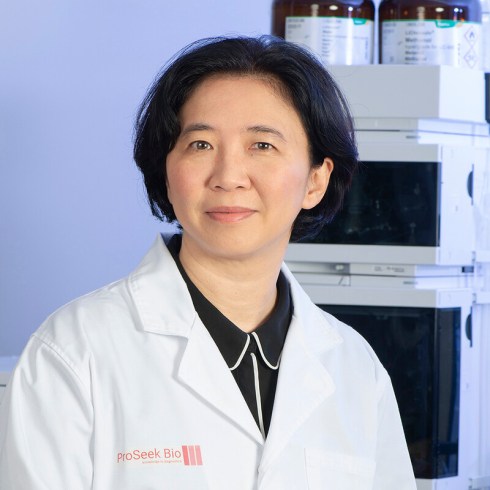
Michelle Hill
CaitiCaitlin Dolegowski

Caitlin Dolegowski (CD): For those unfamiliar with Proseek Bio, how do you describe the company and its core technology or therapeutic focus? 

Michelle Hill (MH): Proseek Bio is an Australian diagnostics company focused on women’s health, developing blood-based tests designed to improve how complex conditions are assessed and managed in clinical practice. Ovarian cancer is our first indication, with an initial focus on pre-surgical triage.

Our platform is built on advanced glycoproteomics, integrating multiple protein biomarkers into a single algorithmic score to support clinical decision-making. Rather than relying on any one marker, this multi-analyte approach reflects the biological complexity of disease and enables more informative risk assessment at critical clinical decision points.

What differentiates Proseek Bio is our strong translational focus. The underlying science has been validated through years of academic and clinical research, and we are now converting that work into regulated, scalable diagnostic products for real-world healthcare systems. By targeting earlier decision points such as triage, we aim to support more appropriate referral and intervention, with a longer-term goal of expanding our platform across additional women’s health indications.

CD: What unmet need are you addressing, and why is now the right time for your approach? 

MH: A key unmet need in women’s health diagnostics is the lack of objective tools that reflect real-time disease biology at early clinical decision points. In ovarian cancer pre-surgical triage, clinicians must assess risk using tests with limited biological resolution, which can lead to unnecessary intervention or delayed specialist referral.

Proseek Bio addresses this gap through glycoproteomics, focusing on the glycans attached to proteins that regulate how those proteins function. While genes indicate what could happen and proteins act as messengers, glycan patterns reveal what disease is actively doing in the body. These modifications change early in cancer and cannot be resolved by genomics or standard immunoassays. By integrating glycan and protein signals into a multi-biomarker signature, our tests aim to deliver more informative risk stratification.

The timing is right because advances in clinical mass spectrometry and data analytics have made this biology clinically scalable, enabling integration into existing laboratory workflows and routine care.

CD: What was your experience participating in the Innovator’s Pitch Challenge at RESI JPM? 

MH: Our first time participating in the Innovator’s Pitch Challenge at RESI JPM was an energising experience. Pitching to a room filled with sophisticated investors and peers reinforced the importance of clear, disciplined storytelling when presenting complex diagnostic technologies.

As part of the Brisbane Economic Development Agency cohort, we were proud to represent Brisbane’s growing life sciences ecosystem. Beyond the pitch, the table showcase led to thoughtful conversations with investors and fellow founders who were genuinely engaged with both the clinical problem and our translational approach.

Overall, the experience was validating and motivating. It confirmed that our focus on clinically deployable diagnostics in women’s health resonates with a global audience, and it was rewarding to see that reflected in the recognition we received.

CD: Out of 94 Innovator’s Pitch Challenge companies, what do you think helped Proseek Bio stand out to judges and attendees? 

MH: Women’s health remains significantly underrepresented in diagnostic innovation, and that focus clearly resonated with judges and attendees. Ovarian cancer, in particular, represents a high-impact unmet need, especially at early clinical decision points such as pre-surgical triage.

Proseek Bio was the only diagnostics company on the podium, reflecting the distinctiveness of our approach. By applying glycoproteomics to analyse glycan and protein signatures together, we deliver a more biologically informative assessment of disease activity while remaining compatible with existing clinical laboratory workflows.

Importantly, we were able to clearly articulate not just the science, but the pathway to a regulated, scalable diagnostic product. That combination of unmet clinical need, novel biology, and disciplined execution helped differentiate Proseek Bio in a very strong field.

CD: How did RESI JPM impact discussions with investors, partners, or potential collaborators? 

MH: Being recognised on the Innovator’s Pitch Challenge podium gave investors immediate confidence in both the opportunity and the discipline behind the company, and it strengthened engagement with potential partners. Overall, RESI JPM acted as a signal amplifier, reinforcing Proseek Bio’s readiness for global investment and collaboration while accelerating meaningful follow-on conversations.

CD: Where does Proseek Bio currently stand in terms of fundraising, partnerships, or development milestones? 

MH: Proseek Bio is currently completing its Seed round to support development of our first product, OC-Triage. This funding is enabling a clinical study, implementation of a quality management system, and ISO accreditation to support pilot manufacturing, alongside evaluation of OC-Triage with Australian clinical laboratory partners.

In parallel, we are preparing for a Series A focused on U.S. market entry. RESI JPM provided an important opportunity to initiate discussions with U.S.-based clinical and laboratory partners, laying the groundwork for future validation and commercial pathways.

Together, these milestones reflect a transition from technology validation to execution as Proseek Bio advances toward regulated, clinically deployable diagnostics in women’s health.

CD: What upcoming achievements or milestones are you most excited to share with the life sciences community? 

MH: Over the coming year, we are focused on completing the OC-Triage product and establishing pilot manufacturing under an ISO-accredited quality system. These milestones represent an important transition from development to regulated production readiness.

In parallel, we are advancing clinical evaluation with laboratory partners, which will be critical in demonstrating real-world performance and scalability. Together, these steps mark a shift from innovation to execution.

What excites us most is seeing years of science translate into something tangible: a product that can be manufactured, validated, and ultimately used to support better clinical decisions for women.

Interested in pitching your company to a highly engaged investor audience focused on early-stage life science innovation? Applications are now open for the Innovator’s Pitch Challenge at RESI Europe. Selected companies receive direct feedback from a dedicated group of investors, access to 1:1 partnering, and visibility with global industry leaders.

Apply to pitch and position your company for meaningful investor conversations.

Apply to Pitch at RESI Europe 2026

Innovator’s Pitch Challenge Spotlight: Sania Therapeutics and a Controllable Approach to Gene Therapy 

27 Jan

Interview with Paula Cerqueira, VP of Scientific Strategy

Sania Therapeutics is developing a next-generation gene therapy platform focused on treating neurological symptoms driven by dysfunctional neural circuits. At RESI London, the company was recognized as a Third-Place winner in the Innovator’s Pitch Challenge and received the highest score from the judging panel, underscoring strong investor interest in its controllable and circuit-specific approach to gene therapy. In this interview, Sania Therapeutics shares its therapeutic focus, differentiated platform, and how participation in RESI has helped shape ongoing conversations with investors and strategic partners. 

Paula Cerqueira
CaitiCaitlin Dolegowski

Caitlin Dolegowski (CD): For those just discovering Sania Therapeutics, how do you describe your company and therapeutic focus?
Paula Cerqueira (PC): Sania Therapeutics is developing a new class of controllable gene therapies designed to treat neurological symptoms driven by dysfunctional neural circuits. Our platform combines localized, low-dose AAV delivery that selectively targets specific neuronal subpopulations with patient-controlled activation, allowing us to precisely modulate hyperactive neurons, improving symptoms without adversely and permanently altering normal neural function. 

Our initial therapeutic target is a motor circuit disorder: spasticity. Our broader goal is to expand into additional motor and sensory indications where current treatment options are limited, invasive, or poorly tolerated. 

CD: What unmet medical need are you addressing, and what differentiates your approach?
PC: Millions of people live with debilitating neurological symptoms such as spasticity and pain disorders, yet existing treatments are often temporary, blunt, or invasive. Oral drugs frequently cause systemic side effects, while interventions like Botox or implanted devices require repeated procedures and provide limited relief. Despite the scale of this unmet need, there has been little meaningful innovation in this area for more than a decade. 

Sania’s approach is differentiated in two key ways. First, our proprietary platform enables selective targeting of the neural circuits that drive disease using localized, low-dose AAV delivery. This approach is intended to support a safer, more sustainable, and more scalable path for gene therapy than traditional systemic delivery. 

Second, our therapy is controllable. Patients can adjust the therapeutic effect using an oral activator, allowing symptom modulation over time. This puts patients in control while enabling precise and flexible therapeutic regulation. 

Our mission at Sania is to bring gene therapy into everyday clinical use by meaningfully improving the lives of people living with neurological conditions. While this is an ambitious goal, for patients who struggle daily with basic activities such as holding a child, we believe this approach has the potential to be truly transformative. 

CD: What was your experience participating in the Innovator’s Pitch Challenge at RESI London?
PC: Participating in the Innovator’s Pitch Challenge at RESI London was an extremely valuable experience. The format encouraged clarity and discipline in how we communicated both our science and long-term vision, and the audience questions reflected a high level of engagement from investors and industry leaders. 

Being recognized as a Third Place (First Place among judges in our session) winner among a strong and diverse group of companies was particularly meaningful, and it reinforced that there is a strong interest in approaches that rethink how gene therapy can be applied beyond ultra-rare indications. 

CD: How has the RESI platform influenced conversations with investors or strategic partners?
PC: RESI offered a valuable opportunity to present our work to a broad set of investors and strategic partners and to test our messaging with a highly informed audience. While many groups are understandably focused on later-stage opportunities, the platform helped us refine our positioning and identify areas of alignment for future conversations as the company progresses. 

Following the Innovator’s Pitch Challenge, we also initiated early, informal conversations that we expect to build on as the company continues to mature. 

CD: Where does Sania Therapeutics currently stand in terms of fundraising or partnerships?
PC: Sania Therapeutics is currently focused on advancing its lead spasticity program and platform toward key preclinical and IND-enabling milestones, while continuing to expand the broader platform supporting multiple motor and sensory indications. 

In parallel, we are building relationships with investors and strategic partners aligned with our long-term vision. As the platform matures and data advances, we expect to raise funding to support clinical entry of our lead program and the continued development of additional programs enabled by the platform, and we welcome conversations with groups interested in engaging early. 

CD: What upcoming milestones are most important for the company?
PC: Our near-term focus is on advancing our lead spasticity program across regulatory and manufacturing activities and initiating IND-enabling studies in 2026. Reaching that point will significantly de-risk the program and position us well as we move this innovative approach toward the clinic. 

In parallel, we are making meaningful progress on platform development to support expansion into additional motor and sensory indications. A key goal for the team this year is to validate our first sensory capsid in vivo, leveraging the same delivery and control principles demonstrated in our lead program. 

Applications are now open for the Innovator’s Pitch Challenge at RESI Europe. Life science and health tech companies seeking targeted feedback from a dedicated group of coordinated investors are encouraged to apply to participate in interactive pitching, partnering, and one-to-one meetings at RESI Europe. 

Apply to Pitch at RESI Europe 2026

The Needle Issue #22

27 Jan
Juan-Carlos-Lopez
Juan Carlos Lopez
Andy-Marshall
Andy Marshall

As is customary at the turn of the year, we have taken the opportunity to take a look back at financing deals we covered since issue#1, which went live in April last year. Together, these data offer a snapshot of how capital flowed into early-stage, preclinical therapeutic startups in 2025 — and where it did not.

Before diving into the numbers, it is worth qualifying that this analysis captures only publicly disclosed financing rounds, rather than the full universe of early-stage biotech funding. An increasing fraction of preclinical companies now operate in stealth, in part because of fast-moving competition from regions such as China. As a result, the figures presented here likely undercount the true level of early-stage activity.

From the start of our coverage in Q2 2025 through the end of December, we reported 195 preclinical financing rounds. Because Haystack Science focuses on discovery-stage and pre-IND companies, this number excludes financings for assets already in clinical development. Even so, the dataset provides a useful lens on early-stage investor behavior.

Independent industry analyses paint a consistent picture. Multiple sources indicate that 2025 was a year in which venture capital shifted toward later-stage, clinical-stage deals, which were fewer in number but larger in size. This trend was reinforced by ‘Q4 2025 Biopharma Licensing and Venture Report’, presented at the JP Morgan conference. According to JP Morgan, 2025 saw just 191 seed and Series A financings, the lowest total since 2020.

According to the Haystack Science data sample, no venture fund made a series A investment in more than three companies last year (these series A financings ranged from $8–300 million, with a median of $42.5 million). As the deals that Haystack tracks are only the publicly disclosed subset, we expect our sample is skewed to companies that raised larger sums. In the deals we tracked, the most bloated series A ($300 million) went to Cambridge, Mass.-based Lila Sciences, a generative ML model powered startup building “autonomous, closed-loop experimentation using generative ML models to generate drug mechanism hypotheses, test them robotically in the lab with minimal human intervention, and iteratively learn from results.” Lila was backed by megafund Flagship Pioneering and General Catalyst.

21 funds invested in more than one series A round. These were: Arch Ventures, Atlas Venture, Lightstone Ventures, 3E Bioventures, Access Industries/Biotechnology, BGF, BVF Partners, Canaan Partners, Cormorant Asset Management, Dementia Discovery Fund, Eight Roads, Johnson & Johnson Innovation – JJDC, Khosla, Omega Funds, Orbimed, Polaris Partners, Samsara, Santé Ventures, Sofinnova Partners, The Column Group, and Versant Ventures. No fund invested in more than 3 series A investments in last year’s sample.

Further back in the pipeline, we tracked 60 deals. These seed financings—which ranged from $1.1–54.5 million with a median of $10.45 million—were mostly for smaller amounts ($1–$30 million), with a few much larger financing amounts. Overall, 85 different funds, family offices, angels and individuals participated in funding preclinical therapeutic startups in 2025. Of these 85 sources of financing, only 7 financed more than one company. The takeaway from this is that most (>90%) of companies at the seed stage receive funds from a completely unique set of investors.

The 7 financing entities involved in more than one seed deal were: AdBio Partners, Kurma Partners, NRW Bank, Ackermans & van Haaren (AvH), Bioinnovation Institute (BII), ClavystBio and ExSight Ventures. It is noteworthy that two of these funds are based in Paris, France: AdBio Partners and Kurma Partners. AdBio specializes in early-stage investments across Europe with a ~€86 million ($102 million) fund raised in 2021 focusing on oncology, immunology, and rare diseases. Kurma is part of the Eurazeo group, managing >€600 million in assets across several funds focused on early-stage therapeutics and diagnostics.

NRW.BANK, based in North Rhine-Westphalia, Germany, invests in innovative biotech companies focusing on tech-driven healthcare, bio-digital integration, and novel platforms for data/discovery, aligning with broader innovation goals. They appear to be an important source for the small scattering of financing (13) deals in German-speaking countries. NRW works closely with AvH, an Antwerp, Belgium-based diversified holding company and investment firm, with AvH Growth Capital a proactive investor in early-stage companies like DISCO Pharmaceuticals and Evla Bio.

Another very interesting seed funder is BII in Copenhagen Denmark. The institute provides in-kind grants of up to €3 million for bridging translational studies in European academic institutions. For those projects that progress to a company build, a combination of convertible loans of €500K (Venture Lab) and then €1.3 million (Venture House) are made available to complete seed funding. As of January 2026, BII has supported over 130 early-stage life science and deep tech companies, with many attracting significant external funding. This month, there was news that Novo Nordisk has just plowed another $856 million of funding into BII.

Overall, in terms of the location of where most investment is occurring, our analysis reveals the capacity to host startups is expanding across the globe, with at least 19 countries hosting one preclinical startup that received funding in 2025. These countries were: USA, UK, France, Switzerland, China, The Netherlands, Canada, Denmark, Germany, Belgium, Japan, Spain, Israel, Australia, Ireland, Norway, Portugal, South Korea and Singapore. Perhaps the prominence of France as a location for preclinical therapeutic startups was most surprising from our sample. Interestingly, a lot of ex-US startups now also have a US (usually Cambridge, Mass.-based) headquarters. Digging deeper, 85 different cities around the world host a startup that obtained financing (pre-seed to series B) in 2025, with 20 cities hosting two or more. As expected, the Boston cluster led with 28 preclinical therapeutic startups, the Bay area hosted 19, and the UK’s Golden Triangle had 13. Of the following pack, some interesting standout cities were Paris, France (with 5 in our sample) and New York City (with 7), the latter long in the shadow of its Boston neighbor.

In terms of the disease areas attracting early-stage investor money, cancer dominates, comprising the focus for 34.4% of the funding raises. This is slightly lower than the biopharma sector as a whole, where cancer comprises up to 45% of pipelines. Following cancer, neurodegenerative disease, autoimmune disease and inflammatory disease all figured prominently. The uptick in deals for companies tackling CNS disorders has been a rolling theme recently, given the burden of neurodegenerative disease and dementia on public health systems and the paucity of disease-modifying treatments. With the continuing stampede around GLP-1s/incretins, there was also a healthy number of metabolic/ endocrine disease startups financed.

One last area we looked at was the type of therapeutic being financed by investment groups. Here again, the pharmaceutical industry’s traditional workhorse, the small molecule, remained pre-eminent in 2025, comprising 24% of financing deals in pre-seed, seed, series A and series B financings that were in the preclinical stage. Established modalities like monoclonal antibodies (mAbs) were a common focus. And there was a resurgence of interest in recombinant proteins and peptides (likely boosted by the focus on incretins and the metabolic disease and obesity space). Of new modalities, antibody-drug conjugates, bispecific and multispecific antibodies, antisense oligonucleotides (ASOs), small-interfering RNAs (siRNAs) and chimeric antigen receptor (CAR) immune cell (T cell and NK cells) also were to the fore, each making up around 6% of all the early-stage deals we tracked. A type of therapeutic gathering increasing attention is clearly the induced-proximity therapeutic sector (including the different flavors of PROTACs, DUBTACs and molecular glues). Finally, although a great deal has been mentioned about investor apathy for gene editing and gene therapy, these also captured 3-4% of the deals.

RESI 2026: Sponsorship That Delivers Visibility, Connection, and Real Engagement 

21 Jan

By Max Braht, Director of Business Development, LSN

Max-Braht-Headshot

The RESI (Redefining Every Stage of Investment) Conference Series, produced by Life Science Nation (LSN), has become a cornerstone event series for the early-stage life science ecosystem. Designed to bring together innovators, investors, and strategic partners, RESI offers a highly curated environment where capital formation, partnership development, and brand visibility intersect.

In 2026, the RESI Series continues its global reach through a combination of in-person conferences and structured virtual partnering, offering sponsors year-round exposure and repeated touchpoints with a highly targeted audience.

A Global Series Built for Impact

The 2026 RESI Series includes multiple events across major life science hubs:

  • RESI Europe 2026 – Lisbon, March 23 (with virtual partnering March 24–25)
  • RESI June at San Diego 2026 – June 22 (with virtual partnering June 23–24, 29)
  • RESI Boston 2026 – September 22–23 (with follow-up virtual partnering September 25, 28)

Across these events, RESI convenes companies spanning therapeutics, diagnostics, medical devices, digital health, and enabling technologies, alongside venture capital firms, family offices, strategic investors, and corporate partners. Sponsors benefit from consistent brand presence across the series while engaging with a community focused on early-stage innovation and investment readiness.

Why Organizations Sponsor RESI

RESI sponsorship is structured to go beyond logo placement. Sponsors are integrated into the fabric of the conference experience, with benefits that can include:

  • High-visibility branding across pre-event marketing, onsite signage, and digital platforms
  • Exhibit opportunities in high-traffic networking areas during in-person events
  • Thought-leadership placement, including workshops, moderated sessions, and published articles distributed to LSN’s global audience
  • Targeted networking and partnering, supported by RESI’s proprietary matchmaking platform
  • Post-event attendee access, enabling meaningful follow-up with investors, founders, and decision-makers

Tiered sponsorship options allow organizations to align their level of involvement with specific business development, visibility, or ecosystem-building goals, while optional add-ons provide further customization.

Who Benefits from Sponsoring RESI

RESI sponsorship is designed to support a wide range of organizations across the life science ecosystem. Sponsors consistently report value not only in exposure, but in the relevance and quality of connections made.

Service Providers
CROs, CDMOs, legal, IP, regulatory, manufacturing, data, and commercialization services (e.g., McDermot Will & Emery, Biometas)

  • Direct access to early-stage companies actively building pipelines and seeking partners
  • Visibility among founders, executives, and investors at key decision-making stages
  • Opportunities to demonstrate expertise through workshops, articles, and curated sessions

Organizations such as Medmarc exemplify the value of sustained participation. Their consistent presence across multiple RESI conferences has helped establish familiarity and trust with early-stage companies, positioning them as a known and credible partner as those companies progress from formation through later stages of growth.

Regional Organizations and Innovation Hubs
Economic development groups, accelerators, incubators, trade organizations, and government-backed initiatives (past sponsors include Brisbane Economic Development Agency (BEDA), Kobe Biomedical Innovation Cluster, (KBIC) and Israel Export Institute (IEI))

  • A global platform to showcase regional ecosystems and portfolio companies
  • The ability to host demo days, pitch sessions, or dedicated tracks aligned with regional priorities
  • Increased international exposure to investors and strategic partners

Investors and Strategic and Corporate Partners
Venture capital, corporate venture, family offices, and strategic partners (past sponsors include, Muscular Dystrophy Association (MDA), Johnson & Johnson Innovation JLABS, and Eli Lilly)

  • Targeted visibility among investment- or partnering-ready startups across multiple modalities
  • Access to curated partnering and company intelligence through the RESI platform
  • Opportunities to participate in panels, pitch sessions, and thought-leadership programming
  • Structured environments for scouting, relationship-building, and ecosystem engagement
  • Brand alignment with a trusted, innovation-focused conference series

Sponsor Spotlight: How Organizations Activated Their Presence at RESI JPM 2026

While RESI JPM 2026 has already taken place, it provides a strong example of how sponsors can actively engage with the RESI platform — not just through visibility, but through programming and participation that creates tangible value.

One notable example is Kobe Biomedical Innovation Cluster (KBIC), a Gold Sponsor of RESI JPM 2026. KBIC leveraged its sponsorship to host the Kansai Life Sciences Accelerator Program (KLSAP) Demo Day, a dedicated session that highlighted emerging life science companies from its accelerator cohort.

Through this activation, KBIC provided startups with direct access to international investors and strategic partners, while reinforcing its role as a global connector within the life science innovation ecosystem. Rather than serving as a passive sponsor, KBIC used the RESI platform to advance its mission, support portfolio companies, and foster cross-border collaboration.

Similarly, Trillium BIO capitalized on both the high foot traffic generated by its exhibit booth and RESI’s partnering platform to schedule a large number of targeted meetings for its team. By combining in-person visibility with structured partnering, Trillium BIO maximized engagement efficiency and ensured meaningful conversations with potential clients and partners throughout the event.

What Successful Sponsors Do Differently

Examples from RESI JPM illustrate several effective sponsorship strategies that carry forward across the 2026 Series:

They integrate into the program.
Sponsors that host workshops, demo days, or curated sessions create natural engagement opportunities and attract aligned audiences.

They align sponsorship with strategy.
Whether the goal is pipeline development, geographic expansion, or investor visibility, effective sponsors use RESI to support broader organizational objectives.

They prioritize connection over exposure alone.
By leveraging partnering tools, curated meetings, and live engagement opportunities, sponsors maximize the quality of interactions — not just the quantity.

Looking Ahead

As the RESI 2026 Series continues across Europe and the United States, sponsors can build sustained visibility while actively shaping conversations at the forefront of life science innovation. The success of sponsor activations at past events demonstrates that RESI is not simply a conference series but a platform for meaningful engagement, partnership building, and long-term impact within the global life science community.

For more information about sponsorship opportunities across the RESI 2026 Series, contact us at sales@lifesciencenation.com. We look forward to discussing your needs and exploring how RESI can support your goals.

Myonerv: RESI London Innovator’s Pitch Challenge Winner Advancing Stroke Rehabilitation

21 Jan

Interview with Sam Kamali, CEO of Myonerv

Myonerv is developing a new approach to stroke rehabilitation that aims to expand access to intensive, effective therapy beyond the clinic. Following their recent win at the Innovator’s Pitch Challenge at RESI London, the team is advancing a wearable neurotechnology designed to help patients regain upper-limb movement through intention-driven stimulation and remote clinical support. We spoke with Myonerv to learn more about the problem they are addressing, their technology, and what comes next as they move toward clinical trials and global partnerships. 

Sam Kamali
CaitiCaitlin Dolegowski

Caitlin Dolegowski (CD): For readers who may be new to Myonerv, how do you describe the company’s mission and core technology?

Sam Kamali (SK): Myonerv is a breakthrough British neurotechnology solution designed to transform stroke rehabilitation through an active, remote-operated wearable medical device that restores movement in patients with post-stroke upper-limb paralysis (paresis). A wearable, non-invasive neurostimulator that helps retrain movement after stroke by detecting a patient’s intention to move and delivering targeted electrical stimulation to augment that movement. This “closed-loop” approach is supported by scientific evidence showing that synchronising stimulation with a person’s voluntary effort can enhance neuroplasticity – the brain’s ability to rewire and relearn lost movements.

Unlike traditional electrical stimulators, Myonerv uses flexible bioelectronic materials to create soft, reusable electrodes that conform comfortably to the arm. The system is designed to be lightweight, easy to apply, and suitable for both clinical and home environments. It will also allow therapists to monitor progress and support patients remotely, helping expand rehabilitation capacity without increasing staff burden.

CD: What problem are you addressing, and why is now the right time for your approach?

SK: Partial paralysis after a Stroke affects 70% of all survivors, approximately 900,000 new patients annually in the UK, DACH and USA. Despite clear evidence that intensive, early, and consistent rehabilitation improves outcomes, most patients in the UK receive only 45 minutes of therapy per day in hospital and as little as 1 hour per week after discharge – far below nationally recommended 3 hours per day. We believe the resulting “plateau” in stroke recovery is not biological, but due to the lack of therapy access and intensity.

Myonerv directly addresses this challenge by developing a first-in-class wearable, closed-loop neurostimulator that enables continuous, intention-driven rehabilitation both in-clinic and at home. It combines bioelectronic sensing, software-assisted control loops, reusable polymer electrodes and remote therapist connectivity (capabilities not currently available in NHS or international markets). The innovation advances beyond the state of the art in its miniaturisation, accuracy, sustainability, and ability to extend clinical rehabilitation into the community setting.

CD: What stood out most to you about competing in—and winning—the Innovator’s Pitch Challenge at RESI London?

SK: “It’s so refreshing to hear such a good pitch, after such a long time”. These were the words that stuck with us from our judge, Soyoung Park, General Partner at 1004 Ventures.

This echoed the depth of excitement from investors throughout the event. The judges and audience deeply understood both the clinical problem and the commercial challenge of scaling medical technologies within healthcare systems. People were enthusiastic about the prospect of a remote-controlled rehabilitation device that can exponentially increase the amount of therapy received by patients. Winning wasn’t just validation of the technology - it was validation of the need and our ability to change the state of healthcare worldwide.

CD: How has the exposure from RESI London impacted conversations with investors or strategic partners so far?

SK: RESI London has materially accelerated conversations. Since the event, we’ve seen increased inbound interest from international investors and strategic partners across Europe and the US, particularly those focused on neurotechnology, digital health, and rehabilitation.

The win has acted as a strong credibility signal – shortening diligence cycles and shifting discussions toward clinical milestones, regulatory strategy, and partnership structures rather than basic validation. It has also opened doors to potential manufacturing and healthcare delivery partners who see Myonerv as an international platform, not just a single product.

CD: Where is Myonerv currently in terms of fundraising or partnership strategy?

SK: We have officially opened a £2 million pre-seed priced round. Our strategy is to combine the £215k in non-dilutive funding with targeted private investment to de-risk the technology before scaling. What is promising is that we are receiving non-dilutive funding faster than we can announce it, with a recent admission into the Founders Factory x Innovate UK (Hospital to Home) Biomedical Catalyst Accelerator, which enables a£100k grant for us to perform our first in-patient trials.

This touches on our recent partnership arrangements, as we are working closely with several patient networks and the Cambridgeshire & Peterborough Foundation Trust (CPFT), an NHS Trust overseeing hospital networks across the East of England. CPFT has agreed to sponsor our clinical trials, which fast-tracks the process for trial approvals, recruitment and secure documentation of data. CPFT has shown great enthusiasm in being our first pilot sites for Myonerv. This is only a small part of our partnership arrangements, as we have several more with other hospitals across the UK who have given us Letters of Interest to give Myonerv to 1,200 patients per year once the device is available in the market.

We are now looking to build on the network we have built in Cambridge thanks to the £120k grant won from ARIA as part of Cambridge NeuroWorks, tasked with developing a first-in-class scalable neural interface for the world. Our next step is to visit RESI JPM in San Francisco on January 12th 2026 to create more partnerships with the US network as we look to expand our reach globally.

CD: What milestones are you most focused on over the next 12–18 months?

SK: Our primary focus is delivering on the tech. We are currently finalizing our functional prototype with the Manufacturing Technology Centre, a major UK-based factory, to test on participants with approvals from the University of Cambridge. Our shiny new prototype will be ready in time for an exciting Myonerv demo at RESI Europe in Lisbon, on 23rd March 2026!

We are then looking to build on this to develop a TRL6/7 alpha device and completing a feasibility clinical study in stroke survivors. In parallel, we are advancing our regulatory pathway, quality management systems, and health-economic evidence to support adoption by healthcare providers. Having secured regulatory and commercial partners who will help navigate our pathway through into international markets.

We are simultaneously focused on strengthening manufacturing readiness, expanding our clinical and patient engagement network, and closing our pre-seed round. Together, these milestones position Myonerv for scale - clinically, commercially, and globally.

Apply to Pitch at RESI Europe 2026

TrilliumBiO at RESI JPM: Advancing Biomarker Discovery into Patient-Ready Diagnostics 

6 Jan

Interview with Laura Vivian, CEO of TrilliumBio

Laura Vivian
CaitiCaitlin Dolegowski

Caitlin Dolegowski (CD): Could you introduce TrilliumBiO and share your core focus areas in life sciences? 

Laura Vivian (LV): TrilliumBiO is a biomarker discovery company specializing in the development and commercialization of novel diagnostic tests to translate scientific discoveries into real-world clinical impact.  

The company has launched over 100 assays, collaborates with partners domestically and internationally, and processes over 500,000 samples annually through a multi-accredited, CLIA-certified laboratory. We work with industry innovators in biotech and pharma, as well as academic medical centers, foundations, and patient advocacy groups. Headquartered in Maryland, just outside Washington, D.C., we operate within the nation’s third-largest biopharma hub. Our multidisciplinary leadership team brings decades of experience delivering value to patients and partners.

Our core focus is expanding access to critical areas of testing that align with emerging therapeutics and scaling diagnostic solutions that support the development and adoption of new treatments.

CD: What types of early-stage companies or technologies are you most interested in meeting at RESI?                                                                                                     

LV: First, we are excited to be able to sponsor RESI JPM 2026 and be part of this great community. Thank you for having us. 

We believe we are ideally positioned at the intersection of the life sciences ecosystem to create enormous value for our partners. We’re especially interested in engaging with companies advancing novel therapeutics and diagnostics, investors seeking biomarker and clinical diagnostic expertise for their portfolio companies, and organizations with technologies to in-license or co-develop. Our team brings speed, efficiency, and deep expertise in biomarker strategy and development to help accelerate that journey. 

CD: What are some of the key scientific or commercial challenges your team is focusing on solving in the coming year? 

LV: At TrilliumBiO, we see ourselves as partners from discovery through delivery, working alongside our clients across R&D, regulatory milestones, and clinical use. That partnership means solving critical barriers that often slow diagnostic development, limit patient access, and delay therapeutic approvals.

We’re not only able to bring new assays to market; we also scale testing volume and accelerate the commercialization of existing assays. Our regulatory expertise and audit readiness gives partners confidence that FDA submissions will succeed, ensuring progress isn’t stalled by compliance hurdles.

Education is foundational to our work, strengthening disease awareness among both patients and providers. With the support of more than 15,000 in our physician network, we make sure that every test result is clinically meaningful and actionable.

CD: Is there anything you’d like the RESI community to know about TrilliumBiO’s mission or upcoming milestones? 

LV: We recently announced a strategic partnership with Oncobit, an international leader in precision oncology, to bring advanced monitoring solutions for uveal melanoma, including molecular residual disease (MRD) testing, to the U.S. We’re also preparing awareness initiatives around rare diseases like lymphangioleiomyomatosis (LAM), supported by our VEGF-D assay, and blood-based biomarkers that enable earlier detection of Alzheimer’s disease. Our mission is to advance diagnostics that make a meaningful difference in patient care.

The RESI community should stay tuned, as we’ll be sharing more about these milestones and others soon.

CD: Are there any recent accomplishments that you want us to highlight? (Awards, Grants, FDA Approvals, Social Corporate Responsibility programs, etc.) 

LV: We were honored to be named a finalist for the Emerging Life Sciences Company of the Year at the 2025 ICON Awards presented by the Maryland Tech Council, recognizing innovation and impact in the state of Maryland’s life sciences sector. Building on that momentum, we secured FDA approval for a rare disease direct to consumer test within just six months, a milestone that reflects our ability to rapidly translate discovery into patient-ready diagnostics. Alongside these achievements, we continue to strengthen partnerships with patient advocacy groups, ensuring that our breakthroughs are paired with meaningful support for the communities we serve.