Tag Archives: marketing

The Reality of European Global Partnering

27 Jan

By Dennis Ford, Founder & CEO, Life Science Nation (LSN)

DF-News-09142022

Every March, early-stage life science teams spend thousands of euros to attend one of Europe’s biggest partnering weeks. They show up expecting investors, deal momentum, and progress. Most leave with something else: lots of vendor and service provider meeting requests, and a shorter cash runway.

For seed, Series A, and early Series B companies, Lisbon is not a winter party celebration. It is a stress test. And the platforms you choose will either compound your progress or quietly drain your capital.

The Cost Reality No One Likes to Say Out Loud

Standard passes and bundled “week in Lisbon” packages routinely run from 3,000 to 5,000 euros per person, before flights and hotels. For late-stage companies, that may be acceptable. For early-stage teams living on grants, founder savings, or a small seed round, it is a major bet.

By contrast, RESI Europe is typically priced in the 1,500-2,500 euro range because it is built specifically for founders, innovators, and regional cohorts raising seed, Series A, and early Series B funding. The goal is not to sell access at any cost. It is to make high-quality global partnering economically accessible at a stage when every euro still must justify itself.

Here is the problem. Many founders pay the higher prices and then discover that a large share of their so-called “investor” meetings are with service providers selling you something. The badge may say partner or advisor, but the economics are reversed. The startup becomes the customer, not the one being backed.

That outcome is not accidental. It is how large conference ecosystems monetize scale.

Lisbon Does Not Create Strategy. It Exposes It.

Big conference weeks amplify whatever strategy you bring. If you arrive without preparation and focus, you get more noise, more meetings you did not need, and a bigger bill. If you arrive with discipline, targeted investors, and a follow-up system, Lisbon can work.

The problem is that most mega-events are optimized for volume, not readiness. More people. More meetings. More urgency. That model works for late-stage transactions. It fails early-stage teams.

Early-stage companies need fewer things done well:

  • Investors and licensing partners who write first checks
  • Fewer vendor-driven meetings
  • A way to turn first conversations into real follow-up and progress

Proof That a Different Model Works

At JPM Week in January, RESI was designed explicitly around early-stage investing. Roughly 800 companies actively seeking capital and licensing deals participated alongside more than 800 qualified investors and licensing partners from around the world.

Participation was not open-ended. Investor categories were defined. Registrations per firm were capped to protect the signal in the room. The result was not fewer meetings. It was better, more compelling meetings.

That same discipline is what matters in Lisbon.

Why the LSN Partnering Backbone Beats Scale

LSN, owner of the RESI conference series, also owns a premier database of capital investors and licensing partners in the life sciences and offers programs for de-risking early-stage assets and for preparing and executing global roadshows, as well as services like BD Assist, which actually sets up the meetings for you. RESI has five global partnering events annually.

A partnering backbone asks different questions. Are you spending time with partners who fit your stage and product? Have you reduced scientific, regulatory, and execution risk before asking for capital? Do you have a system to re-engage after the week ends? When the answer is yes, Lisbon stops being a gamble.

The Real Fight

The real battle for Lisbon is not about who has the biggest crowd or the loudest brand. It is about who is actually built for early-stage innovation and who is pricing and designing their platform around scale.

For founders, investors, and regions focused on seed, Series A, and early Series B, the smart move is to start the week with early-stage as the priority, not the afterthought, and with “investor” meaning capital and licensing partner, not a sales pitch. Plug Lisbon into a backbone that keeps working after the noise fades. That is how early-stage teams win Lisbon. And that is where the fight really is.

If You’re Coming to Lisbon

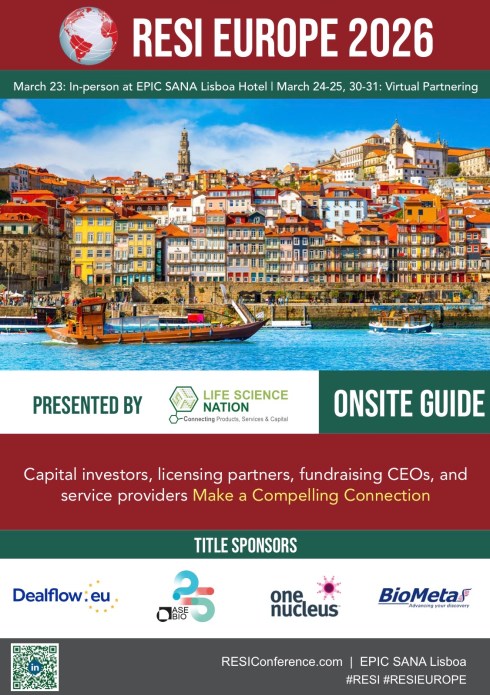
RESI Europe will take place in Lisbon with an in-person conference followed by virtual partnering, giving early-stage teams both face-to-face and online access to global investors and licensing partners at founder-level pricing. If you want your Lisbon week to start in a room built for early-stage innovation, not a room selling to you, RESI is where that week should begin.

Register for RESI Europe

Proseek Bio claims global bronze in San Francisco, strengthening Brisbane’s MedTech credentials 

27 Jan

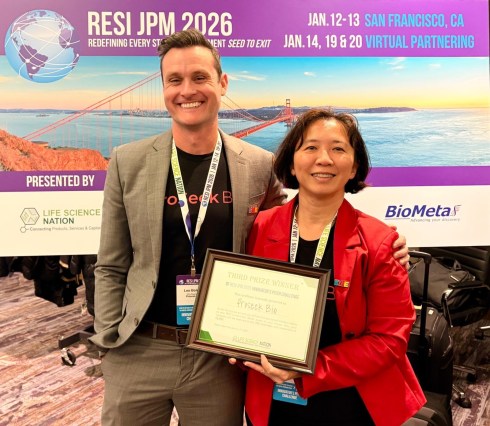
Brisbane’s world renowned MedTech sector has again been recognised on the global stage, with local company Proseek Bio securing bronze at the Innovator’s Pitch Challenge during J.P. Morgan Healthcare Week in San Francisco. 

Proseek Bio, a participant in Brisbane Economic Development Agency’sMedTech Global Accelerator, competed against more than 90 international health technology companies and was recognised for its groundbreaking work in non-invasive blood tests aimed at earlier and more accurate detection of ovarian cancer, an area of significant unmet global health need. 

This year’s achievement continues Brisbane’s strong run of podium success at one of the world’s most influential healthcare investor forums, highlighting the city’s growing capability to develop, commercialise and scale life-changing medical technologies. 

Brisbane’s Innovator’s Pitch Challenge podium finishes include: 

  • 2023 Gold: Field Orthopaedics; Bronze: Max Kelsen 
  • 2024 Silver: Convergence Medical; Bronze: Gelomics 
  • 2025 Gold: Kimaritec 
  • 2026 Bronze: Proseek Bio 

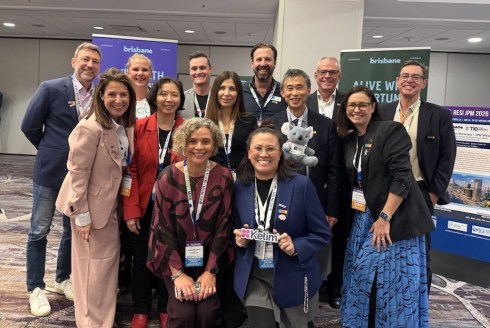
BEDA’s MedTech Global Accelerator cohort attended the RESI JPM 2026 Investor Forum, in partnership with Life Science Nation, a leading US investor and life sciences networking platform. 

Lord Mayor Adrian Schrinner said the result was another strong sign of Brisbane’s rising reputation in health and medical innovation. 

“Brisbane’s MedTech talent continues to make waves on the world stage,” Cr Schinner said. 

“Proseek Bio’s bronze finish shows just how much innovation is coming out of our city and that Brisbane can go toe-to-toe with the best in the world – especially in lifesaving areas like women’s health and cancer detection. 

“We’re proud to support our innovators in building the global connections and partnerships they need to turn great ideas into reality.” 

Proseek Bio Founder and CEO, Professor Michelle Hill said the recognition marked a significant milestone for the company. 

“Winning bronze in this highly competitive challenge is a tremendous achievement for us,” Professor Hill said. 

“It validates the potential of our technology to make a real difference in women’s health and accelerates our ability to attract global partners and investment. 

“Support through BEDA’s MedTech Global Accelerator and its international network has been critical to our journey.” 

Now in its fourth year, the accelerator has helped more than 30 visionary companies secure $246 million in capital and create more than 250 jobs in Brisbane.  

BEDA’s FY26 MedTech Global Accelerator cohort included Aptium AI, BiVACOR, Cool Beans Underwear, Fibrosoft, Ketim Technologies, LORAI Health, Proseek Bio, QBiotics Group Limited, STARCO and Talius. 

For more information about the MedTech Initiative, visit https://choose.brisbane.qld.au/business/key-industries/health/medtech 

RESI 2026: Sponsorship That Delivers Visibility, Connection, and Real Engagement 

21 Jan

By Max Braht, Director of Business Development, LSN

Max-Braht-Headshot

The RESI (Redefining Every Stage of Investment) Conference Series, produced by Life Science Nation (LSN), has become a cornerstone event series for the early-stage life science ecosystem. Designed to bring together innovators, investors, and strategic partners, RESI offers a highly curated environment where capital formation, partnership development, and brand visibility intersect.

In 2026, the RESI Series continues its global reach through a combination of in-person conferences and structured virtual partnering, offering sponsors year-round exposure and repeated touchpoints with a highly targeted audience.

A Global Series Built for Impact

The 2026 RESI Series includes multiple events across major life science hubs:

  • RESI Europe 2026 – Lisbon, March 23 (with virtual partnering March 24–25)
  • RESI June at San Diego 2026 – June 22 (with virtual partnering June 23–24, 29)
  • RESI Boston 2026 – September 22–23 (with follow-up virtual partnering September 25, 28)

Across these events, RESI convenes companies spanning therapeutics, diagnostics, medical devices, digital health, and enabling technologies, alongside venture capital firms, family offices, strategic investors, and corporate partners. Sponsors benefit from consistent brand presence across the series while engaging with a community focused on early-stage innovation and investment readiness.

Why Organizations Sponsor RESI

RESI sponsorship is structured to go beyond logo placement. Sponsors are integrated into the fabric of the conference experience, with benefits that can include:

  • High-visibility branding across pre-event marketing, onsite signage, and digital platforms
  • Exhibit opportunities in high-traffic networking areas during in-person events
  • Thought-leadership placement, including workshops, moderated sessions, and published articles distributed to LSN’s global audience
  • Targeted networking and partnering, supported by RESI’s proprietary matchmaking platform
  • Post-event attendee access, enabling meaningful follow-up with investors, founders, and decision-makers

Tiered sponsorship options allow organizations to align their level of involvement with specific business development, visibility, or ecosystem-building goals, while optional add-ons provide further customization.

Who Benefits from Sponsoring RESI

RESI sponsorship is designed to support a wide range of organizations across the life science ecosystem. Sponsors consistently report value not only in exposure, but in the relevance and quality of connections made.

Service Providers
CROs, CDMOs, legal, IP, regulatory, manufacturing, data, and commercialization services (e.g., McDermot Will & Emery, Biometas)

  • Direct access to early-stage companies actively building pipelines and seeking partners
  • Visibility among founders, executives, and investors at key decision-making stages
  • Opportunities to demonstrate expertise through workshops, articles, and curated sessions

Organizations such as Medmarc exemplify the value of sustained participation. Their consistent presence across multiple RESI conferences has helped establish familiarity and trust with early-stage companies, positioning them as a known and credible partner as those companies progress from formation through later stages of growth.

Regional Organizations and Innovation Hubs
Economic development groups, accelerators, incubators, trade organizations, and government-backed initiatives (past sponsors include Brisbane Economic Development Agency (BEDA), Kobe Biomedical Innovation Cluster, (KBIC) and Israel Export Institute (IEI))

  • A global platform to showcase regional ecosystems and portfolio companies
  • The ability to host demo days, pitch sessions, or dedicated tracks aligned with regional priorities
  • Increased international exposure to investors and strategic partners

Investors and Strategic and Corporate Partners
Venture capital, corporate venture, family offices, and strategic partners (past sponsors include, Muscular Dystrophy Association (MDA), Johnson & Johnson Innovation JLABS, and Eli Lilly)

  • Targeted visibility among investment- or partnering-ready startups across multiple modalities
  • Access to curated partnering and company intelligence through the RESI platform
  • Opportunities to participate in panels, pitch sessions, and thought-leadership programming
  • Structured environments for scouting, relationship-building, and ecosystem engagement
  • Brand alignment with a trusted, innovation-focused conference series

Sponsor Spotlight: How Organizations Activated Their Presence at RESI JPM 2026

While RESI JPM 2026 has already taken place, it provides a strong example of how sponsors can actively engage with the RESI platform — not just through visibility, but through programming and participation that creates tangible value.

One notable example is Kobe Biomedical Innovation Cluster (KBIC), a Gold Sponsor of RESI JPM 2026. KBIC leveraged its sponsorship to host the Kansai Life Sciences Accelerator Program (KLSAP) Demo Day, a dedicated session that highlighted emerging life science companies from its accelerator cohort.

Through this activation, KBIC provided startups with direct access to international investors and strategic partners, while reinforcing its role as a global connector within the life science innovation ecosystem. Rather than serving as a passive sponsor, KBIC used the RESI platform to advance its mission, support portfolio companies, and foster cross-border collaboration.

Similarly, Trillium BIO capitalized on both the high foot traffic generated by its exhibit booth and RESI’s partnering platform to schedule a large number of targeted meetings for its team. By combining in-person visibility with structured partnering, Trillium BIO maximized engagement efficiency and ensured meaningful conversations with potential clients and partners throughout the event.

What Successful Sponsors Do Differently

Examples from RESI JPM illustrate several effective sponsorship strategies that carry forward across the 2026 Series:

They integrate into the program.
Sponsors that host workshops, demo days, or curated sessions create natural engagement opportunities and attract aligned audiences.

They align sponsorship with strategy.
Whether the goal is pipeline development, geographic expansion, or investor visibility, effective sponsors use RESI to support broader organizational objectives.

They prioritize connection over exposure alone.
By leveraging partnering tools, curated meetings, and live engagement opportunities, sponsors maximize the quality of interactions — not just the quantity.

Looking Ahead

As the RESI 2026 Series continues across Europe and the United States, sponsors can build sustained visibility while actively shaping conversations at the forefront of life science innovation. The success of sponsor activations at past events demonstrates that RESI is not simply a conference series but a platform for meaningful engagement, partnership building, and long-term impact within the global life science community.

For more information about sponsorship opportunities across the RESI 2026 Series, contact us at sales@lifesciencenation.com. We look forward to discussing your needs and exploring how RESI can support your goals.

NAUGEN Global Innovation Showcase at RESI JPM 2026 

6 Jan

By Claire Jeong, Chief Conference Officer, Vice President of Investor Research, Asia BD, LSN

At RESI JPM 2026, NAUGEN will host the NAUGEN Global Innovation Showcase, a curated session spotlighting four innovative South Korea–based life science companies seeking global expansion through investment and strategic partnerships.

NAUGEN is a global innovation accelerator focused on advancing Novel, Advanced, and Unprecedented technologies across life sciences and deep tech. Through its incubation and acceleration platform, NAUGEN supports founders in scaling high-potential innovations by combining strategic and business development expertise with deep scientific and technological insight. NAUGEN is dedicated to identifying and cultivating breakthrough technologies that remain undiscovered by global markets and accelerating their path toward global competitiveness.

In partnership with George Mason University, NAUGEN recently launched the Northern Virginia International Soft Landing Accelerator (NISA). NISA is designed to help international startups establish and grow their presence in the United States by providing access to investor and partner networks, market-entry support, and lab and office space within Northern Virginia’s rapidly growing innovation ecosystem. Through NISA, global founders receive strategic mentoring, warm introductions to U.S. capital and corporate partners, and a clear pathway to scaling their businesses in the U.S. market.

As part of RESI JPM 2026, the NAUGEN Global Innovation Showcase will feature four companies representing a diverse range of therapeutic, regenerative, and medical-device innovations.

Session Details 

NAUGEN Global Innovation Showcase 
Date & Time: Monday, January 12, 2026 | 1:00–1:50 pm PST 
Location: Golden Gate B, Marriott Marquis San Francisco 

All investors and strategic partners interested in learning more about emerging life science innovations with global market potential are welcome to attend.

RSVP to NAUGEN Global Innovation Showcase

Participating Companies:

NexThera (https://nexthera.org
NexThera is a privately held, clinical-stage biotech company developing next-generation treatments for eye diseases and cancer. Its lead program, NT-101, is a first-in-class topical eye-drop therapy for wet age-related macular degeneration (AMD) and has shown encouraging safety and early clinical signals in a U.S. Phase 1/2 study. NT-101 uses a proprietary formulation that allows the medication to remain on the eye surface longer and reach the back of the eye effectively, offering a potential non-injection alternative for patients who currently rely on intravitreal treatments.


Karis Bio (https://karisbio.com
Karis Bio is a clinical-stage biotech company developing a first-in-class hiPSC-derived endothelial cell therapy to promote new blood vessel formation for ischemic cardiovascular diseases. The company has established a non-viral, non-integrating reprogramming and xeno-free differentiation platform that produces highly pure (>99%) endothelial cells with long-term safety. Its lead assets target severe peripheral artery disease (PAD) and coronary artery disease (CAD), where preclinical studies have demonstrated robust vascular regeneration and improved tissue perfusion.


MedicosBiotech (https://www.medicosbiotech.com
MedicosBiotech is a regenerative biomaterials company developing spider silk protein–based wound care solutions. The company has achieved the world’s first scalable production of full-length spider silk protein using E. coli, enabling high-purity and cost-efficient manufacturing. Its lead product, CureSilk, has demonstrated superior healing in chronic wound models, including diabetic foot ulcers and pressure ulcers, outperforming FDA-approved comparators in preclinical studies. MedicosBiotech is expanding its platform toward broader applications in regenerative medicine.


ShoeallS (https://shoealls.com/en
ShoeallS is a technology-driven company developing functional and smart medical footwear powered by its proprietary magnetic vibration module, which has been shown to enhance blood circulation and help alleviate pain. Building on its certified medical-device platform, ShoeallS is advancing next-generation smart shoes that integrate self-powering modules, embedded sensors, and AI-based monitoring to enable real-time patient-health insights. The company is expanding from functional footwear into a broader smart healthcare solution. 

RESI JPM 2026 Program Guide Released  

29 Dec

By Dennis Ford, Founder & CEO, Life Science Nation (LSN)

DF-News-09142022

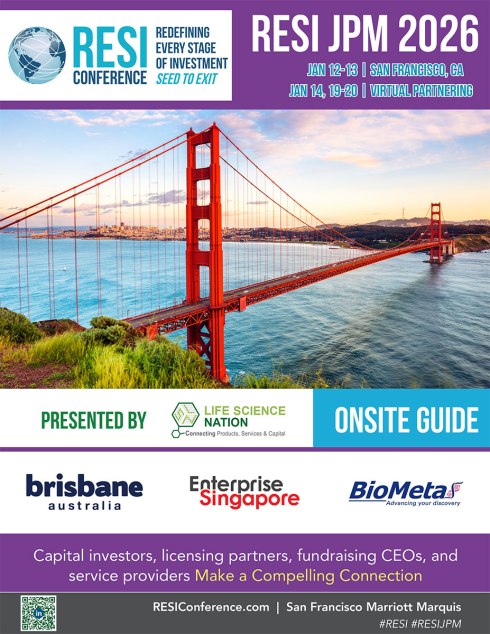
Life Science Nation (LSN) presents the RESI JPM 2026 Program Guide for its flagship hybrid conference, held January 12–13 in person at the San Francisco Marriott Marquis, followed by three virtual partnering days on January 14, 19 & 20.

RESI JPM connects early-stage life sciences innovators with global investors during the heart of JPM Healthcare Week. Highlights include the Innovator’s Pitch Challenge, featuring 96 emerging companies presenting to investor judges, along with expert panels, interactive workshops, and a diverse exhibitor showcase spanning biotech, medtech, diagnostics, and digital health.

Positioned at the center of JPM Week, RESI JPM offers unmatched access to capital, partnerships, and industry insight. Registration is now open.

Companies to Watch in 2026

16 Dec

By Dennis Ford, Founder & CEO, Life Science Nation (LSN)

DF-News-09142022Life Science Nation was built to connect scientist-entrepreneurs and fundraising CEOs with global capital, licensing, and product-collaboration partners. This work has created a unique vantage point into what truly drives successful matches between early-stage companies and the buy side, revealing not only the science itself but also how companies mature over time, where they stall, and what ultimately earns investor and partner confidence.

The life science landscape continues to evolve at a remarkable pace. Across therapeutics, devices, diagnostics, and digital health, new tools and technologies are fundamentally reshaping early-stage development. Advances in artificial intelligence, machine learning, organoid systems, next-generation screening methods, and predictive modeling now allow founders to generate clearer, more actionable data far earlier than was possible even a decade ago. These shifts are compressing timelines that once required years and large amounts of capital, and they are changing how and when global investors and strategic partners are willing to engage.

Across hundreds of investor conversations over the years, a consistent pattern has emerged in how risk is evaluated. While mandates differ, the underlying criteria tend to converge around a few fundamentals: the depth and credibility of the science, the quality and experience of the leadership team, the discipline of the development plan, and the strength of the data supporting forward momentum. Together, these factors determine whether a company is ready to engage meaningfully with the global market.

A similar lens is applied when evaluating companies referred to Life Science Nation through regional tech hubs, incubators, accelerators, universities, and national or state life science agencies. Many new technologies are, in reality, the product of decades of foundational research. When a founding scientist remains actively involved, it brings historical context, credibility, and continuity, materially reducing risk. Strong CEOs, particularly those with experience launching products inside established companies, add another layer of confidence through pragmatic decision-making and operational discipline.

Over time, this has shaped how we think about de-risking the stack. The strongest early-stage companies are not those that attempt to eliminate risk, but those that systematically convert unknown risk into understood risk. They address scientific, technical, regulatory, and commercial uncertainty in the correct order, with discipline and intent, before asking the global market to engage. They can clearly explain the remaining uncertainty, support it with data, and demonstrate steady forward progress.

At Life Science Nation, thousands of early-stage companies are encountered each year through the global partnering backbone, RESI conferences, and structured roadshow campaigns. Most are still early in their journey. Some have excellent science but are not yet ready to communicate it in a way that resonates with global investors. Others have passion and urgency but lack the data required for serious engagement. Many need more time to build the right team, define realistic milestones, and understand what it means to operate within a global partnering framework.

These companies demonstrate clarity of purpose and forward motion, articulate their science in ways that align with investor expectations, and execute against achievable milestones that generate data to support early decision making. They show signs of intentional de-risking, understand where uncertainty lives, and address it in the correct order with discipline and commitment. That is ultimately why they made this list. Without further ado…Drum roll, please….

Top Ten Companies to Watch in 2026

NeuroHope (CNS trauma and spinal cord injury)

NeuroHope is developing a PgP targeted nanoparticle delivery platform to enable sustained, targeted central nervous system drug exposure for acute spinal cord and brain injuries. The company’s lead asset, Polypram, is a rolipram-loaded nanotherapeutic designed to restore cAMP signaling, reduce inflammation, and improve functional recovery after spinal cord injury, addressing a long-standing delivery barrier that has prevented effective pharmacologic treatment in this setting.

NeuroHope stood out for its clear focus on the spinal cord injury bottleneck and its disciplined, translational data package demonstrating durable motor recovery in both rodent and large-animal models.

Website: https://www.neurohopetherapeutics.com


Bilix (clinical stage organ protection biotech)

Bilix is a clinical-stage biotechnology company developing synthetic PEGylated bilirubin nanoparticles for organ protection and inflammatory injury. Its lead program targets ischemia reperfusion injury by addressing oxidative stress, ferroptosis, and immune dysregulation following surgery and transplantation, with completed Phase 1 clinical testing and an ongoing Phase 2a study in cardiac surgery-associated acute kidney injury.

Bilix stood out for strong clinical execution, defensible chemistry, and a management team with demonstrated regulatory experience.

Website: https://www.bilix.com


Oncovita (measles-based oncolytic immuno-oncology)

Oncovita is developing MVdeltaC, an intratumoral measles virus-based oncolytic immunotherapy designed to convert immunologically cold solid tumors into targets the immune system can recognize and eliminate. By engineering a clinically familiar measles backbone with a C protein deletion, MVdeltaC drives potent immunogenic cell death and reshapes the tumor microenvironment, making previously hidden tumors visible to the immune system, much as PET imaging made occult disease visible to clinicians. Initial programs focus on pleural mesothelioma, with a clear strategy to expand into additional solid tumors such as triple-negative breast cancer.

Oncovita stood out for its mechanistic clarity and disciplined orphan-first strategy to establish clinical proof before broader expansion.

Website: https://www.oncovita.fr


Adaptyx (continuous cortisol monitoring platform)

Adaptyx is developing a continuous biomolecular monitoring platform designed to bring clarity to cortisol-driven disease. By enabling real-time measurement of cortisol dynamics, the company addresses a central blind spot in endocrinology: current diagnostics rely on static snapshots of a hormone that fluctuates throughout the day, which could change how conditions such as Cushing’s, Addison’s, and related disorders are diagnosed and managed.

Adaptyx stood out for reframing cortisol measurement as a clinical tool, much as continuous glucose monitoring has transformed diabetes care.

Website: https://adaptyx.bio/


Cureage (rare disease therapeutics for NF1)

Cureage is a rare disease-focused biotechnology company developing first-in-class therapeutics for Neurofibromatosis Type 1 and related disorders. The company targets the underlying biology driving tumor formation and disease progression in NF1, an area of significant unmet need. It works closely with the Children’s Tumor Foundation, reflecting deep alignment with the patient and clinical community.
Cureage stood out for its clear rare disease focus, strong biological rationale, and disciplined approach to de-risking development in a defined patient population.

Website: https://www.cureagetx.com


Qnity (Quantum computing drug discovery platform)

Qnity is a deep-tech life sciences company that applies quantum-electrochemical sensing to transform molecular screening and drug discovery. Its platform delivers ultra-sensitive, real-time measurements of molecular binding across a wide range of molecule types, enabling researchers and developers to identify and characterize interactions with greater precision and throughput than traditional methods like SPR or ELISA.

Qnity stood out for tackling a core bottleneck in early-stage drug development—the need for more accurate, accessible, and scalable binding data—by offering a single-chip quantum sensing solution that accelerates discovery and reduces risk in therapeutic and diagnostic pipelines.

Website: https://www.qnity.bio/


iQure(AAV gene therapy for rare CNS and metabolic disease)

iQure is developing a new class of treatments for brain disorders by restoring balance to glutamate, a key neurotransmitter that becomes toxic when dysregulated. What makes their technology unique is its focus on astrocytes—support cells in the brain—by enhancing the activity of EAAT2, the main transporter responsible for clearing excess glutamate.

iQure stood out for addressing a fundamental driver of neurological damage with a first-in-class, orally available small molecule advancing into the clinic.

Website: https://www.iqurepharma.com/


HiRO (global clinical development and APAC strategy partner)

HiRO is a global clinical research organization that supports emerging and established biotech companies in designing and executing clinical development programs across Asia Pacific and other regions. Beyond trial execution, HiRO works closely with clients to determine the most effective geography and sequencing strategy for each program, balancing regulatory pathways, patient access, cost, speed, and downstream partnering objectives. By helping companies deploy trials thoughtfully across markets such as Japan, Korea, Taiwan, Australia, Southeast Asia, and China, HiRO reduces geographic and execution risk early in development.

HiRO stood out for combining clinical rigor with global strategic judgement, enabling early stage programs to generate credible, partner ready data without single geography bias.

Website: https://en.harvestiro.com/


Qualisure Diagnostics (RNA-based thyroid classifiers)

Qualisure Diagnostics develops RNA-based classifiers that guide treatment decisions in thyroid cancer. Unlike tests focused solely on diagnosis, Qualisure’s assays inform post-diagnosis management. Clinical guideline citations support them, and the company has achieved international adoption through a decentralized deployment model.
Qualisure stood out for combining clinical relevance, guideline support, and capital-efficient international execution.

Website: https://qualisuredx.com/


Alterna Therapeutics (RNA-targeted splicing medicines)

Alterna Therapeutics develops RNA-targeted drugs designed to correct harmful cellular miscommunication driving disease. The company applies deep splicing biology to genetic and oncology indications with high unmet need, leveraging a platform with the potential to generate multiple differentiated assets over time.
Alterna stood out for its elite scientific pedigree and platform potential, with a clear opportunity to further strengthen its focus and lead-indication discipline.

Contact: Maria Buxade Fortuny maria.buxade@crg.eu

These ten companies illustrate how the bar for being partner-ready is rising across the life science ecosystem. All are early and face significant challenges ahead, but they are moving in the right direction. Taken together, this group highlights the depth of innovation and opportunity emerging across the life sciences today.

The companies highlighted in this article are not investment recommendations. Life Science Nation has not conducted formal due diligence on these technologies, finances, or operations, and no independent verification or vetting of these companies has been performed. This list reflects organizations that caught our attention through our work and travels and is intended solely for informational and educational purposes, not as a basis for any investment decision.

Why the world is looking to Brisbane, Australia for the future of health innovation

9 Dec

As Brisbane’s next wave of MedTech companies prepares to take the global stage at J.P. Morgan Healthcare Week in January 2026, the international investment community is paying closer attention to a city rapidly emerging as an Asia Pacific life sciences powerhouse. 

Brisbane’s A$201 billion economy is anchored by a A$22 billion health sector, fuelled by strong population growth and a purposeful pipeline of public and private investment.  

As Australia’s fastest-growing major city, Brisbane is being reshaped by an A$18 billion health infrastructure pipeline, creating the largest interconnected health precinct in the Southern Hemisphere, spanning hospitals, universities and innovation hubs. 

This momentum is translating directly into commercial strength. Brisbane’s health industry and export capability are expanding faster than anywhere else in Australia, supported by world-class research institutions such as The University of Queensland. 

Turning innovation into investment 

At the centre of this growth sits the MedTech Global Accelerator, delivered by Brisbane Economic Development Agency (BEDA) in partnership with Life Science Nation (LSN). The program prepares founders to launch a global funding campaign through commercial readiness and direct international investor engagement. 

Since launch, the accelerator has supported more than 30 high-potential companies to raise over A$336 million in capital. 

An additional 10 high-growth companies have now been selected for the 2026 cohort. Their technologies range from a blood test for early-stage ovarian cancer and a world-first artificial heart, to cancer-fighting compounds derived from Queensland rainforests, each with potential to transform global healthcare. 

Be part of Brisbane’s next global MedTech wave 

Collectively, these companies represent Brisbane’s next generation of globally scalable health technologies as they prepare to showcase to international investors in San Francisco in January 2026. 

MedTech Global Accelerator Cohort

BEDA offers investors and partners early access to these vetted innovators through its official MedTech Innovation Showcase Compendium. 

Join the Brisbane, Queensland Investor Innovation Showcase on Monday, 12 January 2026, 9am–12pm, at Marriott Marquis, in collaboration with Trade and Investment Queensland and LSN. 

Register for the Investor Innovation Showcase today. 

BEDA serves as one of the front doors to Australia’s rapidly expanding clinical trial ecosystem, connecting partners to Queensland’s world-class trial sites, hospitals, universities and research institutions. Through this statewide, highly networked framework, BEDA helps fast track access to clinical research capabilities from Phase I to Phase IV. 

Why global investors are watching Brisbane, Australia: 

  • 43.5% R&D tax incentive 
  • Clinical trials run up to 3x faster than USA, 2x faster than UK 
  • Variable payroll tax rates in Australia 
  • Closest export hub to Asia 
  • Fastest planning approval on Australia’s east coast 
  • Host of the 2032 Olympic & Paralympic Games 
  • Top 40 Innovation City worldwide 
  • Highest innovation hub density in Australia (140 per capita) 
  • Direct access to Asia Pacific markets 
  • Health sector projected to grow 36% by 2032 
  • Leading clinical trials: 160+ sites, 40 CROs statewide 

With world-class research, deep clinical capability and fast-growing commercial opportunities, Brisbane is positioning itself as one of the most compelling gateways to Asia Pacific health innovation, and a city where early investment could deliver significant global reach. 

BEDA CEO Anthony Ryan said Brisbane’s MedTech ecosystem has accelerated at remarkable pace. 

“Brisbane has grown up fast as a MedTech city,” Mr Ryan said.  

“Today, everything connects in one place, from research and hospitals through to manufacturing and global investors. That full pathway is what makes this such a powerful time to be building and investing here.” 

He said global attention is now firmly on Brisbane. “We are seeing serious interest from around the world,” he added. “The infrastructure is ready, the talent is here and the companies coming through our accelerator are built to compete globally.” 

Infrastructure driving faster translation 

Brisbane’s Inner-City Knowledge Corridor serves as the heart of the city’s research and development, linking together institutions involved in research, hospitals, clinical care, manufacturing, and commercial activities. 

Combined with Brisbane Airport, this corridor forms a “golden triangle,” connecting research and development to export opportunities and giving businesses access to the vast $90 trillion Asia Pacific market. 

Together, these assets enable companies to move from discovery to clinical validation and commercial manufacturing within a single urban corridor – accelerating collaboration, speed to market and global scalability. 

Learn more about the city’s key health infrastructure driving Brisbane’s biomedical ecosystem:  Health Innovation Infrastructure Showcase