
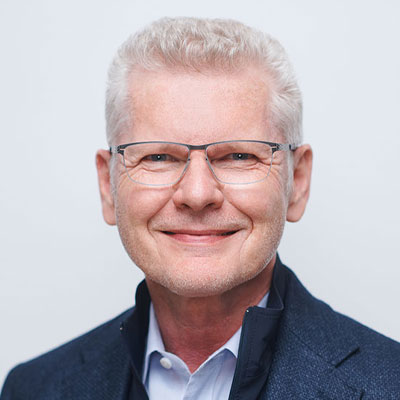
 Juan Carlos Lopez |
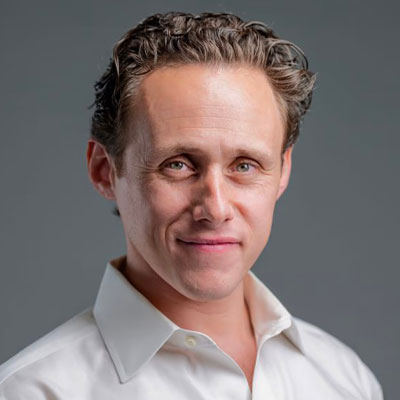
 Andy Marshall |
On December 9, the Italian charity Fondazione Telethon made waves by becoming the first non-profit organization to obtain FDA approval for an advanced therapy: Waskyra (etuvetidigene autotemcel) is an ex vivo lentiviral gene therapy indicated for the rare immune deficiency Wiskott-Aldrich Syndrome. Fondazione Telethon’s accomplishment underscores the impact that philanthropic organizations can have on drug discovery and has rightly been celebrated by patient-advocacy groups working to develop therapies for other conditions of limited commercial interest. How can this wider universe of disease foundations emulate Fondazione Telethon’s achievement and leverage the lessons from Waskyra’s approval?
Drug development for rare and ultra-rare conditions faces multiple challenges: limited understanding of the disease, paltry funding, a lack of business models providing a return on investment, regulatory obstacles, manufacturing and distribution barriers, and so on. For all these reasons, venture capitalists and pharma companies have shied away from diseases that, like Wiskott-Aldrich Syndrome, affect small populations of patients. This is the unspoken dirty secret of modern medicine. Current commercial drug development is unfit for >90% of all known diseases.
|
|
With the biopharma industry steering clear of these conditions, patient advocacy groups and other charities are trying to fill the void. According to a recent study commissioned by the US Department of Health and Human Services (HHS), 585 advocacy groups fund “medical product development” activities in the United States. Why has it taken an Italian non-profit organization to be the first to cross the US FDA approval finish line?
The organization responsible for development of Waskyra is the San Raffaele Telethon Institute for Gene Therapy (SR-TIGET), a 30-year-old partnership between Telethon Foundation and Milan’s Ospedale San Raffaele. Over those three decades, SR-TIGET has raised over half a billion euros in philanthropic capital to build internal capabilities equivalent to those available in a clinical-stage biotech company: target discovery, preclinical modelling, regulatory strategy, phase 1/2 clinical trials and registration. In other words, unlike most patient foundations and groups, this organization has accumulated the resources to generate the data necessary to walk the full path to approval, independently of the need to collaborate with a pharmaceutical company.
Out of the 585 patient advocacy groups cited in the HHS report, only 11 operate with their own research staff and lab space. In contrast, 106 advocacy groups fund life-science companies, and 536 fund academic or medical institutions. This implies that, at most, only 1.9% of US patient groups use a model that shares at least some similarities with SR-TIGET’s. This is important to emphasize because having all these in-house capabilities makes an organization less dependent on industry partnerships, which can be difficult to secure in the first place and are subject to change if economic conditions and/or company priorities alter.
|
|
Of course, it would be disingenuous to expect all patient foundations to adopt the SR-TIGET model. According to the HHS report, the mean annual revenue of an advocacy group capable of funding clinical trials is ~$32 million, with their median annual revenue at ~$3.5 million. Most of the 585 charities have no hope of achieving these financing levels, particularly those advocating for patients living with ultra-rare conditions. At the same time, these figures represent the reality of commercial development, and they should be part of the calculus used by patient advocacy groups to define the scope of their activities and inform their fundraising strategy.
|
|
It is worthwhile noting that Waskyra is not Fondazione Telethon’s first rodeo. SR-TIGET was responsible for much of the work behind two other approved ex vivo lentiviral gene therapies for ultrarare conditions: Strimvelis (for ADA-SCID; European approval in 2016) and Lenmeldy (for metachromatic leukodystrophy; European approval in 2020; FDA in 2024). In both cases, the organization partnered with for-profit companies to take the drugs to market, providing SR-TIGET with crucial training in the drug-approval process before they achieved their recent independent success with Waskyra. At the same time, those early experiences made it painfully clear that the story does not end with regulatory approval, as many without experience of developing medicines assume.
In 2018, Strimvelis, which had been developed by SR-TIGET in collaboration with GlaxoSmithKline, was acquired by Orchard Therapeutics along with the rest of the pharma’s rare disease gene-therapy portfolio. After taking the therapy to approval, however, Orchard pulled the plug and decided to cease marketing of the therapy. Fondazione Telethon then stepped in and had to arrange the transfer of the marketing authorization from the company to the foundation. Although SR-TIGET has been able to make the therapy available in Italy, Strimvelis remains unavailable elsewhere in Europe. This is unsurprising as setting up distribution networks across continents requires deep expertise and investment, and has long been the sole purview of commercial organizations.
In the case of Waskyra, the manufacturing and distribution strategy for the United States is not yet clear, but a week after the FDA decision, Fondazione Telethon signed a memorandum of understanding with the Orphan Therapeutics Accelerator (OTXL) under which Orphan Therapies (an OTXL subsidiary) will become the exclusive commercialization partner for the therapy. OTXL is a separate, US-based, non-profit organization focused on the clinical development of “shelved” ultra-rare disease treatments. That two independent non-profit organizations have come together to deliver a life-changing therapy to patients is of great significance and perhaps underappreciated by the wider community. It will be interesting to see how this partnership evolves, particularly with regards to pricing.
Indeed, pricing has been another thorny issue for Fondazione Telethon. The cost of Strimvelis is reportedly ~€600K. Between July 2023 (when the foundation obtained the marketing authorization) and the end of 2024, SR-TIGET has treated only two ADA-SCID patients (~14 children are born every year with the disease in Europe). Of most concern, the associated costs for these two treatments were €4.7 million. Although Fondazione Telethon is a non-profit entity, multi-million Euro losses of this kind simply are unsustainable. It will therefore be important that the foundation sets a price of Waskyra on the US market where it can at least recoup the costs of its treatment — if not make a return that it can invest back in further R&D efforts.
Which brings us to perhaps the most important takeaway from SR-TIGET’s Waskyra approval. It is striking how this foundation has focused very heavily on the development of gene therapies, and in particular ex vivo lentiviral gene therapies. Luigi Naldini, leader of SR-TIGIT, is a pioneer in the study of lentiviral vectors, and a lot of the research conducted at the institute over the years has focused on the optimization of vectors and on understanding the biology of hematopoietic stem cells with the eventual goal of fixing disease-causing mutations. According to the SR-TIGET website, the organization has treated ~25% of patients who have received hematopoietic stem cell-based gene therapy worldwide.
In contrast, most patient groups have a starting point around a specific disease (or a subset of related diseases) for which drug-discovery projects are launched, often using multiple therapeutic modalities to have as many “shots on goal” as possible. These are two fundamentally different approaches. SR-TIGET has focused on one therapeutic modality and then deployed it across different diseases; most other foundations focus on one disease and then invest in many different therapeutic modalities.
Ultra-rare drug developers and patient groups should take note: an increasing body of data suggests that organizations achieving development success have adopted a similar platform-based approach to bringing therapeutics to patients. And the reason for this is simple: putting together an entire discovery, commercialization and distribution apparatus for more than one therapeutic modality is simply unaffordable for most independently funded non-profits.
There are now several examples to illustrate this point. In the field of antisense oligonucleotides (ASOs), n-Lorem Foundation has achieved success using solely the ASO modality, with >35 kids suffering from 17 different “nano-rare” diseases now treated: CHCHD10/ALS, TARDBP, LMNB1, ATN1, SCN2A encephalopathy, PACS1, ASXL3/Bainbridge Ropers, MAPK8IP3/ALS, hnRNPH2/ASD, H3F3/chondrosarcoma, KIF1A/KAND, UBTF/CONDBA, TUBB4A-related leukodystrophy, EPL1/familial dysautonomia, serum amyloid A amyloidosis, or FLVCR1 and PRPH2 retinopathies. Again, success has been achieved by developing a single modality across an incredibly wide range of nano-rare neurodegenerative, neurodevelopmental, autonomic nervous system, kidney and retinal diseases.
For adenoviral associated virus serotype 9 (AAV-9) gene therapy, social purpose corporation Elpida Therapeutics continues to make progress with its platform for ultra-rare conditions (recently receiving an $8 million grant from the Center for Regenerative Medicines) Again, Elpida is focusing on just one modality and developing it against multiple neurodevelopmental and neurodegenerative conditions: Charcot-Marie-Tooth disease type 4J, Spastic Paraplegia 50 (SPG50), and Neuronal Ceroid Lipofuscinosis 7 (CLN7). Similarly, Nationwide Children’s Hospital, which carried out the original work leading to approval of Novartis’ AAV-9 gene therapy (Zolgensma) for spinal muscular atrophy, has deep resources and expertise, enabling it to serve as a hub for this type of gene therapy. In recent weeks, it announced the start of a clinical AAV-9 program for SLC6A1 neurodevelopmental disorder.
Elsewhere, one might argue that, in base editing, we are also starting to see yet another example of a modality hub emerge. Following the success of base editing around CSP1 for baby KJ (highlighted in Issue #6 of The Needle), the Center for Pediatric CRISPR Cures is building a hub around gene editing R&D expertise — an initiative that the Innovative Genomics Institute’s Fyodor Urnov is also promoting.
What does all this mean? We would suggest that academic medical centers and patient foundations interested in developing ultrarare therapies should consider the platform-based approach as an efficient way to deploy their capital. Evidence is clearly building that focusing on one modality works. For therapies beyond that single modality, organizations might be better served by identifying another resource-rich ‘hub’ organization for development programs in their disease.
Another advantage of a large platform-based hub approach with a host of different disease spokes is that it would result in a diversified portfolio of projects in which each project is a separate shot on goal. This may achieve the scale to deliver a successful drug and, therefore, generate income. In fact, MIT economist Andrew Lo has used financial-engineering techniques to show that a portfolio of ultra-rare disease projects could generate a return on investment exclusively from the sale of FDA’s Priority Review Vouchers (PRVs), which pharma companies seek to acquire for a median >$100 million. Although the reauthorization of the PRV program by the US Congress is uncertain, we think this is a tantalizing insight because it points to a sustainable path for the development of ultra-rare therapies.
|
|
2025 has been a landmark year for ultrarare therapies. Besides the FDA approval of Waskyra, the successful use of base editing to treat CPS1 deficiency in Baby KJ in just seven months, the acceptance of >160 patients into n-Lorem programs, and the administration of several gene therapies to ultrarare patients (Urbagen, an AAV-9 gene therapy for CTNNB1 syndrome being yet another recent example) suggest that ultrarare disease treatments are finally gaining momentum. With SR-TIGET, n-Lorem, Nationwide Children’s and Elpida showing the way, perhaps a development model is finally emerging to treat these debilitating childhood diseases that devastate too many families around the world.
 NeuroHope is developing a
  Bilix is a clinical-stage biotechnology company developing synthetic PEGylated bilirubin nanoparticles for organ protection and inflammatory injury. Its lead program targets ischemia reperfusion injury by addressing oxidative stress, ferroptosis, and immune dysregulation following surgery and transplantation, with completed Phase 1 clinical testing and an ongoing Phase 2a study in cardiac surgery-associated acute kidney injury.
 Oncovita is developing MVdeltaC, an intratumoral measles virus-based oncolytic immunotherapy designed to convert immunologically cold solid tumors into targets the immune system can recognize and eliminate. By engineering a clinically familiar measles backbone with a C protein deletion, MVdeltaC drives potent immunogenic cell death and reshapes the tumor microenvironment, making previously hidden tumors visible to the immune system, much as PET imaging made occult disease visible to clinicians. Initial programs focus on pleural mesothelioma, with a clear strategy to expand into additional solid tumors such as triple-negative breast cancer.
 Adaptyx is developing a continuous biomolecular monitoring platform designed to bring clarity to cortisol-driven disease. By enabling real-time measurement of cortisol dynamics, the company addresses a central blind spot in endocrinology: current diagnostics rely on static snapshots of a hormone that fluctuates throughout the day, which could change how conditions such as Cushing’s, Addison’s, and related disorders are diagnosed and managed.
 Cureage is a rare disease-focused biotechnology company developing first-in-class therapeutics for Neurofibromatosis Type 1 and related disorders. The company targets the underlying biology driving tumor formation and disease progression in NF1, an area of significant unmet need. It works closely with the Children’s Tumor Foundation, reflecting deep alignment with the patient and clinical community.
 Qnity is a deep-tech life sciences company that applies quantum-electrochemical sensing to transform molecular screening and drug discovery. Its platform delivers ultra-sensitive, real-time measurements of molecular binding across a wide range of molecule types, enabling researchers and developers to identify and characterize interactions with greater precision and throughput than traditional methods like SPR or ELISA.
 iQure is developing a new class of treatments for brain disorders by restoring balance to glutamate, a key neurotransmitter that becomes toxic when dysregulated. What makes their technology unique is its focus on astrocytes—support cells in the brain—by enhancing the activity of EAAT2, the main transporter responsible for clearing excess glutamate.
 HiRO is a global clinical research organization that supports emerging and established biotech companies in designing and executing clinical development programs across Asia Pacific and other regions. Beyond trial execution, HiRO works closely with clients to determine the most effective geography and sequencing strategy for each program, balancing regulatory pathways, patient access, cost, speed, and downstream partnering objectives. By helping companies deploy trials thoughtfully across markets such as Japan, Korea, Taiwan, Australia, Southeast Asia, and China, HiRO reduces geographic and execution risk early in development.
 Qualisure Diagnostics develops RNA-based classifiers that guide treatment decisions in thyroid cancer. Unlike tests focused solely on diagnosis, Qualisure’s assays inform post-diagnosis management. Clinical guideline citations support them, and the company has achieved international adoption through a decentralized deployment model.
 Alterna Therapeutics develops RNA-targeted drugs designed to correct harmful cellular miscommunication driving disease. The company applies deep splicing biology to genetic and oncology indications with high unmet need, leveraging a platform with the potential to generate multiple differentiated assets over time.


































 Next Phase Newsletter