
By Dennis Ford, Founder & CEO, Life Science Nation (LSN)
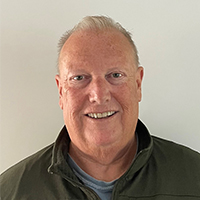 São Paulo, Brazil – September 23, 2025 – In a landmark move to expand Latin America’s role in the global life sciences sector, Life Science Nation (LSN) and The Ganesha Lab (TGL), Latin America’s premier life sciences scale-up platform, announce a strategic alliance to launch a dedicated bricks-and-mortar accelerator hub in São Paulo by the end of 2025.
Uniting Global Scale with Local Depth
The São Paulo-based facility will serve as the Latin American anchor node of LSN’s global partnering backbone, a system of affiliated tech hubs, economic development agencies, incubators, and accelerators worldwide, all connected through LSN’s two-way innovation bridge model.
This new effort builds upon years of development work with leading Brazilian stakeholders, including Abiquifi and ApexBrasil, alongside local governments, universities, and innovation agencies, as well as service providers, to ensure the hub will be fully integrated into Brazil’s national strategy for life sciences by both LSN and TGL.
- The Ganesha Lab brings regional depth: through its BigInBIO scale-up platform, TGL sources and mentors startups, delivers structured readiness programs, builds an alumni base across Latin America, and maintains strong relationships with CROs, universities, governments, and pharma partners. As LSN’s anchor partner for Latin America, TGL provides the credibility and local integration that enable the bridge to function.
- Life Science Nation brings global reach: as the architect of the two-way innovation bridge, LSN provides a commercialization-first partnering backbone that includes its curated 4,000-profile investor and licensing partner database, AI-driven readiness assessments, BD Assist outbound campaign execution, and the five annual RESI investor conferences worldwide, where more than 400 companies have raised over $5B.
Tangible, Two-Way Impact
- Outbound: Building on TGL’s BigInBIO platform, Latin American startups will be mentored and readied regionally, then advanced into LSN Labs’ commercialization-first global roadshow process, narrative refinement, global target list creation, CRM-driven outreach, and full integration into international RESI conferences.
- Inbound: Global life sciences technologies, investors, and licensing partners will be brought into Brazil through LSN’s ecosystem, leveraging TGL’s local networks to accelerate collaboration, validation, and market entry.
- Capital & Partnering Alliances: International investors and licensing partners from LSN’s global network will syndicate with Brazilian VCs, corporates, and pharma, expanding capital access and helping local partners build a global footprint.
Together, TGL and LSN create a seamless pathway: from regional readiness → to global campaign execution → to inbound technologies and capital integrating into Latin America. The São Paulo accelerator will serve as the anchor node for Latin America in LSN’s global partnering backbone.
Accelerator Operations and Ecosystem Collaborations
A newly formed Brazilian team will operate the São Paulo accelerator, working with new and existing partners from local government, top universities, regional innovation agencies, and service providers. The accelerator will act as a permanent node, building local capacity while embedding Latin America into the global life sciences economy.
“We are committed to powering innovation in both directions, helping Latin American startups scale globally and enabling global innovators to leverage Brazil’s unique advantages,” said Dennis Ford, Founder & CEO of Life Science Nation.
“Together, we are creating an innovation bridge that not only builds businesses but also strengthens Brazil’s role as the leading gateway for life sciences innovation in Latin America,” said Markus Schreyer, Founder & CEO of The Ganesha Lab.
“LSN has built a precision matching and meeting connection engine for over a decade, helping more than 400 companies raise $5B. Anchoring the accelerator in Brazil will strengthen the LATAM market and connect the region directly into LSN’s global backbone. The time is right to bring Latin America into the network and expand its global life science footprint,” said Matt Stanton, LSN’s VP of LATAM Business Development.
The program is targeting going live by the end of 2025 or early 2026. The São Paulo hub will be the first of its kind in Latin America, with the potential to replicate across other innovation centers in the region, further embedding Latin America into the global life sciences economy.
The partnership will also be highlighted at the upcoming BioHunt Summit 2025 in Miami, where Dennis Ford and Markus Schreyer will hold a fireside chat to expand on the announcement.
About Life Science Nation (LSN)
 Life Science Nation (LSN), founded by Dennis Ford, is a global leader in connecting early-stage life science companies with capital investors and licensing partners. LSN owns and operates the LSN Investor & Licensing Partner Database (4,000 curated profiles), the Redefining Early-Stage Investments (RESI) Conference Series (five global partnering events annually), and the LSN Newsletter (60,000 global readers), alongside podcasts and published works such as The Life Science Executive’s Fundraising Manifesto.
Through its accelerator arm, LSN Labs, LSN has pioneered the two-way innovation bridge model, a partnering backbone that affiliates with tech hubs, incubators, accelerators, and economic development agencies worldwide. This model enables regions, patient groups, and nonprofits to aggregate technology assets, launch them outbound into global markets, and simultaneously bring inbound capital, licensing partners, and technologies into their ecosystems. Over the past decade, LSN has helped more than 400 companies raise over $5 billion through global roadshow campaigns and partnering events.
About The Ganesha Lab (TGL)
 The Ganesha Lab (TGL), founded by Markus Schreyer, is Latin America’s premier life sciences scale-up platform. Through its flagship program BigInBIO, TGL provides structured readiness programs, mentoring, and founder development for biotech and health startups. Selected companies may also receive investment support, with TGL maintaining long-term engagement for three years or more post-program through its alumni network.
With strong ties to CROs, universities, governments, and pharma across the region, TGL plays a vital role in sourcing and nurturing the most promising science-based ventures in Latin America, preparing them for international scale-up and investment. TGL’s proven regional expertise and credibility make it the ideal anchor partner for launching the São Paulo accelerator and establishing Latin America as a key node in the global life sciences economy.



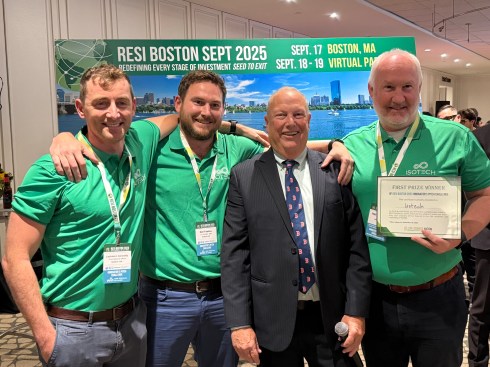 Dr Lochlainn Connolly, Founder – EVP Medical Affairs, Isotech | Dr Neil Fawkes, Founder / EVP R&D, Isotech | Dennis Ford, Founder and CEO, Life Science Nation | Iggy McGowan, Founder / CEO, Isotech
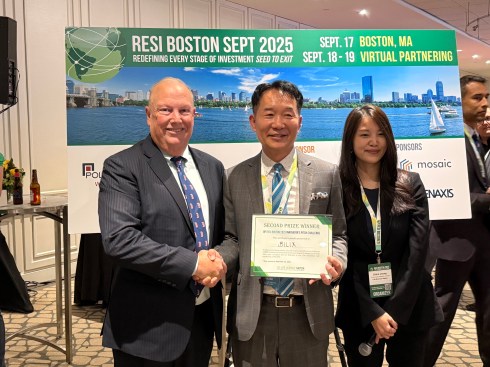 Dennis Ford, Founder and CEO, Life Science Nation | Myung L. Kim, Ph.D., MBA, Founder and Chief Executive Officer, Bilix | Claire Jeong, CCO, VP of Investor Research, Asia BD, Life Science Nation
 Cole Van Vuren, Business Development Manager, Life Science Nation




 Next Phase Newsletter