By Momo Yamamoto, Senior Investor Research Analyst, LSN
RESI JPM brings together early-stage life science innovators and active investors during one of the industry’s most important weeks, and Life Science Nation is pleased to announce the investor judges participating in the Innovator’s Pitch Challenge (IPC).
This year’s IPC will feature more than 90 presenting companies across 24 pitch sessions over two days, offering startups a high-impact opportunity to gain visibility, pitch directly to investors, and receive real-time feedback from experienced decision-makers.
Each pitch session will be evaluated by a panel of investor and strategic partner judges with expertise spanning therapeutics, medical devices, diagnostics, digital health, and life science tools. Following every presentation, judges will lead a live Q&A to assess the opportunity and share perspective on scientific differentiation, commercial potential, and investment readiness.
All IPC companies will also be assigned a dedicated space in the RESI Exhibition Hall, creating additional opportunities for follow-up conversations and deeper engagement with investors and conference attendees.
In addition, RESI JPM attendees will be invited to vote with their RESI Cash for their favorite presenting companies. The Top 3 companies will be announced during the conference reception. Winners will receive a prize and be featured in an upcoming issue of the LSN newsletter, reaching a global audience of investors and life science innovators.
Scroll down to see which investors will serve as judges for this year’s RESI JPM Innovator’s Pitch Challenge.
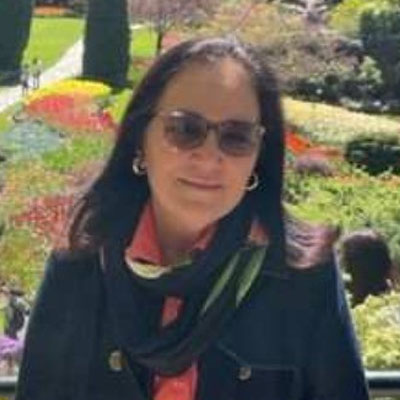
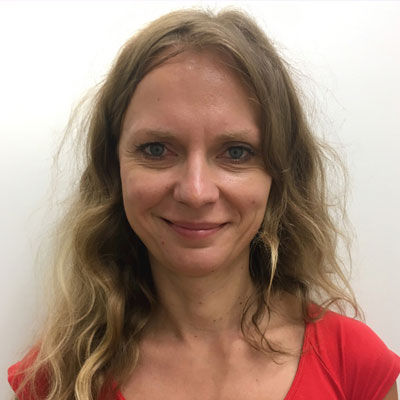
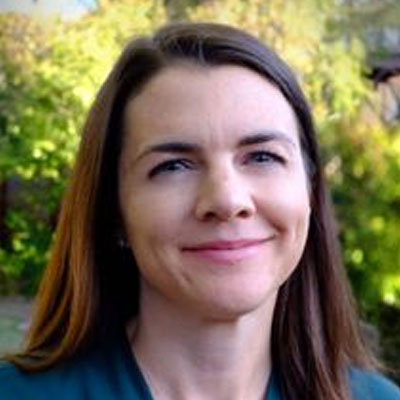
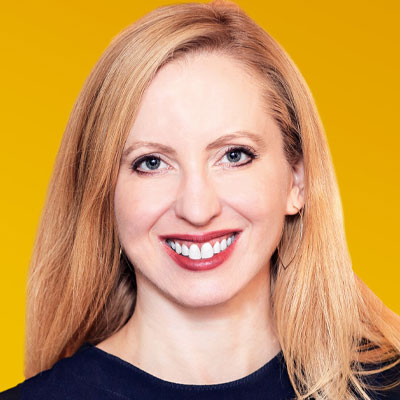
Caitlin Dolegowski (CD): Could you introduce TrilliumBiO and share your core focus areas in life sciences?
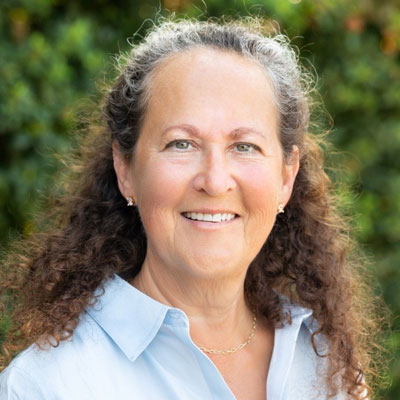
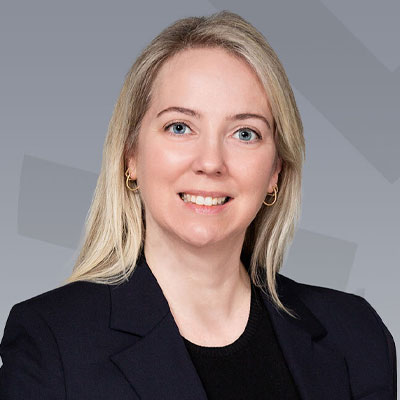
Laura Vivian (LV): TrilliumBiO is a biomarker discovery company specializing in the development and commercialization of novel diagnostic tests to translate scientific discoveries into real-world clinical impact.
The company has launched over 100 assays, collaborates with partners domestically and internationally, and processes over 500,000 samples annually through a multi-accredited, CLIA-certified laboratory. We work with industry innovators in biotech and pharma, as well as academic medical centers, foundations, and patient advocacy groups. Headquartered in Maryland, just outside Washington, D.C., we operate within the nation’s third-largest biopharma hub. Our multidisciplinary leadership team brings decades of experience delivering value to patients and partners.
Our core focus is expanding access to critical areas of testing that align with emerging therapeutics and scaling diagnostic solutions that support the development and adoption of new treatments.
CD: What types of early-stage companies or technologies are you most interested in meeting at RESI?
LV: First, we are excited to be able to sponsor RESI JPM 2026 and be part of this great community. Thank you for having us.
We believe we are ideally positioned at the intersection of the life sciences ecosystem to create enormous value for our partners. We’re especially interested in engaging with companies advancing novel therapeutics and diagnostics, investors seeking biomarker and clinical diagnostic expertise for their portfolio companies, and organizations with technologies to in-license or co-develop. Our team brings speed, efficiency, and deep expertise in biomarker strategy and development to help accelerate that journey.
CD: What are some of the key scientific or commercial challenges your team is focusing on solving in the coming year?
LV: At TrilliumBiO, we see ourselves as partners from discovery through delivery, working alongside our clients across R&D, regulatory milestones, and clinical use. That partnership means solving critical barriers that often slow diagnostic development, limit patient access, and delay therapeutic approvals.
We’re not only able to bring new assays to market; we also scale testing volume and accelerate the commercialization of existing assays. Our regulatory expertise and audit readiness gives partners confidence that FDA submissions will succeed, ensuring progress isn’t stalled by compliance hurdles.
Education is foundational to our work, strengthening disease awareness among both patients and providers. With the support of more than 15,000 in our physician network, we make sure that every test result is clinically meaningful and actionable.
CD: Is there anything you’d like the RESI community to know about TrilliumBiO’s mission or upcoming milestones?
LV: We recently announced a strategic partnership with Oncobit, an international leader in precision oncology, to bring advanced monitoring solutions for uveal melanoma, including molecular residual disease (MRD) testing, to the U.S. We’re also preparing awareness initiatives around rare diseases like lymphangioleiomyomatosis (LAM), supported by our VEGF-D assay, and blood-based biomarkers that enable earlier detection of Alzheimer’s disease. Our mission is to advance diagnostics that make a meaningful difference in patient care.
The RESI community should stay tuned, as we’ll be sharing more about these milestones and others soon.
CD: Are there any recent accomplishments that you want us to highlight? (Awards, Grants, FDA Approvals, Social Corporate Responsibility programs, etc.)
LV: We were honored to be named a finalist for the Emerging Life Sciences Company of the Year at the 2025 ICON Awards presented by the Maryland Tech Council, recognizing innovation and impact in the state of Maryland’s life sciences sector. Building on that momentum, we secured FDA approval for a rare disease direct to consumer test within just six months, a milestone that reflects our ability to rapidly translate discovery into patient-ready diagnostics. Alongside these achievements, we continue to strengthen partnerships with patient advocacy groups, ensuring that our breakthroughs are paired with meaningful support for the communities we serve.
On December 9, the Italian charity Fondazione Telethon made waves by becoming the first non-profit organization to obtain FDA approval for an advanced therapy: Waskyra (etuvetidigene autotemcel) is an ex vivo lentiviral gene therapy indicated for the rare immune deficiency Wiskott-Aldrich Syndrome. Fondazione Telethon’s accomplishment underscores the impact that philanthropic organizations can have on drug discovery and has rightly been celebrated by patient-advocacy groups working to develop therapies for other conditions of limited commercial interest. How can this wider universe of disease foundations emulate Fondazione Telethon’s achievement and leverage the lessons from Waskyra’s approval?
Drug development for rare and ultra-rare conditions faces multiple challenges: limited understanding of the disease, paltry funding, a lack of business models providing a return on investment, regulatory obstacles, manufacturing and distribution barriers, and so on. For all these reasons, venture capitalists and pharma companies have shied away from diseases that, like Wiskott-Aldrich Syndrome, affect small populations of patients. This is the unspoken dirty secret of modern medicine. Current commercial drug development is unfit for >90% of all known diseases.
According to an analysis of the Orphanet database, >80% of rare diseases affect <1 patients per million people (~0.5% of the total number of patients living with a rare disease). By contrast, ~4% of rare diseases affect 100–500 patients per million people (>80% of the total number of patients), enough to attract commercial interest. Source: Drug Discovery Today
With the biopharma industry steering clear of these conditions, patient advocacy groups and other charities are trying to fill the void. According to a recent study commissioned by the US Department of Health and Human Services (HHS), 585 advocacy groups fund “medical product development” activities in the United States. Why has it taken an Italian non-profit organization to be the first to cross the US FDA approval finish line?
The organization responsible for development of Waskyra is the San Raffaele Telethon Institute for Gene Therapy (SR-TIGET), a 30-year-old partnership between Telethon Foundation and Milan’s Ospedale San Raffaele. Over those three decades, SR-TIGET has raised over half a billion euros in philanthropic capital to build internal capabilities equivalent to those available in a clinical-stage biotech company: target discovery, preclinical modelling, regulatory strategy, phase 1/2 clinical trials and registration. In other words, unlike most patient foundations and groups, this organization has accumulated the resources to generate the data necessary to walk the full path to approval, independently of the need to collaborate with a pharmaceutical company.
Out of the 585 patient advocacy groups cited in the HHS report, only 11 operate with their own research staff and lab space. In contrast, 106 advocacy groups fund life-science companies, and 536 fund academic or medical institutions. This implies that, at most, only 1.9% of US patient groups use a model that shares at least some similarities with SR-TIGET’s. This is important to emphasize because having all these in-house capabilities makes an organization less dependent on industry partnerships, which can be difficult to secure in the first place and are subject to change if economic conditions and/or company priorities alter.
Patient advocacy organizations (PAOs) use multiple types of arrangement to advance their missions, but only a small percentage conducts in-house research and/or clinical trials. As the categories are not mutually exclusive, individual advocacy groups may be included in multiple categories. Source: Lee, KM et al., May 2025
Of course, it would be disingenuous to expect all patient foundations to adopt the SR-TIGET model. According to the HHS report, the mean annual revenue of an advocacy group capable of funding clinical trials is ~$32 million, with their median annual revenue at ~$3.5 million. Most of the 585 charities have no hope of achieving these financing levels, particularly those advocating for patients living with ultra-rare conditions. At the same time, these figures represent the reality of commercial development, and they should be part of the calculus used by patient advocacy groups to define the scope of their activities and inform their fundraising strategy.
Mean (blue) and median (red) revenue of patient advocacy groups that fund medical research. As the categories are not mutually exclusive, individual organizations may be included in multiple categories. Source: Lee, KM et al., May 2025
It is worthwhile noting that Waskyra is not Fondazione Telethon’s first rodeo. SR-TIGET was responsible for much of the work behind two other approved ex vivo lentiviral gene therapies for ultrarare conditions: Strimvelis (for ADA-SCID; European approval in 2016) and Lenmeldy (for metachromatic leukodystrophy; European approval in 2020; FDA in 2024). In both cases, the organization partnered with for-profit companies to take the drugs to market, providing SR-TIGET with crucial training in the drug-approval process before they achieved their recent independent success with Waskyra. At the same time, those early experiences made it painfully clear that the story does not end with regulatory approval, as many without experience of developing medicines assume.
In 2018, Strimvelis, which had been developed by SR-TIGET in collaboration with GlaxoSmithKline, was acquired by Orchard Therapeutics along with the rest of the pharma’s rare disease gene-therapy portfolio. After taking the therapy to approval, however, Orchard pulled the plug and decided to cease marketing of the therapy. Fondazione Telethon then stepped in and had to arrange the transfer of the marketing authorization from the company to the foundation. Although SR-TIGET has been able to make the therapy available in Italy, Strimvelis remains unavailable elsewhere in Europe. This is unsurprising as setting up distribution networks across continents requires deep expertise and investment, and has long been the sole purview of commercial organizations.
In the case of Waskyra, the manufacturing and distribution strategy for the United States is not yet clear, but a week after the FDA decision, Fondazione Telethon signed a memorandum of understanding with the Orphan Therapeutics Accelerator (OTXL) under which Orphan Therapies (an OTXL subsidiary) will become the exclusive commercialization partner for the therapy. OTXL is a separate, US-based, non-profit organization focused on the clinical development of “shelved” ultra-rare disease treatments. That two independent non-profit organizations have come together to deliver a life-changing therapy to patients is of great significance and perhaps underappreciated by the wider community. It will be interesting to see how this partnership evolves, particularly with regards to pricing.
Indeed, pricing has been another thorny issue for Fondazione Telethon. The cost of Strimvelis is reportedly ~€600K. Between July 2023 (when the foundation obtained the marketing authorization) and the end of 2024, SR-TIGET has treated only two ADA-SCID patients (~14 children are born every year with the disease in Europe). Of most concern, the associated costs for these two treatments were €4.7 million. Although Fondazione Telethon is a non-profit entity, multi-million Euro losses of this kind simply are unsustainable. It will therefore be important that the foundation sets a price of Waskyra on the US market where it can at least recoup the costs of its treatment — if not make a return that it can invest back in further R&D efforts.
Which brings us to perhaps the most important takeaway from SR-TIGET’s Waskyra approval. It is striking how this foundation has focused very heavily on the development of gene therapies, and in particular ex vivo lentiviral gene therapies. Luigi Naldini, leader of SR-TIGIT, is a pioneer in the study of lentiviral vectors, and a lot of the research conducted at the institute over the years has focused on the optimization of vectors and on understanding the biology of hematopoietic stem cells with the eventual goal of fixing disease-causing mutations. According to the SR-TIGET website, the organization has treated ~25% of patients who have received hematopoietic stem cell-based gene therapy worldwide.
In contrast, most patient groups have a starting point around a specific disease (or a subset of related diseases) for which drug-discovery projects are launched, often using multiple therapeutic modalities to have as many “shots on goal” as possible. These are two fundamentally different approaches. SR-TIGET has focused on one therapeutic modality and then deployed it across different diseases; most other foundations focus on one disease and then invest in many different therapeutic modalities.
Ultra-rare drug developers and patient groups should take note: an increasing body of data suggests that organizations achieving development success have adopted a similar platform-based approach to bringing therapeutics to patients. And the reason for this is simple: putting together an entire discovery, commercialization and distribution apparatus for more than one therapeutic modality is simply unaffordable for most independently funded non-profits.
Elsewhere, one might argue that, in base editing, we are also starting to see yet another example of a modality hub emerge. Following the success of base editing around CSP1 for baby KJ (highlighted in Issue #6 of The Needle), the Center for Pediatric CRISPR Cures is building a hub around gene editing R&D expertise — an initiative that the Innovative Genomics Institute’s Fyodor Urnov is also promoting.
What does all this mean? We would suggest that academic medical centers and patient foundations interested in developing ultrarare therapies should consider the platform-based approach as an efficient way to deploy their capital. Evidence is clearly building that focusing on one modality works. For therapies beyond that single modality, organizations might be better served by identifying another resource-rich ‘hub’ organization for development programs in their disease.
Another advantage of a large platform-based hub approach with a host of different disease spokes is that it would result in a diversified portfolio of projects in which each project is a separate shot on goal. This may achieve the scale to deliver a successful drug and, therefore, generate income. In fact, MIT economist Andrew Lo has used financial-engineering techniques to show that a portfolio of ultra-rare disease projects could generate a return on investment exclusively from the sale of FDA’s Priority Review Vouchers (PRVs), which pharma companies seek to acquire for a median >$100 million. Although the reauthorization of the PRV program by the US Congress is uncertain, we think this is a tantalizing insight because it points to a sustainable path for the development of ultra-rare therapies.
PRVs were created by the FDA to incentivize the development of treatments for rare pediatric diseases, allowing companies to get a faster regulatory review for any future drug. Crucially, PRVs can be sold to other firms. The graph shows the known prices that pharma companies have paid to acquire a PRV since they were launched. Source: BioSpace
2025 has been a landmark year for ultrarare therapies. Besides the FDA approval of Waskyra, the successful use of base editing to treat CPS1 deficiency in Baby KJ in just seven months, the acceptance of >160 patients into n-Lorem programs, and the administration of several gene therapies to ultrarare patients (Urbagen, an AAV-9 gene therapy for CTNNB1 syndrome being yet another recent example) suggest that ultrarare disease treatments are finally gaining momentum. With SR-TIGET, n-Lorem, Nationwide Children’s and Elpida showing the way, perhaps a development model is finally emerging to treat these debilitating childhood diseases that devastate too many families around the world.
Attendees voted with their RESI Cash alongside judges’ scores to determine this year’s winners.
By Claire Jeong, Chief Conference Officer, Vice President of Investor Research, Asia BD, LSN
Life Science Nation is pleased to announce the investor panelists for RESI JPM 2026, taking place January 12–13 during JPM Healthcare Week. Across two full days, RESI JPM will bring together active investors, strategic partners, and industry leaders for focused discussions on the funding environment, partnership strategies, and emerging opportunities across life sciences and healthcare.
RESI investor panels are designed to provide founders and executives with direct insight from decision-makers who are actively deploying capital, forming partnerships, and shaping the future of the industry. Each panel features experienced investors and strategics sharing candid perspectives, followed by opportunities to continue conversations through RESI’s structured partnering platform.
Investor Speakers on Day 1 (January 12)
Sharon Chan
Johnson & Johnson Innovation – JLABS Asia Pacific
Irene Cheong
A*STAR
Ansbert Gadicke
MPM BioImpact
Dushyant Pathak
Autobahn Labs
Andrew Krowne
Dolby Family Ventures
Robert Balfour
ALSA Ventures
Rick Berenson
Mass Medical Angels
Gunes Bozkurt
Beiersdorf
Jian Cao
Medtronic
Jeff Chu
Features Capital
Karen Chu
Harvest Integrated Research Organization (HiRO)
Rod Cotton
2Flo Ventures
Juan Cueva
Johnson & Johnson Innovation
Bettina Ernst
BERNINA BioInvest
Jack Florio
NuFund Venture Group
Nirdesh Gupta
Cedars-Sinai Technology Ventures
Karen Harris
Alzheimers Drug Discovery Foundation
Uplaksh Kumar
Foresite Capital
Ken Lin
ABIES Capital
Michael Loftus
PoC Capital
Brianna McDonald
Ecosystem Venture Group
Swati Mehta
25BIO
Ahmed Mousa
LAFANA
Mahesh Narayanan
Neuvation Ventures
Kenny Nova
Mid Atlantic Bio Angels
Jessica Owens
INITIATE Ventures
Jojo Platt
Corundum Neuroscience
Steven Saltzstein
FORCE Family Office
Garth Smith
Ontario Brain Institute
James Spann
Boyd Street Ventures
Jessica Tam
Baxter Healthcare
Lee Chuan Teck
Enterprise Singapore
Varun Turlapati
Chaanakya Capital
Investor Speakers on Day 2 (January 13)
Friedemann Janus
Bayer
Jiaping Gu
Takeda Ventures
David Berry
Averin Capital
Ekaterine Kortkhonjia
Johnson & Johnson Innovation
Nick Naclerio
Illumina Ventures
Eric Schaefer
March of Dimes
Marc Appel
Pacific Bridge NY
Anjan Aralihalli
Raya Therapeutic
Yaron Daniely
aMoon Fund
Miriam Dong
ID3 Ventures
Cristina Escoda
Tachyon Ventures
Yinghong Gao
Viva BioInnovator
Gary Gershony
BayMed Venture Partners
Tom Gibbs
Debiopharm Innovation Fund
Rohit Jain
HBS Alumni Angels of Northern California
Sai Jasti
Bayer
Anula Jayasuriya
Kidron Capital
Gautam Kainth
TCP Health Ventures
Jin Lee
Oxonian Ventures
Brian Miglionico
Agios Pharmaceuticals
Ralph Morales III
Aquillius Ventures
Stephanie Oestreich
Myeloma Investment Fund
Donna Parr
Cross-Border Impact Ventures
Bibi Sattar Marques
Buenavista Equity Partners
Takehiko Sawabe
Beyond Next Ventures
Venkat Srinivasan
Innospark Ventures
Anthony Vallance-Owen
We Venture Capital
Chensu Wang
Yonjin Venture
Chris Yoo
Xcellerant Ventures
Qing Zhang
LDV Partners
Register for RESI JPM 2026
RESI JPM 2026 offers more than panels. Attendees gain access to curated investor meetings through RESI’s partnering system, targeted networking, and programming designed to support meaningful connections during one of the most important weeks in healthcare investment.
Attendees voted with their RESI Cash alongside judges’ scores to determine this year’s winners.
By Claire Jeong, Chief Conference Officer, Vice President of Investor Research, Asia BD, LSN
Life Science Nation is pleased to announce the winners of the Innovator’s Pitch Challenge (IPC) at RESI London 2025. This year’s competition featured 26 participating companies, each showcasing early-stage technologies to a panel of experienced investors and an audience of global attendees.
The IPC remains a cornerstone of every RESI conference, allowing founders to present to a coordinated group of investors who provide interactive questions and valuable feedback. Attendees cast votes using their RESI Cash, which was combined with judges’ assessments to select this year’s top companies.
Congratulations to the RESI London 2025 IPC winners:
These companies stood out among a highly competitive group of innovators spanning therapeutics, medical devices, diagnostics, and digital health.
Congratulations, as well, to the companies from each session who received the highest judges scores:
Looking ahead: Applications are now open for Life Science Nation’s next European conference, taking place in Portugal on March 23, 2026. Companies interested in pitching can applyhere.
By our count, there are now 15 bi-specific antibodies approved by the US Food and Drug Administration (the last peer-reviewed count from 2024 we found chalked up 13). This year has been a bumper year for bi-specifics — antibodies that recognize two molecular targets. Several of 2025’s largest deals have involved assets in this class, including Genmab’s $8 billion acquisition of Merus in September and Takeda’s $11.4 billion splurge on an anti-Claudin18.2 bi-specific antibody and antibody-drug conjugate (ADC) from Innovent Biologics.
Not only is this trend likely to continue, but we predict that it will expand to encompass tri- and multi-specific antibodies, the development of which is an area of intense research activity. Just a couple of weeks ago, South Korea’s Celltrion clinched a $155 million (biobucks) deal for TriOar’s tri-specific ADCs for cold tumors. And at the SITC meeting last month (which we covered in issue 19) tri-specifics were highlighted by no less than five companies: Nextpoint (B7-H7 x CD3 x TMIGD2), CrossBow (cathepsin G peptide x CD3 x CD28), TJ Biopharma (CDCP1 x CD3 x 4-1BB), Biocytogen (DLL3 x CD3 x 4-1BB) and Radiant Therapeutics (potentially tri-specific/trivalent).
Building an antibody that recognizes three or more targets at the same time is not trivial, though. There are multiple technical, clinical and regulatory hurdles that developers need to overcome before the antibody reaches patients. Why, then, go through the trouble of creating a multi-specific antibody when a bi-specific may show clinical benefit? As it turns out, there are several reasons why a multi-specific antibody may be worth the effort.
Bi-specific T-cell engagers (TCEs) trigger two signals required for T-cell activation: recognition of the tumor antigen by the TCR and a co-stimulatory signal provided by nearby antigen-presenting cells (APCs) acting through a receptor such as CD28, CD2 and 4-1BB. Cold tumor microenvironments lack the second signal, which can be replaced by a TCE. Source: Biocentury
First, as tumors often escape by downregulating or mutating a single target epitope, a multi-specific antibody may reduce the likelihood of escape by simultaneously targeting multiple tumor antigens. Second, multi-specifics could increase safety and reduce toxicity of a therapy. For example, a multi-specific antibody can be designed to require co-expression of two or more antigens on the same cell to bind effectively. Healthy cells expressing only one antigen would be spared, thereby reducing off-tumor toxicity. Similarly, targeting multiple mechanisms with a single antibody may reduce the need to use several separate drugs, simplifying dosing and reducing risks for patients. Third, and perhaps most important, a multi-specific antibody can simultaneously block several disease pathways, yielding synergistic effects that a bi-specific might not achieve. In solid tumors, for example, tumor heterogeneity, limited immune-cell infiltration and an immunosuppressive microenvironment often result in therapeutic failure. Multi-specific antibodies could combine tumor targeting, immune-cell recruitment and checkpoint modulation in a single molecule.
Perhaps the best example of this comes from the field of T-cell engagers (TCEs). A tri-specific antibody can incorporate not only tumor-cell binding and CD3 engagement, but also a co-stimulatory domain, such as CD28. This can boost T-cell activation, persistence and potency more than a bi-specific that only binds to CD3.
In this regard, a recent paper in PNAS is an excellent example of the power of the approach. A research team from EvolveImmune Therapeutics reports on the development of EVOLVE, a next-generation TCE that integrates CD3 binding with CD2-mediated co-stimulation to enhance T-cell activation, durability and tumor-killing capacity, while avoiding target-independent toxicity.
Conventional CD3-bi-specific TCEs activate T cells through a stimulation signal but often fail to provide the complementary co-stimulation necessary for sustained effector function. This can result in T-cell dysfunction, reduced persistence and limited clinical durability. To address this, Jeremy Myers and his colleagues systematically compared multiple costimulatory pathways and identified CD2 as a superior target owing to its broad expression on naïve, activated and exhausted CD8⁺ T cells, and its sustained expression within tumor-infiltrating lymphocytes.
Expression data (red) and MHC class I/II (orange) data fromDICE and Human Protein Atlas databases suggest that CD2 co-stimulation by CD58 is superior to other costimulatory receptor-ligand pairs (CD80–CD28, 4-1BBL-4–1BB or TNFSF9–TNFRSF9). Source: PNAS.
The team engineered tri-specific antibodies that fuse a CD58 extracellular domain (the natural CD2 ligand — Lymphocyte Function-Associated Antigen 3;LFA-3) to affinity-tuned CD3 binders within an IgG-like format. They showed that integrated CD2 co-stimulation substantially improves T-cell viability, proliferation, cytokine production and cytotoxicity across tumor types.
When optimizing the molecule, they found that CD3 affinity must be attenuated: high-affinity CD3 domains cause target-independent T-cell activation and cytokine release (superagonism), whereas intermediate-affinity variants retain potent tumor-directed killing with reduced off-target activation.
The EVOLVE tri-specifics outperformed matched bi-specifics targeting HER2, ULBP2, CD20 and B7-H4, with increases up to >50-fold in potency, depending on the target. The optimized tri-specifics also showed superior tumor control in vivo, achieving durable tumor regression in humanized mouse models even after cessation of the treatment.
Even though tri- and multi-specific antibodies could offer clear advantages over bi-specifics, they are not without problems. From the technical standpoint, multi-specifics combine multiple binding specificities and often non-natural architectures. This feature increases complexity at every step from discovery to manufacturing. The assembly of IgG-like multi-specifics can result in heavy/light and heavy/heavy chain mispairing leading to heterogeneous products. Although antibody engineers have come up with strategies to address this issue, each solution adds constraints to developability.
Multi-specific antibodies can also have lower expression, cause more host-cell stress and require more advanced cell-line engineering or multi-vector expression systems. Moreover, downstream purification often needs additional steps to separate mis-paired species. Similarly, multi-specific antibodies are often less stable, more aggregation-prone, and more sensitive to formulation conditions, impacting shelf life and immunogenicity risk.
It is also important to show identity, purity and functional activity for each specificity and for the multi-specific activity (that is, simultaneous binding, cell-bridging). So, establishing robust potency assays is often the greatest challenge. What is a good model system to design a development candidate going after several targets at the same time? With each additional binder, complexity in discovery and development increases.
From the clinical standpoint, although multi-specifics can potentially be safer than bi-specific antibodies, as we mentioned above, other toxicological risks exist.
TCEs have been known to trigger cytokine-release syndrome, neurotoxicity, or unexpected tissue toxicity if targets are expressed on normal tissues. First-in-human dosing strategies are therefore critical. Moreover, multi-specifics may have non-linear pharmacokinetics (target-mediated clearance for each target), and dual-target engagement can alter distribution and half-life; selecting a safe, effective dose requires integrated PK/PD modeling and biomarker strategy.
And the headaches don’t stop there. Efficacy of a multi-specific may depend on co-expression of two or more targets. Stratifying patients may therefore complicate trial enrollment and endpoint definition, not to mention that it may be necessary to develop companion diagnostics (already expensive and complex for conventional monoclonal antibodies). And related to this point, when multiple targets are engaged, it can be hard to know which specificity caused an adverse event, complicating risk–benefit evaluation and mitigation.
Finally, from the regulatory perspective, although expectations are still evolving, agencies expect a pharmacological package that reflects multi-specific mechanisms, particularly with regards to toxicology. Regulators routinely require robust control strategies to ensure product consistency. Again, this is going to be more complicated for multi-specifics because small changes in manufacturing can alter pairing or potency.
Multi-specific antibodies are gaining momentum. They represent a potentially powerful technology, but many questions still surround their development. Success may depend on striking the right balance between choosing the appropriate therapeutic indication, identifying the simplest effective format, heavy upfront developability and analytical work, and early interactions with regulators to align on pre-clinical packages.
By Claire Jeong, Chief Conference Officer, Vice President of Investor Research, Asia BD, LSN
Join us for a special showcase of Japan’s most promising early-stage life science innovators at the KLSAP 2025 Demo Day, presented by the Kobe Biomedical Innovation Cluster (KBIC). This dynamic session will feature three finalists from the Kansai Life Science Accelerator Program alongside eight KBIC startups and alumni. Companies will deliver focused pitches highlighting new advances in therapeutics, medical platforms, diagnostics, and digital health, followed by live Q&A with global investors.
Hosted during RESI JPM 2026, this session is an excellent opportunity for investors, BD teams, and innovation scouts looking to connect with high-potential Japanese technologies poised for global expansion.
📅 January 13, 12:00–2:00pm PST
📍 Golden Gate C3 Room, Marriott Marquis San Francisco
Agenda: 12:00–12:03 Opening – KLSAP Overview
12:03–12:45 KLSAP 2025 Demo Day Featuring 3 Finalist Companies (7 minute pitch + 6 minute Q&A with investor panel)
12:45–12:50 KLSAP 2025 Demo Day Closing – KBIC Introduction
The firm is focused on therapeutics companies and does not invest in medical devices, diagnostics, or digital health. The firm is open to considering assets of very early stages, even those as early as lead optimization phase. The firm considers various modalities, including antibodies, small molecules, and cell therapy. Currently, the firm is not interested in gene therapy. Indication-wise, the firm is most interested in oncology and autoimmune diseases but has recently looked at fibrotic diseases and certain rare diseases as well.
The firm is opportunistic across all subsectors of healthcare. Within MedTech, the firm is most interested in medical devices, artificial intelligence, robotics, and mobile health. The firm is seeking post-prototype innovations that are FDA cleared or are close to receiving clearance. Within therapeutics, the firm is interested in therapeutics for large disease markets such as oncology, neurology, and metabolic diseases. The firm is open to all modalities with a special interest in immunotherapy and cell therapy.
A strategic investment firm of a large global pharmaceutical makes investments ranging from $5 million to $30 million, acting either as a sole investor or within a syndicate. The firm is open to considering therapeutic opportunities globally, but only if the company is pursuing a market opportunity in the USA and is in dialogue with the US FDA.
The firm is currently looking for new investment opportunities in enterprise software, medical devices, and the healthcare IT space. The firm will invest in 510k devices and healthcare IT companies, and it is very opportunistic in terms of indications. In the past, the firm was active in medical device companies developing dental devices, endovascular innovation devices, and women’s health devices.
A venture capital firm founded in 2005 has multiple offices throughout Asia, New York, and San Diego. The firm has closed its fifth fund in 2017 and is currently raising a sixth fund, which the firm is targeting to be the largest fund to date. The firm continues to actively seek investment opportunities across a […]




























 Laura Vivian



























 Next Phase Newsletter