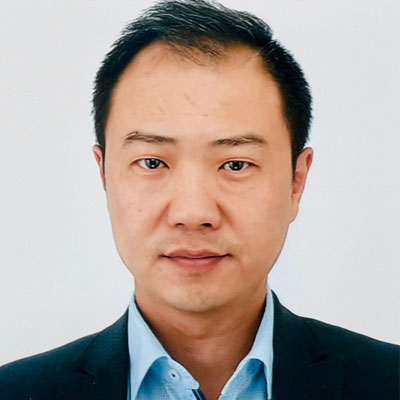
By Joey Wong, Director of Investor Research, Hong Kong BD, LSN
In this interview, Toru Jay Seo, Founder of Newsight Tech Angels, shares how the RESI conference series has become a reliable source for discovering high-potential early-stage life science startups.
Toru highlights that RESI’s structured partnering, global pipeline, and clear alignment by sector and stage have directly contributed to several of his firm’s investments.
He also reflects on the qualities he looks for in scientific founders, the value of clear communication during early investor conversations, and how entrepreneurs can best prepare to stand out in settings like RESI.
Attendees voted with their RESI Cash alongside judges’ scores to determine this year’s winners.
By Claire Jeong, Chief Conference Officer, Vice President of Investor Research, Asia BD, LSN
Life Science Nation is pleased to announce the winners of the Innovator’s Pitch Challenge (IPC) at RESI London 2025. This year’s competition featured 26 participating companies, each showcasing early-stage technologies to a panel of experienced investors and an audience of global attendees.
The IPC remains a cornerstone of every RESI conference, allowing founders to present to a coordinated group of investors who provide interactive questions and valuable feedback. Attendees cast votes using their RESI Cash, which was combined with judges’ assessments to select this year’s top companies.
Congratulations to the RESI London 2025 IPC winners:
These companies stood out among a highly competitive group of innovators spanning therapeutics, medical devices, diagnostics, and digital health.
Congratulations, as well, to the companies from each session who received the highest judges scores:
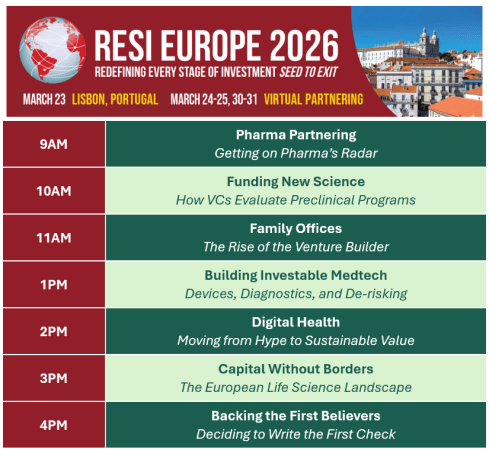
Looking ahead: Applications are now open for Life Science Nation’s next European conference, taking place in Portugal on March 23, 2026. Companies interested in pitching can applyhere.
As Brisbane’s next wave of MedTech companies prepares to take the global stage at J.P. Morgan Healthcare Week in January 2026, the international investment community is paying closer attention to a city rapidly emerging as an Asia Pacific life sciences powerhouse.
Brisbane’s A$201 billion economy is anchored by a A$22 billion health sector, fuelled by strong population growth and a purposeful pipeline of public and private investment.
As Australia’s fastest-growing major city, Brisbane is being reshaped by an A$18 billion health infrastructure pipeline, creating the largest interconnected health precinct in the Southern Hemisphere, spanning hospitals, universities and innovation hubs.
This momentum is translating directly into commercial strength. Brisbane’s health industry and export capability are expanding faster than anywhere else in Australia, supported by world-class research institutions such as The University of Queensland.
Turning innovation into investment
At the centre of this growth sits the MedTech Global Accelerator, delivered by Brisbane Economic Development Agency (BEDA) in partnership with Life Science Nation (LSN). The program prepares founders to launch a global funding campaign through commercial readiness and direct international investor engagement.
Since launch, the accelerator has supported more than 30 high-potential companies to raise over A$336 million in capital.
Collectively, these companies represent Brisbane’s next generation of globally scalable health technologies as they prepare to showcase to international investors in San Francisco in January 2026.
Join the Brisbane, Queensland Investor Innovation Showcase on Monday, 12 January 2026, 9am–12pm, at Marriott Marquis, in collaboration with Trade and Investment Queensland and LSN.
BEDA serves as one of the front doors to Australia’s rapidly expanding clinical trial ecosystem, connecting partners to Queensland’s world-class trial sites, hospitals, universities and research institutions. Through this statewide, highly networked framework, BEDA helps fast track access to clinical research capabilities from Phase I to Phase IV.
Why global investors are watching Brisbane, Australia:
43.5% R&D tax incentive
Clinical trials run up to 3x faster than USA, 2x faster than UK
Variable payroll tax rates in Australia
Closest export hub to Asia
Fastest planning approval on Australia’s east coast
Host of the 2032 Olympic & Paralympic Games
Top 40 Innovation City worldwide
Highest innovation hub density in Australia (140 per capita)
Direct access to Asia Pacific markets
Health sector projected to grow 36% by 2032
Leading clinical trials: 160+ sites, 40 CROs statewide
With world-class research, deep clinical capability and fast-growing commercial opportunities, Brisbane is positioning itself as one of the most compelling gateways to Asia Pacific health innovation, and a city where early investment could deliver significant global reach.
BEDA CEO Anthony Ryan said Brisbane’s MedTech ecosystem has accelerated at remarkable pace.
“Brisbane has grown up fast as a MedTech city,” Mr Ryan said.
“Today, everything connects in one place, from research and hospitals through to manufacturing and global investors. That full pathway is what makes this such a powerful time to be building and investing here.”
He said global attention is now firmly on Brisbane. “We are seeing serious interest from around the world,” he added. “The infrastructure is ready, the talent is here and the companies coming through our accelerator are built to compete globally.”
Infrastructure driving faster translation
Brisbane’s Inner-City Knowledge Corridor serves as the heart of the city’s research and development, linking together institutions involved in research, hospitals, clinical care, manufacturing, and commercial activities.
Combined with Brisbane Airport, this corridor forms a “golden triangle,” connecting research and development to export opportunities and giving businesses access to the vast $90 trillion Asia Pacific market.
Together, these assets enable companies to move from discovery to clinical validation and commercial manufacturing within a single urban corridor – accelerating collaboration, speed to market and global scalability.
By our count, there are now 15 bi-specific antibodies approved by the US Food and Drug Administration (the last peer-reviewed count from 2024 we found chalked up 13). This year has been a bumper year for bi-specifics — antibodies that recognize two molecular targets. Several of 2025’s largest deals have involved assets in this class, including Genmab’s $8 billion acquisition of Merus in September and Takeda’s $11.4 billion splurge on an anti-Claudin18.2 bi-specific antibody and antibody-drug conjugate (ADC) from Innovent Biologics.
Not only is this trend likely to continue, but we predict that it will expand to encompass tri- and multi-specific antibodies, the development of which is an area of intense research activity. Just a couple of weeks ago, South Korea’s Celltrion clinched a $155 million (biobucks) deal for TriOar’s tri-specific ADCs for cold tumors. And at the SITC meeting last month (which we covered in issue 19) tri-specifics were highlighted by no less than five companies: Nextpoint (B7-H7 x CD3 x TMIGD2), CrossBow (cathepsin G peptide x CD3 x CD28), TJ Biopharma (CDCP1 x CD3 x 4-1BB), Biocytogen (DLL3 x CD3 x 4-1BB) and Radiant Therapeutics (potentially tri-specific/trivalent).
Building an antibody that recognizes three or more targets at the same time is not trivial, though. There are multiple technical, clinical and regulatory hurdles that developers need to overcome before the antibody reaches patients. Why, then, go through the trouble of creating a multi-specific antibody when a bi-specific may show clinical benefit? As it turns out, there are several reasons why a multi-specific antibody may be worth the effort.
Bi-specific T-cell engagers (TCEs) trigger two signals required for T-cell activation: recognition of the tumor antigen by the TCR and a co-stimulatory signal provided by nearby antigen-presenting cells (APCs) acting through a receptor such as CD28, CD2 and 4-1BB. Cold tumor microenvironments lack the second signal, which can be replaced by a TCE. Source: Biocentury
First, as tumors often escape by downregulating or mutating a single target epitope, a multi-specific antibody may reduce the likelihood of escape by simultaneously targeting multiple tumor antigens. Second, multi-specifics could increase safety and reduce toxicity of a therapy. For example, a multi-specific antibody can be designed to require co-expression of two or more antigens on the same cell to bind effectively. Healthy cells expressing only one antigen would be spared, thereby reducing off-tumor toxicity. Similarly, targeting multiple mechanisms with a single antibody may reduce the need to use several separate drugs, simplifying dosing and reducing risks for patients. Third, and perhaps most important, a multi-specific antibody can simultaneously block several disease pathways, yielding synergistic effects that a bi-specific might not achieve. In solid tumors, for example, tumor heterogeneity, limited immune-cell infiltration and an immunosuppressive microenvironment often result in therapeutic failure. Multi-specific antibodies could combine tumor targeting, immune-cell recruitment and checkpoint modulation in a single molecule.
Perhaps the best example of this comes from the field of T-cell engagers (TCEs). A tri-specific antibody can incorporate not only tumor-cell binding and CD3 engagement, but also a co-stimulatory domain, such as CD28. This can boost T-cell activation, persistence and potency more than a bi-specific that only binds to CD3.
In this regard, a recent paper in PNAS is an excellent example of the power of the approach. A research team from EvolveImmune Therapeutics reports on the development of EVOLVE, a next-generation TCE that integrates CD3 binding with CD2-mediated co-stimulation to enhance T-cell activation, durability and tumor-killing capacity, while avoiding target-independent toxicity.
Conventional CD3-bi-specific TCEs activate T cells through a stimulation signal but often fail to provide the complementary co-stimulation necessary for sustained effector function. This can result in T-cell dysfunction, reduced persistence and limited clinical durability. To address this, Jeremy Myers and his colleagues systematically compared multiple costimulatory pathways and identified CD2 as a superior target owing to its broad expression on naïve, activated and exhausted CD8⁺ T cells, and its sustained expression within tumor-infiltrating lymphocytes.
Expression data (red) and MHC class I/II (orange) data fromDICE and Human Protein Atlas databases suggest that CD2 co-stimulation by CD58 is superior to other costimulatory receptor-ligand pairs (CD80–CD28, 4-1BBL-4–1BB or TNFSF9–TNFRSF9). Source: PNAS.
The team engineered tri-specific antibodies that fuse a CD58 extracellular domain (the natural CD2 ligand — Lymphocyte Function-Associated Antigen 3;LFA-3) to affinity-tuned CD3 binders within an IgG-like format. They showed that integrated CD2 co-stimulation substantially improves T-cell viability, proliferation, cytokine production and cytotoxicity across tumor types.
When optimizing the molecule, they found that CD3 affinity must be attenuated: high-affinity CD3 domains cause target-independent T-cell activation and cytokine release (superagonism), whereas intermediate-affinity variants retain potent tumor-directed killing with reduced off-target activation.
The EVOLVE tri-specifics outperformed matched bi-specifics targeting HER2, ULBP2, CD20 and B7-H4, with increases up to >50-fold in potency, depending on the target. The optimized tri-specifics also showed superior tumor control in vivo, achieving durable tumor regression in humanized mouse models even after cessation of the treatment.
Even though tri- and multi-specific antibodies could offer clear advantages over bi-specifics, they are not without problems. From the technical standpoint, multi-specifics combine multiple binding specificities and often non-natural architectures. This feature increases complexity at every step from discovery to manufacturing. The assembly of IgG-like multi-specifics can result in heavy/light and heavy/heavy chain mispairing leading to heterogeneous products. Although antibody engineers have come up with strategies to address this issue, each solution adds constraints to developability.
Multi-specific antibodies can also have lower expression, cause more host-cell stress and require more advanced cell-line engineering or multi-vector expression systems. Moreover, downstream purification often needs additional steps to separate mis-paired species. Similarly, multi-specific antibodies are often less stable, more aggregation-prone, and more sensitive to formulation conditions, impacting shelf life and immunogenicity risk.
It is also important to show identity, purity and functional activity for each specificity and for the multi-specific activity (that is, simultaneous binding, cell-bridging). So, establishing robust potency assays is often the greatest challenge. What is a good model system to design a development candidate going after several targets at the same time? With each additional binder, complexity in discovery and development increases.
From the clinical standpoint, although multi-specifics can potentially be safer than bi-specific antibodies, as we mentioned above, other toxicological risks exist.
TCEs have been known to trigger cytokine-release syndrome, neurotoxicity, or unexpected tissue toxicity if targets are expressed on normal tissues. First-in-human dosing strategies are therefore critical. Moreover, multi-specifics may have non-linear pharmacokinetics (target-mediated clearance for each target), and dual-target engagement can alter distribution and half-life; selecting a safe, effective dose requires integrated PK/PD modeling and biomarker strategy.
And the headaches don’t stop there. Efficacy of a multi-specific may depend on co-expression of two or more targets. Stratifying patients may therefore complicate trial enrollment and endpoint definition, not to mention that it may be necessary to develop companion diagnostics (already expensive and complex for conventional monoclonal antibodies). And related to this point, when multiple targets are engaged, it can be hard to know which specificity caused an adverse event, complicating risk–benefit evaluation and mitigation.
Finally, from the regulatory perspective, although expectations are still evolving, agencies expect a pharmacological package that reflects multi-specific mechanisms, particularly with regards to toxicology. Regulators routinely require robust control strategies to ensure product consistency. Again, this is going to be more complicated for multi-specifics because small changes in manufacturing can alter pairing or potency.
Multi-specific antibodies are gaining momentum. They represent a potentially powerful technology, but many questions still surround their development. Success may depend on striking the right balance between choosing the appropriate therapeutic indication, identifying the simplest effective format, heavy upfront developability and analytical work, and early interactions with regulators to align on pre-clinical packages.
By Claire Jeong, Chief Conference Officer, Vice President of Investor Research, Asia BD, LSN
Join us for a special showcase of Japan’s most promising early-stage life science innovators at the KLSAP 2025 Demo Day, presented by the Kobe Biomedical Innovation Cluster (KBIC). This dynamic session will feature three finalists from the Kansai Life Science Accelerator Program alongside eight KBIC startups and alumni. Companies will deliver focused pitches highlighting new advances in therapeutics, medical platforms, diagnostics, and digital health, followed by live Q&A with global investors.
Hosted during RESI JPM 2026, this session is an excellent opportunity for investors, BD teams, and innovation scouts looking to connect with high-potential Japanese technologies poised for global expansion.
📅 January 13, 12:00–2:00pm PST
📍 Golden Gate C3 Room, Marriott Marquis San Francisco
Agenda: 12:00–12:03 Opening – KLSAP Overview
12:03–12:45 KLSAP 2025 Demo Day Featuring 3 Finalist Companies (7 minute pitch + 6 minute Q&A with investor panel)
12:45–12:50 KLSAP 2025 Demo Day Closing – KBIC Introduction
By Max Braht, Director of Business Development, LSN
Life Science Nation is pleased to announce the finalists for the Innovator’s Pitch Challenge (IPC) at RESI JPM 2026. Taking place over two full days in San Francisco, RESI JPM will once again bring together early-stage life science and healthcare innovators with a global community of investors seeking opportunities across drugs, devices, diagnostics, and digital health (4Ds).
This year’s IPC will run as a continuous track, with finalists presenting in dedicated sessions held every hour across both days of RESI JPM 2026. These startups will showcase technologies poised to address key challenges across the 4Ds and advance the next generation of healthcare innovation.
The IPC gives founders a rare opportunity to pitch directly to active investors, including VCs, family offices, corporate venture groups, and angel networks. Presenting companies receive actionable feedback, participate in meaningful conversations with investors, and gain visibility among the hundreds of attendees in the RESI partnering community.
Finalists will also present their technologies in the RESI Exhibition Hall, creating additional touchpoints for networking and ongoing discussion throughout the conference.
About the RESI Innovator’s Pitch Challenge
The IPC remains a defining element of all RESI conferences. Each pitch session brings together a coordinated panel of investors who deliver interactive, constructive feedback designed to help founders refine their fundraising narrative. IPC participants receive conference registration with full access to partnering, exhibit space in the RESI Exhibition Hall, and the opportunity to compete for a complimentary registration to a future RESI event.
Join Us at RESI JPM 2026
RESI JPM 2026 will feature a two-day, in-person experience in San Francisco, offering expanded opportunities for partnering, investor panels, workshops, networking, and an IPC track running every hour across both days. Full event details, including registration and program updates, can be found at the RESI Conference website.
Meet the RESI JPM 2026 Innovator’s Pitch Challenge Finalists:
A venture capital firm with offices in the U.S. and Europe, with a dual-fund structure, invests across several industries, with one of its focuses in healthtech and medtech. The firm’s sweet spot on early-stage companies, focused on Pre-seed to Series A, with potential follow-on investment in Series B. Typical check sizes range from $ 500K – $ 3M. Geographically, the firm is open to opportunities globally and does not have a preference for leading or co-investing in rounds.
Within life science and healthcare, the firm is interested in Medical Devices through a 4-Pillar focus: (1) Early detection technologies, (2) Robotics, automation, precision medicine, and minimally invasive devices, (3) Digital health and applications, (4) Brain–computer interface
Traditional biotech therapeutics is generally not of interest. The firm is agnostic in terms of indications/disease areas.
If you are interested in more information about this investor and other investors tracked by LSN, please email salescore@lifesciencenation.com.
The firm is focused on therapeutics companies and does not invest in medical devices, diagnostics, or digital health. The firm is open to considering assets of very early stages, even those as early as lead optimization phase. The firm considers various modalities, including antibodies, small molecules, and cell therapy. Currently, the firm is not interested in gene therapy. Indication-wise, the firm is most interested in oncology and autoimmune diseases but has recently looked at fibrotic diseases and certain rare diseases as well.
The firm is opportunistic across all subsectors of healthcare. Within MedTech, the firm is most interested in medical devices, artificial intelligence, robotics, and mobile health. The firm is seeking post-prototype innovations that are FDA cleared or are close to receiving clearance. Within therapeutics, the firm is interested in therapeutics for large disease markets such as oncology, neurology, and metabolic diseases. The firm is open to all modalities with a special interest in immunotherapy and cell therapy.
A strategic investment firm of a large global pharmaceutical makes investments ranging from $5 million to $30 million, acting either as a sole investor or within a syndicate. The firm is open to considering therapeutic opportunities globally, but only if the company is pursuing a market opportunity in the USA and is in dialogue with the US FDA.
The firm is currently looking for new investment opportunities in enterprise software, medical devices, and the healthcare IT space. The firm will invest in 510k devices and healthcare IT companies, and it is very opportunistic in terms of indications. In the past, the firm was active in medical device companies developing dental devices, endovascular innovation devices, and women’s health devices.
A venture capital firm founded in 2005 has multiple offices throughout Asia, New York, and San Diego. The firm has closed its fifth fund in 2017 and is currently raising a sixth fund, which the firm is targeting to be the largest fund to date. The firm continues to actively seek investment opportunities across a […]