
By Claire Jeong, Chief Conference Officer, Vice President of Investor Research, Asia BD, LSN

With RESI San Diego 2026 just two weeks away, taking place on Monday, June 22, at JULEP Venue San Diego, we are excited to showcase a strong cohort of innovative life science companies and technologies from Japan.
As Title Sponsor of RESI San Diego 2026, Kobe Biomedical Innovation Cluster (KBIC) is organizing 2 incredible afternoon sessions featuring promising innovations that are being developed in Japan. We welcome you all to join and learn more about what Japan’s life science ecosystem has to offer.
Space is limited, so we ask that you RSVP to confirm your attendance.
| RSVP to Confirm Attendance |
1:00 – 3:00pm | KBIC Session –– Japan Life Science Showcase ––
 KBIC is Japan’s largest leading biomedical cluster, bringing together approximately 350 companies, medical institutions, and research organizations.
Within this ecosystem, many startups are actively advancing R&D activities and working diligently toward commercialization on a daily basis.
As part of this exciting network, KBIC will host pitches from eight startups that are particularly eager to engage with overseas investors and licensing partners, and that are well prepared for such international collaboration.
In addition, leading venture capital firms in Japan and the representative of Ministry of Economy, Trade and Industry will speak about the current investment landscape as well as their perspectives on the future of the Japanese startup ecosystem.
 |
 |
 |
 |
 |
 |
 |
 |
3:00 – 4:00pm | Kyoto-iCAP Session –– Translating Kyoto Science into Global Ventures ––

Kyoto University Innovation Capital Co., Ltd. (Kyoto-iCAP) and Kyoto University will introduce Kyoto’s growing biotech innovation ecosystem and showcase emerging life science ventures developing transformative technologies in regenerative medicine, cell therapy, nephrology, pain treatment and radiopharmaceuticals. The session is designed to foster connections between global investors, strategic partners, and leading Kyoto University-originated startups.
 |
 |
 |
 |
 |
|
Featured Interview: Dr. Narumiya, President of FBRI, shares his insights about Kobe and KBIC’s strengths and their role in strengthening the life science ecosystem in Japan.
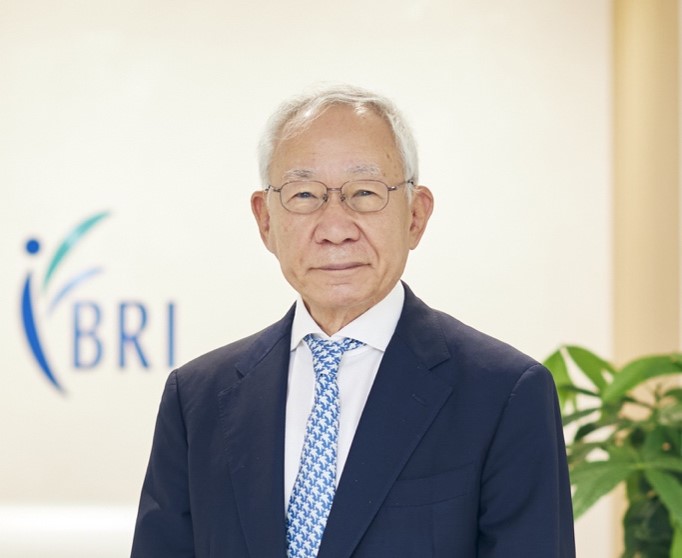
Dr. Shuh Narumiya, President of Foundation for Biomedical Research and Innovation at Kobe (FBRI)
What is Kobe? What is KBIC?
Kobe is a port city and is now emerging as a key hub for startup creation and accumulation in Japan, particularly in bioscience and medicine. At the center of this ecosystem is the Kobe Biomedical Innovation Cluster (KBIC). In KBIC, you can meet institutes with Japan’s cutting-edge research, distinguished hospitals, research institutes of international Pharmas and start-ups, thus KBIC serving you as a “gateway to Japanese science and innovation”.
What science and innovation were and are being created in KBIC?
Science and innovation covered in KBIC span from drug discovery, regenerative medicine, digital health, and medical instruments and devices to bio-manufacturing. KBIC holds a distinctive position in regenerative medicine and cell therapy. It has, for example, nurtured and developed application of iPS cell research, leading to transplantation of iPSC-derived retinal cells in 2014, the world’s first clinical application, and the world’s first regulatory approval of iPSC-derived cells for a Parkinson’s disease treatment in 2026.
What are other advantages of KBIC?
Kobe is a part of Kansai region, an area of most distinguished life science research in Japan. Collaboration within the Kansai region is another strength of KBIC. Particularly, through partnerships with Kyoto University Innovation Capital (iCAP), KBIC supports the creation and growth of university spin-outs, combining Kyoto University’s research excellence with Kobe’s commercialization capabilities and vice versa.
What are the current state and issues of start-ups in Japan?
Today, Japan’s startup ecosystem—especially in the bio and life sciences sectors—is more vibrant than ever, producing a wealth of internationally competitive research and innovation seeds. However, these achievements are not yet fully recognized overseas, and many promising discoveries are still struggling for support to translate into commercial success. Bridging this gap is one of KBIC’s core roles.
Japan’s startups are now shifting from a domestically focused model to global expansion. In this transition, building international connections is critical. KBIC serves as a practical gateway for this purpose, offering integrated support from R&D to commercialization, fundraising, and global market entry.