Category: Redefining Every Stage Investments (RESI)
The Redefining Every Stage Investments (RESI) Conference is an ongoing conference series that provides an international venue for life science companies across Biotech, Medtech, Diagnostics and Healthcare IT and to source investors from around the globe, create relationships, and eventually, secure funding.
Previous articles have provided overviews of innovation and investors in the cardiovascular, oncology, and neurology sectors. Infectious disease is also a major field of innovation; LSN researchers track 567 clinical-stage therapeutics globally that are targeting an infectious or parasitic disease.
Perhaps the most striking distinction of the infectious disease space, compared with sectors we’ve examined previously, is its breadth. The nature of the infectious disease field is one of constant change and local variation, with researchers focused on a multiplying array of threats throughout the world.
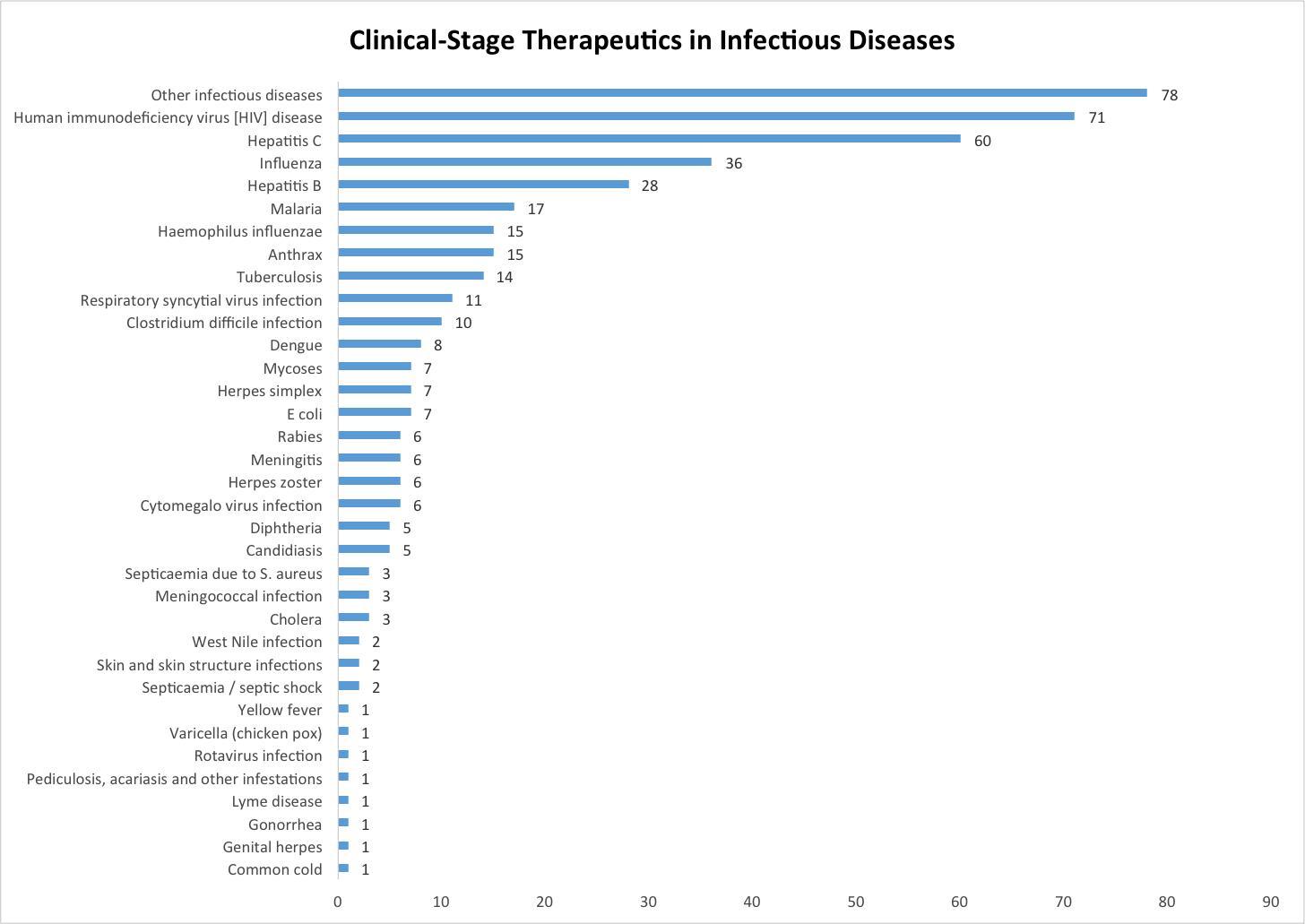
In fact, if we take a look at the specific diseases targeted by these innovations, the largest single category is “other.” This stands in contrast to fields where innovation is primarily focused on a few major unmet needs, such as Alzheimer’s in neurology. That said, some infectious diseases, such as HIV and hepatitis C, do have thriving pipelines. (See Figure 1.)
Figure 1 | Source: LSN Company Platform, Data as of February 4, 2015
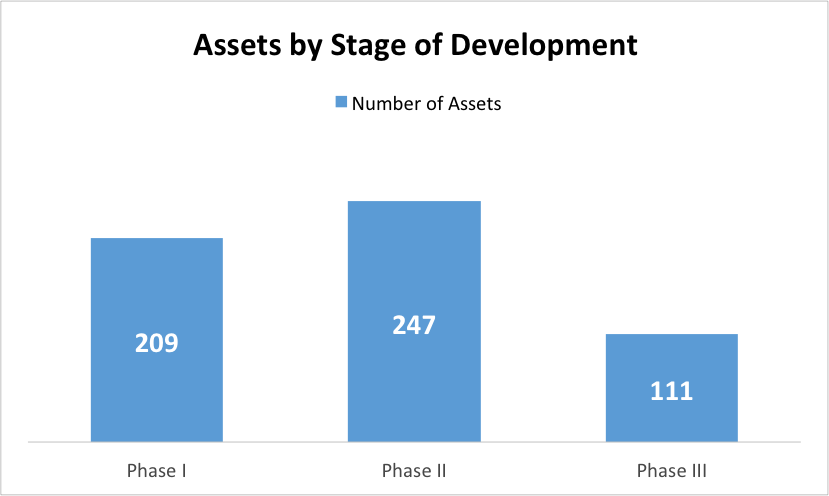
The assets covered by Figure 1 range from those that have only recently entered clinical trials to products close to achieving market approval. Of these assets, the greatest number are currently in Phase II. (See Figure 2.)
Figure 2 | Source: LSN Company Platform, Data as of February 4, 2015
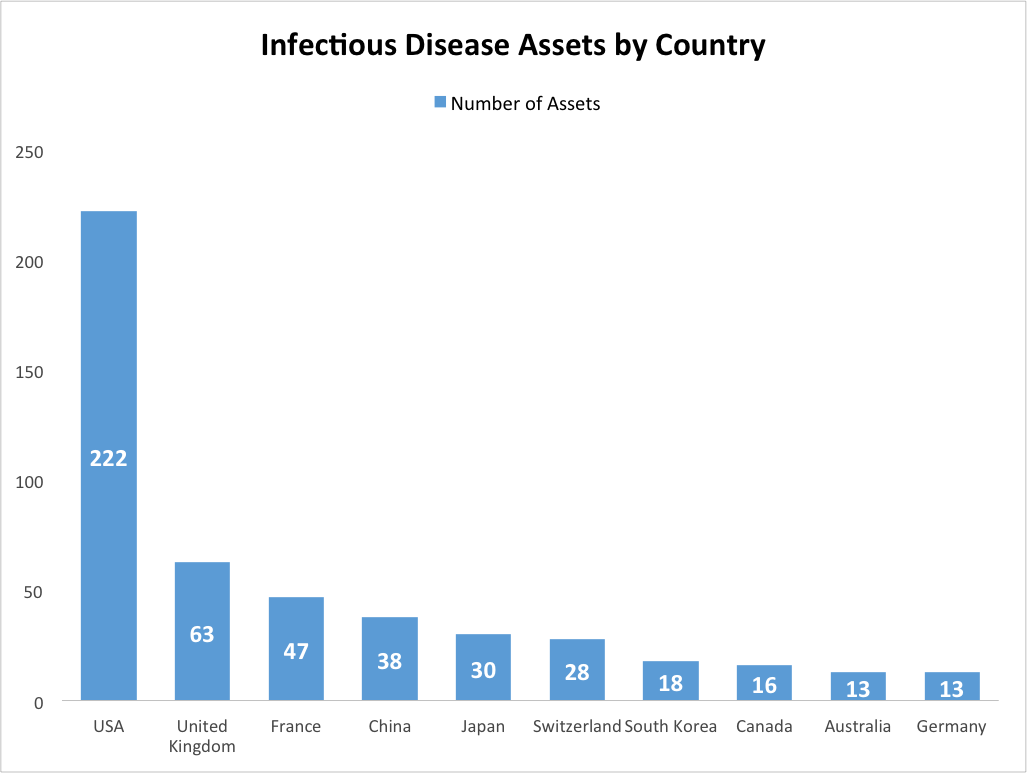
Infectious disease innovations are coming from a number of countries. The U.S. leads the world in infectious disease assets, however, the UK, France, and the Asia-Pacific region also have strength in this field. (See Figure 3.)
Figure 3 | Source: LSN Company Platform, Data as of February 4, 2015
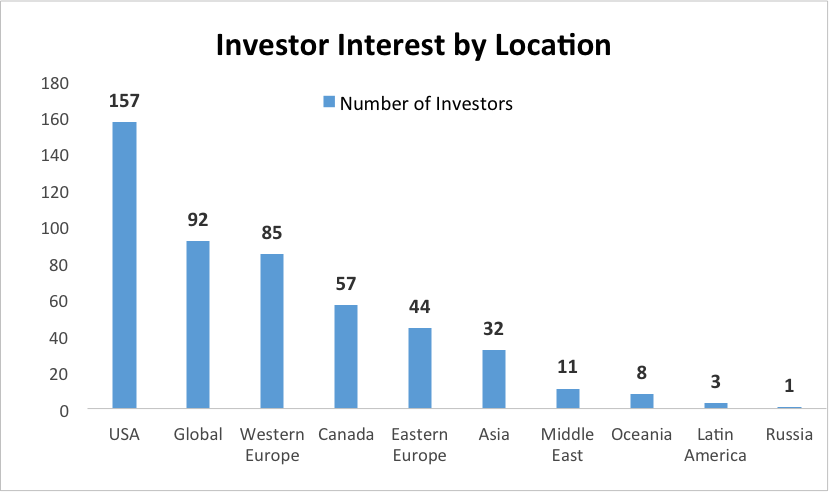
LSN researchers have interviewed more than 300 investors who are interested in this field, and many are interested in companies worldwide. (See Figure 4.)
Figure 4 | Source: LSN Investor Platform, Data as of February 4, 2015
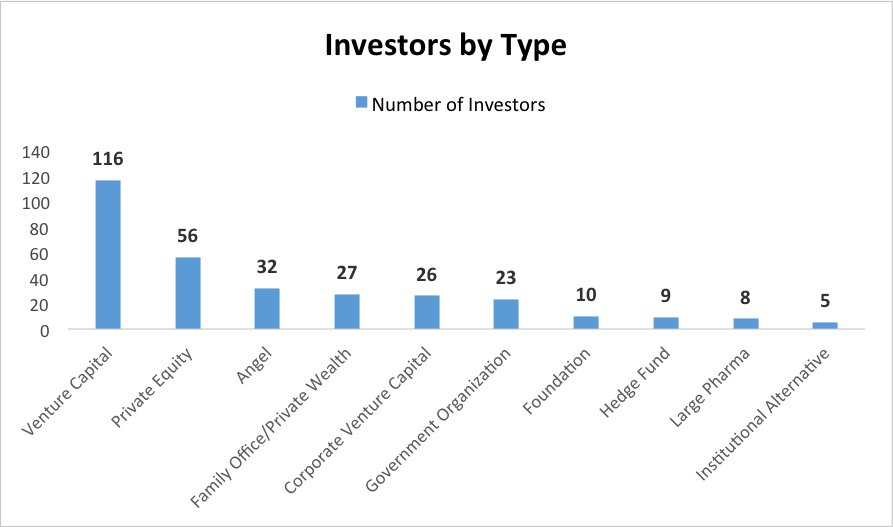
Similarly, we see investors of every type that LSN classifies as active in the infectious disease field. (See Figure 5.)
Figure 5 | Source: LSN Investor Platform, Data as of February 4, 2015
As you can see, there’s no shortage of investors looking into the infectious disease field. Venture capital and private equity funds are interested in the potential return on investment from infectious disease cures; recent blockbuster drugs in the hepatitis C field have demonstrated how much profit can be made from tackling infection. Many government organizations fund infectious disease technologies due to an interest in bio-security and public health. We also discovered last week that infectious disease is one of the top ten areas for venture philanthropy foundations that fund start-up companies; many major global health charities are interested in working with start-ups in this field.
Infectious disease research focuses on fighting urgent and widespread needs, and we find that many investors are willing to take on the challenges of this field.
By Nono Hu, Senior Manager, Branding & Messaging, LSN
This week, LSN published the RESI 4 Medical Device Strategics Panel video featuring five investment experts from top tier, global, medical device companies. The panel was designed to educate entrepreneurs on what kinds of innovative technologies these giants are looking for, and how to reach out to a strategic medtech investor about your innovative device technology. In this panel, several valuable questions were answered by the panelists, including: What distinctions are there between VC and strategic investing? How early in development process do you get involved with early stage companies? How do companies approach you, and can you provide examples of early-stage deals you’ve made recently? How should entrepreneurs find out what technologies you are interested in?
Check out the 45 minute video to learn more!
Moderator: Paul Grand, Managing Director, RCT Ventures
Panelists:
Albert Lauritano, Director, Strategic Technology Partnerships, Becton Dickinson
LSN researchers recently decided to take a deep dive into interviews we have held with venture philanthropy groups from around the world to see what the future likely has in store. After analyzing data gathered over the past three years from more than 150 investors, we uncovered a few notable trends.
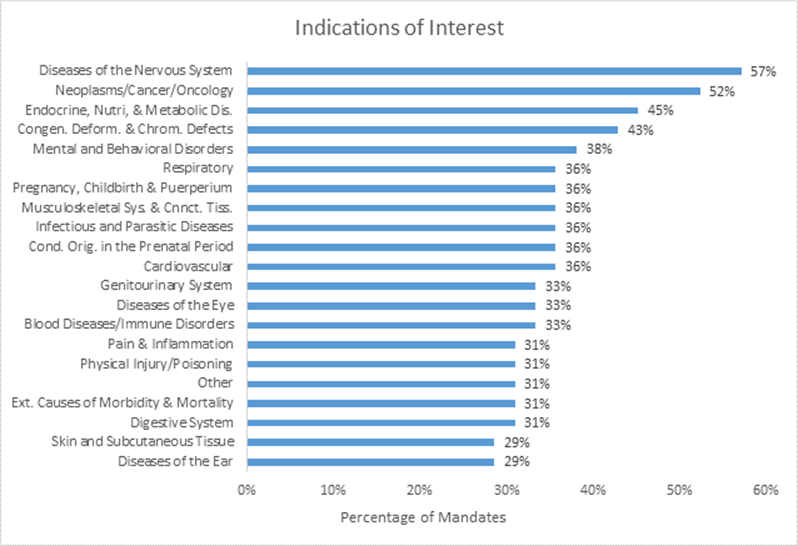
Diseases of the nervous system is the indication area with the greatest amount of interest from venture philanthropy investors. (See Figure 1.) This is likely a result of the notoriously high risk in this sector, stemming from a lack of accurate animal models that can serve as a viable gauge for human efficacy and safety. This heightened uncertainty drives many venture capital and other financially motivated investors away from the sector entirely, leaving a gap that venture philanthropy organizations hope to fill. Additionally, there are a massive number of unmet needs in the space, particularly with respect to diseases such as Alzheimer’s, the prevalence of which is increasing as the overall age of the population increases.
Figure 1 | Source: LSN Investor Platform, Data as of January 27, 2015
Oncology comes in second in terms of interest from venture philanthropy investors. Their interest is driven in part by the massive and growing need for improved treatment options in this indication area, particularly in orphan forms of cancer, some of which have foundations with venture arms that invest specifically in that field.
In third place, we have endocrine, nutritional, and metabolic disorders, driven by the number of diabetes-focused venture-philanthropy groups. And in fourth place, we have congenital deformities and chromosomal defects, also largely driven by foundations looking to fund companies targeting orphan diseases such as Duchenne muscular dystrophy, whose underlying cause can be tracked to genetic mutations.
Early Investments
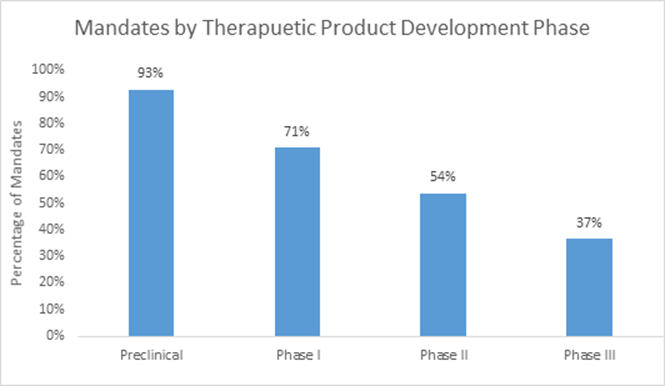
The largest percentage of venture philanthropy groups are looking to invest at the earliest phases of product development. (See Figures 2 and 3.) Other investors, and investors as a group, usually look for companies in Phase I of development for therapeutics and in the clinical stage for devices. However, because the primary motive of venture philanthropy investors is to improving patient care, they focus their efforts on the stages where capital is most lacking and innovation most prevalent.
Figure 2 | Source: LSN Investor Platform, Data as of January 27, 2015Figure 3 | Source: LSN Investor Platform, Data as of January 27, 2015
Oftentimes, venture philanthropy investors view their allocations as a catalyst: an investment to help companies get the level of data required to become attractive to other institutional investors. Very few of these firms have the capital available to fund product development completely through commercialization; however, the capital they can provide in conjunction with their expertise and connections (to both providers and patients within the target area) makes these investors an invaluable resource to early stage companies.
Significant Allocations and Equity Positions
Another interesting metric to consider in the venture philanthropy landscape is the size and types of funding from these groups. (See Figure 4.) With nearly 50% of all venture philanthropy investors LSN has spoken with looking to make allocations of $1 million or more, it becomes clear that these groups are providing significant funding. Historically, these types of organizations have focused on financing academic and industry research through smaller grants and other forms of nondilutive funding. However, after years and years of their previously funded technologies not making it to the bedsides of patients, many have taken the challenge of funding research to a larger scale to deliver a more significant impact on patient care.
Figure 4 | Source: LSN Investor Platform, Data as of January 27, 2015
The foundations that have begun to dive into this realm of venture philanthropy do not look to provide purely nondilutive funding, however. More than 75% of the venture philanthropy investors we have interviewed that are providing $1 million or more are looking to take an equity position in the companies they allocate to. Granted, they are likely going to offer more favorable terms than a financially motivated investor; however, they are looking for equity. The model we have seen most frequently is one of an evergreen fund structure, where the firm invests in companies, takes an equity position, and any return that comes from those investments is then recycled back into the fund, allowing the group to further advance the standard of care in their indication.
Venture philanthropy is definitely of growing significance in the early stage of the life science investment ecosystem. As these groups evolve and new models for advancing care become utilized, it is highly valuable as a fundraising entrepreneur to be aware of all the players relevant to your technology. Given that they are capable of providing expertise, patients, invaluable connections, and, more recently, significant amounts of capital, companies that form strategic relationships with relevant philanthropic groups can undoubtedly be served well in most aspects of development.
NextPhase has published numerous articles on venture philanthropy funding. You can find them on our website here and here.
By Alejandro Zamorano, VP of Business Development, LSN
LSN maintains regular dialogue with a broad spectrum of contract research organizations (CROs) – from top-tier full service organizations, to small niche-specialized research companies; some are customers of the LSN Company Platform, and others are friends. Every year we talk to hundreds of business executives in the field. Based on our market insight, here are the top trends we see in 2015.
The Monetization of Data
CROs are beginning to realize the power of their clinical data after years of ignoring this information. Some established CROs are even monetizing their data set by anonymizing the data, providing incredible insight to researchers. This should also help companies on deciding when a trial should be killed, and whether a drug is a worth pursuing when a sub-population seems to respond the treatment. In an ideal world all clinical data should be standardized for analysis, but this is a great first step.
The Death of the Undifferentiated CRO
The CRO industry has exploded over the past 5 years, and competition is fierce. By searching the LSN Company Platform, one can find profiles of 859 clinical trial providers globally. Standing out amongst the vast herd is becoming harder, and most are competing on location, speed and increasingly price. In order to stay competitive sales teams have started to target biotech companies as early as the discovery stage, in order to form a relationship before others come knocking on the door.
To differentiate themselves CROs are developing and in-licensing unique technology platforms such as unique analytics, manufacturing capabilities, animal models, and biologic expression technologies. In 2015, don’t be surprised if CROs start competing with big pharma for access to these unique technology platforms.
The Search for Patients
Finding patients is often the hardest part in putting together a clinical trial, especially if the trial is in a rare disease field. Today CROs are looking to partner with diagnostic companies to identify specific patient populations for future studies. This close collaboration between diagnostic companies and CROs will change the manner in which the industry conducts its business, and will reap huge benefit to patients looking for access new therapeutics.
Exclusive Agreements with Big Pharma
The majority of R&D expenditure is consumed by big pharma and some CROs are tired of competing with others for a slice of the pie. Thus, larger CROs that have the necessary capacity have started to offer their biggest customers massive benefits to form exclusive partnerships. These include reduced pricing, full time core employees, standardized reporting and analytics, increased transparency, and reserved excess capacity in order to provide services on short notice. The industry is getting more competitive and exclusive structures is just one of the many ways CRO’s are adapting to this environment.
2015 will be an interesting year for CROs, as the increasing competitive nature of the industry will allow only the strongest, most adaptable companies to enjoy market growth. LSN will continue to track the key market dynamics affecting service providers going forward.
By Nono Hu, Senior Manager, Branding & Messaging, LSN
At the fourth Redefining Early Stage Investments (RESI) Conference, LSN put together 16 biotech and medtech investor panels, in which we are featuring five major investors actively investing in and working with therapeutic companies in phase I and phase II of clinical trials. If you have entered into clinical trials (or are preparing to), the panel can help you to understand the keys to positioning your opportunity at this stage and how best to approach investors in the initial outreach. The panelists answered a variety of questions, including: What types of things do you look for in an investment opportunity? Do you prefer companies with a platform approach or those focused on single assets? What do you think of build-to-buy partnerships with big pharma? What company profile is appropriate for venture funding? How do you manage an investment for success? What is the best way to approach you?
Last week, LSN moved its Redefining Early Stage Investment (RESI) Conference series from Boston to San Francisco to partake in the annual migratory life science industry gathering. I am happy to report that RESI 4 was a success. Attendees included over 200 early stage investors, 200 early stage biotech and medtech entrepreneurs and 100 service providers participating in early stage funding panels, partnering and workshops. Forbes made mention of RESI in their coverage of the JPM Healthcare event.
Partnering Forum at RESI 4
The big news is not the size of RESI, but the two compelling constituencies that attended and helped to create such a unique and dynamic event. The first constituency consists of the 10 categories of global investors attending including angel groups, corporate venture capital, foundations, family office and private wealth funds, government organizations, hedge funds, institutional alternative investors, large pharma and medtech companies, private equity firms and venture capital funds. The second constituency, the scientist-entrepreneurs from the biotech and medtech arena, are all actively fundraising and therefore want to be as efficient as possible with their efforts. These fundraising CEOs not only need to meet with investors that are a fit for their stage and sector, but also understand the current investor landscape and how best to navigate within it. Take a look at the program guide and you will understand why RESI is a success and why we are garnering the attention of the industry.
RESI is the only conference that is totally dedicated to mapping out and interacting with the early stage life science investment domain. LSN started RESI because we had determined that there was a need specifically for early stage investment focus. The life science universe is vast and most conferences do a good job at broad industry coverage but RESI wanted to be micro focused. The glut of government funded companies with great data and the wealth of academic and pharma scientists spinning up their own firms called for a place for all to gather on a regular basis.
We hope to add a few more venues to augment the Fall Boston RESI conference and the January JPM event, so stay tuned.
By Nono Hu, Senior Manager, Branding & Messaging, LSN
The Team at LSN is pleased to announce that for our first RESI Conference on the West Coast we will be bringing together over 500 investors, scientist-entrepreneurs, and strategic partners from around the world for a full day of partnering, panels and workshops.
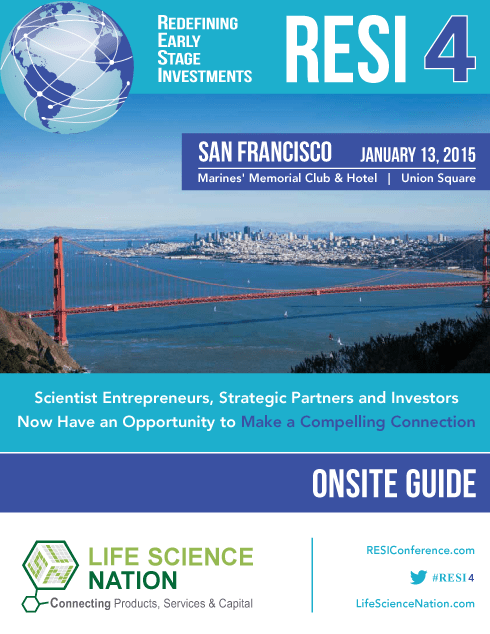
RESI 4 provides a venue for all early stage scientist-entrepreneurs to connect with early stage investors. RESI’s goal is to facilitate dialogues that open compelling relationships between entrepreneurs and investors. These relationships lead to capital allocations which will move science along. In partnership with AdvaMed, the sponsor of RESI’s medtech investor panel track, RESI strengthens its reach into the world of medtech startups and investors. In addition to the new Medtech panel track, RESI 4 will also have a Biotech panel track, hands-on workshops, the RESI Innovation Challenge, and the RESI Partnering Forum.
We’re excited to add so much new content to RESI 4. Check out the RESI Program Guide to learn more! We hope to see you at the Marines’ Memorial Club & Hotel in San Francisco on January 13, 2015.


 Previous articles have provided overviews of innovation and investors in the cardiovascular, oncology, and neurology sectors. Infectious disease is also a major field of innovation; LSN researchers track 567 clinical-stage therapeutics globally that are targeting an infectious or parasitic disease.