Tag Archives: photography

Novotech at RESI JPM: Strategic Early Clinical Development for Biotech Sponsors 

3 Mar

As a sponsor of RESI JPMNovotech joined the RESI community during JPM Week to engage with emerging biotech companies at pivotal stages of development. Marina Mullins, VP of Early Clinical Development at Novotech, shared insight into the company’s biotech-focused model, global execution strategy, and evolving approach to early-phase clinical development. 

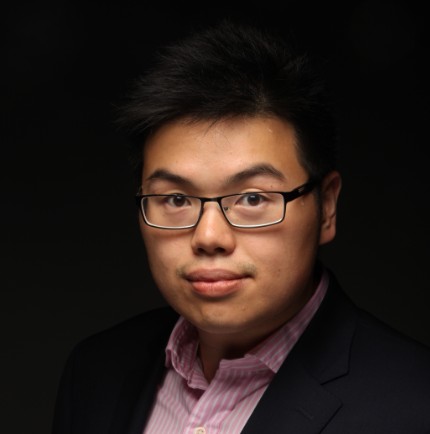
Marina Mullins
CaitiCaitlin Dolegowski

Caitlin Dolegowski (CD): Can you briefly describe Novotech’s mission and core capabilities as a global CRO and scientific advisory partner? 

Marina Mullins(MM) : Novotech is a global full-service clinical research organization and scientific advisory partner focused on accelerating the development of innovative therapeutics for biotech and small- to mid-sized pharmaceutical companies. The company provides integrated clinical trial services across Phase I–IV, with particular strength in early clinical development, regulatory strategy, medical oversight, biometrics, and operational execution. 

With offices across Asia-Pacific, North America, and Europe, and long-standing site partnerships globally, Novotech combines regional expertise with global coordination to support sponsors from preclinical planning through proof-of-concept and beyond. Its model integrates scientific advisory and operational delivery, enabling sponsors to move efficiently from strategy to execution. 

CD: What differentiates Novotech from other CROs in terms of clinical execution, expertise, or client support? 

MM: Novotech differentiates itself through a biotech-centric approach and deep regional execution expertise. Rather than operating as a transactional service provider, the company works as a strategic partner, aligning development strategy with operational planning from the outset. 

Key differentiators include strong early-phase capabilities, particularly in first-in-human and proof-of-concept studies; deep regulatory and operational experience across high-performance regions such as Australia, Asia, and North America; therapeutic expertise spanning oncology, infectious diseases, obesity, CNS, endocrine, rare diseases, and emerging modalities; and a partnership model designed to provide agility, senior oversight, and milestone-aligned execution. 

This integrated structure allows sponsors to make data-driven decisions while maintaining timeline discipline and regulatory alignment. 

CD: How does Novotech’s global footprint support biotech and pharma companies as they advance clinical development? 

MM: Novotech’s global presence enables sponsors to strategically select development regions based on speed, regulatory pathway, patient access, and capital efficiency. 

For example, Australia offers an established regulatory framework that allows certain first-in-human studies to proceed under the Clinical Trial Notification scheme without requiring an Investigational New Drug submission to the U.S. Food and Drug Administration. This can provide an efficient pathway to first patient while maintaining internationally recognized ethical and regulatory standards. 

At the same time, Novotech’s footprint across Asia, North America, and Europe supports seamless program expansion into multi-regional trials. Sponsors benefit from consistent governance, harmonized data standards, and coordinated regulatory strategy as programs advance. 

CD: As a sponsor of RESI during JPM Week, what were your key objectives for participating this year? 

MM: Novotech’s objectives were centered on early engagement and strategic dialogue. The company aimed to connect with emerging biotech companies preparing for first-in-human or proof-of-concept studies, provide guidance on early development strategy and regulatory pathways, explore long-term partnerships beyond single studies, and support investor-backed companies in aligning clinical milestones with financing objectives. 

RESI provided a focused environment to engage with innovative sponsors at critical inflection points in development. 

CD: Who is Novotech most interested in connecting with? 

MM: Novotech is particularly interested in engaging with early- to mid-stage biotech companies transitioning from preclinical to first-in-human studies, and companies seeking an integrated CRO partner that combines regulatory advisory, scientific strategy, and operational execution. The emphasis is on building strategic relationships with sponsors who value early alignment between scientific design, regulatory positioning, and clinical operations. 

CD: Are there particular trends in early clinical development shaping Novotech’s ECD strategy? 

MM: Regulators are placing greater emphasis on optimized dose selection and robust early-phase data packages, increasing the use of adaptive designs, expansion cohorts, and integrated pharmacokinetic and pharmacodynamic modeling in first-in-human studies. 

There is also growing strategic use of healthy volunteer studies, where scientifically appropriate, to better characterize safety, pharmacokinetics, and target engagement before patient expansion. This can reduce downstream risk and improve capital efficiency. 

Biotech sponsors are under pressure to generate milestone-defining data efficiently. As a result, early programs increasingly incorporate translational biomarkers, seamless SAD and MAD structures, and optional proof-of-concept expansion pathways within unified protocol frameworks. 

Together, these trends reinforce a shift toward positioning early clinical development as a strategic foundation for the entire program lifecycle. 

Interested in sponsoring an upcoming RESI conference? 

To explore sponsorship opportunities, please contact resi@lifesciencenation.com. Life Science Nation would welcome the opportunity to meet and discuss organizational goals for connecting with the global RESI investor and innovator community.


RESI Europe and European VC Coalition Seek to Boost EU Biotech Investment 

24 Feb

By Sougato Das, President and COO, LSN

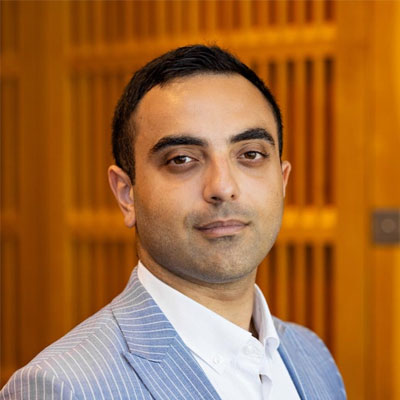
Sougato-Das

RESI Europe is one of the major pieces in the puzzle of how to stimulate biotech and life science investing in Europe. In addition to the largest investor partnering conference coming to Lisbon on March 23, the European Life Sciences Coalition (ELSC), a new alliance of major venture capital firms advocating for increased funding and policy support for Europe’s biotech sector, has launched. The coalition includes leading investors such as Novo Holdings, Sofinnova Partners, Forbion, and Omega Funds, representing a combined €24 billion in life sciences assets and involvement in more than 1,400 companies. It launched in association with Invest Europe, whose 650+ members manage 60% of European private equity and venture capital, totaling €1.25 trillion in assets. Alongside major initiatives like the European Innovation Council, whose funded companies enjoy 50% reimbursement for attending RESI Europe, the ELSC hopes to bring new energy to the entrepreneurial sector of life sciences. 

Despite Europe’s strong pharmaceutical presence—five of the world’s top 10 pharma companies by revenue are European—and the industry supporting 29 million EU jobs, the region struggles to scale and retain biotech and life science innovation. The coalition highlights several challenges: 

  • Fragmented capital markets 
  • Declining numbers of specialized VC firms 
  • Regulatory hurdles 
  • Limited access to growth capital 

Europe accounts for only 7% of global venture capital, compared to 63% for the U.S. and 14% for China. Fortunately, events like RESI Europe create a forum where nearly all of the firms representing the 7% are available for partnering, acting as a facilitator to stimulate European life science investment. The dire need for this is underscored by the fact that nearly all EU-based biotechs that went public last year chose to list outside the EU, highlighting concerns about capital flight. 

ELSC members joined the coalition to help reverse these trends, emphasizing the need for sustained funding from both public and private sources across all stages of life sciences development. Industry leaders argue that Europe must increase investment in innovative medicines and treatments, and create supportive policy frameworks and forums, like RESI Europe, or risk losing access to cutting-edge therapies. The ELSC aims to work with policymakers and leverage Invest Europe’s network to strengthen Europe’s ability to fund and scale biotech innovation domestically.

Register for RESI Europe

RESI IPC Winner VerImmune Advances a New Immuno-Oncology Playbook  

18 Feb

VerImmune is an emerging biotechnology company advancing a novel virus-inspired platform designed to redirect the body’s existing immune memory toward hard-to-treat diseases. The company participated in RESI JPM as part of the Enterprise Singapore delegation, reflecting Singapore’s growing role as a global hub for biomedical innovation and cross-border collaboration. In this conversation, Founder & CEO Joshua Wang shares insights into VerImmune’s scientific approach, clinical ambitions, and momentum following recognition as an Innovator’s Pitch Challenge (IPC) winner. 

Joshua Wang
CaitiCaitlin Dolegowski

Caitlin Dolegowski (CD): For readers who are just discovering VerImmune, how do you describe the company and its scientific focus? 

Joshua Wang (JW): VerImmune is an IND-enabling stage biotechnology company leveraging the natural architecture of viruses to create a self-assembling Virus-inspired Particle (ViP™) platform for targeted therapeutic delivery of diverse payloads for oncology, autoimmunity, and animal health indications

VerImmune’s lead ViP program, VERI-101, is pioneering a new First-in-Class immuno-oncology paradigm that repurposes existing CMV-specific T-cell memory cells (present in ~85% of adults globally) to recognize and eliminate solid and metastatic tumors in a tumor-type-agnostic manner, either as a monotherapy or in combination with existing standards of care.

CD: What unmet medical need are you targeting, and how does your platform or approach differentiate you in the immunology landscape? 

JW: Despite recent blockbuster innovations like checkpoint inhibitors (PD-1/PD-L1) , antibody drug-conjugates and radioligand therapies, resistance to these treatments and other standards-of-care becomes inevitable and cancer recurs. This inevitably creates a large population of post-failure patients with limited to no options.
Hence, the biggest unmet need in oncology remains dealing with such cancer resistance and recurrence.

VerImmune has discovered that within these patient populations, regardless of previous treatment, most patients still retain a robust immunity to viruses.

VerImmune targets this preserved anti-viral immune memory and repurposes it against tumors, bypassing previous mechanisms of immune or genetic resistance.

Since all patients have pre-existing viral immunity (e.g to CMV which is what VERI-101 targets), VerImmune’ s approach represents a distinct and potentially category-defining modality in immuno-oncology, with clear strategic and partnering value in the post-failure setting and most importantly, giving patients one more shot at a treatment opportunity!

CD: What was your experience participating in the Innovator’s Pitch Challenge at RESI JPM? 

JW: As part of the Enterprise Singapore startup delegation from Singapore, participating at the Innovator’s Pitch Challenge at JPM RESI 2026 was a high-impact international opportunity as it occurred alongside 90+ other companies from around the world in a forum with concentrated investor and partner visibility. We were truly honored to win 2nd place which provides further external validation of our science, platform, and commercialization strategy before a global audience.

CD: With so many strong companies presenting, what feedback or reactions stood out to you from judges or attendees? 

JW: Despite a challenging biotech financing environment, which does not favor highly novel new mechanisms and approaches, we were encouraged that judges and attendees acknowledge the strategic logic that the post-PD1/ADC/RLT failure population still retains active anti-viral immunity. They highlighted the novelty of redirecting intact, non-exhausted viral immune memory rather than attempting to generate new anti-tumor immunity or introduce another small-molecule payload, viewing it as a differentiated and refreshing timely approach.

CD: How has RESI JPM helped advance investors, partners, or industry conversations for VerImmune? 

JW: Yes, being recognized as a winner has amplified the visibility of VerImmune’s approach and strengthened its perceived credibility. It has led to increased inbound interest from investors seeking to learn more, rather than relying primarily on outbound outreach.

CD: Where does the company currently stand in terms of funding, partnerships, or key development stages? 

JW: We are currently at the IND-enabling stage whereby we have already had a successful pre-IND meeting with the FDA which confirmed alignment on our planned GLP Toxicology studies and CMC manufacturing scale up to GMP clinical material. We are currently working to build up a syndicate to raise our Series A to close this financing which will advance our lead ViP program- VERI-101 into first-in-human clinical trials.

CD: What milestones or inflection points are most important for VerImmune in the coming months? 

JW: A key milestone is completing our Series A, which will enable full execution of our ongoing IND-enabling activities and transition VerImmune into a clinical-stage company with VERI-101 advancing into first-in-human studies.

The deadline to apply for the Innovator’s Pitch Challenge at RESI Europe has been extended to February 23. Applicants are encouraged to act quickly, as submissions are reviewed on a rolling basis.

Apply to Pitch at RESI Europe 2026

Advancing Women’s Health Diagnostics Through Glycoproteomics: Proseek Bio at the Innovator’s Pitch Challenge 

3 Feb

Interview with Paula Cerqueira, VP of Scientific Strategy

Proseek Bio is advancing a new approach to women’s health diagnostics by translating cutting-edge glycoproteomics into clinically deployable tools. In this interview, Michelle Hill, CEO of Proseek Bio, discusses the company’s focus on ovarian cancer pre-surgical triage, the unmet clinical needs driving its platform, and how participating in the Innovator’s Pitch Challenge at RESI JPM shaped investor conversations as the company prepares for global expansion.

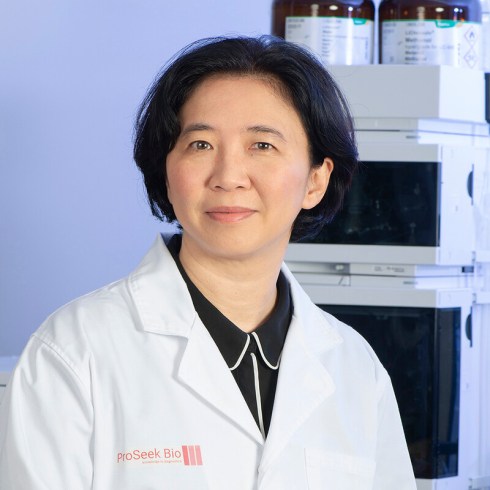
Michelle Hill
CaitiCaitlin Dolegowski

Caitlin Dolegowski (CD): For those unfamiliar with Proseek Bio, how do you describe the company and its core technology or therapeutic focus? 

Michelle Hill (MH): Proseek Bio is an Australian diagnostics company focused on women’s health, developing blood-based tests designed to improve how complex conditions are assessed and managed in clinical practice. Ovarian cancer is our first indication, with an initial focus on pre-surgical triage.

Our platform is built on advanced glycoproteomics, integrating multiple protein biomarkers into a single algorithmic score to support clinical decision-making. Rather than relying on any one marker, this multi-analyte approach reflects the biological complexity of disease and enables more informative risk assessment at critical clinical decision points.

What differentiates Proseek Bio is our strong translational focus. The underlying science has been validated through years of academic and clinical research, and we are now converting that work into regulated, scalable diagnostic products for real-world healthcare systems. By targeting earlier decision points such as triage, we aim to support more appropriate referral and intervention, with a longer-term goal of expanding our platform across additional women’s health indications.

CD: What unmet need are you addressing, and why is now the right time for your approach? 

MH: A key unmet need in women’s health diagnostics is the lack of objective tools that reflect real-time disease biology at early clinical decision points. In ovarian cancer pre-surgical triage, clinicians must assess risk using tests with limited biological resolution, which can lead to unnecessary intervention or delayed specialist referral.

Proseek Bio addresses this gap through glycoproteomics, focusing on the glycans attached to proteins that regulate how those proteins function. While genes indicate what could happen and proteins act as messengers, glycan patterns reveal what disease is actively doing in the body. These modifications change early in cancer and cannot be resolved by genomics or standard immunoassays. By integrating glycan and protein signals into a multi-biomarker signature, our tests aim to deliver more informative risk stratification.

The timing is right because advances in clinical mass spectrometry and data analytics have made this biology clinically scalable, enabling integration into existing laboratory workflows and routine care.

CD: What was your experience participating in the Innovator’s Pitch Challenge at RESI JPM? 

MH: Our first time participating in the Innovator’s Pitch Challenge at RESI JPM was an energising experience. Pitching to a room filled with sophisticated investors and peers reinforced the importance of clear, disciplined storytelling when presenting complex diagnostic technologies.

As part of the Brisbane Economic Development Agency cohort, we were proud to represent Brisbane’s growing life sciences ecosystem. Beyond the pitch, the table showcase led to thoughtful conversations with investors and fellow founders who were genuinely engaged with both the clinical problem and our translational approach.

Overall, the experience was validating and motivating. It confirmed that our focus on clinically deployable diagnostics in women’s health resonates with a global audience, and it was rewarding to see that reflected in the recognition we received.

CD: Out of 94 Innovator’s Pitch Challenge companies, what do you think helped Proseek Bio stand out to judges and attendees? 

MH: Women’s health remains significantly underrepresented in diagnostic innovation, and that focus clearly resonated with judges and attendees. Ovarian cancer, in particular, represents a high-impact unmet need, especially at early clinical decision points such as pre-surgical triage.

Proseek Bio was the only diagnostics company on the podium, reflecting the distinctiveness of our approach. By applying glycoproteomics to analyse glycan and protein signatures together, we deliver a more biologically informative assessment of disease activity while remaining compatible with existing clinical laboratory workflows.

Importantly, we were able to clearly articulate not just the science, but the pathway to a regulated, scalable diagnostic product. That combination of unmet clinical need, novel biology, and disciplined execution helped differentiate Proseek Bio in a very strong field.

CD: How did RESI JPM impact discussions with investors, partners, or potential collaborators? 

MH: Being recognised on the Innovator’s Pitch Challenge podium gave investors immediate confidence in both the opportunity and the discipline behind the company, and it strengthened engagement with potential partners. Overall, RESI JPM acted as a signal amplifier, reinforcing Proseek Bio’s readiness for global investment and collaboration while accelerating meaningful follow-on conversations.

CD: Where does Proseek Bio currently stand in terms of fundraising, partnerships, or development milestones? 

MH: Proseek Bio is currently completing its Seed round to support development of our first product, OC-Triage. This funding is enabling a clinical study, implementation of a quality management system, and ISO accreditation to support pilot manufacturing, alongside evaluation of OC-Triage with Australian clinical laboratory partners.

In parallel, we are preparing for a Series A focused on U.S. market entry. RESI JPM provided an important opportunity to initiate discussions with U.S.-based clinical and laboratory partners, laying the groundwork for future validation and commercial pathways.

Together, these milestones reflect a transition from technology validation to execution as Proseek Bio advances toward regulated, clinically deployable diagnostics in women’s health.

CD: What upcoming achievements or milestones are you most excited to share with the life sciences community? 

MH: Over the coming year, we are focused on completing the OC-Triage product and establishing pilot manufacturing under an ISO-accredited quality system. These milestones represent an important transition from development to regulated production readiness.

In parallel, we are advancing clinical evaluation with laboratory partners, which will be critical in demonstrating real-world performance and scalability. Together, these steps mark a shift from innovation to execution.

What excites us most is seeing years of science translate into something tangible: a product that can be manufactured, validated, and ultimately used to support better clinical decisions for women.

Interested in pitching your company to a highly engaged investor audience focused on early-stage life science innovation? Applications are now open for the Innovator’s Pitch Challenge at RESI Europe. Selected companies receive direct feedback from a dedicated group of investors, access to 1:1 partnering, and visibility with global industry leaders.

Apply to pitch and position your company for meaningful investor conversations.

Apply to Pitch at RESI Europe 2026

Innovator’s Pitch Challenge Spotlight: Sania Therapeutics and a Controllable Approach to Gene Therapy 

27 Jan

Interview with Paula Cerqueira, VP of Scientific Strategy

Sania Therapeutics is developing a next-generation gene therapy platform focused on treating neurological symptoms driven by dysfunctional neural circuits. At RESI London, the company was recognized as a Third-Place winner in the Innovator’s Pitch Challenge and received the highest score from the judging panel, underscoring strong investor interest in its controllable and circuit-specific approach to gene therapy. In this interview, Sania Therapeutics shares its therapeutic focus, differentiated platform, and how participation in RESI has helped shape ongoing conversations with investors and strategic partners. 

Paula Cerqueira
CaitiCaitlin Dolegowski

Caitlin Dolegowski (CD): For those just discovering Sania Therapeutics, how do you describe your company and therapeutic focus?
Paula Cerqueira (PC): Sania Therapeutics is developing a new class of controllable gene therapies designed to treat neurological symptoms driven by dysfunctional neural circuits. Our platform combines localized, low-dose AAV delivery that selectively targets specific neuronal subpopulations with patient-controlled activation, allowing us to precisely modulate hyperactive neurons, improving symptoms without adversely and permanently altering normal neural function. 

Our initial therapeutic target is a motor circuit disorder: spasticity. Our broader goal is to expand into additional motor and sensory indications where current treatment options are limited, invasive, or poorly tolerated. 

CD: What unmet medical need are you addressing, and what differentiates your approach?
PC: Millions of people live with debilitating neurological symptoms such as spasticity and pain disorders, yet existing treatments are often temporary, blunt, or invasive. Oral drugs frequently cause systemic side effects, while interventions like Botox or implanted devices require repeated procedures and provide limited relief. Despite the scale of this unmet need, there has been little meaningful innovation in this area for more than a decade. 

Sania’s approach is differentiated in two key ways. First, our proprietary platform enables selective targeting of the neural circuits that drive disease using localized, low-dose AAV delivery. This approach is intended to support a safer, more sustainable, and more scalable path for gene therapy than traditional systemic delivery. 

Second, our therapy is controllable. Patients can adjust the therapeutic effect using an oral activator, allowing symptom modulation over time. This puts patients in control while enabling precise and flexible therapeutic regulation. 

Our mission at Sania is to bring gene therapy into everyday clinical use by meaningfully improving the lives of people living with neurological conditions. While this is an ambitious goal, for patients who struggle daily with basic activities such as holding a child, we believe this approach has the potential to be truly transformative. 

CD: What was your experience participating in the Innovator’s Pitch Challenge at RESI London?
PC: Participating in the Innovator’s Pitch Challenge at RESI London was an extremely valuable experience. The format encouraged clarity and discipline in how we communicated both our science and long-term vision, and the audience questions reflected a high level of engagement from investors and industry leaders. 

Being recognized as a Third Place (First Place among judges in our session) winner among a strong and diverse group of companies was particularly meaningful, and it reinforced that there is a strong interest in approaches that rethink how gene therapy can be applied beyond ultra-rare indications. 

CD: How has the RESI platform influenced conversations with investors or strategic partners?
PC: RESI offered a valuable opportunity to present our work to a broad set of investors and strategic partners and to test our messaging with a highly informed audience. While many groups are understandably focused on later-stage opportunities, the platform helped us refine our positioning and identify areas of alignment for future conversations as the company progresses. 

Following the Innovator’s Pitch Challenge, we also initiated early, informal conversations that we expect to build on as the company continues to mature. 

CD: Where does Sania Therapeutics currently stand in terms of fundraising or partnerships?
PC: Sania Therapeutics is currently focused on advancing its lead spasticity program and platform toward key preclinical and IND-enabling milestones, while continuing to expand the broader platform supporting multiple motor and sensory indications. 

In parallel, we are building relationships with investors and strategic partners aligned with our long-term vision. As the platform matures and data advances, we expect to raise funding to support clinical entry of our lead program and the continued development of additional programs enabled by the platform, and we welcome conversations with groups interested in engaging early. 

CD: What upcoming milestones are most important for the company?
PC: Our near-term focus is on advancing our lead spasticity program across regulatory and manufacturing activities and initiating IND-enabling studies in 2026. Reaching that point will significantly de-risk the program and position us well as we move this innovative approach toward the clinic. 

In parallel, we are making meaningful progress on platform development to support expansion into additional motor and sensory indications. A key goal for the team this year is to validate our first sensory capsid in vivo, leveraging the same delivery and control principles demonstrated in our lead program. 

Applications are now open for the Innovator’s Pitch Challenge at RESI Europe. Life science and health tech companies seeking targeted feedback from a dedicated group of coordinated investors are encouraged to apply to participate in interactive pitching, partnering, and one-to-one meetings at RESI Europe. 

Apply to Pitch at RESI Europe 2026

Myonerv: RESI London Innovator’s Pitch Challenge Winner Advancing Stroke Rehabilitation

21 Jan

Interview with Sam Kamali, CEO of Myonerv

Myonerv is developing a new approach to stroke rehabilitation that aims to expand access to intensive, effective therapy beyond the clinic. Following their recent win at the Innovator’s Pitch Challenge at RESI London, the team is advancing a wearable neurotechnology designed to help patients regain upper-limb movement through intention-driven stimulation and remote clinical support. We spoke with Myonerv to learn more about the problem they are addressing, their technology, and what comes next as they move toward clinical trials and global partnerships. 

Sam Kamali
CaitiCaitlin Dolegowski

Caitlin Dolegowski (CD): For readers who may be new to Myonerv, how do you describe the company’s mission and core technology?

Sam Kamali (SK): Myonerv is a breakthrough British neurotechnology solution designed to transform stroke rehabilitation through an active, remote-operated wearable medical device that restores movement in patients with post-stroke upper-limb paralysis (paresis). A wearable, non-invasive neurostimulator that helps retrain movement after stroke by detecting a patient’s intention to move and delivering targeted electrical stimulation to augment that movement. This “closed-loop” approach is supported by scientific evidence showing that synchronising stimulation with a person’s voluntary effort can enhance neuroplasticity – the brain’s ability to rewire and relearn lost movements.

Unlike traditional electrical stimulators, Myonerv uses flexible bioelectronic materials to create soft, reusable electrodes that conform comfortably to the arm. The system is designed to be lightweight, easy to apply, and suitable for both clinical and home environments. It will also allow therapists to monitor progress and support patients remotely, helping expand rehabilitation capacity without increasing staff burden.

CD: What problem are you addressing, and why is now the right time for your approach?

SK: Partial paralysis after a Stroke affects 70% of all survivors, approximately 900,000 new patients annually in the UK, DACH and USA. Despite clear evidence that intensive, early, and consistent rehabilitation improves outcomes, most patients in the UK receive only 45 minutes of therapy per day in hospital and as little as 1 hour per week after discharge – far below nationally recommended 3 hours per day. We believe the resulting “plateau” in stroke recovery is not biological, but due to the lack of therapy access and intensity.

Myonerv directly addresses this challenge by developing a first-in-class wearable, closed-loop neurostimulator that enables continuous, intention-driven rehabilitation both in-clinic and at home. It combines bioelectronic sensing, software-assisted control loops, reusable polymer electrodes and remote therapist connectivity (capabilities not currently available in NHS or international markets). The innovation advances beyond the state of the art in its miniaturisation, accuracy, sustainability, and ability to extend clinical rehabilitation into the community setting.

CD: What stood out most to you about competing in—and winning—the Innovator’s Pitch Challenge at RESI London?

SK: “It’s so refreshing to hear such a good pitch, after such a long time”. These were the words that stuck with us from our judge, Soyoung Park, General Partner at 1004 Ventures.

This echoed the depth of excitement from investors throughout the event. The judges and audience deeply understood both the clinical problem and the commercial challenge of scaling medical technologies within healthcare systems. People were enthusiastic about the prospect of a remote-controlled rehabilitation device that can exponentially increase the amount of therapy received by patients. Winning wasn’t just validation of the technology - it was validation of the need and our ability to change the state of healthcare worldwide.

CD: How has the exposure from RESI London impacted conversations with investors or strategic partners so far?

SK: RESI London has materially accelerated conversations. Since the event, we’ve seen increased inbound interest from international investors and strategic partners across Europe and the US, particularly those focused on neurotechnology, digital health, and rehabilitation.

The win has acted as a strong credibility signal – shortening diligence cycles and shifting discussions toward clinical milestones, regulatory strategy, and partnership structures rather than basic validation. It has also opened doors to potential manufacturing and healthcare delivery partners who see Myonerv as an international platform, not just a single product.

CD: Where is Myonerv currently in terms of fundraising or partnership strategy?

SK: We have officially opened a £2 million pre-seed priced round. Our strategy is to combine the £215k in non-dilutive funding with targeted private investment to de-risk the technology before scaling. What is promising is that we are receiving non-dilutive funding faster than we can announce it, with a recent admission into the Founders Factory x Innovate UK (Hospital to Home) Biomedical Catalyst Accelerator, which enables a£100k grant for us to perform our first in-patient trials.

This touches on our recent partnership arrangements, as we are working closely with several patient networks and the Cambridgeshire & Peterborough Foundation Trust (CPFT), an NHS Trust overseeing hospital networks across the East of England. CPFT has agreed to sponsor our clinical trials, which fast-tracks the process for trial approvals, recruitment and secure documentation of data. CPFT has shown great enthusiasm in being our first pilot sites for Myonerv. This is only a small part of our partnership arrangements, as we have several more with other hospitals across the UK who have given us Letters of Interest to give Myonerv to 1,200 patients per year once the device is available in the market.

We are now looking to build on the network we have built in Cambridge thanks to the £120k grant won from ARIA as part of Cambridge NeuroWorks, tasked with developing a first-in-class scalable neural interface for the world. Our next step is to visit RESI JPM in San Francisco on January 12th 2026 to create more partnerships with the US network as we look to expand our reach globally.

CD: What milestones are you most focused on over the next 12–18 months?

SK: Our primary focus is delivering on the tech. We are currently finalizing our functional prototype with the Manufacturing Technology Centre, a major UK-based factory, to test on participants with approvals from the University of Cambridge. Our shiny new prototype will be ready in time for an exciting Myonerv demo at RESI Europe in Lisbon, on 23rd March 2026!

We are then looking to build on this to develop a TRL6/7 alpha device and completing a feasibility clinical study in stroke survivors. In parallel, we are advancing our regulatory pathway, quality management systems, and health-economic evidence to support adoption by healthcare providers. Having secured regulatory and commercial partners who will help navigate our pathway through into international markets.

We are simultaneously focused on strengthening manufacturing readiness, expanding our clinical and patient engagement network, and closing our pre-seed round. Together, these milestones position Myonerv for scale - clinically, commercially, and globally.

Apply to Pitch at RESI Europe 2026

What are Best Practices for Cap Table Management? Investors & Banks Weigh In

6 Jan

By Sougato Das, President and COO, LSN

Sougato-Das

After moderating innumerable virtual and in-person investor panels like those that will light up the stage at RESI Europe, one question comes from the audience repeatedly: What do investors like to see in a cap table? How can you ensure that the ownership of your company is structured so

  1. There is enough to own for follow-on investors
  2. It attractive to investors
  3. You don’t get diluted too much
  4. Shares, rights and vesting schedules that your shareholders have make sense for who they are
  5. Underwriting and doing an IPO is easy when it’s time?

The answers to these questions are the bread and butter of investment bankers and investors.

LSN assembled panelists from J.P. Morgan and Mid Atlantic Bio Angels for a practical, founder-focused virtual session on Best Practices for Cap Table Management. This webinar will walk through the fundamentals every early-stage company needs to understand to make informed equity decisions and avoid costly mistakes down the road. Attendees will learn how to approach founder equity splits, navigate dilution, and confidently interpret SAFE notes. We’ll also explore how cap table structure directly impacts fundraising outcomes and why a well-designed stock option pool is critical for attracting and retaining top talent. This session is especially relevant for founders, CEOs, and CFOs who want to strengthen their financial strategy, prepare future rounds, and build a company that scales responsibly.

We’ve all heard the horror stories of founders who were diluted so much that they hardly made money after exiting. We’ve heard about non-investable companies that have great technology but are simply not financially attractive. We’ve heard about the difficult board member who had too many voting rights and slowed the company strategy. This webinar on cap table management will cover various use cases and explain why they do or do not work. There will be written Q&A during the webinar, so you can get all your questions answered.

Sign Up the Webinar