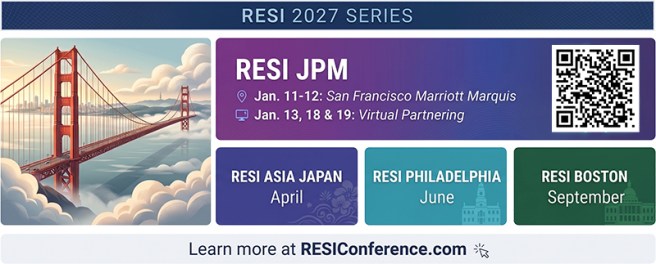
The fourth week of June is one of the largest gatherings of life science business development and investment professionals on the calendar, second only to JPM. If you are an early-stage company raising anywhere from $250K to $75M, that week in San Diego is not optional. The question most founders are asking right now is whether attending RESI means missing BIO.
The short answer is no. Here is why.
RESI partnering starts early morning on June 22. BIO Convention partnering does not start until early afternoon. That means you can run a full morning of investor meetings at RESI before BIO gets going. The two venues are about 15 minutes apart, making it straightforward to move between them in the afternoon. RESI has virtual days both that week and the following week, so any meetings that do not fit in person can be held on Zoom with no schedule conflicts.
If you find yourself double booked across both events on Monday afternoon, the partnering systems give you real options. Move the Convention meeting to another day. Move the RESI meeting to the morning or to a virtual slot. Or simply decide which meeting matters more for your specific raise. Having choices is better than not having them.
Fundraising is a numbers game. Companies with tight budgets need to maximize every hour and dollar spent in San Diego each week. RESI is not a scheduling conflict. It is more meetings with investors and pharma external innovation teams that are specifically focused on early-stage deals. Add it to your agenda.
Bonus: Increase your networking ROI by attending the many side events and receptions during Convention week. Luckily we’ve assembled the most complete list for you! Click here.
An old adage in drug development states that any successful program for an advanced medicine must overcome three central challenges: first, delivery; second, delivery, and third … delivery! Lipid nanoparticle (LNP) technology and N-acetyl galactosamine-(GalNAc) conjugates have opened the liver to a wide range of genetic medicines, and transferrin 1 receptor (TfR1) conjugates are beginning to access the CNS via intravenous delivery with brain-shuttle technology. But tissues like the lung, kidney, muscle and heart remain very much a work in progress.
In the pulmonary space, a small cadre of companies are pursuing inhaled LNP delivery technologies. Recode Therapeutics, Vertex Pharmaceuticals and Arcturus are the main players, while other firms such as 4DMT and Krystal Biotech are focusing on viral gene therapies for lung delivery.
Just a few days ago, one of these LNP programs got the chop. The Vertex/Moderna phase 1/2 study of VX-522, an aerosolized LNP to deliver mRNA encoding full-length cystic fibrosis transmembrane conductance regulator (CFTR) to the lungs of cystic fibrosis patients, which had been paused due to tolerability issues, is now permanently discontinued. According to reports, the Moderna LNP was the culprit, leading to lung inflammation. That leaves Recode and Arcturus as the frontrunners, a rather small field, given the entire market opportunity for a pulmonary delivery solution. All told, in 2023, there were 569.2 million cases of chronic respiratory diseases and 4.2 million deaths from respiratory disease.
Recode now is enrolling patients into the phase 2 trial of its Selective Organ Targeting (SORT), LNP platform (RCT2100) that delivers an mRNA encoding CFTR in combination with the small-molecule CFTR potentiator ivacaftor (the SORT technology was originally licensed out of Daniel Siegwart’s group at UT Southwestern). The other LNP platform, Arcturus’ LUNAR LNP technology, also has encouraging interim data from its phase 2 trial in cystic fibrosis patients and from its program delivering ornithine transcarbamylase mRNA.
These LNPs (and most other LNP delivery platforms) are built around the same four common components: an amino ionizable lipid, a helper lipid, a polyethylene glycol lipid and cholesterol. The formulations follow this scheme but with different combinations of proprietary lipid forms; thus, in Arcturus’ LUNAR LNP, distearoylphosphatidylcholine (DSPC) performs the helper lipid function, whereas in Recode’s SORT LNP, it is 1,2-dioleoyl-sn-glycero-3-phosphoethanolamine (DOPE). Overall, however, just a handful of novel lipid components have gone into humans so far.
According to Siegwart, the field is in dire need of developing a broader palette of cationic lipids that are both efficient and non-toxic for the pulmonary epithelium; ultimately, the goal would be a delivery technology capable of targeting specific cell types in the lung (with many new cell subtypes continuing to be identified).
The respiratory epithelium contains a diverse set of cell subtypes important in maintaining respiratory homeostasis. Dysfunction in these cells can lead to disease. PNEC, pulmonary neuroendocrine cell; PCD, primary ciliary dyskinesias; CGRP, calcitonin gene related peptide; SIDS, sudden infant death syndrome; SCLC, small cell lung carcinoma; Mtb, Mycobacterium tuberculosis; COPD, chronic obstructive pulmonary disease. Source: Mucosal Immunology
In a recent article in Nature Biomedical Engineering, Siegwart and his group at UT Southwestern introduce the design and evaluation of a new class of lung-targeting (LuT) lipids that enable the highly efficient and selective delivery of mRNA and CRISPR–Cas9 gene-editing systems to the lungs.
They synthesized and screened a library of 444 lipids using a combinatorial approach, systematically varying amine head groups and hydrophobic tails. Through in vivo testing and structure–activity relationship analysis, they identified key features in the lipids that most effectively targeted the lung: a distinctive ‘tripod-like’ structure, consisting of a quaternary amine head, three long alkyl chains and a short fourth chain.
Design, synthesis and multi-round evaluation of LuT lipids for pulmonary delivery. a, LuT lipids were chemically synthesized by one-step combinatorial conjugation of diverse amine heads and alkyl/alkenyl bromide tails, formulated into LuT LNPs and intravenously administrated into mice for in vivo evaluation. SARs governing the function of LuT LNPs were carefully analyzed. b, After in vivo evaluation, the top-performing LuT lipids with a tripod-like structure were identified and showed exceptional mRNA delivery efficiency, which inspired the in-depth investigation into their performance in specific cell type targeting, mechanisms and gene editing. Source: Nature Biomedical Engineering
Compared to benchmark formulations, the best-performing LuT-containing LNPs achieved up to a 25.5-fold increase in mRNA delivery and a 9.2-fold improvement in gene-editing efficiency, with >90% of delivery localized to the lungs. These LuT-LNPs successfully transfected multiple lung cell types, including endothelial, epithelial and immune cells, with some formulations showing preferences for specific cell populations.
Mechanistically, the improved performance was attributable to two main factors. First, the tripod-like structure of lipids promoted endosomal escape by facilitating membrane fusion and LNP disassembly, allowing efficient release of genetic cargo into cells. Second, LuT LNPs formed distinct protein coronas in the bloodstream, particularly enriching for vitronectin, a protein that enhances targeting to lung cells via receptor-mediated uptake.
Siegwart and his team went on to show the therapeutic potential of LuT LNPs. The lead formulation, 1A7B13, enabled effective delivery of IL-10 mRNA in a mouse model of acute lung injury and achieved robust CRISPR–Cas9 gene editing in lung tissue. The LNPs showed minimal toxicity and no significant adverse effects in vivo.
This research establishes clear design principles for lung-targeting LNPs and markedly expands the available toolkit for pulmonary gene delivery. It is just the beginning of the translational path, however.
The Siegwart LuT-LNPs must home through the vasculature to the lungs after being delivered intravenously. This is very different from the aerosolized LNP delivery approaches of Recode and Arcturus currently in clinical testing. There may be a case to be made that some pulmonary vascular disease, lung endothelial targets, lung fibrosis, immune-cell or vascular-compartment targets might warrant the intravenous route, but aerosolized LNP delivery provides lower systemic exposure (and thus higher therapeutic index), is more patient-friendly, and rapidly/directly reaches the airway lumen.
Regardless of the route of administration, the translational challenges associated with targeting the lung remain very difficult. In terms of testing formulations in different models, anatomical differences between mouse, ferret and human airways, including physiological size and branching complexity, impact LNP design and aerosol physics.The formulations used for mice may simply not work for people because of differences in cell composition, and lung epithelial and endothelial membranes and “surfaceomes”. As humans age and develop disease, cell protein and lipid composition may also change, requiring further optimization of LNP formulations. Mice have more narrow airways and faster breathing rates than humans, requiring smaller diameter aerosol droplets (often <2 µm) to ensure particles bypass the upper respiratory tract and reach the alveolar regions.
Moreover, humans have ~23 branches in their airways, whereas mice have only 13, meaning an aerosol optimized for a ‘deep’ reach in a mouse might only reach mid-level bronchi in a human. Furthermore, ferrets are not a widely available model system to study the biodistribution and efficacy of LNPs. Indeed, there are just a few labs in the United States that upkeep ferret colonies.
Last, a human lung’s surface area (~70 m²) is nearly 8.500 times larger than a mouse’s (~82 cm²), and human tidal volume is roughly 6,000 times greater. This requires significant dose scaling and affects how ‘diluted’ the LNPs become once they deposit.
Designing in vitro and in vivo systems representative of human biology and capable of predicting LNP biodistribution is also a tall order (especially with such a small cadre of companies working on the problem). For small molecules, the measurement of efficacy in human basal epithelium-derived patient cells carrying a mutation of interest by and large will translate into what you see in the clinic. The pharmaceutical industry has amassed a lot of data to bolster pharmacology.
Unfortunately, that correlation doesn’t necessarily hold for genetic modalities like mRNA or CRISPR/Cas9 constructs. For these medicines, it is very hard to figure out PK/PD. And so, the translation from preclinical work to the clinic can be tricky for an inhaled LNP technology delivering mRNA. It is difficult to really know the degree of protein expression from an inhaled LNP genetic medicine intracellularly without doing a bronchial biopsy (which is of course highly intrusive). And if you need to test your LNP in patients via biopsy, clinicians historically have been very resistant to carrying out such procedures, particularly in very sick patients like some of people with cystic fibrosis who carry nonsense mutations in CFTR. Thus, there is a need for alternative approaches. Certainly, there is an opportunity for more work on organoids or simpler patient cell-derived assays: 2D or 3D alternatives to large animal models like the ferret.
What is clear is that there are enough patients worldwide living with lung disease that further research in this area needs to be encouraged. In this respect, the findings from Siegwart’s group are a step in the right direction, with broad implications for treating lung diseases by enabling safer and more precise delivery of RNA-based therapeutics and genome-editing technologies.
Prep for the June mega-events in San Diego, BIO Convention and the neighboring RESI, starts now. We’re 7 weeks out and it’s getting warm. In another week, the Heat is On by Glen Frey. Three weeks or so after that, scheduling starts and it’s Hot Hot Hot by Buster Poindexter. Finally, when partnering starts on June 22, it’s the Heat of the Moment by Asia. 80s music references aside, here are the top things you need to do NOW to ensure your company succeeds:
Register. Want to meet investors funding seed through series B and pharma external innovation? There will be over 300 at RESI. Click here to take advantage of RESI early bird rates.
Consider registering to pitch, with many opportunities throughout Convention week. Pitching at RESI puts you in front of a panel of well-aligned investors who are obligated to be interactive and give you feedback.
Log into the partnering system and find your ideal partners. Repeat this every week to account for new registrants. At RESI this is straightforward as the LSN staff populates investors profiles very granularly based on the LSN Investor Database. Investors are carefully vetted. Searching for investors interested in a given modality, disease, geography, stage, etc. is fast. Searching for well-aligned partners in the larger Convention ecosystem can require more oversight (e.g. is an in-licensor looking for early stage, late stage or on-market assets?) Join my webinar to learn the best way to do this!
Open as much availability on your calendar/agenda as possible. Convention week is NOT the time to block the early morning time slots because you want to sleep in 😉
Send customized meeting requests. Meetings are more likely to be accepted if you spend some effort customizing each meeting request to the interests of the receiving company. Join my webinar to learn the best way to do this!
Minimize the number of people from your company who are required to attend the meeting. The fewer people in the meeting the more likely it is to get scheduled (if it’s accepted).
Follow-up on unanswered meeting requests. As someone who’s been behind the scenes running partnering at dozens of partnering events, I can tell you there is a complex series of variables that determines if your meeting request gets accepted. Sometimes it’s as simple as the person who would accept your meeting request did not register until later, even though his/her colleagues registered earlier. That’s why it’s important not let unanswered meeting requests languish indefinitely. Join my webinar to learn the best way to do this!
Cancel ‘dead’ unanswered meeting requests. When you determine you won’t get a response for a given meeting request, cancel it to increase your meeting request allotment. Join my webinar to learn the best way to do this!
When scheduling starts, immediately reach out to the other party for meetings that cannot be scheduled due to lack of mutual availability. You can also try reaching out to the partnering system administrators to see if they can help.
Practice your meeting presentation to ensure everything gets finished in the allotted time. For Convention, 25 minutes is a good guide, as meetings can be far apart from each other. For RESI, 30 minutes as meetings are physically close together. To get between RESI and Convention, plan at least 20 minutes.
Take advantage of virtual partnering. RESI provides virtual partnering during Convention week and the following week. Extend your ROI by continuing the momentum of Convention week into the next week.
Be prompt about your follow-up the week after Convention.
Whew! I’m So Tired (by the Beatles) just writing this, I can’t imagine how I feel after I go through the Convention Week + RESI gauntlet! For more details on how to succeed at Convention & RESI, join my webinar on May 20 for all the best tips and tricks!
By Momo Yamamoto, Senior Investor Research Analyst, LSN
For early-stage life science companies, securing seed capital is often only the first step. The greater challenge is successfully transitioning from early fundraising into institutional venture rounds, a critical phase where companies must prove not only the strength of their science or technology, but also their ability to deliver meaningful milestones, manage capital strategically, and build toward scalable growth.
At RESI San Diego 2026, this pivotal transition will be the focus of the panel discussion “Crossing the Venture Gap: Moving from Seed Funding to Venture Rounds,” scheduled for 4:00 PM as part of the conference’s investor programming.
This session will examine how companies can position themselves for larger venture rounds in a more demanding capital environment. Panelists will discuss what investors now expect from companies seeking their first significant institutional financing, including the level of scientific validation, regulatory planning, commercial readiness, and operational maturity required to stand out. The conversation will also address how founders can build credible leadership teams and boards, structure capital strategy effectively, and present a compelling long-term vision that aligns with near-term execution.
The panel features an experienced group of venture investors and strategic leaders actively engaged in funding and evaluating emerging life science companies:
Mahesh Narayanan
Neuvation Ventures
Nicolas Cindric
Yahara Ventures
Preetha Ram
Pier 70 Ventures
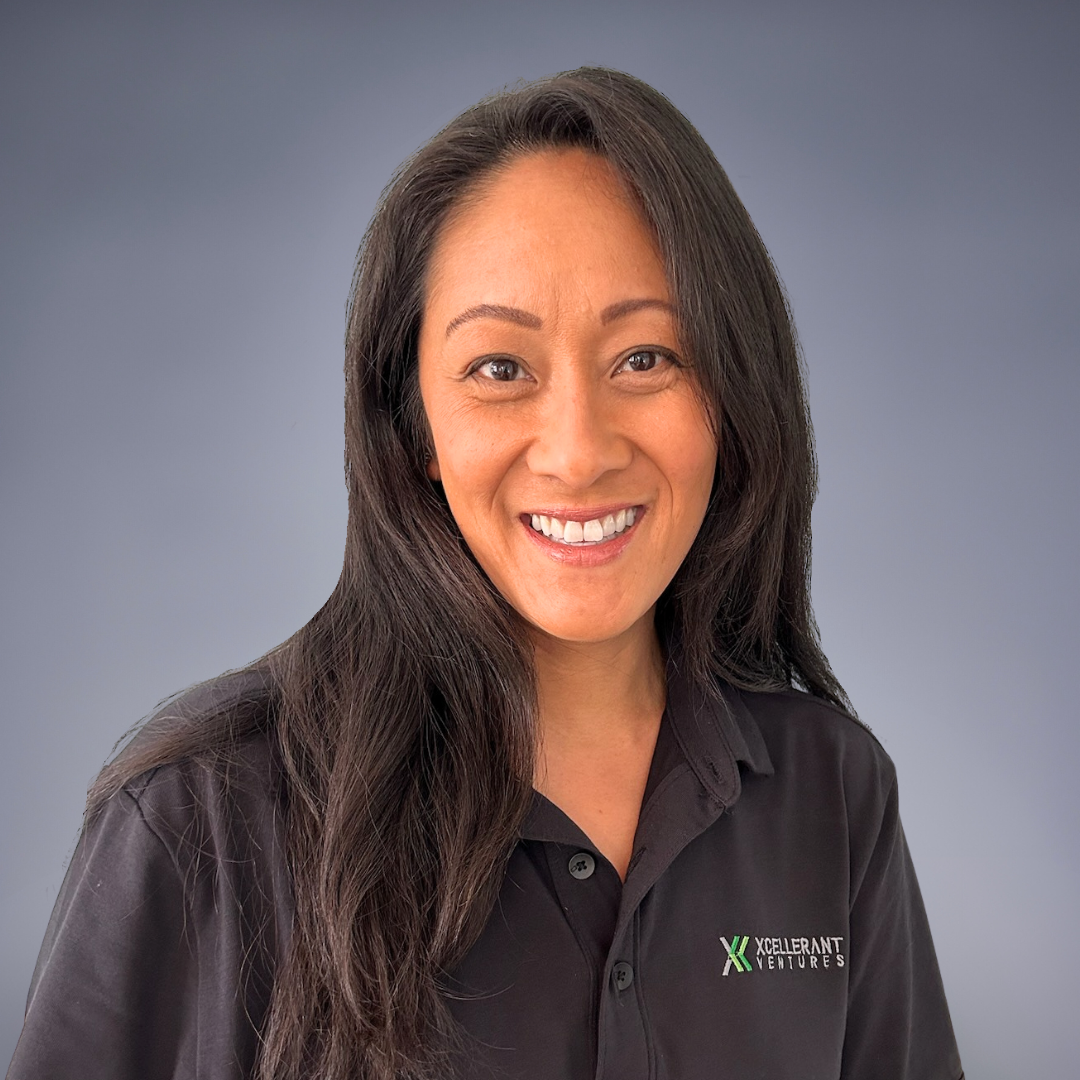
Chris Yoo
Xcellerant Ventures
Bob Sweeney
Global Health Impact Fund
Ole Henrik Bang-Andreasen
Avant Bio
Together, these panelists bring valuable perspectives on what it takes for startups to successfully move beyond seed-stage financing and into larger venture-backed growth.
For founders preparing for this next stage, the session offers practical insight into how investors assess risk, evaluate progress, and identify companies with the strongest potential for long-term success.
RESI San Diego 2026 provides a concentrated environment for early-stage companies to engage with investors, strategic partners, and industry stakeholders through targeted partnering, educational programming, investor panels, and pitch opportunities. With five days of partnering, access to active investors across the 4Ds, and specialized programming designed around early-stage fundraising and growth, the conference remains focused on helping companies navigate the realities of capital formation in life sciences.
Early bird rates are currently available through May 8, offering discounted access for companies looking to maximize both strategic insights and investor engagement opportunities at one of the sector’s leading partnering events.
Convention week in San Diego has become much more than a single conference. One of the major events taking place during the week is RESI San Diego 2026, hosted by Life Science Nation on June 22, followed by four virtual partnering days on June 23–24 and June 29–30. This is the best place to secure meetings with early stage investors.
Around RESI and the Convention, investors, founders, pharmas, service providers, and regional delegations host receptions, networking events, investor forums, pitch sessions, private meetings, and educational programs across the city.
For attendees, the week often becomes a full schedule of opportunities that extends well beyond the official conference agenda. A company may attend RESI or Convention during the day and continue conversations at networking receptions and evening events across San Diego.
That is why having a compiled list of convention week events can be so valuable. Life Science Nation has curated a list of convention week events taking place throughout San Diego to help attendees better navigate the week. Covering Sunday, June 21 through Friday, June 26, the list serves as a useful resource for attendees looking to plan their schedules and make the most of their time in San Diego.
The list includes events for a range of audiences and interests, from investor networking and startup showcases to regional receptions, educational panels, business development gatherings, and informal social events. Some events are designed specifically for early-stage companies looking to connect with investors, while others are focused on strategic partnerships, market trends, or geographic regions.
Convention week can also be an important opportunity for companies to make the most of their time in San Diego. Rather than relying on one conference alone, attendees often use the week to build a broader schedule of meetings and introductions.
Whether attendees are focused on fundraising, partnering, business development, or networking, convention week offers a wide range of ways to connect.
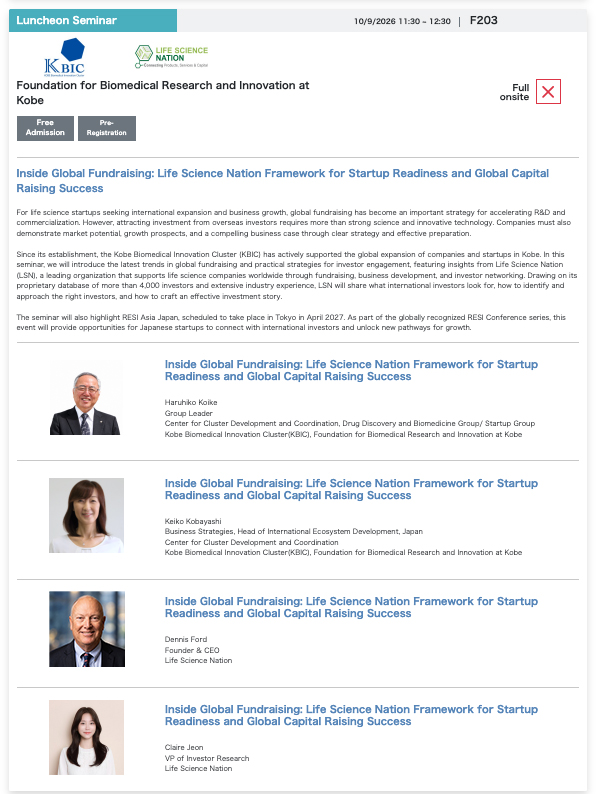
Earlier this year at RESI JPM 2026, LSN and KBIC successfully co-organized the Kansai Life Science Accelerator Program (KLSAP) Demo Day, a 2-hour session highlighting innovative companies from Japan and South Korea. Building on this successful collaboration, KBIC will host the Japan Life Science Showcase at RESI San Diego, featuring 8 emerging life sciences companies from Japan. This dedicated showcase aims to highlight cutting-edge technologies and connect Japanese innovators with global investors and strategic partners.
The impact of the KLSAP Demo Day and RESI was reflected in strong feedback from participating companies:
“Celaid Therapeutics Inc. participated in JPM RESI 2026 through the full RESI package, which included a RESI-organized pitch to U.S.-based investors, an exhibition booth, and one-on-one partnering meetings. The IPC investor pitch was particularly valuable. Following the presentation, we were contacted by one of the investor judges, which subsequently led to further meetings regarding a potential investment. For early-stage companies seeking investment from U.S. investors, this program is well worth considering.”
Japan is home to one of the world’s most advanced life sciences ecosystems, supported by strong academic research, a highly skilled talent base, and increasing government and institutional support for innovation. Within this landscape, Kobe has established itself as a leading hub for biomedical innovation, fostering collaboration across academia, industry, and clinical institutions. Through the Japan Life Science Showcase at RESI San Diego, KBIC seeks to further elevate Japan’s presence on the global stage and accelerate cross-border partnerships.
More information about the presenting companies will be announced shortly. Please feel free to contact us at c.jeong@lifesciencenation.com if you would like to stay updated on related developments.
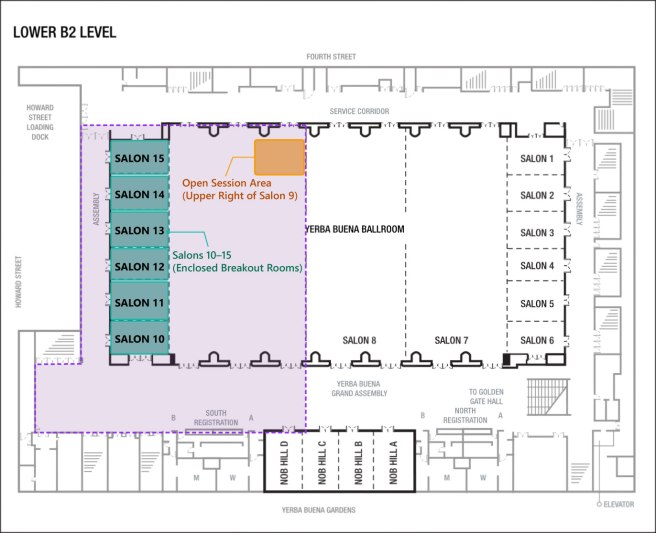
RESI San Diego will take place on Monday, June 22, at the JULEP Venue in San Diego. Join us for a full day of one-on-one partnering meetings, engaging programming, and the opportunity to build meaningful connections within the global life sciences ecosystem.
About Kobe Biomedical Innovation Cluster (KBIC)
Located in the heart of Kobe, Japan, the Kobe Biomedical Innovation Cluster is one of the nation’s leading ecosystems dedicated to advancing biomedical research and commercialization. With more than 340 member organizations, including research institutes, hospitals, and life science companies, KBIC plays a central role in bridging academia, government, and industry to accelerate innovation and improve global health outcomes.
As a Title Sponsor of RESI San Diego 2026, KBIC aims to strengthen international collaboration and support Japanese startups in expanding their global networks and visibility. Through its continued partnership with LSN, KBIC is committed to helping founders access global capital and strategic resources to advance their technologies from concept to commercialization.
Following its recognition as a winner of the Innovator’s Pitch Challenge at RESI Europe, You2Yourself is advancing a new approach to early disease detection through longitudinal biomarker monitoring. In this interview, Bram De Moor discusses the science behind URIMON, the company’s commercialization strategy, and how RESI has supported its investor engagement.
Bram De Moor Founder & General Manager, You2Yourself
Caitlin Dolegowski (CD): For those new to You2Yourself, how would you describe URIMON and the value of longitudinal biomarker monitoring in a way that resonates with investors?
Bram De Moor (BD): URIMON is a personalized, non-invasive, urine-based liquid biopsy platform that uses urinary miRNA profiling to detect multiple serious diseases — including prostate cancer, lung cancer, and cardiovascular disease — before symptoms appear. One urine sample generates simultaneous risk scores across multiple conditions.
The longitudinal dimension is key: repeated monitoring detects biological drift months to years before clinical symptoms — the difference between catching cancer at stage I versus stage III. With no needles, no clinic visit, and at-home collection with mail-in capability, URIMON is designed for scalable, population-level adoption.
CD: What makes your approach to early disease detection fundamentally different from traditional diagnostic models?
BD: Traditional diagnostics are reactive and often focus on a single biomarker. URIMON differs in three key ways:
Multi-disease detection from a single sample, analyzing hundreds of miRNA species simultaneously
Focus on molecular signals rather than anatomical changes, enabling earlier detection
Use of urine as a scalable, patient-friendly biofluid that captures signals from across the body
This approach provides a unified molecular health view, reducing fragmentation across specialties.
CD: You have built a unique biobank of longitudinal samples — how does this dataset strengthen your technology and create a competitive advantage?
BD: The URIMON Biobank, developed since 2019 with over 6,500 participants under IRB-approved and GDPR-compliant protocols, is a significant strategic moat.
It enables algorithm training on longitudinal patient data, including individuals who later develop disease, supporting prospective validation. It also ensures robustness across cohorts, allowing classifiers to generalize beyond a single institution.
Replicating this dataset would require years and substantial capital, making it a durable barrier to entry.
CD: How do you think about commercialization, particularly your subscription-based model and the path toward broader reimbursement and population-level adoption?
BD: Our strategy is staged to de-risk scaling. We are entering the market under the EU IVDR Article 5(5) in-house LDT framework to accelerate time to revenue.
Our subscription model (€299–499/year) targets individuals, employer groups, and occupational health programs, aligning recurring revenue with longitudinal monitoring.
Reimbursement will follow through HTA submissions in Europe, with FDA De Novo clearance as a parallel pathway in the U.S.
CD: What key milestones or inflection points should investors be watching as you move toward your planned 2027 market entry?
BD: Key milestones include:
Clinical validation and publication of performance data
Regulatory progress under IVDR and FDA pathways
Launch of commercial infrastructure and first paying customers
Strategic partnerships and completion of financing rounds
These milestones will demonstrate both technical validation and commercial traction.
CD: How did participating in RESI Europe and the Innovator’s Pitch Challenge impact your investor visibility and strategic conversations?
BD: RESI provided direct access to European and transatlantic investors actively seeking early-stage diagnostic companies — a highly targeted audience that is difficult to reach through traditional outreach.
The Innovator’s Pitch Challenge offered structured validation in a competitive setting, signaling credibility to institutional investors. It also led to new investor conversations and follow-up meetings now underway.
CD: Following your recognition at RESI Europe, what are the next key priorities for You2Yourself as you move into your next phase of growth?
BD: Our focus over the next 12–18 months includes:
Expanding clinical evidence through continued biobank growth and prospective studies
Securing financing through grants and a seed-to-Series A bridge round
Scaling team and infrastructure across lab, regulatory, and business development functions
With favorable market conditions — including advances in NGS, growing demand for preventive health, and regulatory clarity — You2Yourself is well positioned to lead in this space.
Applications are now open for upcoming Innovator’s Pitch Challenges. Companies can apply to pitch at RESI San Diego 2026 and take the stage in front of a global network of investors and partners.
The firm is focused on therapeutics companies and does not invest in medical devices, diagnostics, or digital health. The firm is open to considering assets of very early stages, even those as early as lead optimization phase. The firm considers various modalities, including antibodies, small molecules, and cell therapy. Currently, the firm is not interested in gene therapy. Indication-wise, the firm is most interested in oncology and autoimmune diseases but has recently looked at fibrotic diseases and certain rare diseases as well.
The firm is opportunistic across all subsectors of healthcare. Within MedTech, the firm is most interested in medical devices, artificial intelligence, robotics, and mobile health. The firm is seeking post-prototype innovations that are FDA cleared or are close to receiving clearance. Within therapeutics, the firm is interested in therapeutics for large disease markets such as oncology, neurology, and metabolic diseases. The firm is open to all modalities with a special interest in immunotherapy and cell therapy.
A strategic investment firm of a large global pharmaceutical makes investments ranging from $5 million to $30 million, acting either as a sole investor or within a syndicate. The firm is open to considering therapeutic opportunities globally, but only if the company is pursuing a market opportunity in the USA and is in dialogue with the US FDA.
The firm is currently looking for new investment opportunities in enterprise software, medical devices, and the healthcare IT space. The firm will invest in 510k devices and healthcare IT companies, and it is very opportunistic in terms of indications. In the past, the firm was active in medical device companies developing dental devices, endovascular innovation devices, and women’s health devices.
A venture capital firm founded in 2005 has multiple offices throughout Asia, New York, and San Diego. The firm has closed its fifth fund in 2017 and is currently raising a sixth fund, which the firm is targeting to be the largest fund to date. The firm continues to actively seek investment opportunities across a […]