Tag Archives: technology

Myonerv: RESI London Innovator’s Pitch Challenge Winner Advancing Stroke Rehabilitation

21 Jan

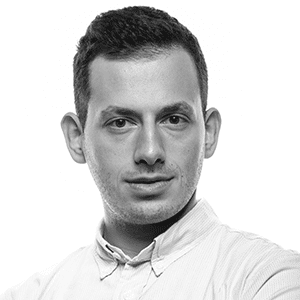
Interview with Sam Kamali, CEO of Myonerv

Myonerv is developing a new approach to stroke rehabilitation that aims to expand access to intensive, effective therapy beyond the clinic. Following their recent win at the Innovator’s Pitch Challenge at RESI London, the team is advancing a wearable neurotechnology designed to help patients regain upper-limb movement through intention-driven stimulation and remote clinical support. We spoke with Myonerv to learn more about the problem they are addressing, their technology, and what comes next as they move toward clinical trials and global partnerships. 

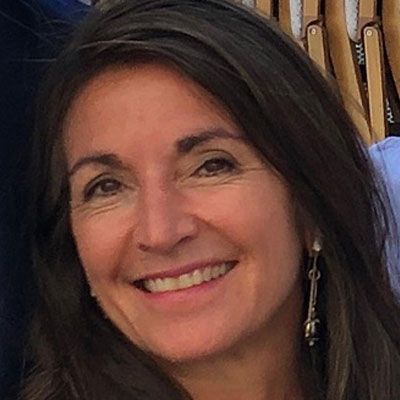
Sam Kamali
CaitiCaitlin Dolegowski

Caitlin Dolegowski (CD): For readers who may be new to Myonerv, how do you describe the company’s mission and core technology?

Sam Kamali (SK): Myonerv is a breakthrough British neurotechnology solution designed to transform stroke rehabilitation through an active, remote-operated wearable medical device that restores movement in patients with post-stroke upper-limb paralysis (paresis). A wearable, non-invasive neurostimulator that helps retrain movement after stroke by detecting a patient’s intention to move and delivering targeted electrical stimulation to augment that movement. This “closed-loop” approach is supported by scientific evidence showing that synchronising stimulation with a person’s voluntary effort can enhance neuroplasticity – the brain’s ability to rewire and relearn lost movements.

Unlike traditional electrical stimulators, Myonerv uses flexible bioelectronic materials to create soft, reusable electrodes that conform comfortably to the arm. The system is designed to be lightweight, easy to apply, and suitable for both clinical and home environments. It will also allow therapists to monitor progress and support patients remotely, helping expand rehabilitation capacity without increasing staff burden.

CD: What problem are you addressing, and why is now the right time for your approach?

SK: Partial paralysis after a Stroke affects 70% of all survivors, approximately 900,000 new patients annually in the UK, DACH and USA. Despite clear evidence that intensive, early, and consistent rehabilitation improves outcomes, most patients in the UK receive only 45 minutes of therapy per day in hospital and as little as 1 hour per week after discharge – far below nationally recommended 3 hours per day. We believe the resulting “plateau” in stroke recovery is not biological, but due to the lack of therapy access and intensity.

Myonerv directly addresses this challenge by developing a first-in-class wearable, closed-loop neurostimulator that enables continuous, intention-driven rehabilitation both in-clinic and at home. It combines bioelectronic sensing, software-assisted control loops, reusable polymer electrodes and remote therapist connectivity (capabilities not currently available in NHS or international markets). The innovation advances beyond the state of the art in its miniaturisation, accuracy, sustainability, and ability to extend clinical rehabilitation into the community setting.

CD: What stood out most to you about competing in—and winning—the Innovator’s Pitch Challenge at RESI London?

SK: “It’s so refreshing to hear such a good pitch, after such a long time”. These were the words that stuck with us from our judge, Soyoung Park, General Partner at 1004 Ventures.

This echoed the depth of excitement from investors throughout the event. The judges and audience deeply understood both the clinical problem and the commercial challenge of scaling medical technologies within healthcare systems. People were enthusiastic about the prospect of a remote-controlled rehabilitation device that can exponentially increase the amount of therapy received by patients. Winning wasn’t just validation of the technology - it was validation of the need and our ability to change the state of healthcare worldwide.

CD: How has the exposure from RESI London impacted conversations with investors or strategic partners so far?

SK: RESI London has materially accelerated conversations. Since the event, we’ve seen increased inbound interest from international investors and strategic partners across Europe and the US, particularly those focused on neurotechnology, digital health, and rehabilitation.

The win has acted as a strong credibility signal – shortening diligence cycles and shifting discussions toward clinical milestones, regulatory strategy, and partnership structures rather than basic validation. It has also opened doors to potential manufacturing and healthcare delivery partners who see Myonerv as an international platform, not just a single product.

CD: Where is Myonerv currently in terms of fundraising or partnership strategy?

SK: We have officially opened a £2 million pre-seed priced round. Our strategy is to combine the £215k in non-dilutive funding with targeted private investment to de-risk the technology before scaling. What is promising is that we are receiving non-dilutive funding faster than we can announce it, with a recent admission into the Founders Factory x Innovate UK (Hospital to Home) Biomedical Catalyst Accelerator, which enables a£100k grant for us to perform our first in-patient trials.
This touches on our recent partnership arrangements, as we are working closely with several patient networks and the Cambridgeshire & Peterborough Foundation Trust (CPFT), an NHS Trust overseeing hospital networks across the East of England. CPFT has agreed to sponsor our clinical trials, which fast-tracks the process for trial approvals, recruitment and secure documentation of data. CPFT has shown great enthusiasm in being our first pilot sites for Myonerv. This is only a small part of our partnership arrangements, as we have several more with other hospitals across the UK who have given us Letters of Interest to give Myonerv to 1,200 patients per year once the device is available in the market.

We are now looking to build on the network we have built in Cambridge thanks to the £120k grant won from ARIA as part of Cambridge NeuroWorks, tasked with developing a first-in-class scalable neural interface for the world. Our next step is to visit RESI JPM in San Francisco on January 12th 2026 to create more partnerships with the US network as we look to expand our reach globally.

CD: What milestones are you most focused on over the next 12–18 months?

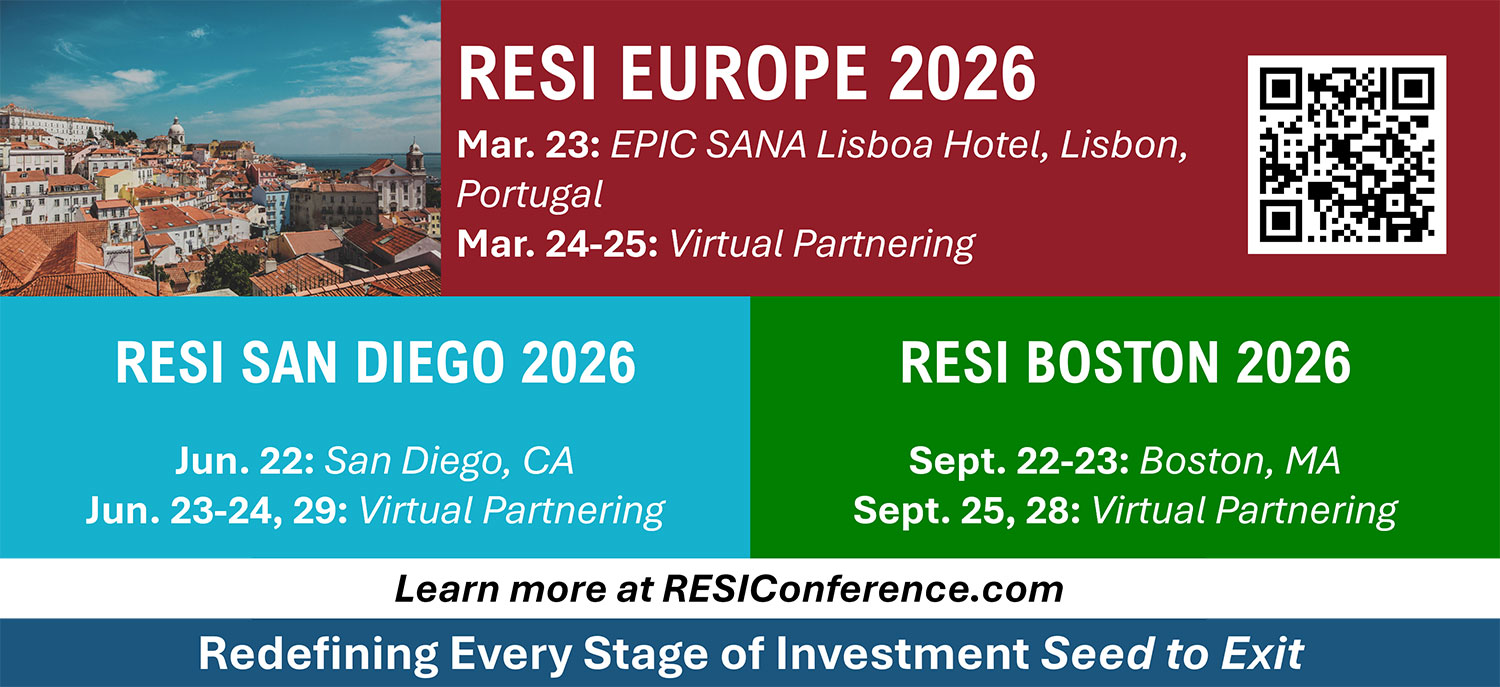
SK: Our primary focus is delivering on the tech. We are currently finalizing our functional prototype with the Manufacturing Technology Centre, a major UK-based factory, to test on participants with approvals from the University of Cambridge. Our shiny new prototype will be ready in time for an exciting Myonerv demo at RESI Europe in Lisbon, on 23rd March 2026!

We are then looking to build on this to develop a TRL6/7 alpha device and completing a feasibility clinical study in stroke survivors. In parallel, we are advancing our regulatory pathway, quality management systems, and health-economic evidence to support adoption by healthcare providers. Having secured regulatory and commercial partners who will help navigate our pathway through into international markets.

We are simultaneously focused on strengthening manufacturing readiness, expanding our clinical and patient engagement network, and closing our pre-seed round. Together, these milestones position Myonerv for scale - clinically, commercially, and globally.

Apply to Pitch at RESI Europe 2026

RESI JPM Innovator’s Pitch Judges Announced 

6 Jan

By Momo Yamamoto, Senior Investor Research Analyst, LSN

RESI JPM brings together early-stage life science innovators and active investors during one of the industry’s most important weeks, and Life Science Nation is pleased to announce the investor judges participating in the Innovator’s Pitch Challenge (IPC).

This year’s IPC will feature more than 90 presenting companies across 24 pitch sessions over two days, offering startups a high-impact opportunity to gain visibility, pitch directly to investors, and receive real-time feedback from experienced decision-makers.

Each pitch session will be evaluated by a panel of investor and strategic partner judges with expertise spanning therapeutics, medical devices, diagnostics, digital health, and life science tools. Following every presentation, judges will lead a live Q&A to assess the opportunity and share perspective on scientific differentiation, commercial potential, and investment readiness.
All IPC companies will also be assigned a dedicated space in the RESI Exhibition Hall, creating additional opportunities for follow-up conversations and deeper engagement with investors and conference attendees.

In addition, RESI JPM attendees will be invited to vote with their RESI Cash for their favorite presenting companies. The Top 3 companies will be announced during the conference reception. Winners will receive a prize and be featured in an upcoming issue of the LSN newsletter, reaching a global audience of investors and life science innovators.

Scroll down to see which investors will serve as judges for this year’s RESI JPM Innovator’s Pitch Challenge.

Smriti-Agrawal
Smriti Agrawal
TiE Angels
Christopher-Aleong
Chris Aleong
BioIdeations
Ibraheem-Alinur
Ibraheem Alinur
2Flo Ventures
Jolene-Anderson
Jolene Anderson
VectorPoint Ventures
Ali-Ardakani
Ali Ardakani
Novateur Ventures Inc.
Dylan Attard
Dylan Attard
Ikigai Ventures
Zachary-Betts
Zachary Betts
Zandia Ventures
Kumar-Bhargava
Kumar Bhargava
PharmaCatalyst
Benjamin-Chen
Benjamin Chen
Panacea Venture
Jenna-Chow
Jenna Chow
HKSTP Venture Fund
Michael Christensen
Michael Christensen
Prometheus Medical Ventures
Bruce-Cohen
Bruce Cohen
Xeraya Capital
Patrick Cooke
Pat Cooke
Merck Digital Sciences Studio
Anne-DeGheest
Anne Degheest
HealthTech Capital
Yizhen-Dong
Yizhen Dong
Raise Health
Karen-Drexler
Karen Drexler
Astia Fund
Linda-Elkin
Linda Elkins
W47 Angels
Bettina-Ernst
Bettina Ernst
BERNINA BioInvest
Idong-Essiet-Gibson
Idong Essiet-Gibson
She’s Independent
Larry-Florin
Larry Florin
Eckuity Capital
Karim-Galzahr
Karim Galzahr
OKG Capital
Dimitra-Georganopoulou
Dimitra Georganopoulou
Qral Ventures
Gary-Gershony
Gary Gershony
BayMed Venture Partners
Lucien-Ghislain
Lucien Ghislain
Life Science Angels
Kristin-Gleitsman
Kristin Gleitsman
Fellows Fund VC
Navin-Govind
Navin Govind
Evidence Ventures
Joe-Hanssen
Joe Hanssen
Osterbury Capital
Isaac-Haq
Isaac Haq
HINA Bioventures
Lindsay-Hoover
Lindsay Hoover
JLS Fund
Elena-Itskovich
Elena Itskovich
Nest Catalyst
Sherry Jiang
Sherry Jiang
Genertec America,Inc
Jacob-Johnson
Jacob Johnson
Laerdal Million Lives Fund
Mo-Kagalwala
Mo Kagalwala
NuFund Venture Group
David-Katz
David Katz
Angel Investor
Danil-Kislinskiy
Danil Kislinskiy
GGW Ventures (Go Global World)
Maria-Kondratyev
Maria Kondratyev
Phoenix Gate Ventures
Matthew-Konneh
Matthew Konneh
Atheneos Ventures
Rebecca-Lin
Rebecca Lin
Stanford Angels and Entrepreneurs
Ken-Lin
Ken Lin
ABIES Capital
Karen-Liu
Karen Liu
3E Bioventures
Wojciech-Majewski
Wojciech Majewski
Global Health Impact Fund
Nune-Martiros
Nune Martiros
Paladin Capital Group
Dana-Matzen
Dana Matzen
CTI Life Sciences Fund
Ray-Minato
Ray Minato
INERTIA Product Development
James-Murray
James Murray
ExSight Ventures
Naoki Nagakura
Naoki Nagakura
Teikoku Ventures, Inc. (TVI)
Pejman-Naraghi-Arani
Pejman Naraghi-Arani
Biomedical Advanced R&D Authority (BARDA)
Ken-Nelson
Ken Nelson
Medtech Advantage Fund
Tam-Nguyen
Tam Nguyen
Horizon 3 Biotech
Andrew-Offer
Andrew Offer
Scientific Health Development Partners (SHD)
Ying Ou
Ying Ou
Life Science Angels
John-Pennett
John Pennett
Mid Atlantic Bio Angels
Leonard-Pickard
Leonard Pickard
JLS Fund
Pablo-Prieto
Pablo Prieto
CG Health Ventures
Bikash-Rajkarnikar
Bikash Rajkarnikar
Haleon
Reza-Sabahi
Reza Sabahi
Tellaro Capital Partners
Julie-Schafer
Julie Schafer
Flu Lab
Roman Schenk
Roman Schenk
INOGROUP
Laly-Scherf
Laly Scherf
I-Next Capital
Jordan-Schultz
Jordan Schultz
Pacific Bridge NY
Claire-Smith
Claire Smith
Springtide Investments
Zane-Starkewolfe
Zane Starkewolfe
WuXi Biologics Healthcares Venture
Eran-Steinberg
Eran Steinberg
Imaging Arts
Stephanie-Steltzer
Stephanie Steltzer
University of Michigan – Michigan Biomedical Venture Fund
Timothy-Sung
Timothy Sung
Esplanade HealthTech Ventures
Prasad-Sunkara
Prasad Sunkara
Seed to Fruit Fund
Mark-Tang
Mark Tang
Good Health Capital
Kristin-Thompson
Kristin Thompson
Mérieux Equity Partners
Guillaume-Thoviste
Guillaume Thoviste
Mérieux Equity Partners
Paola-Torre
Paola Torre
Life Science Angels
Megha-Unhelkar
Megha Unhelkar
Connecticut Innovations
Santhosh-Vadivelu
Santhosh Vadivelu
AdimaBio
Tom-Vogelsong
Tom Vogelsong
K2X Capital
Nicole Wang
Nicole Wang
Intuitive Surgical
Sally-Wang-Liang
Sally Wang Liang
Xpanse Venture
Robert-Warren
Robert Warren
Hamamatsu Ventures
Jason-Weshler
Jason Weshler
Siemens Healthineers
Jim-Wu
Jim Wu
SaniMed Science Group
Wei Xiao
Wei Xiao
Lipos Healthcare Investment
Jun-Xiao
Jun Xiao
Life Science Angels
Deborah-Zajac
Deborah Zajac
SOSV
Rosanna-Zhang
Rosanna Zhang
Coho Deeptech
Adam Zha
Adam (Chunlin) Zhao
Anlong Medical Fund
Don-Zinn
Don Zinn
Crossject
Register for RESI JPM 2026

NAUGEN Global Innovation Showcase at RESI JPM 2026 

6 Jan

By Claire Jeong, Chief Conference Officer, Vice President of Investor Research, Asia BD, LSN

At RESI JPM 2026, NAUGEN will host the NAUGEN Global Innovation Showcase, a curated session spotlighting four innovative South Korea–based life science companies seeking global expansion through investment and strategic partnerships.

NAUGEN is a global innovation accelerator focused on advancing Novel, Advanced, and Unprecedented technologies across life sciences and deep tech. Through its incubation and acceleration platform, NAUGEN supports founders in scaling high-potential innovations by combining strategic and business development expertise with deep scientific and technological insight. NAUGEN is dedicated to identifying and cultivating breakthrough technologies that remain undiscovered by global markets and accelerating their path toward global competitiveness.

In partnership with George Mason University, NAUGEN recently launched the Northern Virginia International Soft Landing Accelerator (NISA). NISA is designed to help international startups establish and grow their presence in the United States by providing access to investor and partner networks, market-entry support, and lab and office space within Northern Virginia’s rapidly growing innovation ecosystem. Through NISA, global founders receive strategic mentoring, warm introductions to U.S. capital and corporate partners, and a clear pathway to scaling their businesses in the U.S. market.

As part of RESI JPM 2026, the NAUGEN Global Innovation Showcase will feature four companies representing a diverse range of therapeutic, regenerative, and medical-device innovations.

Session Details 

NAUGEN Global Innovation Showcase 
Date & Time: Monday, January 12, 2026 | 1:00–1:50 pm PST 
Location: Golden Gate B, Marriott Marquis San Francisco 

All investors and strategic partners interested in learning more about emerging life science innovations with global market potential are welcome to attend.

RSVP to NAUGEN Global Innovation Showcase

Participating Companies:

NexThera (https://nexthera.org
NexThera is a privately held, clinical-stage biotech company developing next-generation treatments for eye diseases and cancer. Its lead program, NT-101, is a first-in-class topical eye-drop therapy for wet age-related macular degeneration (AMD) and has shown encouraging safety and early clinical signals in a U.S. Phase 1/2 study. NT-101 uses a proprietary formulation that allows the medication to remain on the eye surface longer and reach the back of the eye effectively, offering a potential non-injection alternative for patients who currently rely on intravitreal treatments.


Karis Bio (https://karisbio.com
Karis Bio is a clinical-stage biotech company developing a first-in-class hiPSC-derived endothelial cell therapy to promote new blood vessel formation for ischemic cardiovascular diseases. The company has established a non-viral, non-integrating reprogramming and xeno-free differentiation platform that produces highly pure (>99%) endothelial cells with long-term safety. Its lead assets target severe peripheral artery disease (PAD) and coronary artery disease (CAD), where preclinical studies have demonstrated robust vascular regeneration and improved tissue perfusion.


MedicosBiotech (https://www.medicosbiotech.com
MedicosBiotech is a regenerative biomaterials company developing spider silk protein–based wound care solutions. The company has achieved the world’s first scalable production of full-length spider silk protein using E. coli, enabling high-purity and cost-efficient manufacturing. Its lead product, CureSilk, has demonstrated superior healing in chronic wound models, including diabetic foot ulcers and pressure ulcers, outperforming FDA-approved comparators in preclinical studies. MedicosBiotech is expanding its platform toward broader applications in regenerative medicine.


ShoeallS (https://shoealls.com/en
ShoeallS is a technology-driven company developing functional and smart medical footwear powered by its proprietary magnetic vibration module, which has been shown to enhance blood circulation and help alleviate pain. Building on its certified medical-device platform, ShoeallS is advancing next-generation smart shoes that integrate self-powering modules, embedded sensors, and AI-based monitoring to enable real-time patient-health insights. The company is expanding from functional footwear into a broader smart healthcare solution. 

What are Best Practices for Cap Table Management? Investors & Banks Weigh In

6 Jan

By Sougato Das, President and COO, LSN

Sougato-Das

After moderating innumerable virtual and in-person investor panels like those that will light up the stage at RESI Europe, one question comes from the audience repeatedly: What do investors like to see in a cap table? How can you ensure that the ownership of your company is structured so

  1. There is enough to own for follow-on investors
  2. It attractive to investors
  3. You don’t get diluted too much
  4. Shares, rights and vesting schedules that your shareholders have make sense for who they are
  5. Underwriting and doing an IPO is easy when it’s time?

The answers to these questions are the bread and butter of investment bankers and investors.

LSN assembled panelists from J.P. Morgan and Mid Atlantic Bio Angels for a practical, founder-focused virtual session on Best Practices for Cap Table Management. This webinar will walk through the fundamentals every early-stage company needs to understand to make informed equity decisions and avoid costly mistakes down the road. Attendees will learn how to approach founder equity splits, navigate dilution, and confidently interpret SAFE notes. We’ll also explore how cap table structure directly impacts fundraising outcomes and why a well-designed stock option pool is critical for attracting and retaining top talent. This session is especially relevant for founders, CEOs, and CFOs who want to strengthen their financial strategy, prepare future rounds, and build a company that scales responsibly.

We’ve all heard the horror stories of founders who were diluted so much that they hardly made money after exiting. We’ve heard about non-investable companies that have great technology but are simply not financially attractive. We’ve heard about the difficult board member who had too many voting rights and slowed the company strategy. This webinar on cap table management will cover various use cases and explain why they do or do not work. There will be written Q&A during the webinar, so you can get all your questions answered.

Sign Up the Webinar

TrilliumBiO at RESI JPM: Advancing Biomarker Discovery into Patient-Ready Diagnostics 

6 Jan

Interview with Laura Vivian, CEO of TrilliumBio

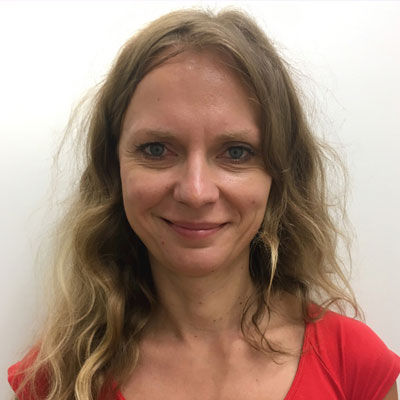
Laura Vivian
CaitiCaitlin Dolegowski

Caitlin Dolegowski (CD): Could you introduce TrilliumBiO and share your core focus areas in life sciences? 

Laura Vivian (LV): TrilliumBiO is a biomarker discovery company specializing in the development and commercialization of novel diagnostic tests to translate scientific discoveries into real-world clinical impact.  

The company has launched over 100 assays, collaborates with partners domestically and internationally, and processes over 500,000 samples annually through a multi-accredited, CLIA-certified laboratory. We work with industry innovators in biotech and pharma, as well as academic medical centers, foundations, and patient advocacy groups. Headquartered in Maryland, just outside Washington, D.C., we operate within the nation’s third-largest biopharma hub. Our multidisciplinary leadership team brings decades of experience delivering value to patients and partners.

Our core focus is expanding access to critical areas of testing that align with emerging therapeutics and scaling diagnostic solutions that support the development and adoption of new treatments.

CD: What types of early-stage companies or technologies are you most interested in meeting at RESI?                                                                                                     

LV: First, we are excited to be able to sponsor RESI JPM 2026 and be part of this great community. Thank you for having us. 

We believe we are ideally positioned at the intersection of the life sciences ecosystem to create enormous value for our partners. We’re especially interested in engaging with companies advancing novel therapeutics and diagnostics, investors seeking biomarker and clinical diagnostic expertise for their portfolio companies, and organizations with technologies to in-license or co-develop. Our team brings speed, efficiency, and deep expertise in biomarker strategy and development to help accelerate that journey. 

CD: What are some of the key scientific or commercial challenges your team is focusing on solving in the coming year? 

LV: At TrilliumBiO, we see ourselves as partners from discovery through delivery, working alongside our clients across R&D, regulatory milestones, and clinical use. That partnership means solving critical barriers that often slow diagnostic development, limit patient access, and delay therapeutic approvals.

We’re not only able to bring new assays to market; we also scale testing volume and accelerate the commercialization of existing assays. Our regulatory expertise and audit readiness gives partners confidence that FDA submissions will succeed, ensuring progress isn’t stalled by compliance hurdles.
Education is foundational to our work, strengthening disease awareness among both patients and providers. With the support of more than 15,000 in our physician network, we make sure that every test result is clinically meaningful and actionable.

CD: Is there anything you’d like the RESI community to know about TrilliumBiO’s mission or upcoming milestones? 

LV: We recently announced a strategic partnership with Oncobit, an international leader in precision oncology, to bring advanced monitoring solutions for uveal melanoma, including molecular residual disease (MRD) testing, to the U.S. We’re also preparing awareness initiatives around rare diseases like lymphangioleiomyomatosis (LAM), supported by our VEGF-D assay, and blood-based biomarkers that enable earlier detection of Alzheimer’s disease. Our mission is to advance diagnostics that make a meaningful difference in patient care.

The RESI community should stay tuned, as we’ll be sharing more about these milestones and others soon.

CD: Are there any recent accomplishments that you want us to highlight? (Awards, Grants, FDA Approvals, Social Corporate Responsibility programs, etc.) 

LV: We were honored to be named a finalist for the Emerging Life Sciences Company of the Year at the 2025 ICON Awards presented by the Maryland Tech Council, recognizing innovation and impact in the state of Maryland’s life sciences sector. Building on that momentum, we secured FDA approval for a rare disease direct to consumer test within just six months, a milestone that reflects our ability to rapidly translate discovery into patient-ready diagnostics. Alongside these achievements, we continue to strengthen partnerships with patient advocacy groups, ensuring that our breakthroughs are paired with meaningful support for the communities we serve.

The Needle Issue #21

6 Jan
Juan-Carlos-Lopez
Juan Carlos Lopez
Andy-Marshall
Andy Marshall

On December 9, the Italian charity Fondazione Telethon made waves by becoming the first non-profit organization to obtain FDA approval for an advanced therapy: Waskyra (etuvetidigene autotemcel) is an ex vivo lentiviral gene therapy indicated for the rare immune deficiency Wiskott-Aldrich Syndrome. Fondazione Telethon’s accomplishment underscores the impact that philanthropic organizations can have on drug discovery and has rightly been celebrated by patient-advocacy groups working to develop therapies for other conditions of limited commercial interest. How can this wider universe of disease foundations emulate Fondazione Telethon’s achievement and leverage the lessons from Waskyra’s approval?

Drug development for rare and ultra-rare conditions faces multiple challenges: limited understanding of the disease, paltry funding, a lack of business models providing a return on investment, regulatory obstacles, manufacturing and distribution barriers, and so on. For all these reasons, venture capitalists and pharma companies have shied away from diseases that, like Wiskott-Aldrich Syndrome, affect small populations of patients. This is the unspoken dirty secret of modern medicine. Current commercial drug development is unfit for >90% of all known diseases.

With the biopharma industry steering clear of these conditions, patient advocacy groups and other charities are trying to fill the void. According to a recent study commissioned by the US Department of Health and Human Services (HHS), 585 advocacy groups fund “medical product development” activities in the United States. Why has it taken an Italian non-profit organization to be the first to cross the US FDA approval finish line?

The organization responsible for development of Waskyra is the San Raffaele Telethon Institute for Gene Therapy (SR-TIGET), a 30-year-old partnership between Telethon Foundation and Milan’s Ospedale San Raffaele. Over those three decades, SR-TIGET has raised over half a billion euros in philanthropic capital to build internal capabilities equivalent to those available in a clinical-stage biotech company: target discovery, preclinical modelling, regulatory strategy, phase 1/2 clinical trials and registration. In other words, unlike most patient foundations and groups, this organization has accumulated the resources to generate the data necessary to walk the full path to approval, independently of the need to collaborate with a pharmaceutical company.

Out of the 585 patient advocacy groups cited in the HHS report, only 11 operate with their own research staff and lab space. In contrast, 106 advocacy groups fund life-science companies, and 536 fund academic or medical institutions. This implies that, at most, only 1.9% of US patient groups use a model that shares at least some similarities with SR-TIGET’s. This is important to emphasize because having all these in-house capabilities makes an organization less dependent on industry partnerships, which can be difficult to secure in the first place and are subject to change if economic conditions and/or company priorities alter.

Of course, it would be disingenuous to expect all patient foundations to adopt the SR-TIGET model. According to the HHS report, the mean annual revenue of an advocacy group capable of funding clinical trials is ~$32 million, with their median annual revenue at ~$3.5 million. Most of the 585 charities have no hope of achieving these financing levels, particularly those advocating for patients living with ultra-rare conditions. At the same time, these figures represent the reality of commercial development, and they should be part of the calculus used by patient advocacy groups to define the scope of their activities and inform their fundraising strategy.

It is worthwhile noting that Waskyra is not Fondazione Telethon’s first rodeo. SR-TIGET was responsible for much of the work behind two other approved ex vivo lentiviral gene therapies for ultrarare conditions: Strimvelis (for ADA-SCID; European approval in 2016) and Lenmeldy (for metachromatic leukodystrophy; European approval in 2020FDA in 2024). In both cases, the organization partnered with for-profit companies to take the drugs to market, providing SR-TIGET with crucial training in the drug-approval process before they achieved their recent independent success with Waskyra. At the same time, those early experiences made it painfully clear that the story does not end with regulatory approval, as many without experience of developing medicines assume.

In 2018, Strimvelis, which had been developed by SR-TIGET in collaboration with GlaxoSmithKline, was acquired by Orchard Therapeutics along with the rest of the pharma’s rare disease gene-therapy portfolio. After taking the therapy to approval, however, Orchard pulled the plug and decided to cease marketing of the therapy. Fondazione Telethon then stepped in and had to arrange the transfer of the marketing authorization from the company to the foundation. Although SR-TIGET has been able to make the therapy available in Italy, Strimvelis remains unavailable elsewhere in Europe. This is unsurprising as setting up distribution networks across continents requires deep expertise and investment, and has long been the sole purview of commercial organizations.

In the case of Waskyra, the manufacturing and distribution strategy for the United States is not yet clear, but a week after the FDA decision, Fondazione Telethon signed a memorandum of understanding with the Orphan Therapeutics Accelerator (OTXL) under which Orphan Therapies (an OTXL subsidiary) will become the exclusive commercialization partner for the therapy. OTXL is a separate, US-based, non-profit organization focused on the clinical development of “shelved” ultra-rare disease treatments. That two independent non-profit organizations have come together to deliver a life-changing therapy to patients is of great significance and perhaps underappreciated by the wider community. It will be interesting to see how this partnership evolves, particularly with regards to pricing.

Indeed, pricing has been another thorny issue for Fondazione Telethon. The cost of Strimvelis is reportedly ~€600K. Between July 2023 (when the foundation obtained the marketing authorization) and the end of 2024, SR-TIGET has treated only two ADA-SCID patients (~14 children are born every year with the disease in Europe). Of most concern, the associated costs for these two treatments were €4.7 million. Although Fondazione Telethon is a non-profit entity, multi-million Euro losses of this kind simply are unsustainable. It will therefore be important that the foundation sets a price of Waskyra on the US market where it can at least recoup the costs of its treatment — if not make a return that it can invest back in further R&D efforts.

Which brings us to perhaps the most important takeaway from SR-TIGET’s Waskyra approval. It is striking how this foundation has focused very heavily on the development of gene therapies, and in particular ex vivo lentiviral gene therapies. Luigi Naldini, leader of SR-TIGIT, is a pioneer in the study of lentiviral vectors, and a lot of the research conducted at the institute over the years has focused on the optimization of vectors and on understanding the biology of hematopoietic stem cells with the eventual goal of fixing disease-causing mutations. According to the SR-TIGET website, the organization has treated ~25% of patients who have received hematopoietic stem cell-based gene therapy worldwide.

In contrast, most patient groups have a starting point around a specific disease (or a subset of related diseases) for which drug-discovery projects are launched, often using multiple therapeutic modalities to have as many “shots on goal” as possible. These are two fundamentally different approaches. SR-TIGET has focused on one therapeutic modality and then deployed it across different diseases; most other foundations focus on one disease and then invest in many different therapeutic modalities.

Ultra-rare drug developers and patient groups should take note: an increasing body of data suggests that organizations achieving development success have adopted a similar platform-based approach to bringing therapeutics to patients. And the reason for this is simple: putting together an entire discovery, commercialization and distribution apparatus for more than one therapeutic modality is simply unaffordable for most independently funded non-profits.

There are now several examples to illustrate this point. In the field of antisense oligonucleotides (ASOs), n-Lorem Foundation has achieved success using solely the ASO modality, with >35 kids suffering from 17 different “nano-rare” diseases now treated: CHCHD10/ALSTARDBPLMNB1ATN1SCN2A encephalopathyPACS1ASXL3/Bainbridge RopersMAPK8IP3/ALShnRNPH2/ASDH3F3/chondrosarcomaKIF1A/KANDUBTF/CONDBATUBB4A-related leukodystrophyEPL1/familial dysautonomiaserum amyloid A amyloidosis, or FLVCR1 and PRPH2 retinopathies. Again, success has been achieved by developing a single modality across an incredibly wide range of nano-rare neurodegenerative, neurodevelopmental, autonomic nervous system, kidney and retinal diseases.

For adenoviral associated virus serotype 9 (AAV-9) gene therapy, social purpose corporation Elpida Therapeutics continues to make progress with its platform for ultra-rare conditions (recently receiving an $8 million grant from the Center for Regenerative Medicines) Again, Elpida is focusing on just one modality and developing it against multiple neurodevelopmental and neurodegenerative conditions: Charcot-Marie-Tooth disease type 4JSpastic Paraplegia 50 (SPG50), and Neuronal Ceroid Lipofuscinosis 7 (CLN7). Similarly, Nationwide Children’s Hospital, which carried out the original work leading to approval of Novartis’ AAV-9 gene therapy (Zolgensma) for spinal muscular atrophy, has deep resources and expertise, enabling it to serve as a hub for this type of gene therapy. In recent weeks, it announced the start of a clinical AAV-9 program for SLC6A1 neurodevelopmental disorder.

Elsewhere, one might argue that, in base editing, we are also starting to see yet another example of a modality hub emerge. Following the success of base editing around CSP1 for baby KJ (highlighted in Issue #6 of The Needle), the Center for Pediatric CRISPR Cures is building a hub around gene editing R&D expertise — an initiative that the Innovative Genomics Institute’s Fyodor Urnov is also promoting.

What does all this mean? We would suggest that academic medical centers and patient foundations interested in developing ultrarare therapies should consider the platform-based approach as an efficient way to deploy their capital. Evidence is clearly building that focusing on one modality works. For therapies beyond that single modality, organizations might be better served by identifying another resource-rich ‘hub’ organization for development programs in their disease.

Another advantage of a large platform-based hub approach with a host of different disease spokes is that it would result in a diversified portfolio of projects in which each project is a separate shot on goal. This may achieve the scale to deliver a successful drug and, therefore, generate income. In fact, MIT economist Andrew Lo has used financial-engineering techniques to show that a portfolio of ultra-rare disease projects could generate a return on investment exclusively from the sale of FDA’s Priority Review Vouchers (PRVs), which pharma companies seek to acquire for a median >$100 million. Although the reauthorization of the PRV program by the US Congress is uncertain, we think this is a tantalizing insight because it points to a sustainable path for the development of ultra-rare therapies.

2025 has been a landmark year for ultrarare therapies. Besides the FDA approval of Waskyra, the successful use of base editing to treat CPS1 deficiency in Baby KJ in just seven months, the acceptance of >160 patients into n-Lorem programs, and the administration of several gene therapies to ultrarare patients (Urbagen, an AAV-9 gene therapy for CTNNB1 syndrome being yet another recent example) suggest that ultrarare disease treatments are finally gaining momentum. With SR-TIGET, n-Lorem, Nationwide Children’s and Elpida showing the way, perhaps a development model is finally emerging to treat these debilitating childhood diseases that devastate too many families around the world.

RESI JPM 2026 Program Guide Released  

29 Dec

By Dennis Ford, Founder & CEO, Life Science Nation (LSN)

DF-News-09142022

Life Science Nation (LSN) presents the RESI JPM 2026 Program Guide for its flagship hybrid conference, held January 12–13 in person at the San Francisco Marriott Marquis, followed by three virtual partnering days on January 14, 19 & 20.

RESI JPM connects early-stage life sciences innovators with global investors during the heart of JPM Healthcare Week. Highlights include the Innovator’s Pitch Challenge, featuring 96 emerging companies presenting to investor judges, along with expert panels, interactive workshops, and a diverse exhibitor showcase spanning biotech, medtech, diagnostics, and digital health.

Positioned at the center of JPM Week, RESI JPM offers unmatched access to capital, partnerships, and industry insight. Registration is now open.